You
have no items in your shopping cart.
Best Digital Cameras to Buy Used in 2026: Buyer’s Guide
May 08, 2026
1 min read

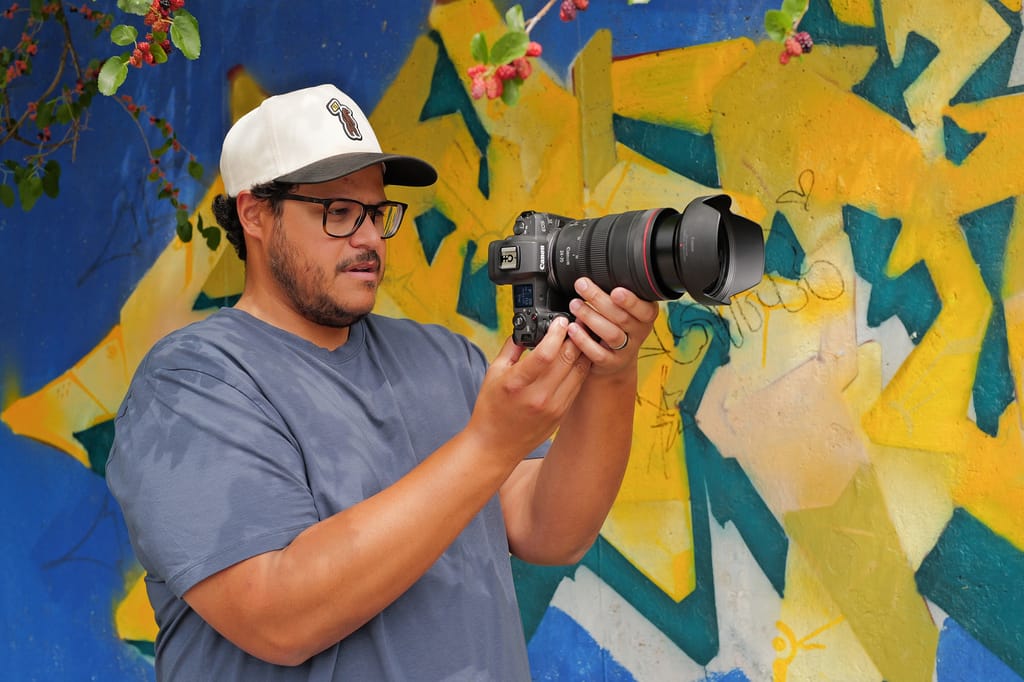
While everyone chases the newest tech, savvy photographers are looking backward to save money. Five-year-old flagship cameras are currently hitting the market at a 40 to 60 percent discount. You can completely bypass the high entry cost of photography with a realistic budget of $500 to $1,200. Buying a used digital camera is simply the smartest financial move a growing creator can make. This guide spotlights the Best Digital Cameras to Buy Used in 2026 and helps you find affordable digital cameras that still deliver pro-level results.
Does your phone photo look muddy the moment you zoom in? This happens because phones rely heavily on software tricks, skewing the “Sensor-to-AI ratio” to fake good lighting. Think of a camera sensor like a house window. A smartphone uses a tiny bathroom window that requires artificial brightening, whereas a dedicated camera features a massive bay window that gathers honest, natural light.
Industry data reveals that the depreciation rates of professional digital cameras peak right around this five-year cycle. According to recent secondhand market trends, a 2021 camera body loses over half its original value while retaining all its light-gathering magic. Because physical sensor size always beats AI upscaling, these older bodies capture drastically better photos than an expensive phone ever will. This price drop lets you prioritize beautiful glass lenses over trendy gadgets.
Think of camera brands like smartphone chargers. Just as Apple used Lightning and Android uses USB-C, camera manufacturers have specific “plugs” for their lenses, called mounts. You aren’t just buying a camera; you are marrying into a lens family. Smart buyers pick brands based on used lens prices rather than body specs, knowing camera bodies get outdated quickly while a good lens can easily last a decade.
Navigating these families comes down to understanding your core options:
Leveraging adapters to use older DSLR lenses on new mirrorless bodies unlocks massive savings. Funneling those saved hundreds away from new lenses and into a more capable camera body maximizes your budget. With this approach, you’ll land on the best digital cameras for your style without overspending.
A full-frame sensor lets in drastically more light than smaller sensors, creating that creamy, professional background blur behind your subject. For full-frame cameras under $1,000, these legendary used options currently dominate the market.
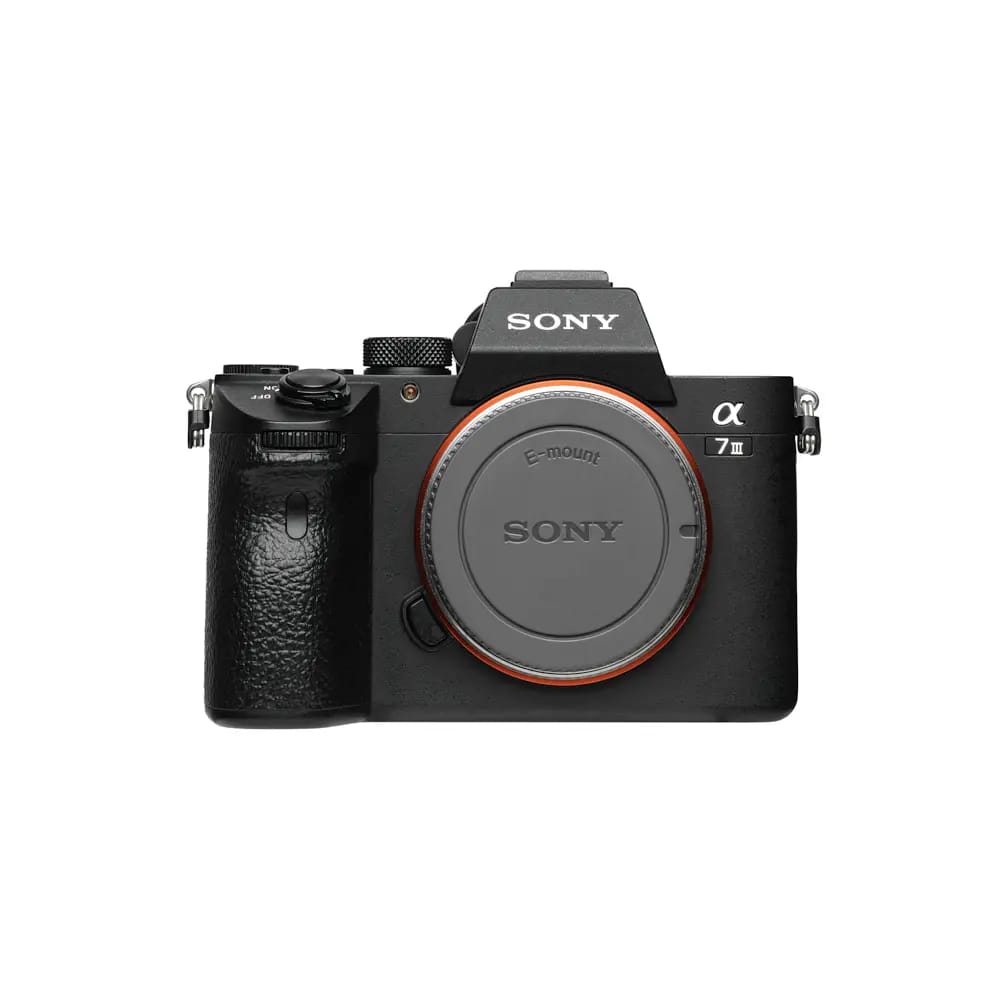
A true “jack-of-all-trades,” the A7 III is one of the most popular used cameras for a reason. It offers a massive lens ecosystem, great image quality, and reliable performance for both photos and videos, making it a prominent model for pros and hobbyists alike.
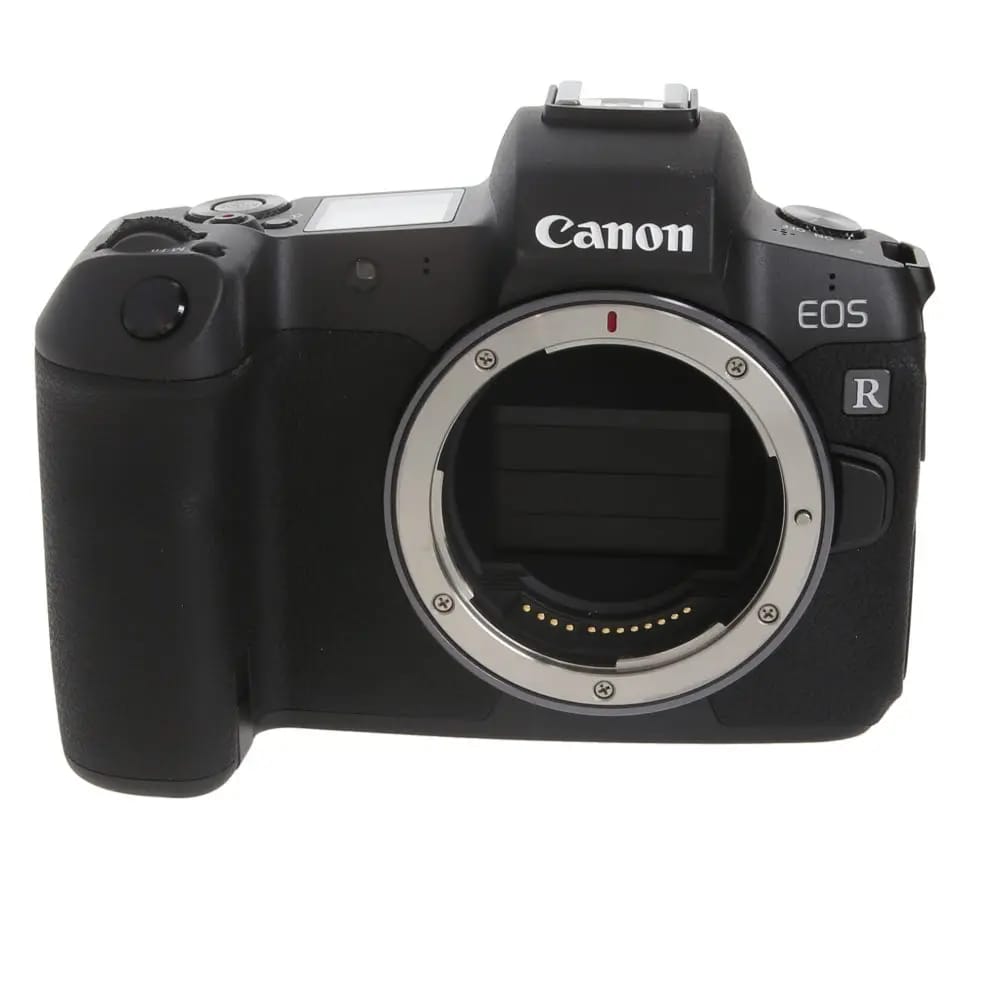
The EOS R is a fantastic entry into Canon’s full-frame mirrorless system. Many users prefer its famous color science for producing flattering, natural skin tones right out of the camera, and its comfortable grip makes long portrait sessions effortless.
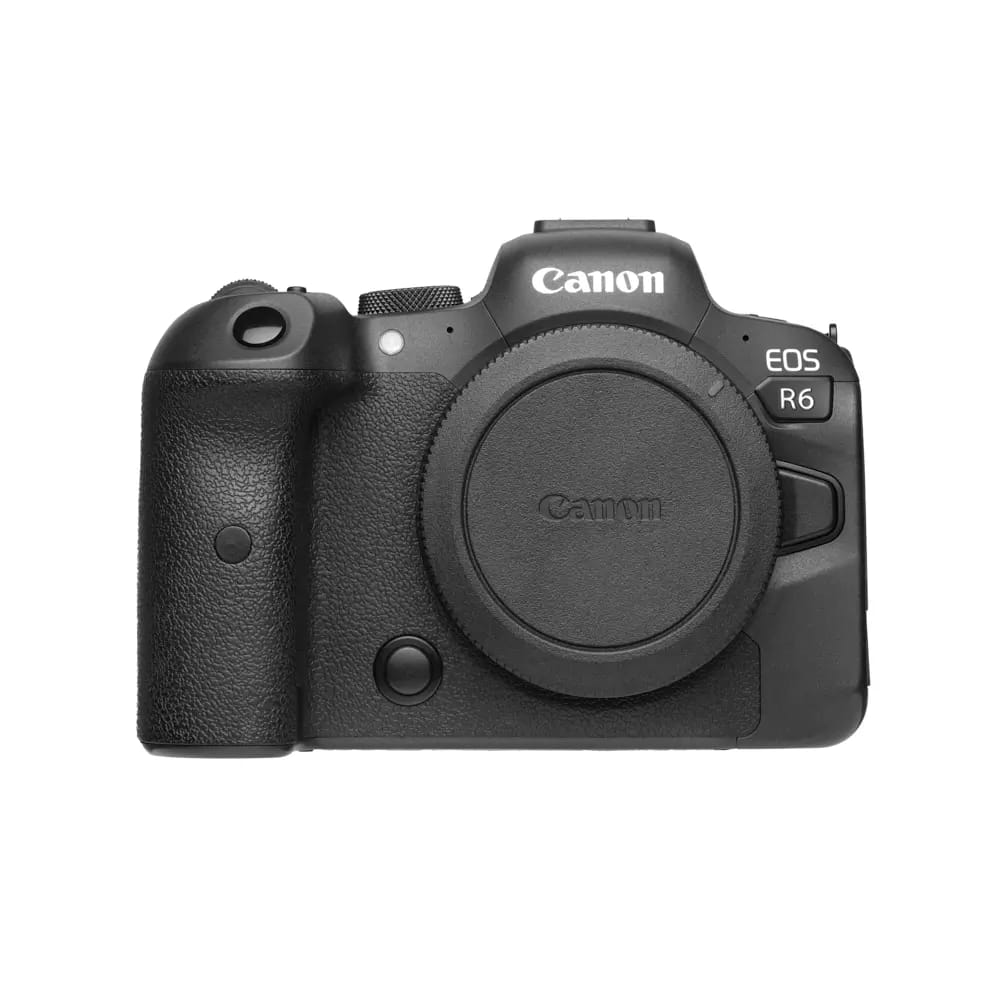
For those with a slightly more flexible budget, the EOS R6 is a stellar option. It brings superior autofocus and low-light capabilities, making it an incredibly capable hybrid camera for capturing both stunning photos and high-quality video. Explore our review of this camera here.
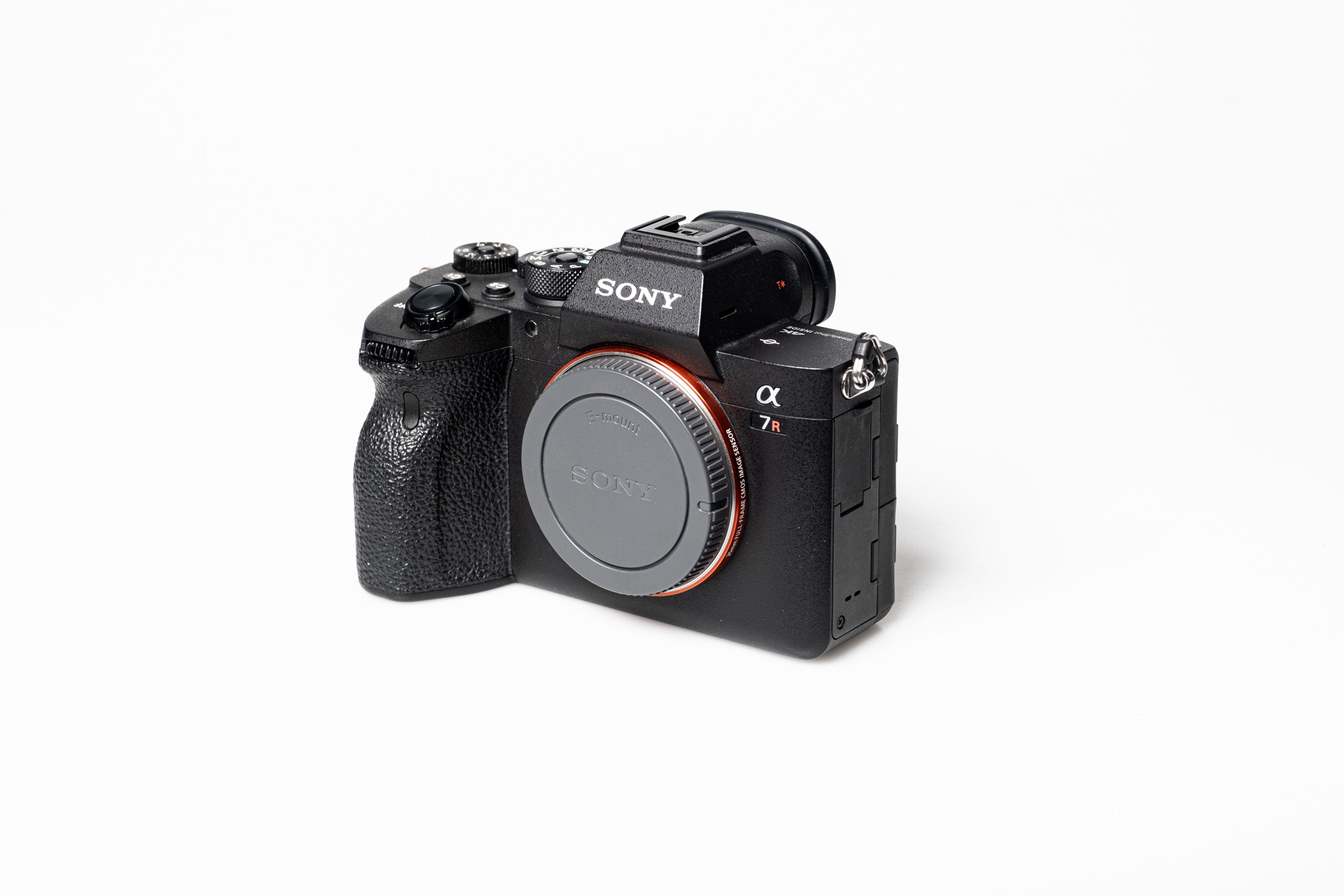
If maximum detail is your goal, the a7R IV is a resolution powerhouse. Its 61-megapixel sensor delivers massive, billboard-quality image files, perfect for landscape photographers or anyone who needs the flexibility to crop heavily without losing quality.
If carrying a heavy full-frame camera sounds miserable, an APS-C sensor is the solution. These cameras and their lenses are often half the size but still gather drastically more light than your phone.
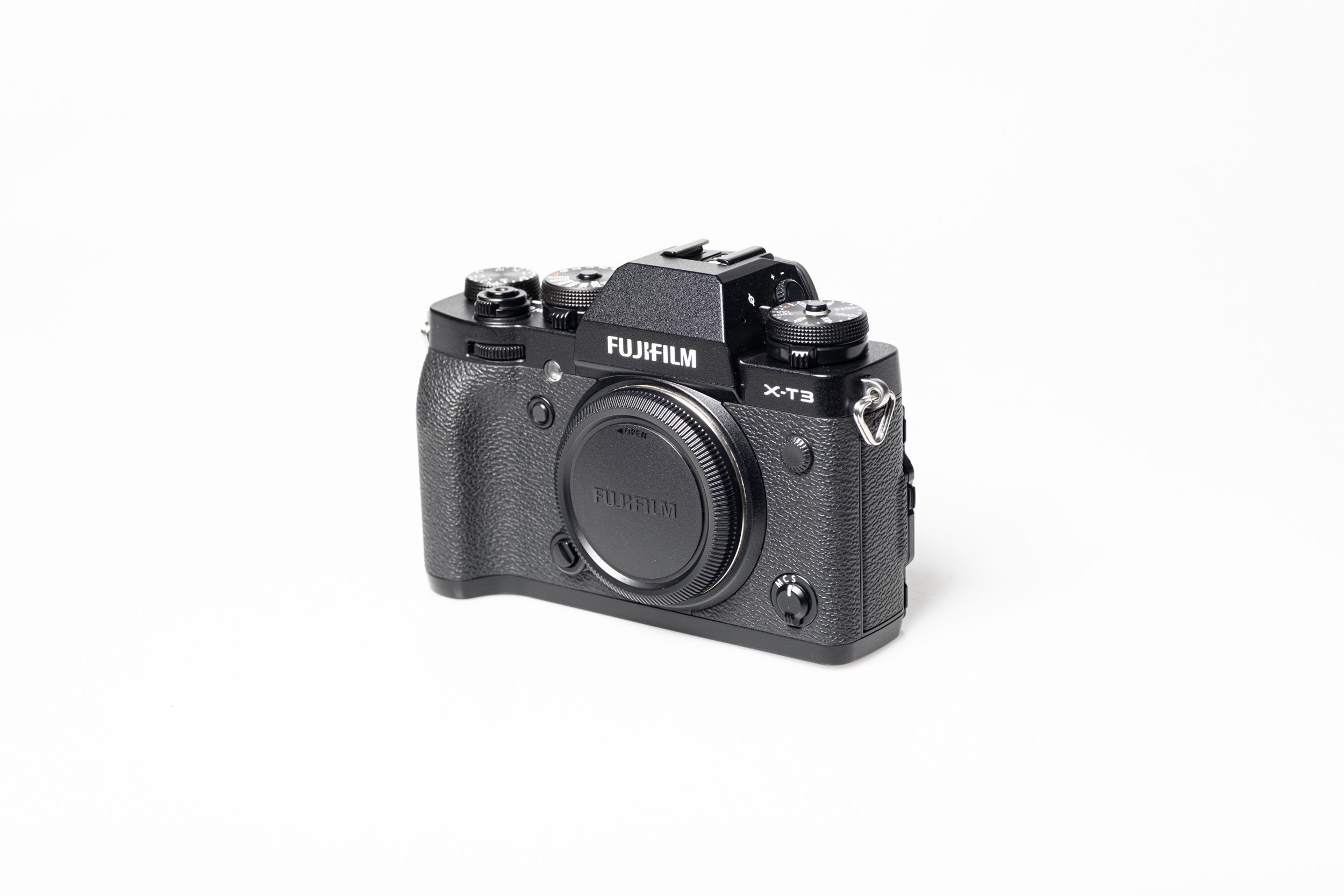
A cult classic, the X-T3 is beloved for its “Film Simulations,” which are built-in color recipes that make your digital files look like classic, moody film stocks. It’s perfect for photographers who want to skip the editing process and transfer gorgeous, ready-made photos straight to their phones.
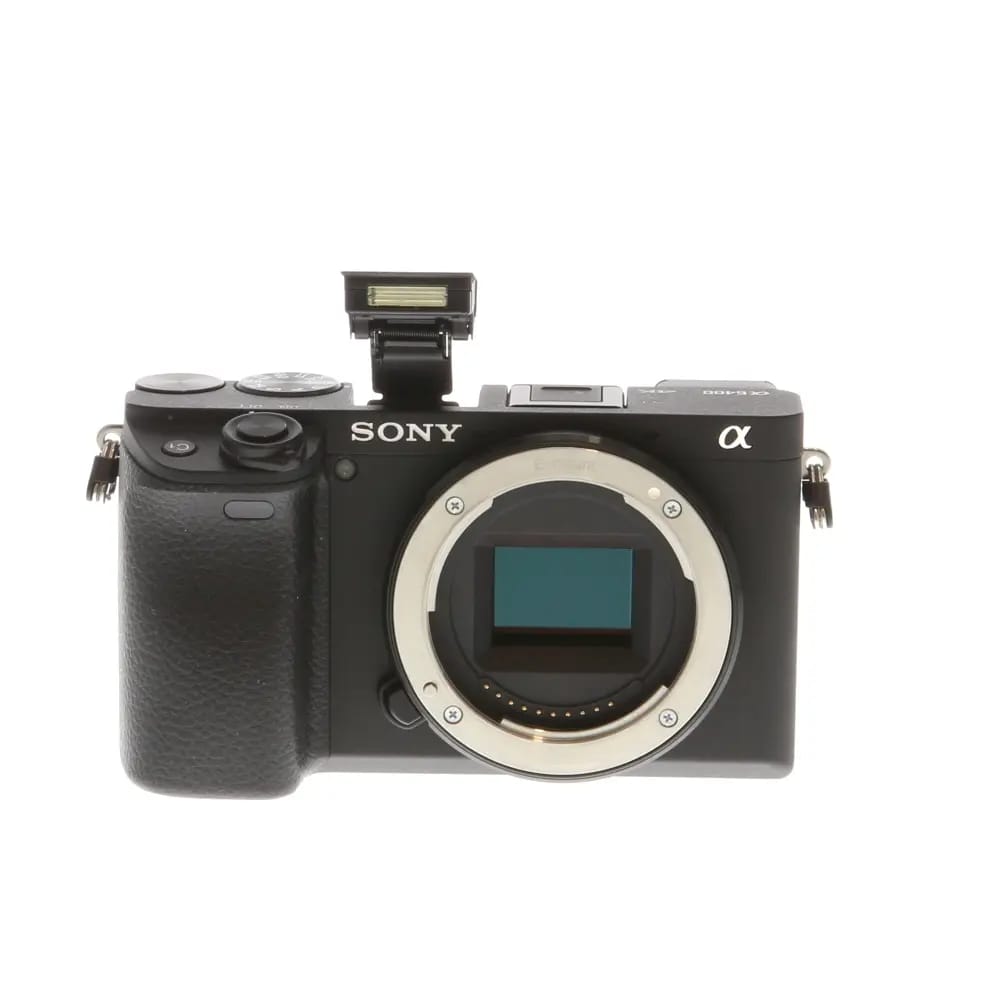
This camera is renowned for its lightning-fast autofocus, making it the top choice for parents and pet owners who need to capture quick-moving subjects. Its compact size and excellent performance offer incredible value.
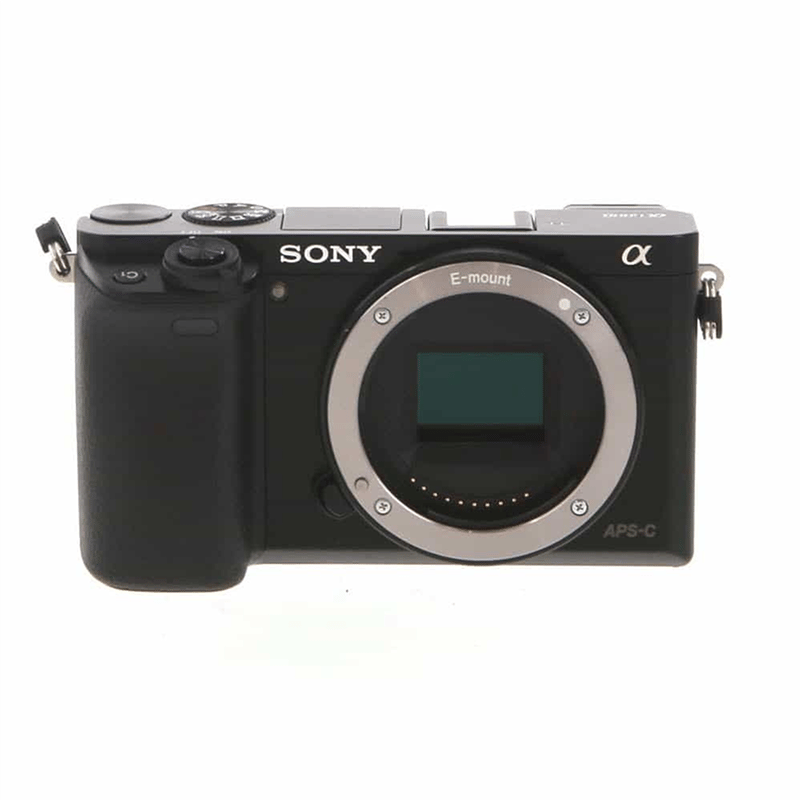
As one of the most popular entry-level mirrorless cameras ever made, the a6000 is a fantastic starting point for beginners. It’s incredibly affordable on the used market and serves as a great gateway into the vast Sony E-mount lens system.
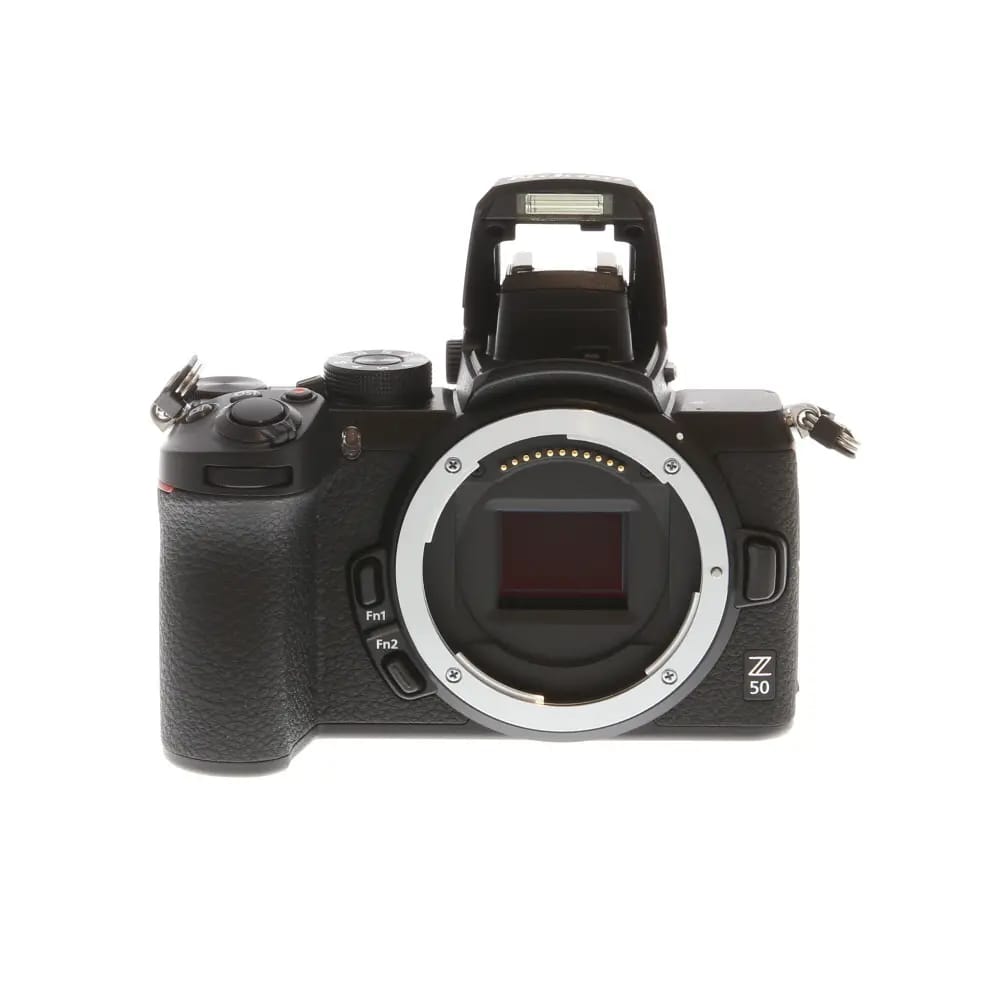
Praised for its supreme grip comfort and beginner-friendly menus, the Z50 is a delight to use. It delivers excellent image quality in a portable package, making it a strong contender for travel and family photography.
Want more travel-ready camera gear? This blog has our top picks for your summer kit.
Upgrading to a dedicated video camera solves the overheating and storage frustrations of filming on a smartphone. For excellent video, look for a fully articulating screen, great heat management, and In-Body Image Stabilization (IBIS).
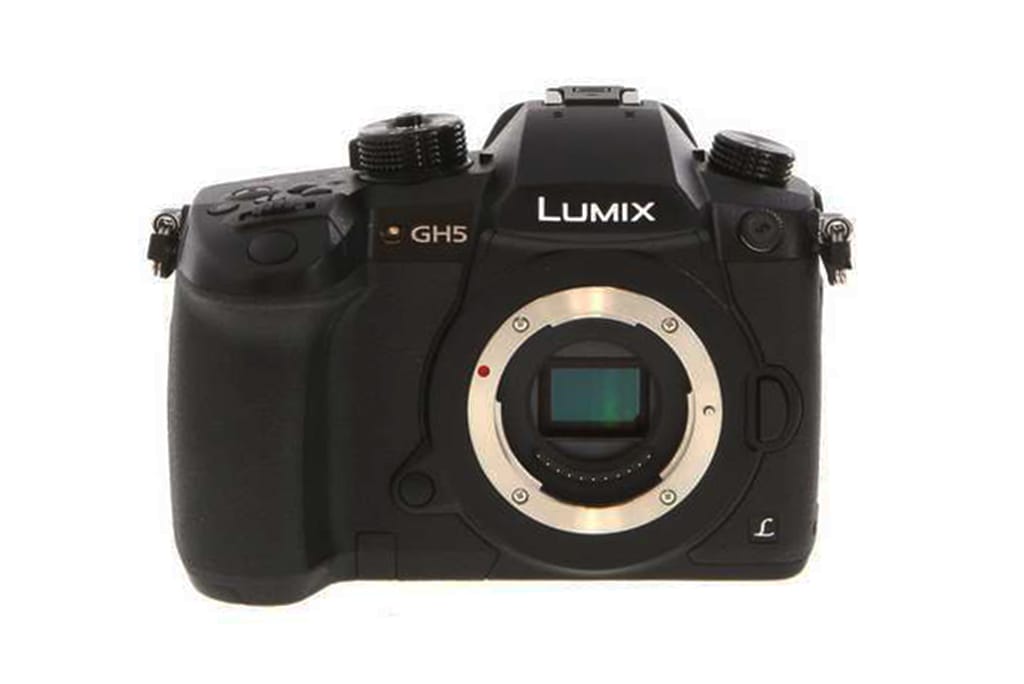
A legendary name in the video world, the GH5 is a workhorse. It features a “No Record Limit” for capturing long interviews, and it records richer colors through a higher bit-depth, creating gorgeous, smooth skin tones and skies.
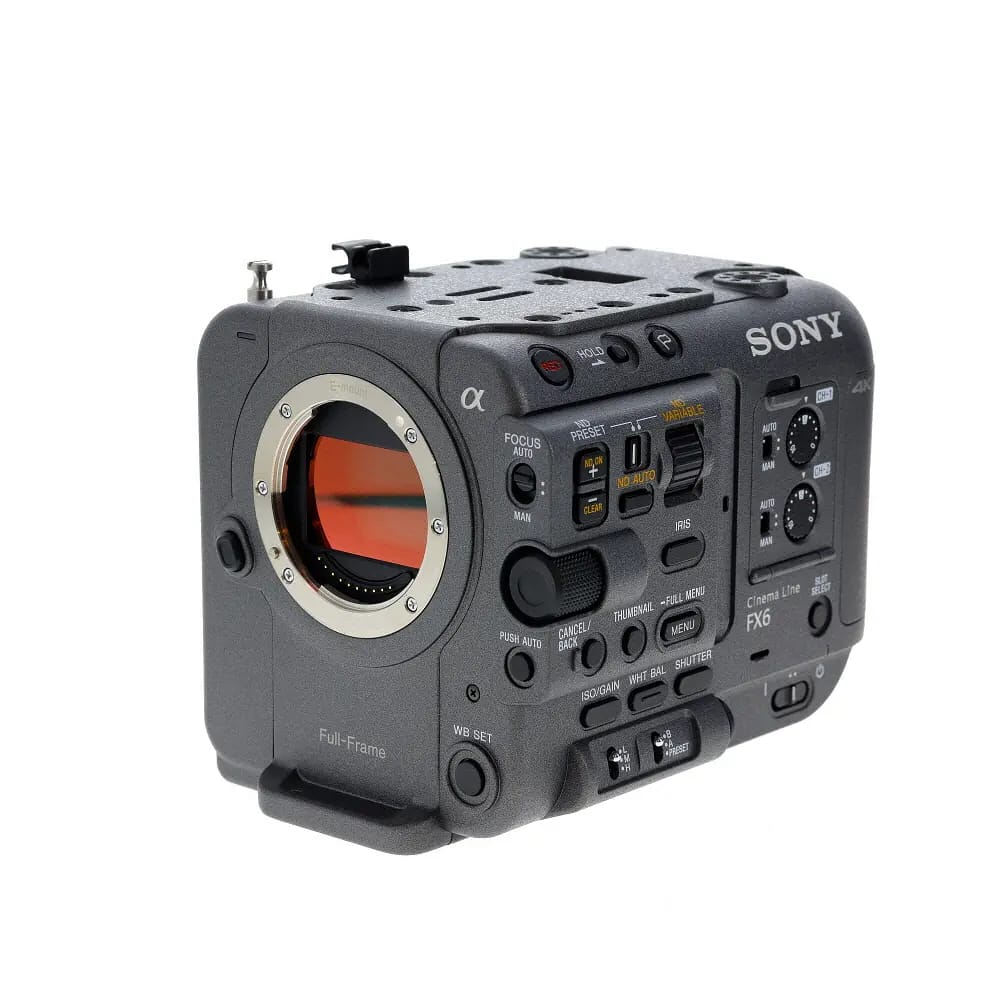
For creators ready to make a serious investment, the Sony FX6 is a top-tier professional tool. As a full-frame digital cinema camera, it delivers breathtaking 4K footage and offers advanced features for those looking to produce commercial-grade content.
Want more gear for content creators? Check out our budget-friendly picks.
You no longer have to settle for muddy smartphone zooms. By embracing the incredible value of the second-hand market, you can acquire professional imaging tools that will fundamentally change the way you capture the world. Expect a brief but rewarding learning curve as you unbox your camera. It’s the start of a new relationship with your craft—one where you have the creative control to go beyond automated phone edits and develop your own unique style.
As you start shooting, you will instantly notice the organic depth and stunning detail that only a dedicated camera can provide. You’ll see the way light falls differently, and you’ll learn to capture the moments in between the big events. This is your chance to create images with intention and artistry.
A world of creative possibility is now at your fingertips. It’s time to stop chasing specs and start capturing memories you’ll be proud to print, display, and cherish for years to come. Your next favorite photo is waiting for you to create it.
Question: Why is 2026 such a good time to buy a used digital camera instead of upgrading my phone?
Short answer: Five-year-old flagships (circa 2021) have hit peak depreciation, often selling at 40–60% off while retaining their big-sensor image quality. Unlike phones that lean on AI tricks, dedicated cameras gather “honest” light with much larger sensors, yielding cleaner detail and natural background blur. With a realistic $500–$1,200 budget, you can outperform any smartphone, then funnel the savings into quality lenses that hold their value longer than camera bodies.
Question: How should I pick a camera brand if I’m “marrying” into a lens mount family?
Short answer: Choose the mount based on used lens prices and availability, not just camera body specs—lenses last a decade, bodies don’t.
Question: Which used cameras are the best picks for still photos across budgets and sizes?
Short answer:
Question: I’m a content creator—what video features should I prioritize, and which used bodies shine for 4K?
Short answer: Look for a fully articulating screen, strong heat management, and IBIS to avoid smartphone-style overheating and shaky footage.
Question: How can I buy used safely and quickly check sensor and lens health?
Short answer: Buy from warranty-backed resellers with 30-day returns so you can field-test gear. Do this 5-minute audit: