You
have no items in your shopping cart.
How to Choose the Best Pre-Owned Camera Gear for Event Photography in 2026
May 19, 2026
1 min read

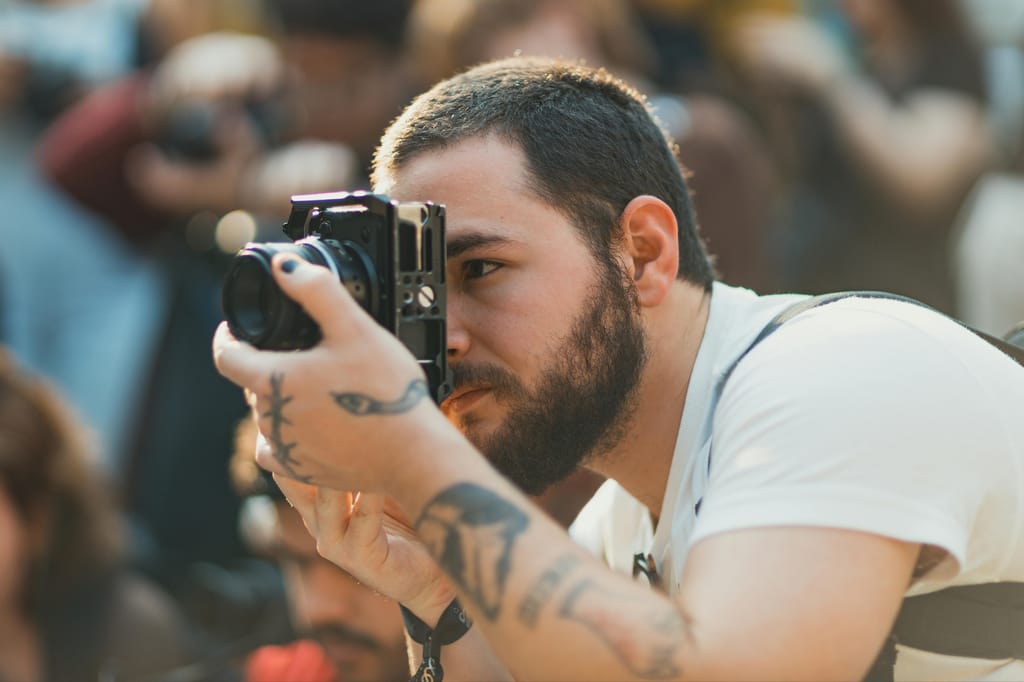
Event photography is the art of capturing lightning in a bottle. You’re chasing the thunderous energy of a music festival, the quiet tear during a wedding vow, the proud glance at a graduation. It demands skill, anticipation, and gear that can actually keep up.
Here’s what a lot of working photographers already know: the pre-owned market is where smart money goes. You’re not settling; you’re accessing a higher tier of performance for a fraction of the new price. This guide will walk you through exactly what to look for and which setups are proven to deliver at any event.
The demands of event photography are tough on equipment. Crowded spaces, unpredictable lighting, constant movement. This is exactly the environment where buying pre-owned makes the most sense—because it lets you access the gear that was built for it without paying the new-product premium.
For the price of a brand-new mid-range body, you can often get your hands on a flagship professional camera from a few years ago. Better build quality. More advanced sensor. Faster processing. And you free up budget for what actually defines your images: high-quality glass.
Choosing pre-owned is also the sustainable choice. Great gear deserves a long life. At KEH, every piece of equipment is meticulously inspected, graded by our KEH Certified™ Pros, and backed by our 180-day warranty. You’re not rolling the dice—you’re buying with confidence.
Before you look at any specific model, lock in these requirements. If a body doesn’t check all of these boxes, keep looking.
Concert photography is a trial by fire. Low-light performance is king, and a “fast” lens isn’t optional. It’s the difference between sharp shots and blurry noise. Here’s what works.
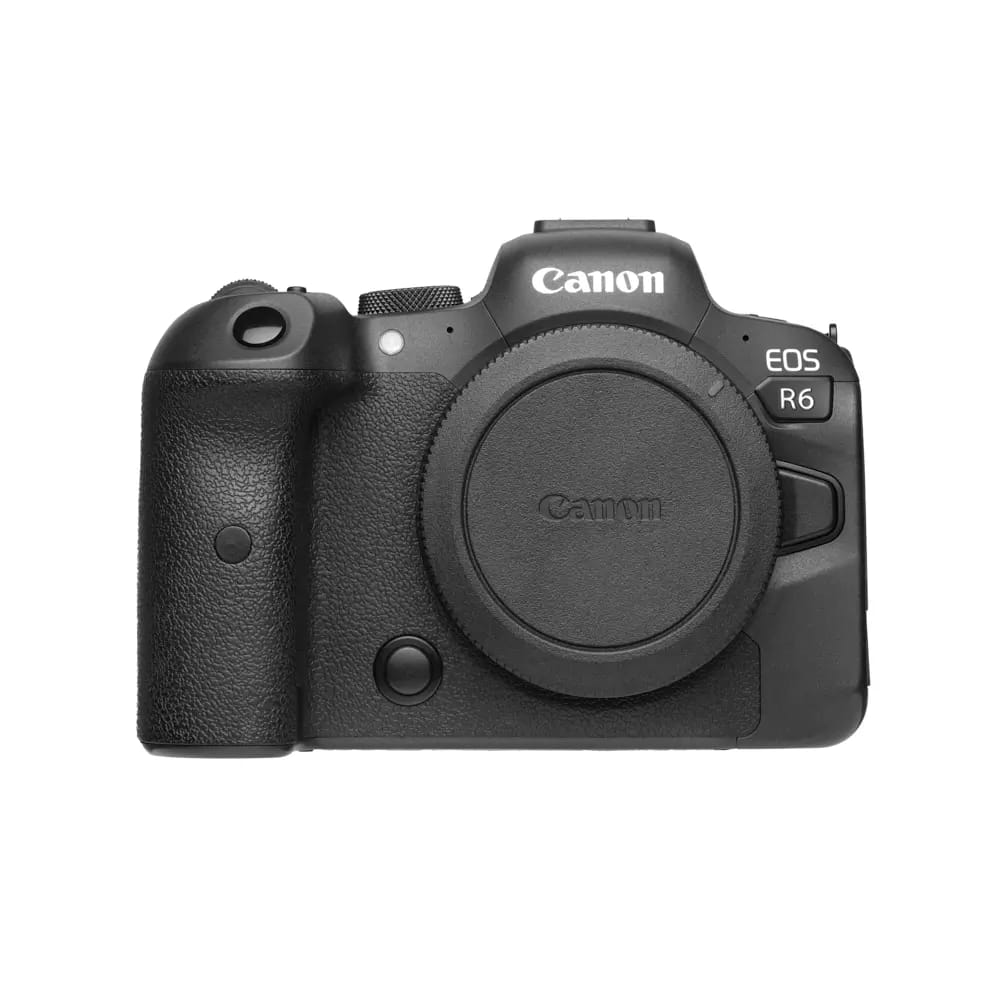
Full-frame mirrorless bodies are the top choice. The Sony A7 III and Canon EOS R6 have become legendary for delivering clean files at high ISOs. Their on-sensor phase-detection autofocus is relentless in dim light, and the electronic viewfinder gives you a real-time exposure preview—invaluable when stage lights are strobing and every second counts.
Recommended lenses: A 70-200mm f/2.8 for tight shots of performers on stage. A 24-70mm f/2.8 for a wider, environmental context. The f/2.8 apertures aren’t a luxury here—they freeze motion and keep your ISO manageable in venues where bad lighting is the norm.
A wedding day is a marathon, and your gear needs to match the pace. You’re moving from controlled portraits to the chaos of the reception, sometimes within the same hour. Versatility and reliability aren’t nice-to-haves. They’re the job.
Full-frame mirrorless bodies like the Sony A7 IV or Canon EOS R6 shine here, particularly their sophisticated eye-autofocus that locks on and doesn’t let go. Either body can serve as the best camera for portraits when paired with a fast prime, delivering the subject separation and detail your clients are paying for. If you want a distinct look with beautiful color science, the Fujifilm X-T4 or X-T3 is an excellent APS-C option that punches well above its weight.
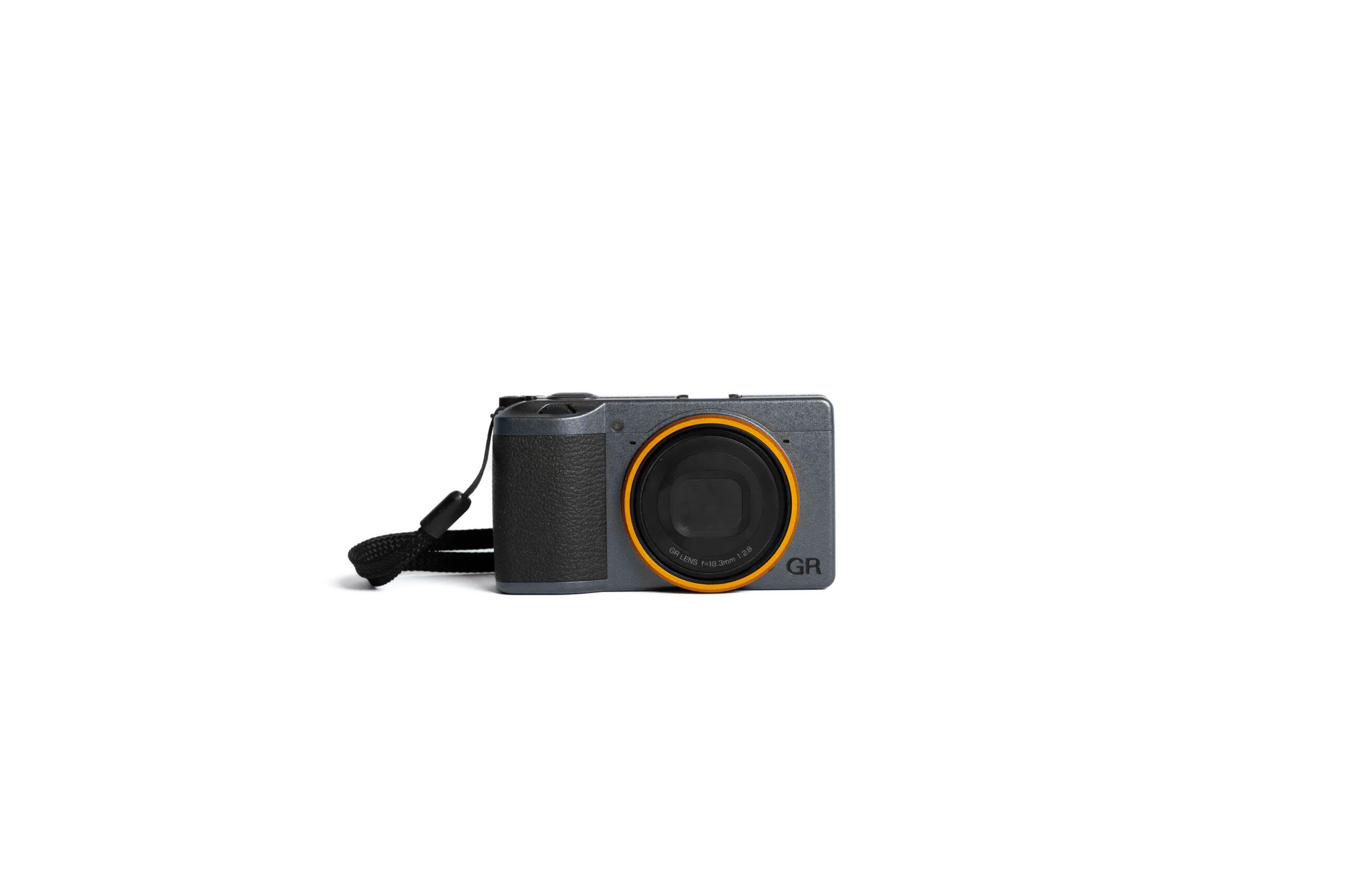
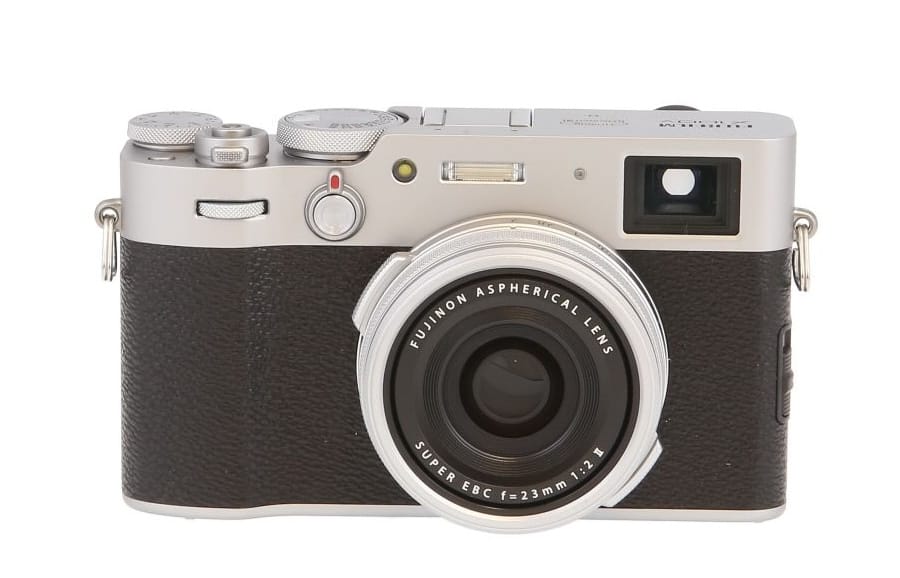
For environmental portraits: a 35mm or 24mm prime lets you incorporate the venue’s character into the frame. For classic portraits, an 85mm f/1.8 delivers the beautiful subject separation clients love. For engagement shoots or discreet reception candids, a compact like the Fujifilm X100V or Ricoh GR III lets you disappear into the moment.
These gigs are about reach and consistency. You’re often capturing moments from a distance, working long days, and you need gear that doesn’t let you down. No drama, just reliable results.
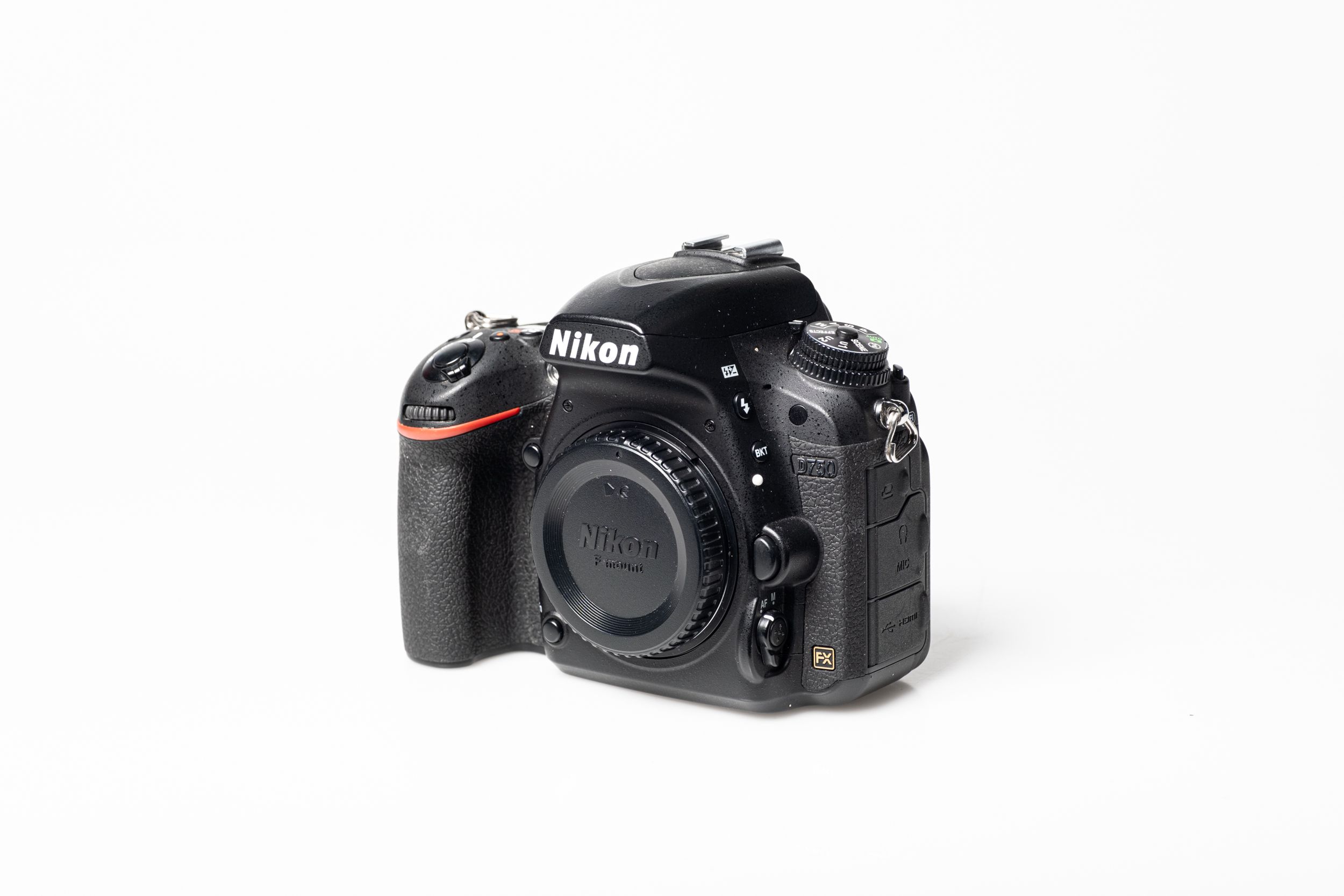
Budget-friendly full-frame options like the Nikon D750 DSLR or original Canon EOS R mirrorless deliver a significant step up in image quality from entry-level cameras while keeping costs manageable. These are proven workhorses with the feature sets you need for professional work.
The lens that matters most: a 70-200mm. An f/2.8 version is ideal; an f/4 is lighter, more affordable, and still delivers incredibly sharp results. Add a 24-105mm f/4 as your versatile standard zoom, and you have a lightweight, high-performance kit that handles a full day with minimal lens changes.
So now you know what to look for and which setups work. The next step is finding the right equipment to tell your story.
And the gear you already own? It has value. Trading in your current equipment is one of the smartest ways to make your upgrade more affordable, helping you get the camera or lens you’ve been after without the sticker shock.
When you invest in high-quality, pre-owned equipment from KEH, you’re building a professional event photography kit that empowers you to capture stunning images at any event. Browse our full collections of digital cameras and lenses—and find the gear that’s right for your next job.
Q: Why is pre-owned gear the smart choice for event photography in 2026?
Pre-owned gear gives you flagship-level performance for far less money—better build quality, more advanced sensors, and faster processing without the new-price premium. It’s also a sustainable choice that extends the life of well-engineered equipment. At KEH, every item is inspected, graded, and backed by our 180-day warranty, so you can redirect your savings into high-impact lenses where it actually matters.
Q: Which camera features matter most for events, and why?
Prioritize low-light capability for clean high-ISO files, fast and intelligent autofocus to nail fleeting moments, and dual memory card slots for real-time backup on paid jobs. Add a solid burst rate to catch peak action and strong video features for hybrid coverage—together, these ensure reliability and versatility across concerts, weddings, and corporate work.
Q: What pre-owned camera and lens combos work best for concerts and festivals?
Full-frame mirrorless bodies like the Sony A7 III or Canon EOS R6 excel thanks to on-sensor phase-detect AF, strong high-ISO performance, and EVFs that preview exposure in strobing stage light. Pair them with a 70-200mm f/2.8 for tight performer shots and a 24-70mm f/2.8 for wider context. The f/2.8 apertures freeze motion and keep ISO manageable in dim venues.
Q: How should I build a versatile wedding kit?
Go with full-frame mirrorless—Sony A7 IV or Canon EOS R6—for reliable eye-AF and all-day flexibility. If you want a distinct look, the Fujifilm X-T4 or X-T3 are excellent APS-C options with beautiful color science. Add primes: a 35mm or 24mm for environmental portraits and an 85mm f/1.8 for classic subject separation. A compact like the Fujifilm X100V or Ricoh GR III is ideal for discreet, candid moments during engagement sessions or reception coverage.
Q: What budget-friendly setup suits documentary, graduations, and corporate events?
The Nikon D750 DSLR or the original Canon EOS R offer affordable full-frame quality and robust features. Pair either with a 70-200mm (f/2.8 is ideal; f/4 is lighter, cheaper, and very sharp) for reach, plus a 24-105mm f/4 as a versatile standard zoom. This combo handles a full day with minimal lens changes. And don’t forget: trading in your current gear is a smart way to offset the cost and upgrade affordably.