You
have no items in your shopping cart.
Best Cameras for Wildlife Photography
August 10, 2023
1 min read

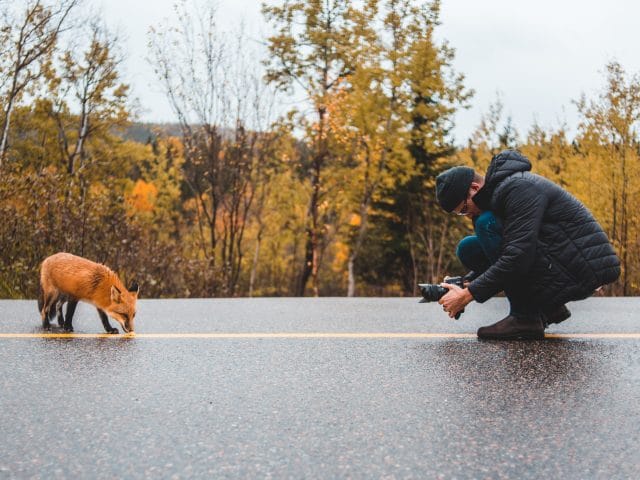
Photographing wild animals can be fun and result in absolutely stunning photos — but it also takes patience and effort. You’ll be working with fast-moving subjects you can’t pose or direct, and there are no second chances in the wild.
To succeed in wildlife photography, you’ll need patience, precision — and the right gear. Whether you are searching for the best camera for wildlife photography for beginners or need the best mirrorless camera for wildlife to keep up with fast movement in the field, we have options for every skill level and budget.
Below, we’ll cover our picks for the best affordable camera for wildlife photography for 2025, including options for beginners looking for the best camera for wildlife photography beginner, as well as lens recommendations and essential equipment to help you capture incredible wildlife shots. We’ll also highlight the best affordable camera for wildlife photography setups so you can get started without overspending.
In this blog, you’ll learn:
If you’re just getting started, there are several affordable camera bodies that still deliver excellent image quality. These budget cameras for wildlife photography offer great entry points for aspiring photographers looking for the best camera for wildlife photography beginner experience.
The Nikon D500 is a favorite for wildlife photography thanks to its rugged, weather-sealed body that handles tough conditions. It features:
The Nikon D7200 is a more affordable option than the D500. While it doesn’t offer weather sealing, it’s still a strong performer in good conditions. For those primarily shooting in fair weather, the D7200 is a solid and budget-friendly choice.
The Canon 7D Mark II is a pro-level APS-C camera with weather sealing and excellent durability. It delivers:
These high-end cameras come with a higher price tag, but they’re built for serious wildlife photographers who need top-tier speed, image quality, and durability.
The Nikon Z9 is a powerhouse mirrorless camera. Features include:
The Nikon D6 and its predecessor, the D5, are designed for high-speed action. The D5 shoots at 12 fps, while the D6 pushes that to 14 fps — perfect for capturing fast-moving wildlife in the field.
A well-rounded and versatile DSLR, the Nikon D850 features:
The Nikon Z7 was Nikon’s first full-frame mirrorless model. While it lacks some of the Z9’s advanced tracking features, it still offers:
Canon’s 1DX line is built for tough environments and fast action. The 1DX Mark II matches the Nikon D6’s 14 fps burst rate and offers excellent autofocus capabilities.
Sony’s A9 and A1 mirrorless cameras are fast, lightweight, and feature impressive autofocus performance. However, the selection of long telephoto lenses — especially used or affordable options — can be more limited than with Nikon or Canon systems.
A high-quality telephoto lens is essential for capturing wildlife at a distance. If you invest in a good lens early on, it’ll save you from upgrading multiple lower-end lenses over time.
Buying used is a smart way to save — and once you’re ready to upgrade, you can trade in your gear for something more advanced.
Native 600mm lenses may be out of budget for beginners, but a 500mm f/4 can deliver similar performance at a slightly lower price.
Consider third-party options like:
These super zoom lenses offer flexibility and performance at a more accessible price point, making them ideal budget lenses for bird photography and general wildlife shooting.
Shop KEH Certified Telephoto Lenses
The Nikon 600mm f/4 prime lens is a go-to for professional wildlife photographers. It’s fast, bright, and creates beautifully soft backgrounds (bokeh) to make your subject stand out.
Other top professional options include Canon and Sony’s equivalent 600mm f/4 lenses for their respective systems.
Don’t forget to pack the right accessories to support your shoot:
When choosing your gear, keep these factors in mind:
Subjects: What you shoot will impact your setup. Birds may require longer lenses, while fast land animals benefit from higher burst rates.
Camera specs:
Lens focal length: A long lens lets you shoot from a safe distance while keeping your subject crisp and in focus, with beautiful background separation.
Both DSLR and mirrorless cameras excel at wildlife photography, but each has advantages:
DSLRs offer longer battery life and extensive lens selections, especially in the used market. Mirrorless cameras provide silent shooting modes, advanced autofocus tracking, and are typically lighter for long field sessions.
Whether you’re a new hobbyist or a seasoned wildlife photographer, make sure you’re ready for your next adventure with quality used cameras and lenses from KEH Camera.
Trade in your old gear and upgrade to better wildlife photography equipment today.
What camera is best for wildlife photography beginners? The Nikon D500 and Canon 7D Mark II offer excellent performance for beginners, with weather sealing, fast autofocus, and high burst rates at more affordable prices than professional models.
Is a 600mm lens worth it for wildlife photography? A 600mm lens provides exceptional reach and image quality for wildlife photography, but budget-friendly 150-600mm zoom lenses can deliver great results for beginners at a fraction of the cost.
What’s the minimum focal length for wildlife photography? While 300mm can work for larger subjects, 400-600mm is ideal for most wildlife photography to maintain safe distances while filling the frame with your subject.
Want more wildlife photography tips? Check out this video: