You
have no items in your shopping cart.
The Gift of Gear: Real Photographers Share the Camera That Changed Everything
December 22, 2025
1 min read

Some cameras don’t change your work overnight. They change how you see—slowly, quietly, over time.
For this edition of Under Exposed, we asked photographers to speak for themselves and share the camera that changed everything for them. Not the newest or most hyped piece of gear, but the one that shaped their process, challenged their instincts, or made photography feel possible in a new way.
These stories are told in their own words. They’re about mistakes, growth, and the tools that stayed with them through it all. Much like pre-owned gear, these cameras carry history—and the potential for a meaningful second chapter.
Jakob Lilja-Ruiz (@portra_papi)
Adventure-based film photographer
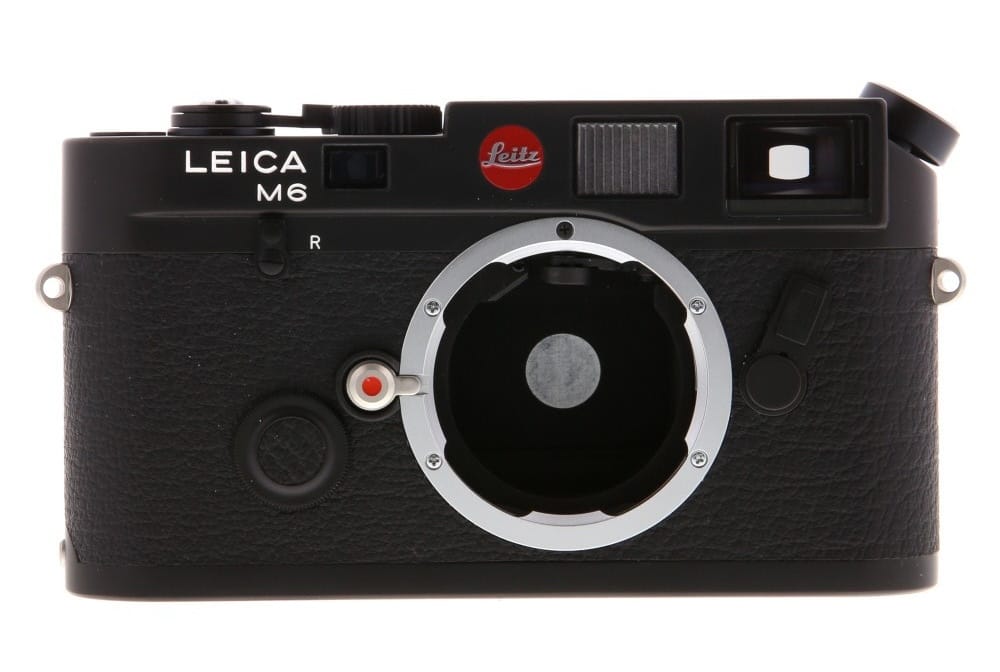
Picking up a rangefinder completely shaped the way I capture the world around me. Nothing has had more impact on my creative journey than selling my digital cameras and focusing solely on film. I never had the opportunity to pursue art in school, so I became obsessed with the history of photography and learning from the greats.
Joel Meyerowitz made the biggest impact on me. Hearing him explain the magic of the medium—and how using the framelines and shooting with your right eye opens up the world around you—completely changed how I compose. Moving away from a bullseye-style frame and learning to use the corners to lead the eye unlocked something for me once I picked up the Leica M6.
Oshae Brissett (@brissyfiles)
Professional athlete and photographer
The Leica M6 changed everything for me because it introduced a challenge I had never experienced before. Using a camera without autofocus forced me to slow down and learn in a completely different way.
I jumped into it headfirst with no idea what I was doing and messed up a lot of rolls along the way. But that imperfection made me want to get better. I think the process ultimately made me a stronger photographer. The fun part of photography is finding new challenges, and the M6 gave me that when I needed it most.
Marcus Ubungen (@yourpalmarcus)
Los Angeles–based photographer and director
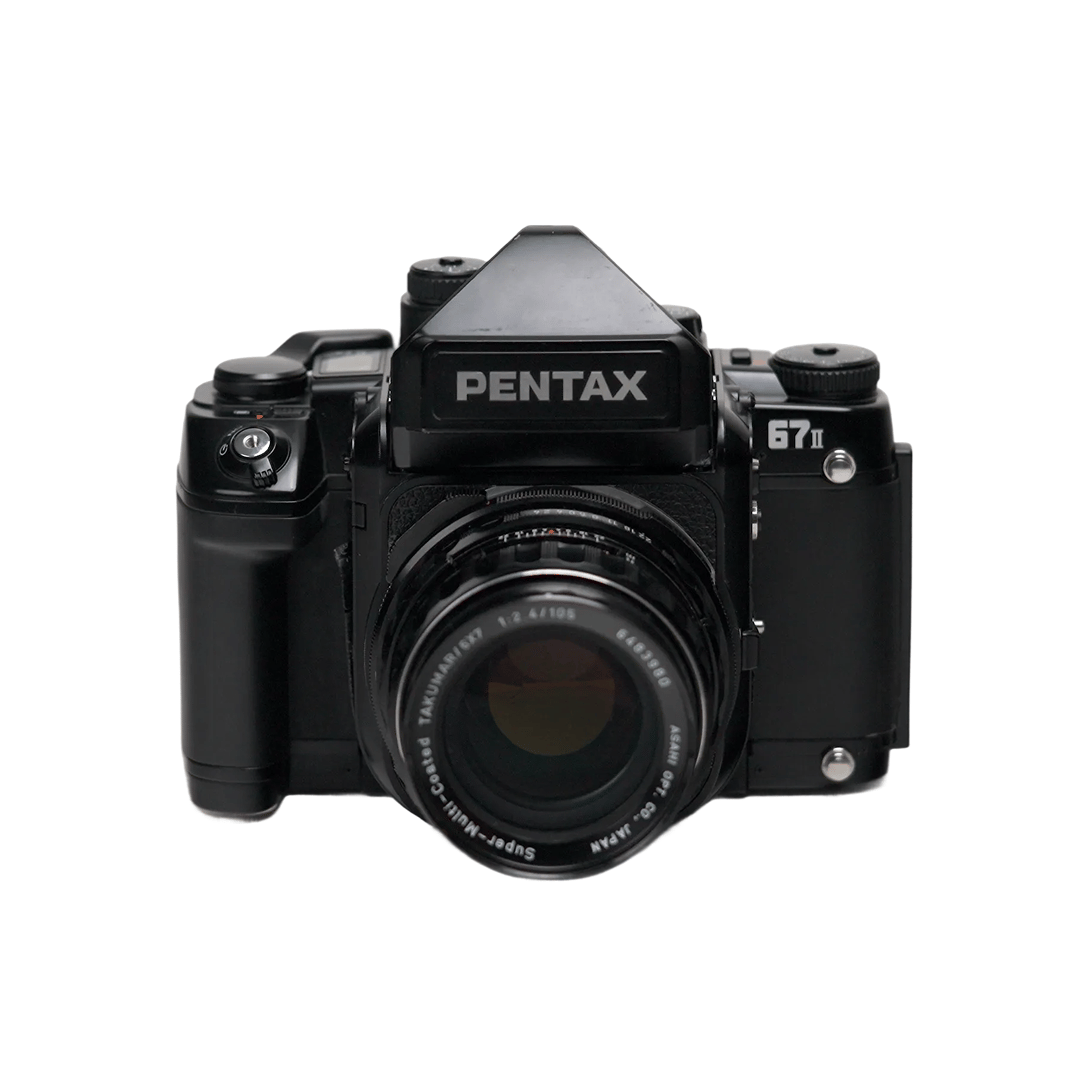
The Pentax 67II was the camera I relied on for years while developing my street portrait style. Jumping to medium format slowed everything down and made each frame intentional. There was no way to work without first engaging the person in front of me.
Carrying that camera into the street taught me how to approach strangers and connect with them before making a photograph. Before that, I was shooting wide-angle candid street photos. The Pentax shifted my view of portraiture from something taken to something shared—and that mindset still shapes my work today, from editorial assignments to 8×10 large-format portraits.
Jessica Whitaker (@jessicawhitaker)
Photographer, educator, and founder of Build and Bloom
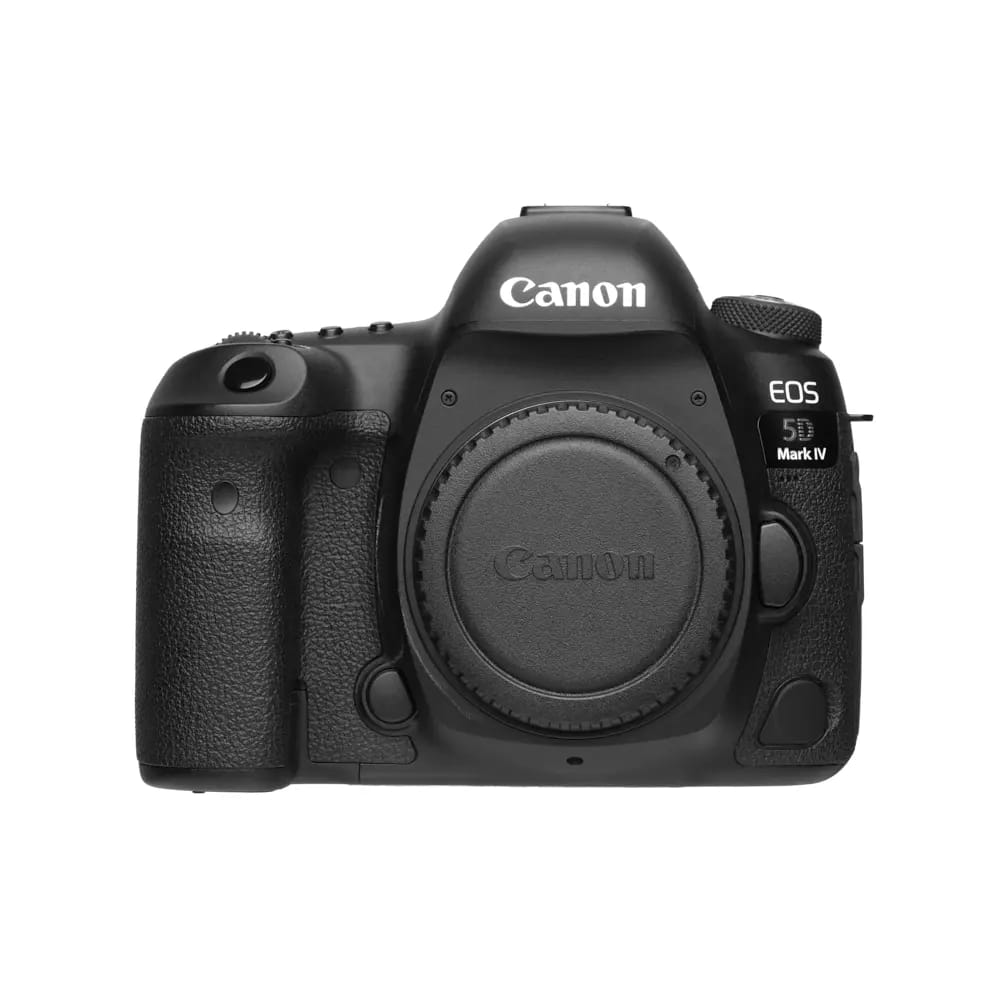
I grew up with very little, and one of the first professional cameras I ever owned was a Canon 5D Mark II my dad found at a pawn shop for $100. That camera made photography feel possible for me.
Years later, I transitioned to the Canon 5D Mark IV when I started creating more YouTube content and needed reliable autofocus for filming. Nearly a decade later, it’s still my primary camera. I love its durability—I don’t want to be precious with my gear. It’s traveled the world with me from Antarctica to Andorra to Alaska, and it’s proven that a camera can grow with you.
Caleigh Griffin (@caleigh.wears)
Fashion and lifestyle creator
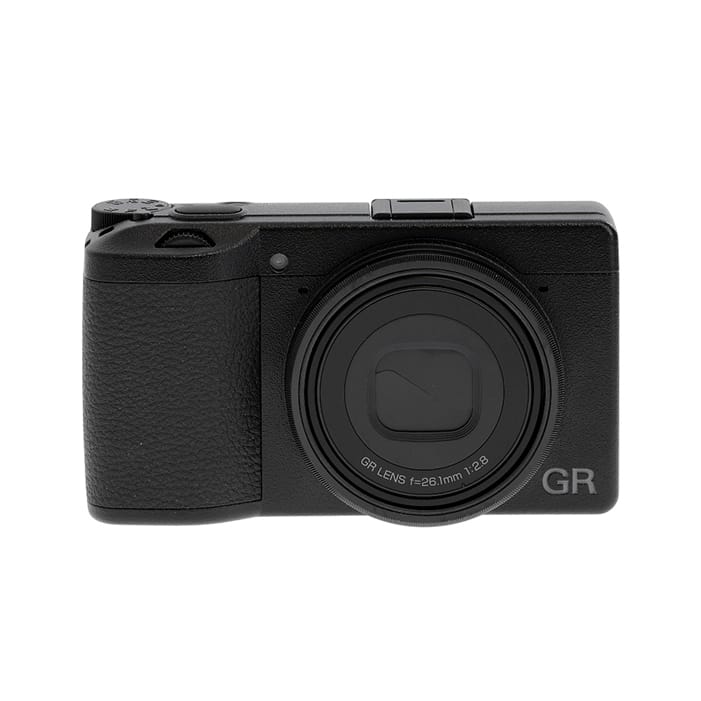
The camera that quietly changed everything for me was the Ricoh GR III. I’d owned plenty of cameras before, but I kept defaulting to my phone because it was easy and familiar.
One day I grabbed the GR instead and felt my way of seeing slow down. With its fixed 28mm lens and surprisingly good macro, it lets me get close without feeling intrusive. I can put my phone away and still capture moments with the quality, story, and texture I want. It’s the kind of camera that lives on your hip and slowly rewires how you notice the world.
Laura E. Partain (@lauraepartain)
Commercial, editorial, and music-industry photographer
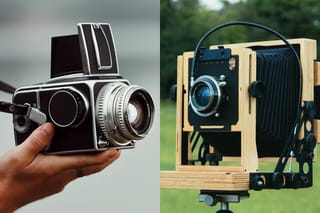
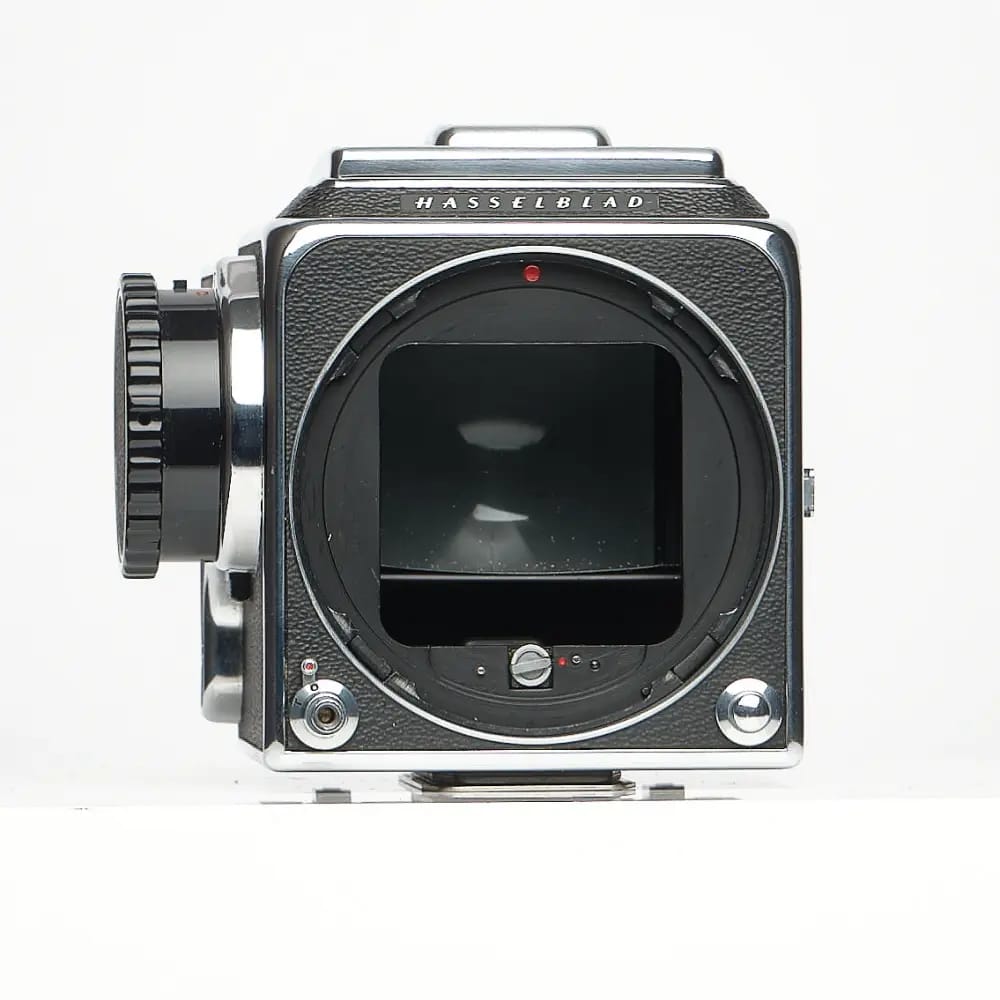
I first used the Hasselblad in college and was immediately drawn to the camera and lenses’ iconic image quality, along with the square format.
As I grew into my work within the music industry, the Hasselblad became my go-to when creating album artwork for musicians. Just as an album cover is square, so is the Hasselblad’s format, which makes it a perfect match when I’m creating album art. It’s a camera that naturally aligns with how the work is ultimately experienced.
Patrick Rogers (@patrickrogers)
Director of Photography, content creator, and educator
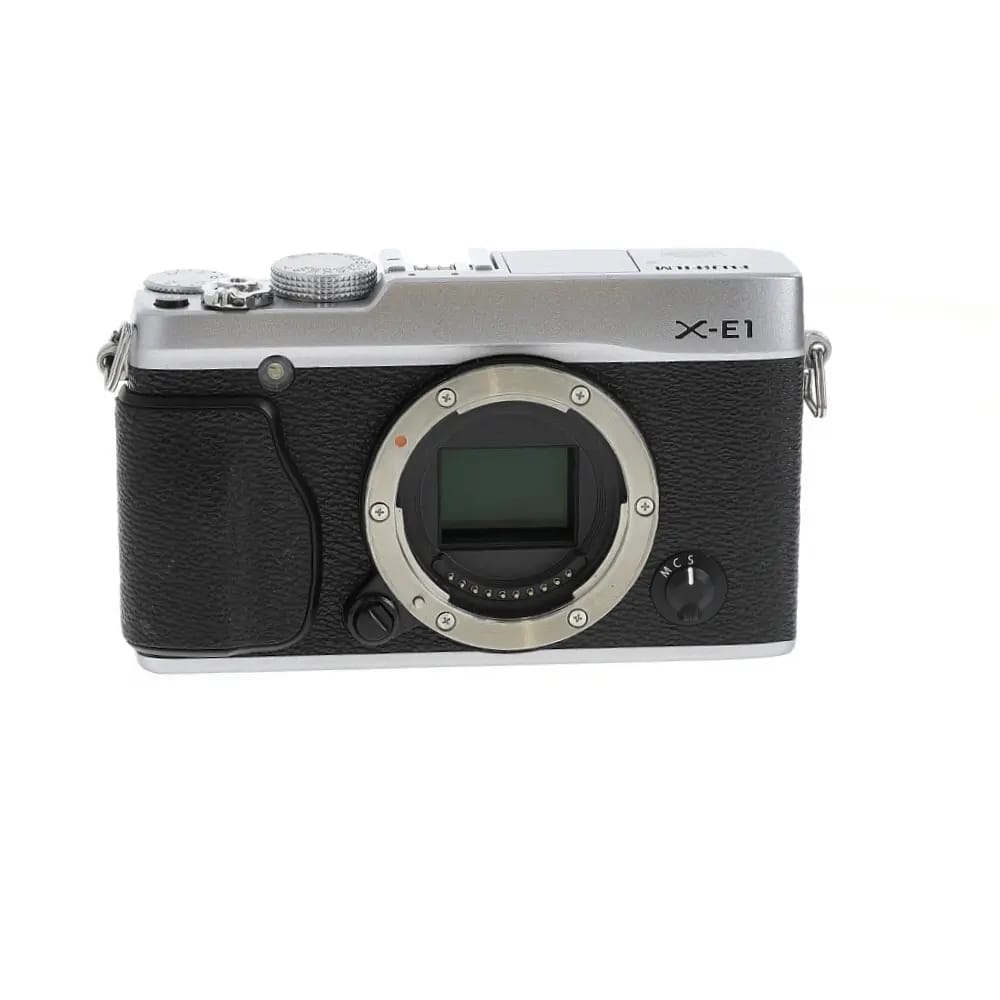
The camera that changed everything for me was the FUJIFILM X-E1. It was my first Fujifilm camera, and at the time I was also shooting Sony and Canon.
The X-E1 was the first camera that felt less like technology and more like an extension of my mind. The colors, style, and tactile feel made it easier to create what I was seeing in my head. That experience eventually led me to fully switch to Fujifilm, become one of their creators, and join a community that’s been incredibly meaningful to me.
Release dates or specs don’t define these cameras. They’re characterized by use, memory, and momentum. That’s what makes pre-owned gear so powerful—it already has a story, and it’s ready for the next one.
Explore KEH’s pre-owned cameras and find one that deserves a second look…because the right camera doesn’t just capture where you are, it helps shape where you’re headed.