You
have no items in your shopping cart.
Capture the Thrill: Winter Sports Photography Tips for Fast Action and Low Light Conditions
February 03, 2026
1 min read

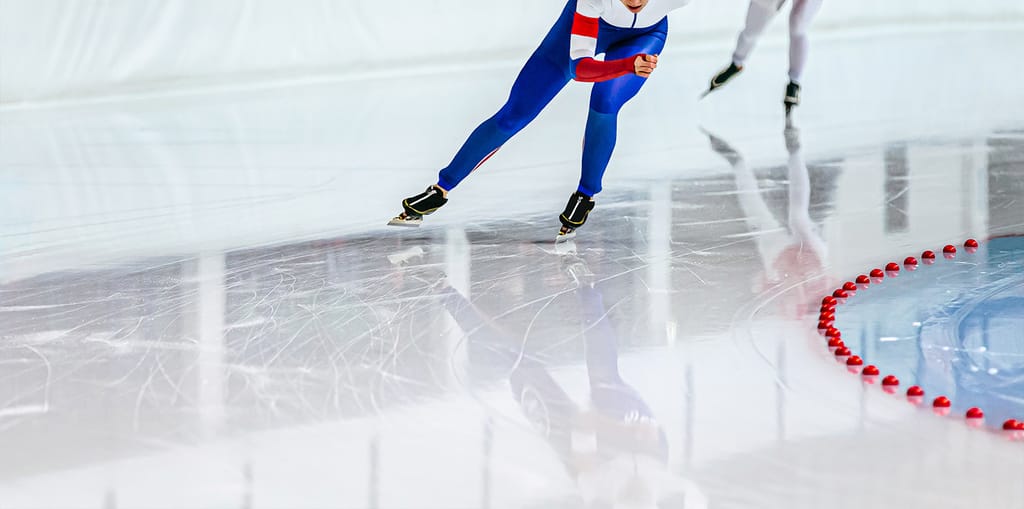
With the Winter Olympics just around the corner, winter sports photography is once again stepping into the spotlight. From iconic downhill ski runs to fast-paced ice hockey matchups, the world’s best athletes remind us just how dramatic, technical, and visually powerful winter sports can be.
Winter sports photography sits at the intersection of adrenaline, atmosphere, and endurance, both for the athletes in front of the lens and the photographer behind it. From downhill skiers cutting through powder at highway speeds to hockey players battling it out under dim arena lights, winter sports demand quick reflexes, technical confidence, and gear you can trust when temperatures drop.
Whether you’re shooting from the sidelines of a frozen rink or perched halfway down a mountain run, winter sports photography brings a distinct set of challenges. Cold weather tests your equipment. Low light pushes your camera’s limits. Fast action leaves no room for hesitation. The good news? With preparation, smart settings, and the right approach, you can come home with images that feel just as thrilling as the moment itself.
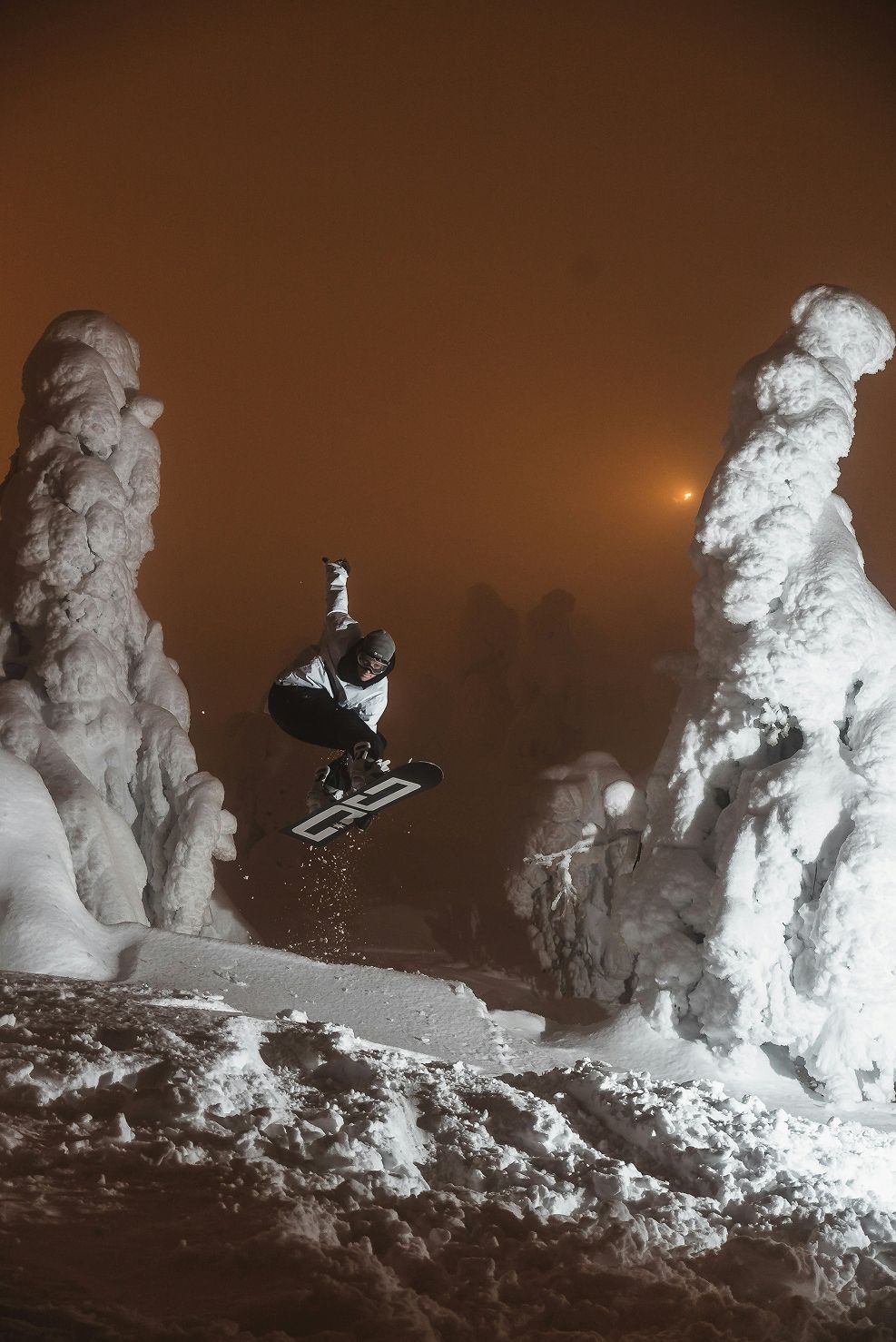
Before dialing in camera settings or upgrading gear, it’s worth understanding why winter sports photography behaves differently than other action genres. Cold temperatures, limited daylight, and reflective snow all influence how your camera performs and how your images turn out.
Winter conditions can be unforgiving on electronics and mechanical systems alike. Batteries drain faster in freezing temperatures, often losing power much faster than in warmer conditions. Carrying spares in an inner pocket close to your body can make the difference between finishing a shoot or packing it in early.
Mechanical shutters often perform more consistently than electronic shutters in extreme cold, though many modern mirrorless cameras are designed to handle winter conditions with ease. One of the biggest risks, however, comes after the shoot. Moving between freezing outdoor environments and warm indoor spaces can cause condensation to form inside your camera and lens. Allowing gear to acclimate gradually, by sealing it in a bag before heading indoors, helps prevent moisture-related damage.
Even on clear days, winter light can be deceptively challenging. Shorter daylight hours limit shooting windows, while overcast skies create flat, low-contrast scenes that challenge autofocus and exposure systems.
Snow adds another layer of complexity. Bright highlights paired with dark uniforms or shaded faces can trick your camera’s meter, often resulting in underexposed athletes. Learning to recognize and compensate for these conditions is essential for consistently strong winter sports images.
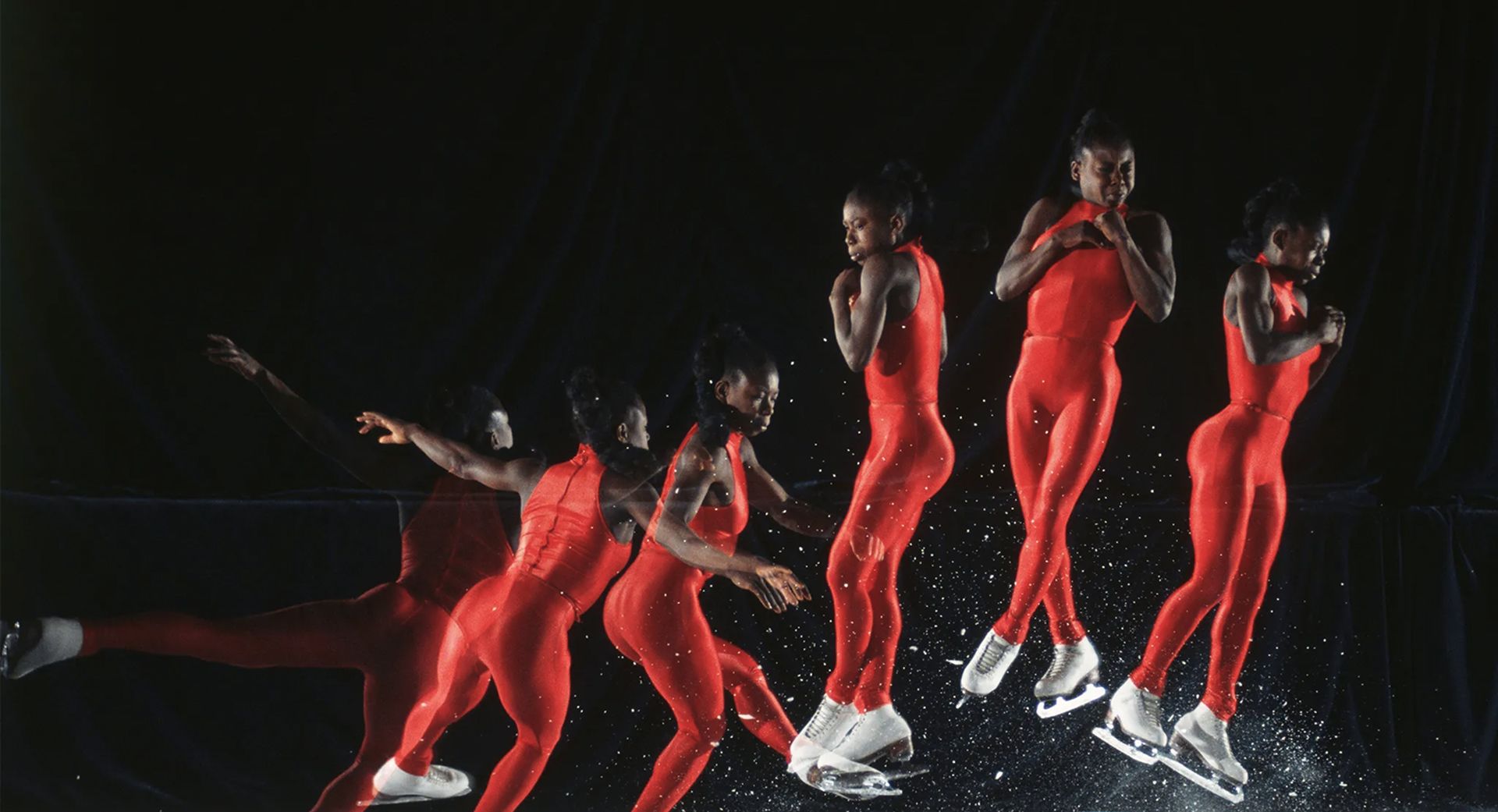
Olympic-level moments don’t require Olympic-level budgets, but they do demand dependable gear. Choosing equipment that can keep up with fast action and harsh conditions is key.
Weather sealing is one of the most valuable features for winter sports photography. Cameras designed to resist moisture and dust are better equipped to handle blowing snow, ice, and rapid temperature changes.
Both mirrorless cameras and DSLRs can perform well in cold conditions, though mirrorless models may experience faster battery drain due to electronic viewfinders. Autofocus performance is critical, especially for sports like skiing, snowboarding, and speed skating, where subjects move unpredictably at high speeds. Look for cameras with reliable subject tracking and strong continuous autofocus systems.
Winter sports photography often pushes photographers toward higher-end bodies with faster autofocus and better low-light performance. Choosing pre-owned cameras can make those upgrades far more accessible.
Professionally inspected pre-owned gear offers reliability without the premium price tag, making it easier to invest in weather-sealed bodies or performance-focused models. For photographers who shoot winter sports seasonally or are inspired by Olympic coverage to try something new, pre-owned gear can be an ideal entry point.
Telephoto zoom lenses are staples of winter sports photography, allowing you to capture distant action while maintaining flexibility as athletes move through the frame. Wide-aperture lenses are especially valuable in low-light conditions, helping keep shutter speeds fast without pushing ISO too far.
Image stabilization can be helpful, particularly when shooting handheld in cold conditions, though it’s no substitute for proper shutter speed when freezing fast motion.
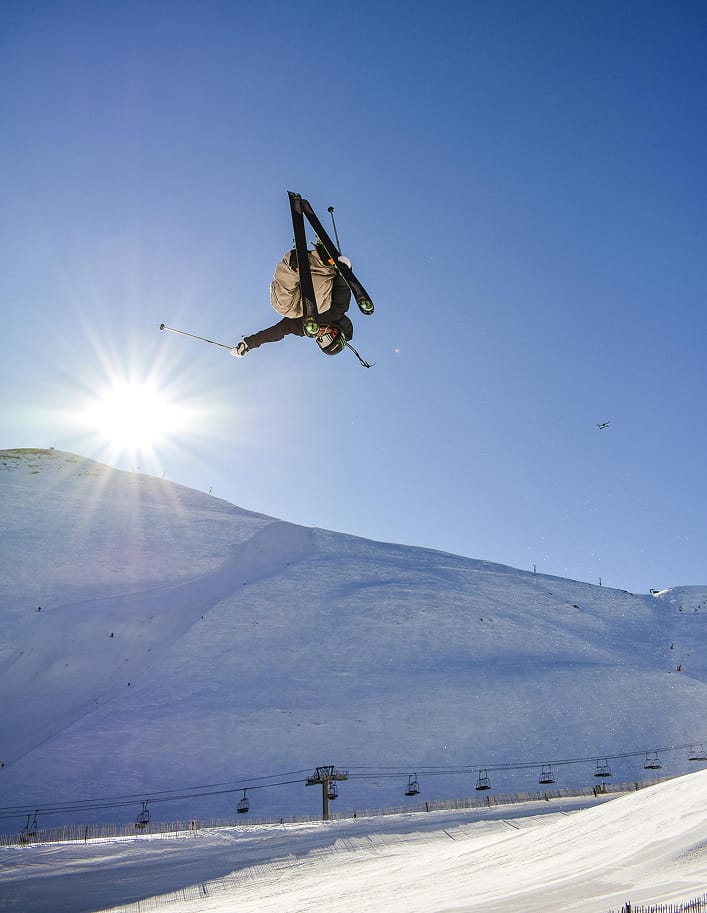
The difference between a sharp, dramatic image and a missed moment often comes down to camera settings, especially in winter environments.
Freezing motion is usually the goal in winter sports photography, but there’s room for creativity. High shutter speeds, often 1/1000s or faster, are ideal for skiing and snowboarding, while indoor sports like hockey may allow slightly slower speeds depending on movement.
For creative motion blur, slower shutter speeds can emphasize speed and direction, especially when panning with a moving subject.
Modern camera sensors handle higher ISO values better than ever, making it easier to prioritize exposure over noise. In winter sports photography, a slightly grainy image is almost always preferable to one that’s underexposed or blurred.
Don’t be afraid to raise the ISO to maintain fast shutter speeds, especially on overcast days or during indoor events.
Wider apertures help isolate athletes from busy backgrounds and keep shutter speeds high. Depth of field can be shallow at longer focal lengths, so balance aperture choices with your ability to keep fast-moving subjects in focus.
Beyond technical settings, strong winter sports images rely on anticipation and composition.
Anticipating where the action will happen is a hallmark of experienced sports photographers. Pre-focus on key zones, such as jump takeoffs or finish lines, and use continuous focus modes to track athletes as they move.
Burst mode increases your chances of capturing peak action, whether it’s a snowboarder mid-rotation or a hockey player winding up for a slap shot. Be mindful of buffer limits and memory card speed to avoid missing critical moments.
Snow spray, foreground elements, and environmental features can add depth and drama to winter sports images. Look for leading lines created by ski tracks, rink markings, or mountain contours to guide the viewer’s eye through the frame.
Great images aren’t worth damaged gear. Protecting your equipment ensures you’re ready for the next shoot.
Rain covers, protective filters, and weather-resistant bags help shield your gear from snow and moisture. Regularly wipe down equipment to prevent ice buildup and water intrusion.
Cold drains batteries quickly, so keep spares warm and rotate them as needed. During breaks, store cameras in insulated bags, and allow gear to acclimate slowly when transitioning indoors.
Inspired by the Winter Olympics and built for real-world conditions, these specific camera and lens picks are well-suited for fast action, low light, and cold-weather shooting. All are strong candidates for pre-owned shopping, where performance matters more than release dates.
Weather-Sealed Camera Bodies
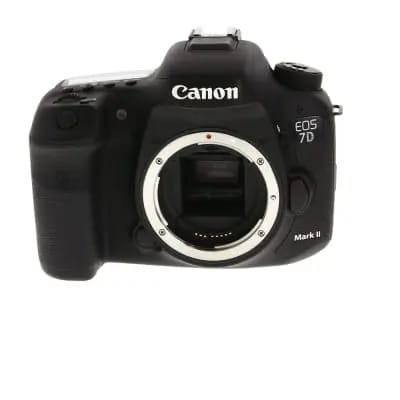
A long-time favorite for action shooters, this APS-C DSLR offers fast burst rates, dependable autofocus, and rugged build quality that holds up well in cold conditions.
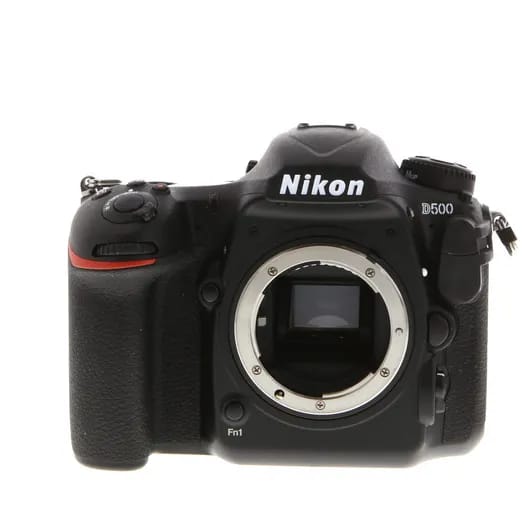
Known for its exceptional autofocus system and durability, the D500 remains a standout choice for winter sports thanks to its speed, weather sealing, and low-light performance.
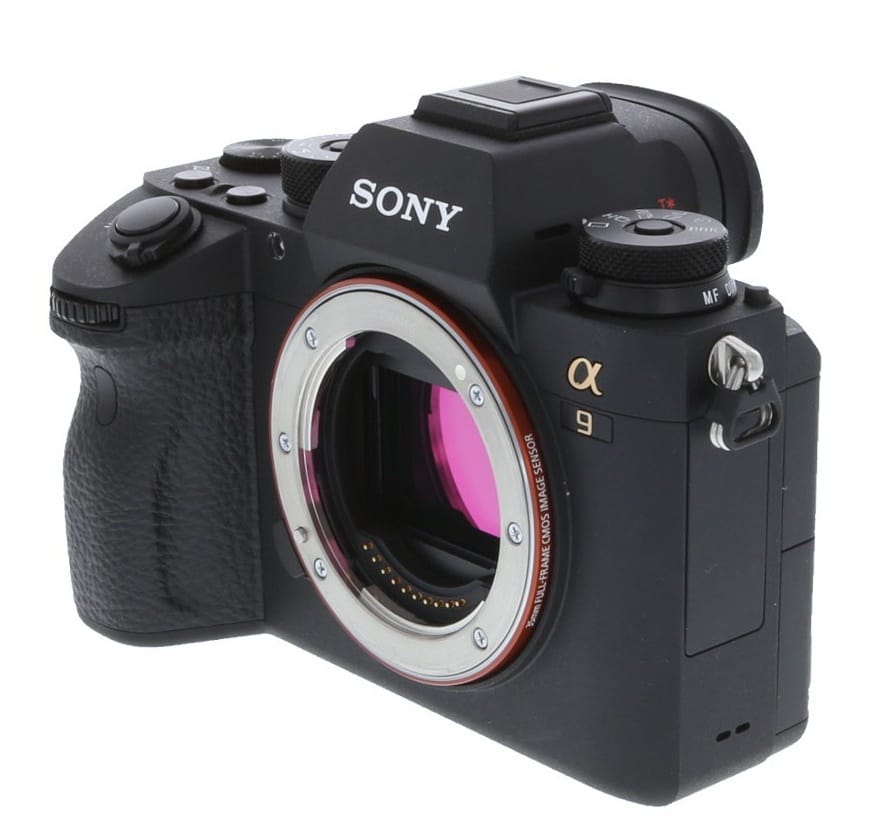
For photographers who want top-tier mirrorless performance, the a9 delivers blackout-free shooting, advanced subject tracking, and excellent results in fast, unpredictable environments.
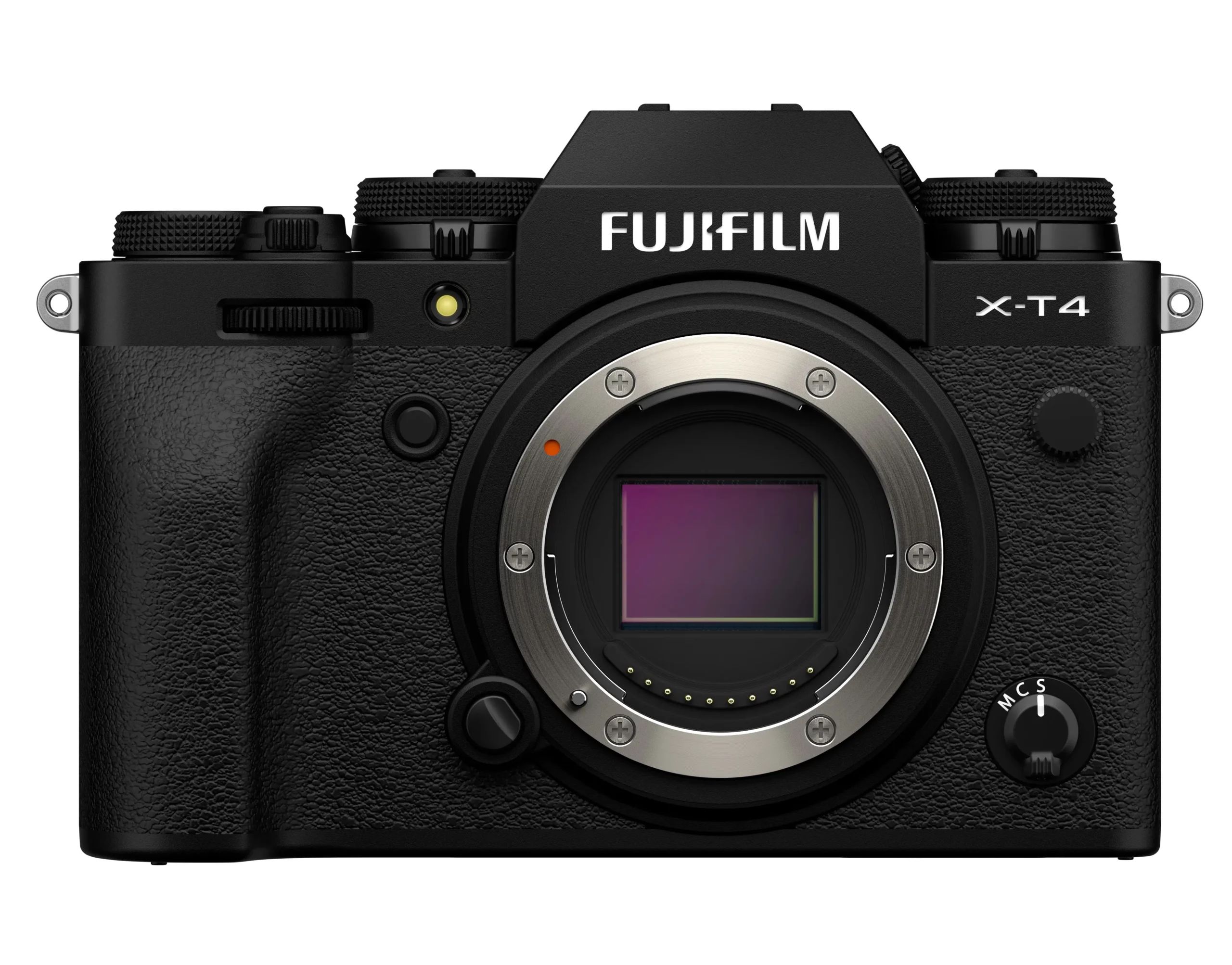
Compact but capable, the X-T4 offers strong weather sealing, fast continuous shooting, and reliable autofocus, making it a great option for outdoor winter events.
Telephoto Zoom Lenses for Action
Canon EF 70–200mm f/2.8L IS II USM – A staple for sports photography, this lens balances reach, sharpness, and a wide aperture for low-light performance.
Nikon AF-S 70–200mm f/2.8E FL ED VR – Well-suited for winter sports, this lens delivers fast focusing and excellent image stabilization, even in challenging conditions.
Sony FE 100–400mm f/4.5–5.6 GM OSS – Ideal for outdoor winter sports where distance matters, this lens provides flexibility without sacrificing sharpness.
Canon EF 85mm f/1.8 USM – A lightweight, affordable prime that performs well indoors and in low-light winter venues.
Nikon AF-S 85mm f/1.8G – Known for its sharpness and fast aperture, this lens is a solid choice for isolating athletes under challenging lighting.
Sony FE 135mm f/1.8 GM – Exceptional sharpness and subject separation make this a standout option for indoor winter sports and dramatic close-ups.
As the Winter Olympics approach, the excitement around winter sports is a reminder of how powerful these moments can be when captured well. Mastering winter sports photography comes down to preparation, practice, and understanding how your gear performs in cold, fast-moving, and low-light environments.
When you’re ready to take on winter conditions with confidence, dependable gear matters. Explore KEH Certified pre-owned cameras and lenses built to handle the cold, capture fast action, and keep you shooting all season long.