You
have no items in your shopping cart.
Is Your Camera Gear Worth Repairing or Is It Time for an Upgrade?
July 13, 2026
1 min read

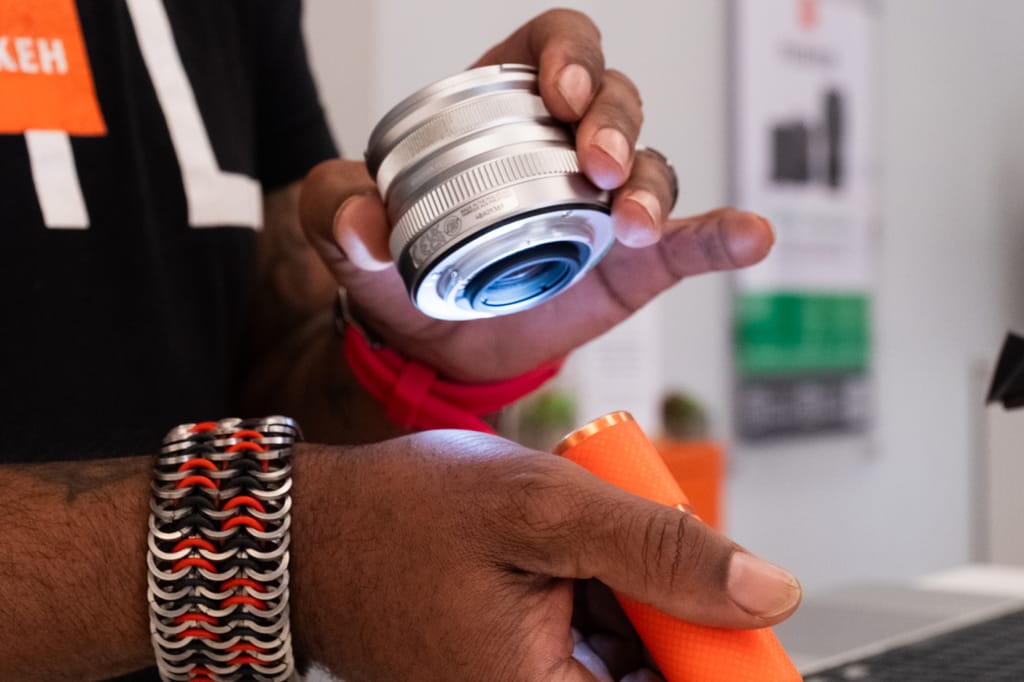
We have all been there. Your trusty camera body suddenly flashes a terrifying “ERR” code, your favorite portrait lens starts grinding during autofocus, or a button simply stops responding. The immediate question that pops into your head is a familiar one: Do I pay to get this fixed, or is it finally time to upgrade to a newer model?
Deciding whether your gear is worth repairing versus upgrading can feel like a gamble. Camera technology moves at lightning speed, and flashy new mirrorless releases are designed to give you major gear envy. However, making the right choice does not have to rely on guesswork or impulse. By evaluating a few financial rules, workflow needs, and long-term value, you can confidently navigate the classic repair-or-replace dilemma when weighing gear repair vs. upgrade.
Let’s start with the wallet. The first question most creators ask is, “Is it cheaper to fix it or buy a replacement?” On the surface, a repair usually has a lower immediate price tag than purchasing a brand-new camera or lens. But to make a truly informed decision, you need to look at the bigger picture.
A universally accepted benchmark for gear maintenance is the 50 percent rule. Simply put, if a repair costs more than 50% of the item’s current used-market value—or if the camera has significantly exceeded its expected shutter life—it is usually better to replace it.
To use this rule effectively, you have to look at current depreciation. Digital camera bodies lose value much faster than lenses. For example, a high-end DSLR body purchased for $2,000 five years ago might only be worth $500 today. If a complete shutter replacement costs you $300, that repair heavily violates the 50 percent rule. In this scenario, your money is likely better spent investing in a newer body.
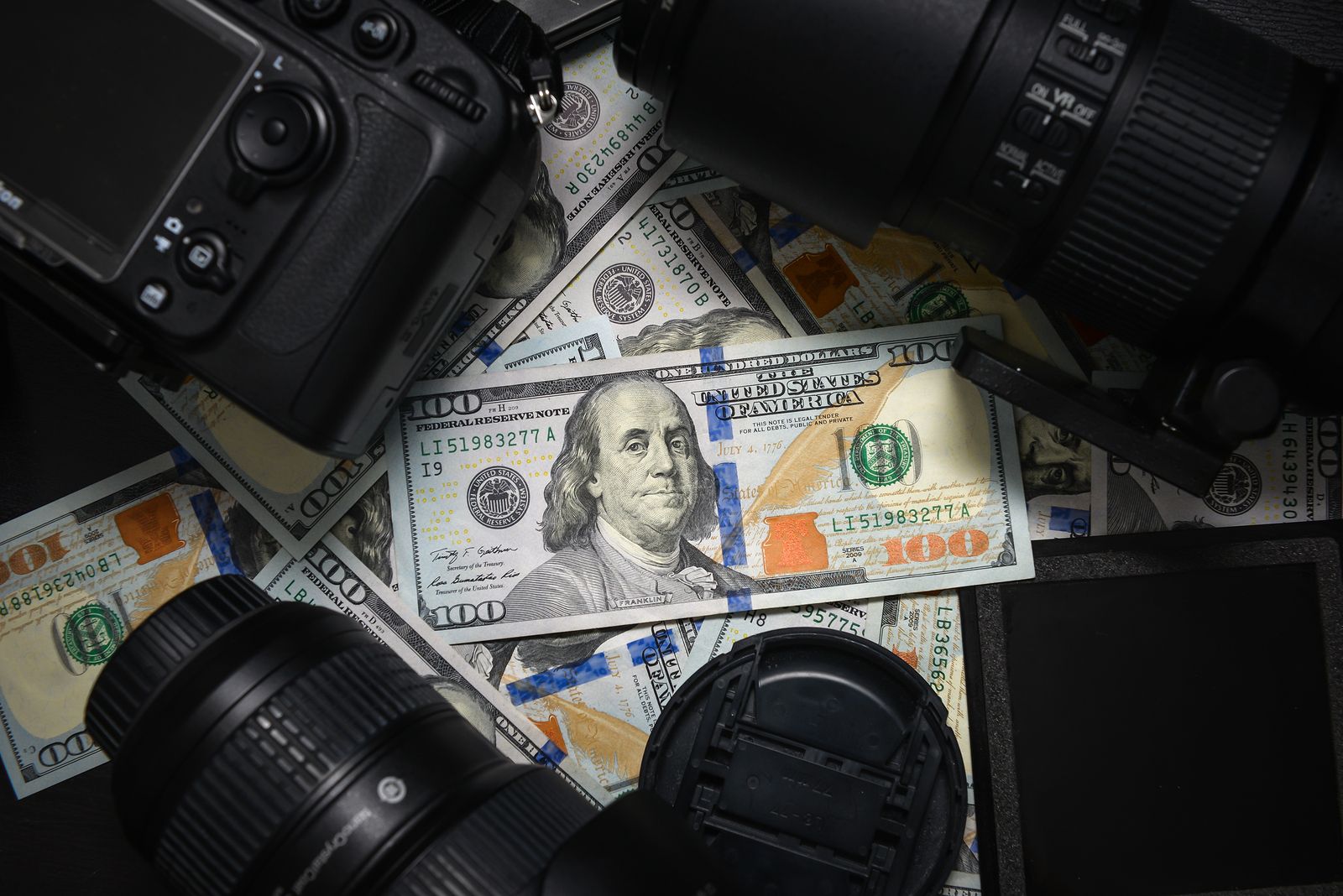
When crunching the numbers, it is vital to account for the hidden costs of switching your gear. Buying a new piece of equipment rarely stops at the camera body. You may also need to budget for:
Conversely, if you choose the repair route, factor in the time you will be without the gear. For working professionals or busy content creators, downtime without a primary camera equals lost income. Balance these costs against the potential benefits of upgrading to a modern system to decide whether the change is truly worth it.
Money is only one side of the coin; usability and image quality matter just as much. Knowing when to retire old equipment often comes down to whether the gear can still keep up with your creative vision.
Sometimes, the gear tells you it is time to move on. If your camera suffers from persistent sensor errors, a heavily scratched sensor glass, or if a lens is severely infected with internal fungus that has etched into the glass coatings, it may be practically impossible (or too expensive) to salvage.
Furthermore, you must evaluate performance bottlenecks. If your current camera maxes out at 1080p video but your clients are demanding 4K, simply fixing a broken dial on that old camera won’t magically give you the resolution you need to stay competitive.
Compatibility issues can force your hand, even if your physical device is in pristine condition. The massive industry shift from DSLR systems to mirrorless mounts is a perfect example. While you can often adapt old lenses to new bodies, older camera bodies eventually stop receiving critical firmware updates. Upgrading often brings massive benefits—such as mind-blowing eye autofocus tracking, in-body image stabilization, and vastly superior low-light performance—that easily justify the leap.
Looking to upgrade to mirrorless but don’t know where to start? This blog is for you.
Before you write off your current gear, you need to look at the repair logistics. While fixing a laptop battery yourself might be tempting, DIY camera repair is rarely a good idea. Modern lenses and camera bodies are incredibly complex, precision-calibrated optical instruments. A botched DIY attempt to clean a sensor or fix a sticky aperture blade can permanently ruin the gear, leaving you with zero residual value.
This is where leaning on experts is crucial. At KEH Camera, we don’t just buy and sell gear; our in-house technicians have manufacturer-approved repair capabilities. Only KEH has the confidence that comes from being the only reseller approved by manufacturers to repair and improve gear to their standards.
Learn more about our repair services.
Sometimes, the smartest choice is a hybrid approach. Generally speaking, a lens upgrade is often a better investment than a camera body. Upgrading your lenses rather than your camera body is a highly effective strategy. Swapping a basic kit lens for a sharp, fast f/2.8 zoom can breathe new life into an older camera body, delivering drastically better image quality for less than the cost of a new flagship camera.
Effective gear management requires looking ahead. If you decide to upgrade, your old gear doesn’t have to sit in a closet collecting dust.
Consider the trade-in value of your equipment. You can sell your older, functioning gear on the pre-owned market and use the proceeds to heavily subsidize your new purchase. A camera body that doesn’t have fast enough autofocus for your sports photography might be the perfect, affordable entry point for an amateur street photographer.
Finally, choosing what to do with your gear impacts the planet. Electronic waste is a massive global issue. By engaging in the circular economy—whether that means utilizing KEH’s certified repair services to keep your current camera shooting longer, or trading it in so someone else can use it—you reduce your carbon footprint and keep perfectly good technology out of landfills.
Sell or trade your camera gear with KEH.
Ultimately, deciding whether to breathe new life into your old camera or take the plunge on a modern mirrorless replacement requires balancing your budget, your creative needs, and the gear’s actual condition.
Start with the math: use the 50 percent rule and check the current used prices. Next, look at performance: if slow autofocus and older video specs are holding your content back, it is time to move on. But if a professional, certified repair can restore your favorite lens to full functionality, repairing is a win for both your wallet and the environment. Keeping this simple framework in mind will clarify any gear repair vs upgrade decision you face.
Question: What is the 50 Percent Rule and how do I apply it to repairs?
Short answer: If the repair estimate exceeds 50% of the item’s current used market value—or the camera has far surpassed its expected shutter life—it’s usually better to replace. To apply it: check today’s used price for your exact model, get a written repair quote, and compare. For example, if your body is worth $500 and a shutter replacement is $300 (60%), replacing makes more financial sense, especially since bodies depreciate faster than lenses.
Question: What hidden costs should I consider before upgrading?
Short answer: Beyond the sticker price, budget for ecosystem changes: new memory card formats (e.g., CFexpress), different batteries and chargers, and potential lens-mount adapters when moving from DSLR to mirrorless. Also consider the opportunity cost of repair downtime versus the productivity gains of an immediate upgrade—especially if you rely on your gear for income.
Question: What signs show my camera or lens is truly at the end of the line?
Short answer: Red flags include persistent sensor errors, heavily scratched sensor glass, and severe internal lens fungus that has etched coatings—issues that are often impractical or too costly to fix. Performance bottlenecks are another cue: if your work demands 4K but your camera tops out at 1080p, or its autofocus is too slow for your subjects, repairing minor faults won’t solve core capability gaps.
Question: How does the DSLR-to-mirrorless shift influence repair vs. replace?
Short answer: Compatibility and feature leaps can tip the scales toward upgrading. Older DSLR bodies may stop receiving critical firmware updates, while modern mirrorless systems offer major benefits—eye-detect AF, in-body stabilization, and markedly better low-light performance. If those gains remove real workflow limits, a replacement can out-value a repair even if the old body still functions.
Question: When is a professional repair the right move, and when is a lens upgrade smarter than a new body?
Short answer: Choose professional, manufacturer-certified repair when a fix can return your gear to factory spec without nearing the 50% threshold—complex optics and sensors demand trained technicians with the right tools and software (e.g., KEH’s certified services). If your body still meets your needs, upgrading lenses is often the highest-ROI path: a sharp, fast f/2.8 zoom can dramatically elevate image quality and extend an older camera’s useful life for less than a flagship body upgrade.