You
have no items in your shopping cart.
Why Everyone Suddenly Wants a Camera From 2008
September 28, 2026
1 min read

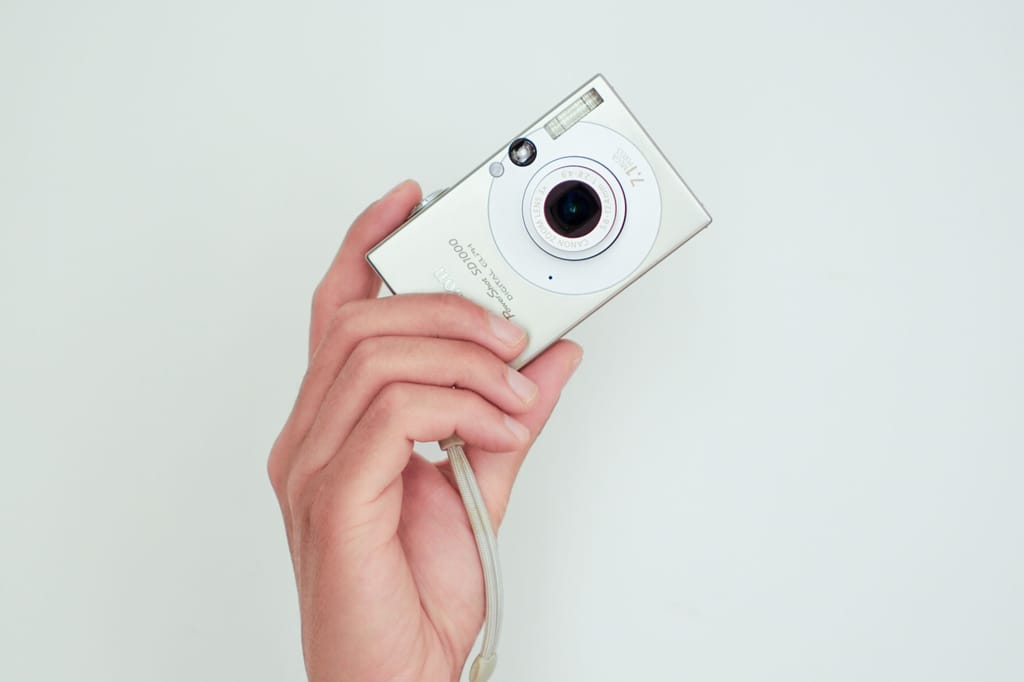
Your phone can sharpen a dark restaurant selfie, remove a stranger from the background, and make a sunset look like it was professionally lit. So why are people hunting down digital cameras from 2008 with tiny screens, slow zooms, and batteries that have seen better days?
Because sometimes, the imperfections are the point.
The Y2K camera trend is more than nostalgia. It is a reaction to the polished, predictable look of modern smartphone photography. Harsh flash, punchy color, visible noise, and slightly imperfect focus can make a photo feel immediate in a way that a perfectly processed image sometimes doesn’t.
“Y2K camera” has become shorthand for the compact digital-camera aesthetic associated with the 2000s and early 2010s. It isn’t a strict technical category, and plenty of the cameras trending today arrived well after Y2K itself. What they share is often a distinctive early-digital look, a compact form factor, built-in flash, and a shooting experience that feels very different from that of a modern smartphone.
And you don’t need to go back to 2008 to appreciate it. You just need to pick up a camera that shoots a little differently.
Old digital cameras are popular because they make images feel less processed and more connected to the moment. A compact digital camera from the late 2000s isn’t designed to automatically correct every shadow, smooth every detail, or make every image look polished. The result can be grainy, contrasty, slightly blown out, or just a little unexpected.
That’s part of the appeal.
The Y2K camera aesthetic also taps into a broader interest in the technology and visual culture of the 2000s. Gen Z may not remember transferring vacation photos to a family computer or uploading albums to MySpace, but they know the look: flash photography at parties, candid photos with friends, slightly overexposed selfies, and images that feel more like snapshots than carefully produced content.
In a world where nearly every photo can be edited before it leaves your phone, an older digital camera offers something different. You take the picture, see what you got, and move on.
The appeal of a 2008 digital camera isn’t that it is better than a modern smartphone. It is that it behaves differently enough to change how you shoot.
A phone encourages a familiar routine: take the picture, check it, retake it, edit it, and post it. A point-and-shoot gives you fewer decisions to make. You raise the camera, frame your subject on a small LCD, press the shutter, and keep moving.
That simplicity can be refreshing.
There’s also something satisfying about carrying a dedicated camera. It has one job: take pictures. You don’t have notifications competing for your attention, and you aren’t tempted to switch from the camera to another app between shots.
Of course, the photos can still end up on Instagram or TikTok. The difference is that the camera becomes part of the creative process rather than just another feature on a device you already carry.
Many popular digital cameras from the 2000s used CCD sensors, short for charge-coupled devices. CCDs convert light into electrical signals using a different architecture from CMOS sensors, which are now common in modern cameras and smartphones. CMOS technology generally offers advantages in speed and power efficiency, but CCD cameras have developed a following for the distinctive look associated with many older digital images.
The sensor itself isn’t the whole story, though.
Image processing, lens design, exposure, and the camera’s JPEG rendering all contribute to how an image looks. Many late-2000s compact cameras produced files with noticeable sharpening, punchy contrast, strong color, and visible noise. Combined with smaller sensors and limited dynamic range, those characteristics can create the look people now associate with a vintage digital camera.
That’s why it’s too simple to say that CCD cameras are automatically better. They’re different, and that difference is part of what photographers are after.
Then there’s the built-in flash.
Small, on-camera flashes can produce hard, direct light that brightens your subject while leaving the background comparatively dark. Faces can look brighter, shadows become more noticeable, and highlights can stand out. It’s not the soft, invisible fill that modern computational photography often tries to create. It’s direct, graphic, and unmistakably flash photography.
For Y2K photography, that’s often exactly the point.
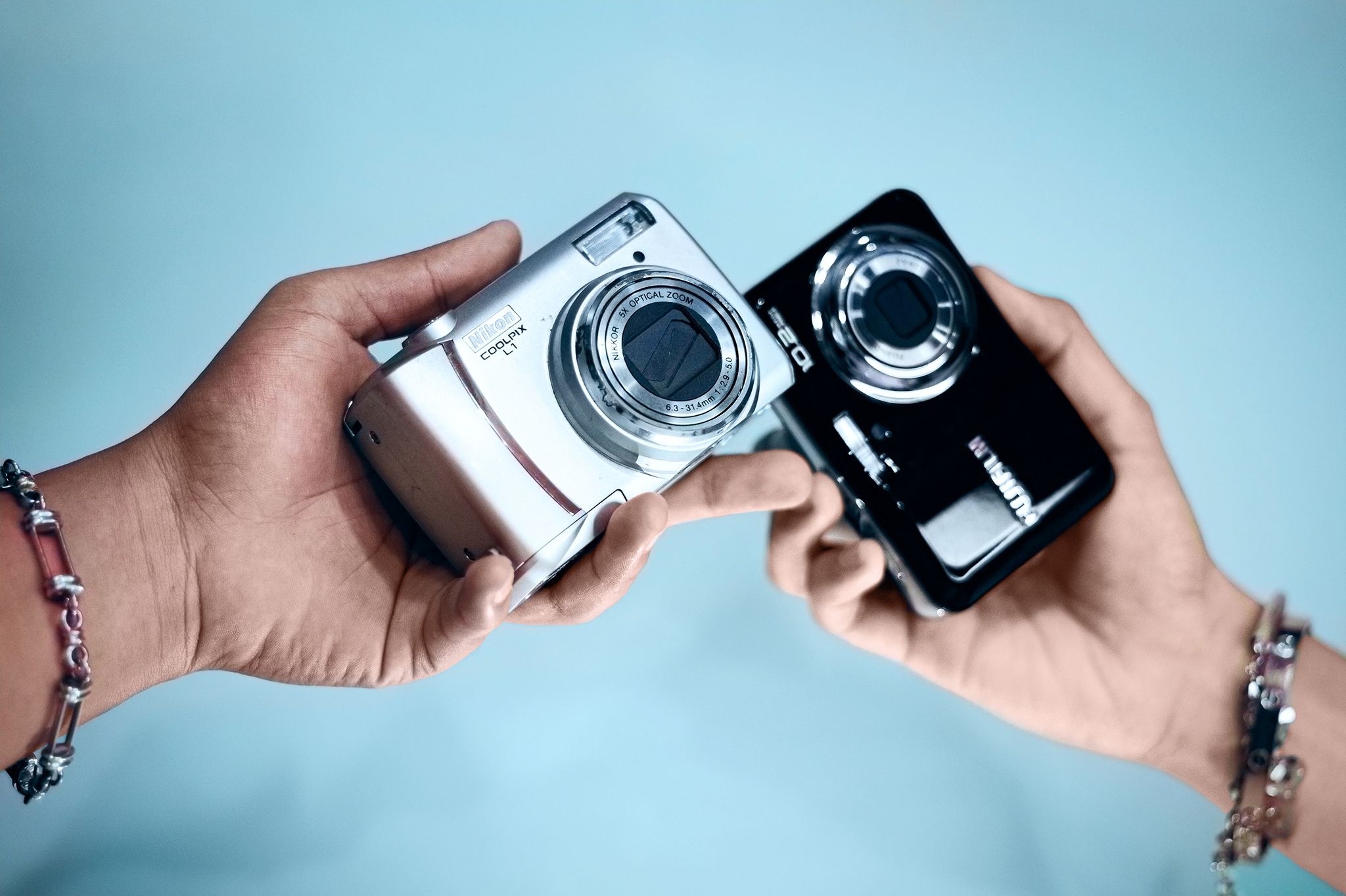
A good Y2K camera isn’t necessarily the rarest, most expensive, or most talked-about model online. The best digicam is one you’ll actually carry, charge, and use.
Pocket size can matter more than megapixels. A reliable flash can be more useful than a long list of shooting modes. And a camera that fits your budget and produces photos you like is a better choice than a hyped model that doesn’t suit the way you shoot.
When browsing for a Y2K digital camera, look for:
Explore our picks for KEH Certified™ Y2K Digicams
This isn’t a ranking of the best Y2K cameras. The fun is finding the camera that fits your shooting style.
Still, a few pre-owned digital cameras show just how much variety exists within the category. You can go tiny and simple, choose a more advanced compact, or opt for something a little outside the expected.
The Canon PowerShot SD1100 IS is the kind of camera that comes to mind when people talk about classic digicams. It’s compact, straightforward, and built around an 8-megapixel CCD sensor with a 3x optical zoom and optical image stabilization.
This is the pocket point-and-shoot lane: nights out, travel, everyday snapshots, mirror selfies, and casual portraits where the direct-flash look is part of the appeal.
It won’t give you the dynamic range or image-processing capabilities of a current smartphone, and that’s okay. If you’re looking for a dedicated camera that keeps things simple and gives your photos a distinctly early-digital feel, this kind of compact is a great place to start.
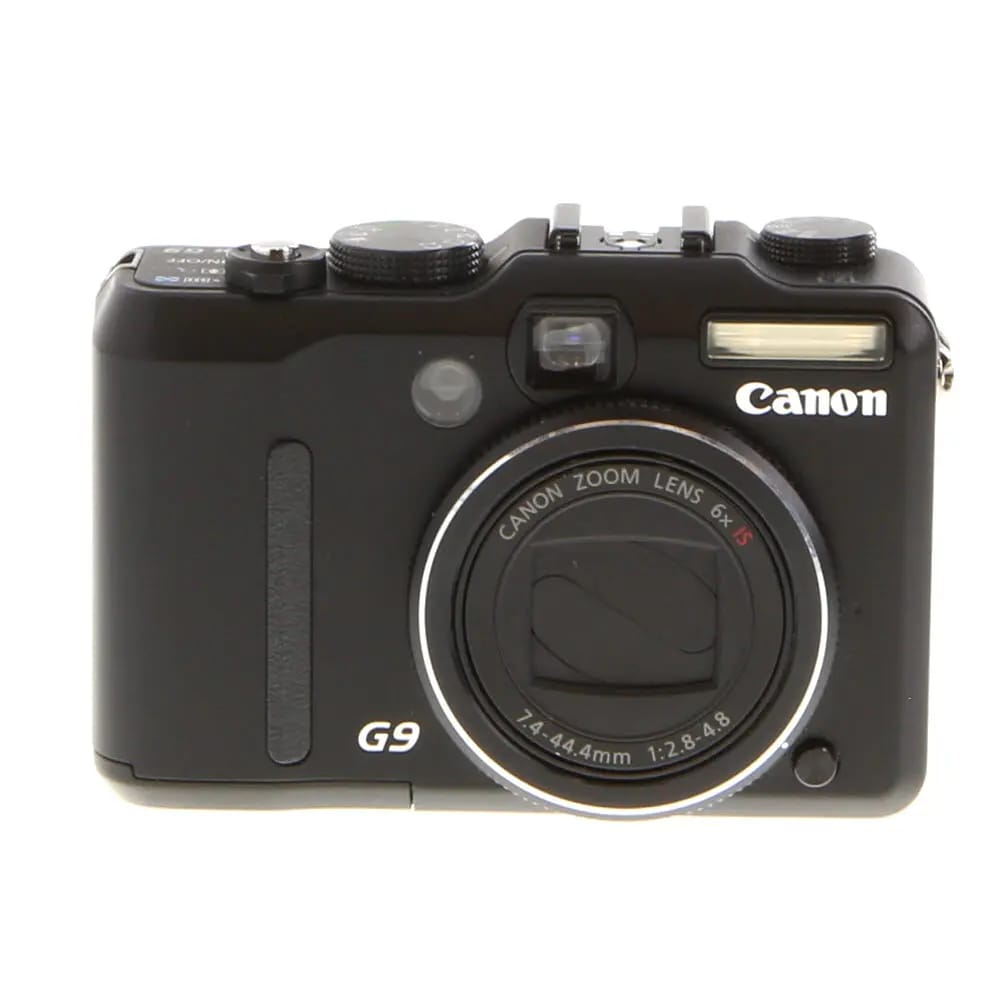
The Canon PowerShot G9 is a good option for photographers who want the vintage digital camera experience without giving up creative control.
The G9 features a 12MP 1/1.7-inch CCD sensor, RAW support, a hot shoe, and manual exposure options. That puts it in a different category from the smallest point-and-shoots, giving you more room to experiment while keeping the compact-camera form factor.
You can use the built-in flash, experiment with exposure, shoot RAW when you want more editing flexibility, or simply leave it in an automatic mode and start shooting.
Best for: photographers who want a vintage digital aesthetic with more control over the final image.
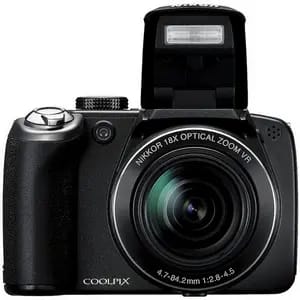
The Nikon Coolpix P80 is a good reminder that Y2K digital cameras weren’t all tiny silver rectangles.
This 10.1MP bridge camera combines point-and-shoot convenience with a substantial zoom range and manual controls. Its larger body makes it less pocket-friendly than a traditional compact, but that can also make it a fun choice for photographers who want more versatility.
Use it for travel, outdoor shooting, street details, or any situation where having extra reach is more important than keeping your camera as small as possible.
Best for: photographers who want a retro digital experience with a longer zoom and more physical controls.
Buying a 2000s digital camera isn’t complicated, but it does require a little more consideration than buying a current model. These cameras are old enough that condition can vary significantly, even between identical models.
Before you buy, check the basics.
The pre-owned market is where much of the Y2K digital camera trend lives. Most of the cameras people are searching for today were discontinued years ago, so finding one means looking beyond current retail shelves.
That’s also why condition matters.
A camera can power on and still have problems with its flash, lens, battery, buttons, or memory-card reader. When you’re shopping for older gear, knowing what you’re getting can make a big difference.
That’s where a camera specialist can help.
KEH inspects and grades pre-owned gear, so you have a clearer idea of what you’re buying. KEH Certified™ gear also comes with a 180-day warranty on covered purchases, giving you additional confidence when bringing older equipment back into your kit.
For a 2000s digital camera, that extra peace of mind can be especially useful. You’re still getting the character and quirks that make these cameras fun, but you don’t have to rely entirely on a random listing or hope that “tested” means more than “it turned on.”
Don’t buy a camera simply because it’s trending. Start with the photos you like and the way you actually want to shoot.
If you want direct flash and maximum portability, look for a small point-and-shoot. If you want more control, consider a higher-end compact. If you like the idea of a camera that’s a little different from what’s all over your feed, explore some of the less obvious options.
The right Y2K camera isn’t necessarily the one everyone else is looking for. It’s the one that makes you want to take pictures.
The reason everyone suddenly wants a camera from 2008 isn’t because 2008 secretly had better technology. It’s because those cameras offer something today’s devices don’t always prioritize: limitations.
They may miss focus. They may blow out a highlight. The flash may be unapologetically bright. And you may not know exactly what you got until you transfer the photos later.
But that’s part of the experience.
A Y2K digital camera doesn’t need to compete with your phone. It just needs to give you a reason to pick up a camera and start shooting.
Browse pre-owned digital cameras at KEH to find one that fits your style, your budget, and the way you want to photograph.
A Y2K camera generally refers to the compact digital-camera aesthetic associated with the 2000s and early 2010s. The term isn’t a strict technical category. It’s more about the era, design, shooting experience, and distinctive look associated with many early digital cameras.
Old digital cameras are popular because they produce photos that can feel candid, imperfect, and distinctly different from modern smartphone images. They’re also fun to carry and use, especially for casual photography with friends, travel, parties, and everyday moments.
Not necessarily. CCD and CMOS are different sensor technologies, and each has its own characteristics. The appeal of CCD cameras today is largely about the particular look associated with many older digital cameras, rather than a blanket claim that CCD is technically superior.
Look for a camera that fits your shooting style, budget, and desired aesthetic. Pay particular attention to battery condition, memory-card compatibility, flash functionality, lens condition, and overall working condition. A less hyped camera in good shape can be a better choice than a popular model with failing components.
If you’re looking for technically perfect images, a modern camera or smartphone will generally make things easier. But if you want a different photographic experience, a 2000s digital camera can be a lot of fun. The limitations are part of what makes it interesting.