You
have no items in your shopping cart.
Top Y2K Digicams And Point-And-Shoots To Buy In 2026
July 16, 2026
1 min read

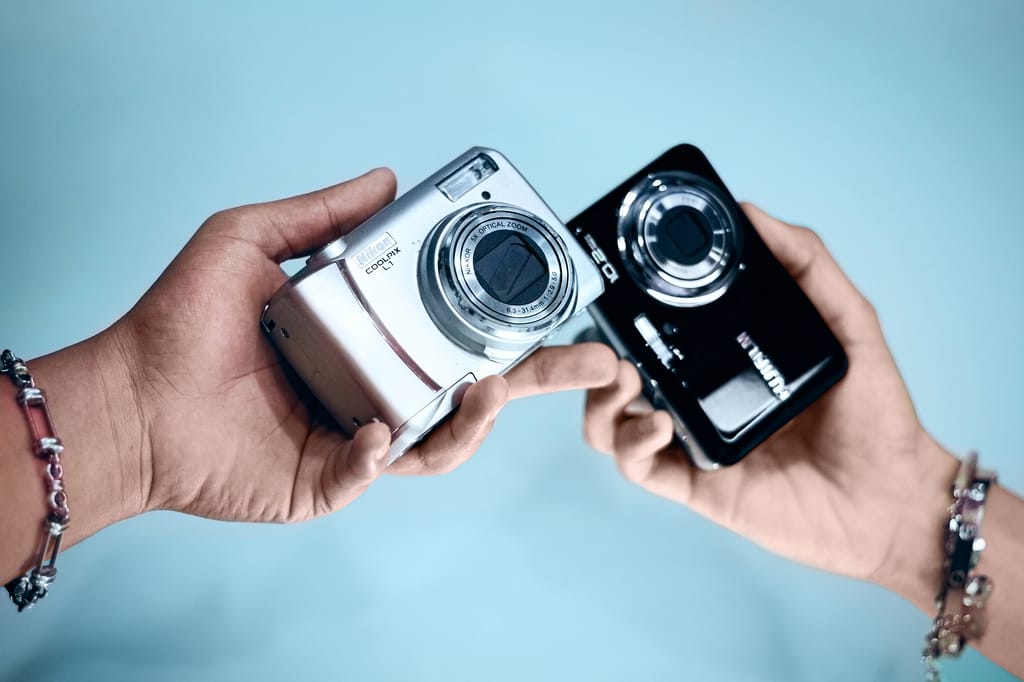
If you have scrolled through social media recently, you have likely noticed a striking shift in visual aesthetics. The ultra-sharp, computationally perfected images of modern smartphones are being replaced by slightly grainy, over-exposed, creatively flawed photographs. If you are wondering why vintage digital cameras are popular again, the answer lies in our collective craving for authenticity and nostalgia. We want our memories to look like memories, not commercial stock photos.
As retro tech collecting trends continue to surge, finding the perfect early 2000s hardware has become both an art and a treasure hunt. If you are looking to build out your collection, you need to know exactly which Y2K digicams and point-and-shoots to buy in 2026. This comprehensive guide will walk you through the top models to hunt for, how to maintain them, and how to seamlessly integrate them into your modern digital workflow.
Most of the cameras below are true compact Y2K digicams: pocket-friendly, flash-forward, and built for everyday carry.
If you want a reliable way to shop pre-owned, it is worth browsing KEH Certified™ Gear pre-owned digital cameras on KEH Camera, which is inspected and graded so you know what you are getting.
In an era of 200-megapixel smartphone sensors, stepping back to a 5-megapixel sensor might seem counterintuitive. However, the early-2000s low-megapixel charm offers something modern algorithms cannot replicate: a distinct, unpolished character.
When comparing a digital point-and-shoot camera to 35mm film cameras, the benefits of going digital become immediately clear. While analog film prices and development costs have skyrocketed, vintage digital cameras offer a similar nostalgic warmth without the recurring expenses. You get the thrill of the “point-and-shoot” experience, the delayed gratification of waiting to view the photos on a larger screen, and the unmistakable, raw look of early digital photography. It is all about achieving Y2K glow with original hardware rather than relying on artificial smartphone filters-a nod to Y2K tech.
When hunting for the perfect camera, the sensor type is just as important as the brand. Serious enthusiasts specifically look for the best CCD-sensor cameras for a film look. Unlike modern CMOS sensors that process light highly efficiently and accurately, older Charge-Coupled Device (CCD) sensors render colors with a rich, almost cinematic, organic quality that closely mimics analog film.
Here are 10 standout models to look for this year. Each camera name links to its listing results on KEH.com, so you can quickly check availability and pricing.
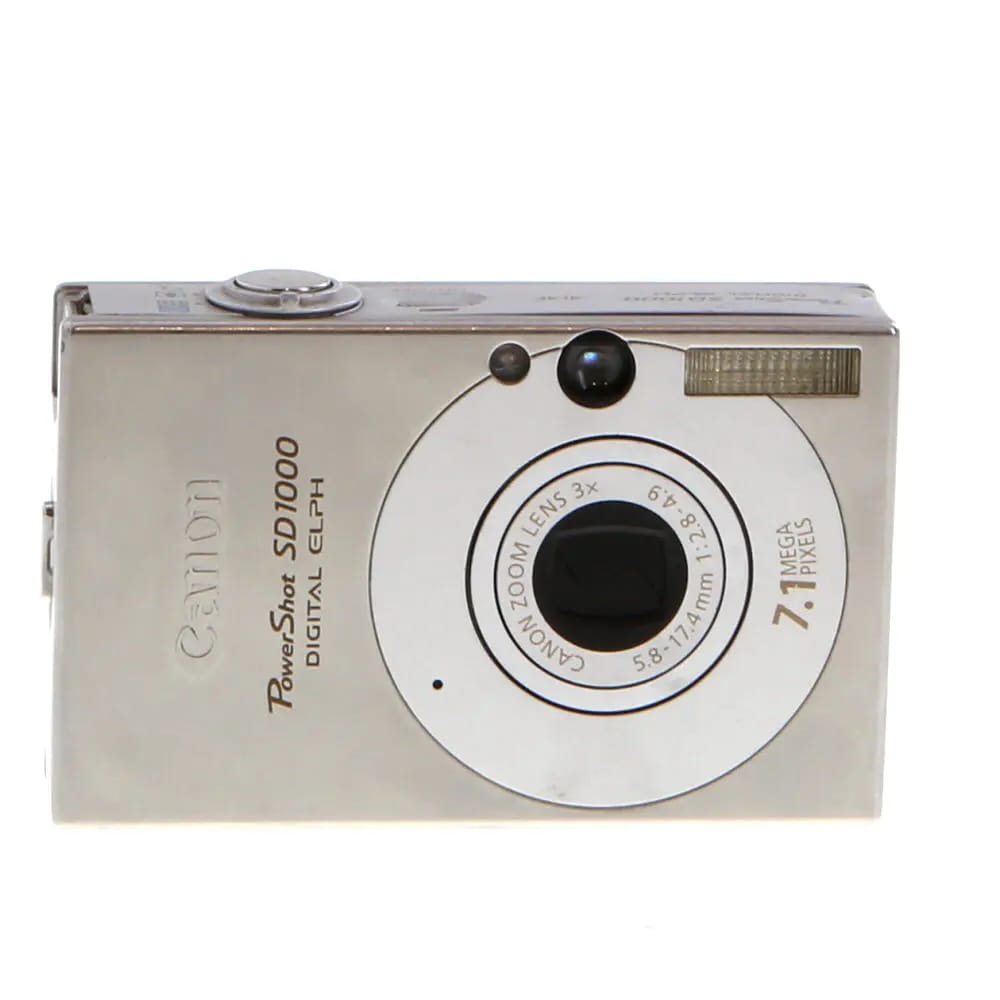
A true Y2K-era icon with a stainless-steel body and that classic Canon CCD warmth. It is compact, easy to use, and one of the most recognizable digicam looks online.
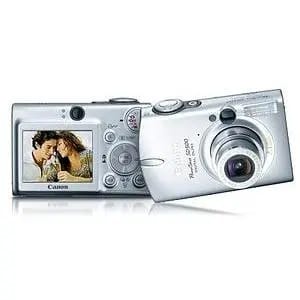
If you want the Canon point-and-shoot vibe in a slightly more premium-feeling package, the SD500 is a fan favorite for its colors and pocketable build.
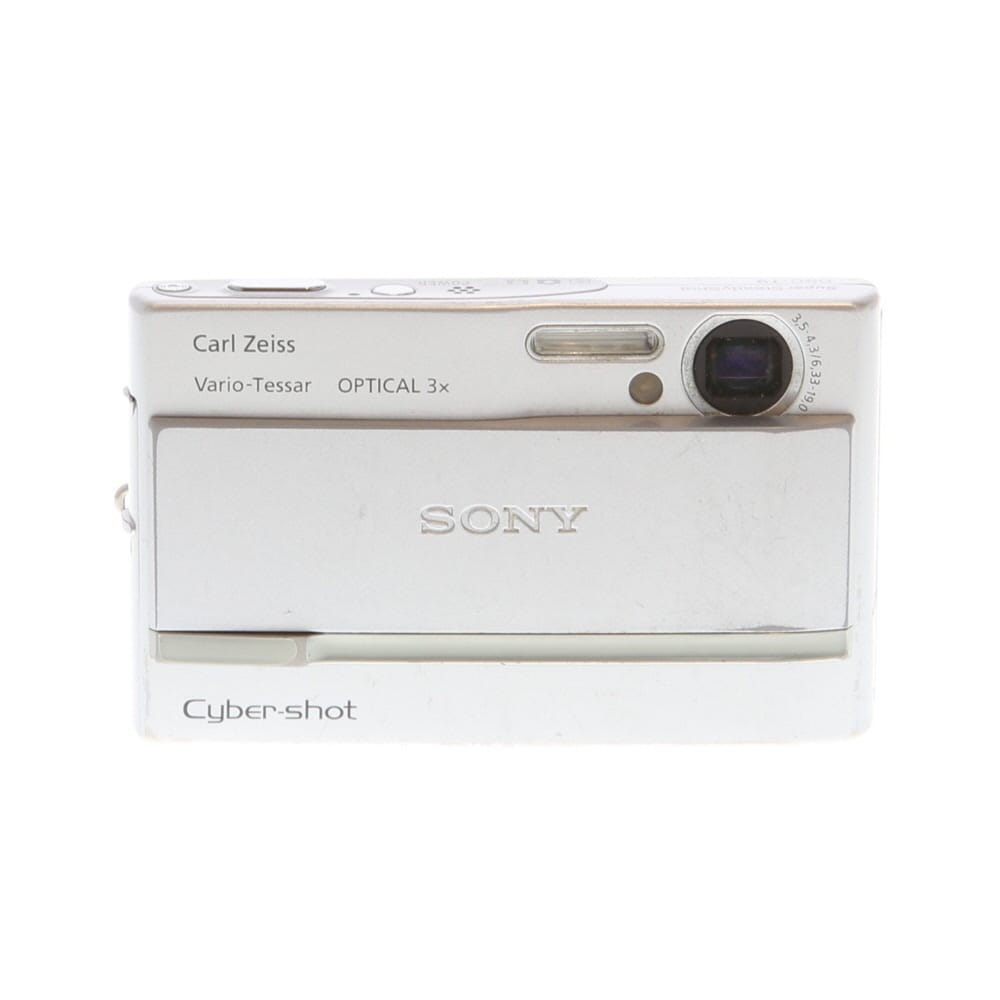
Sony’s slim T series with a sliding lens cover practically defines Y2K tech design. It is built for fast snapshots and flash-heavy nights out.
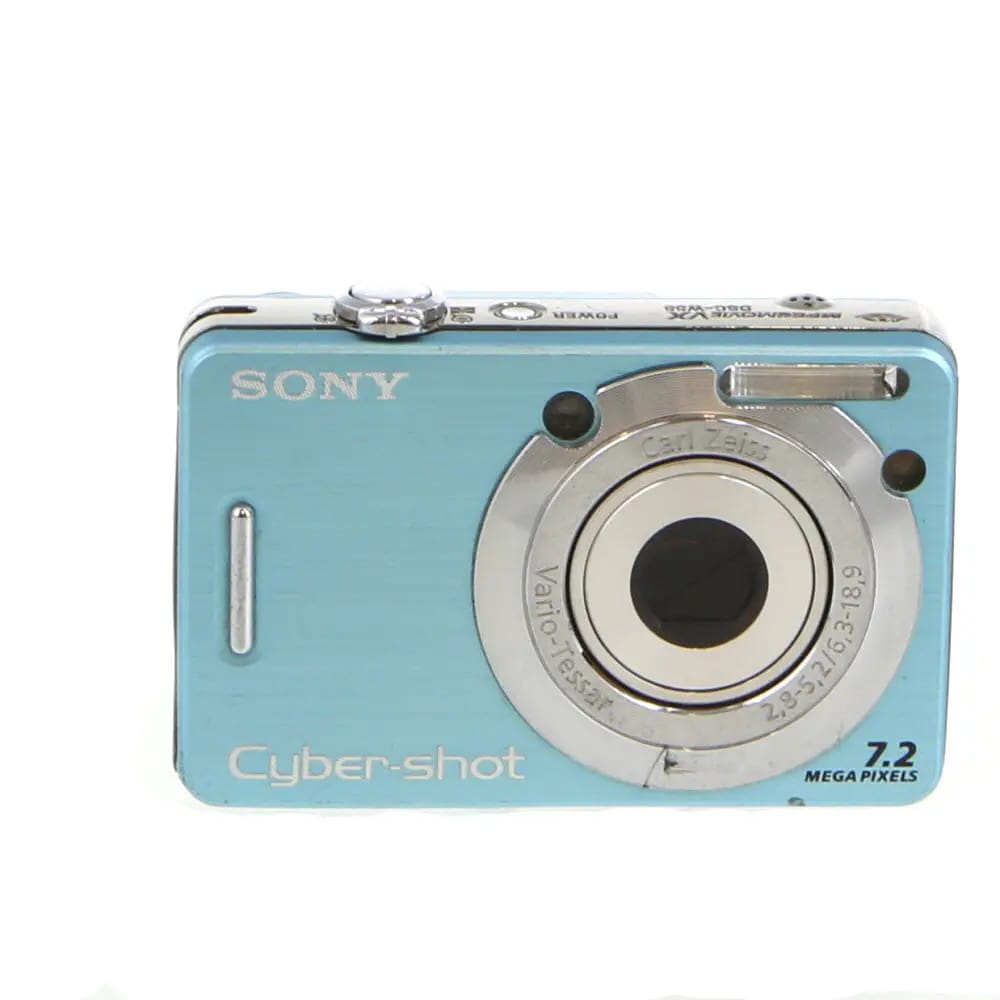
A more traditional-bodied Cyber-shot with a strong flash and the kind of crisp, slightly cool rendering that made Sony compacts so popular.
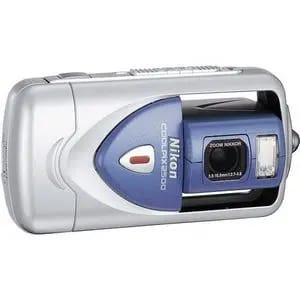
The swivel-body Coolpix is a conversation starter and a surprisingly capable shooter for its age, especially if you like close-ups and quirky ergonomics.
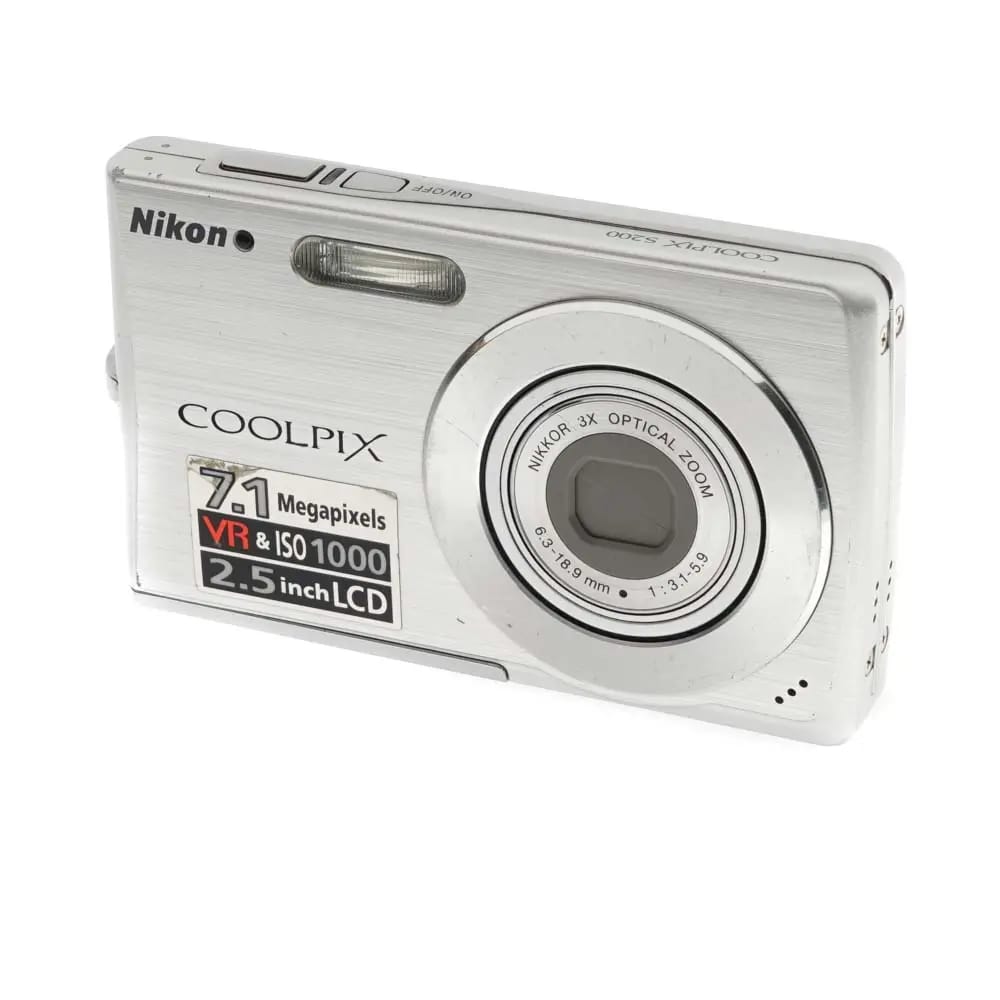
One of the most approachable Coolpix picks: slim, simple, and consistent. It is a great option if you want the vibe without the collector premium.
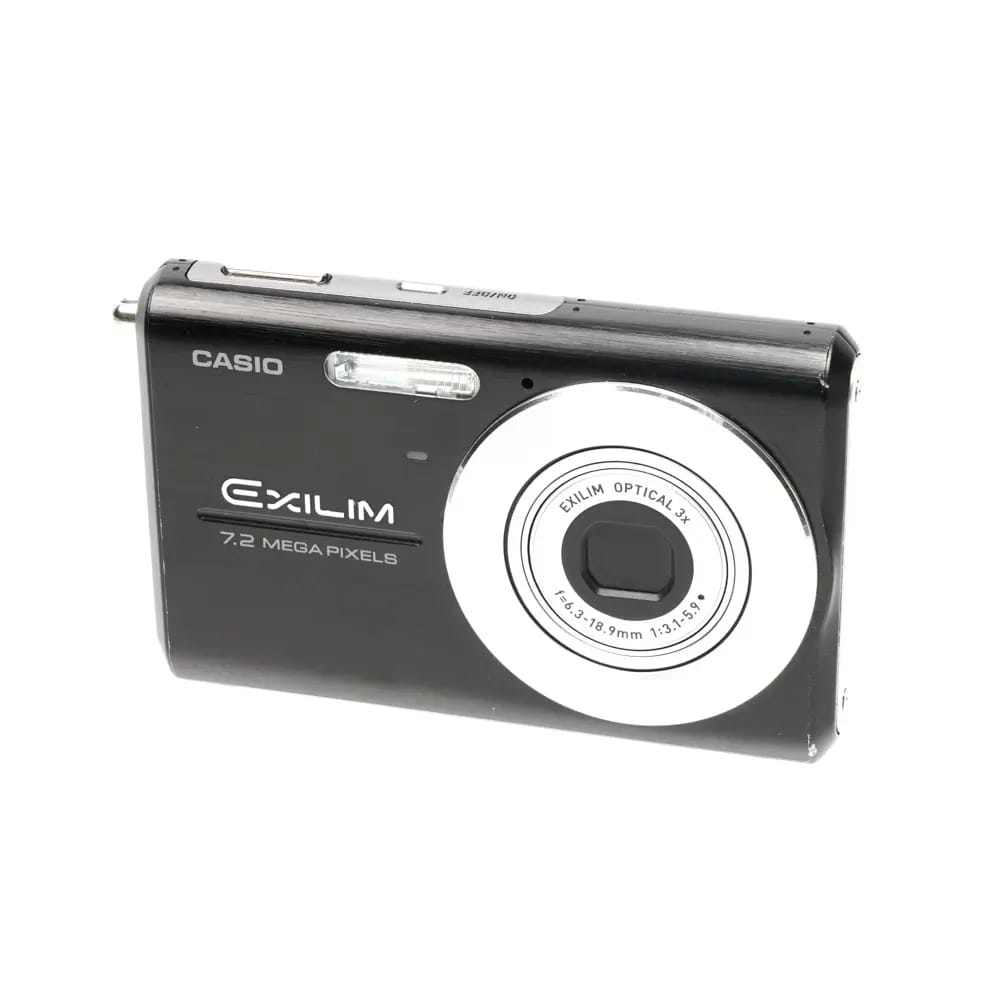
Casio’s Exilim line is a masterclass in early 2000s miniaturization. The EX-Z75 is small, quick to start, and ideal as a true everyday carry.
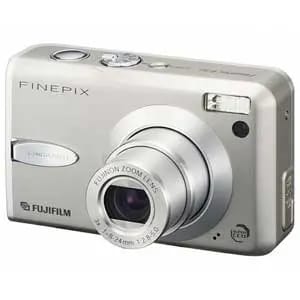
The FinePix F series is beloved for strong low-light performance for the era. If you want less smear and cleaner night shots, this is a smart hunt.
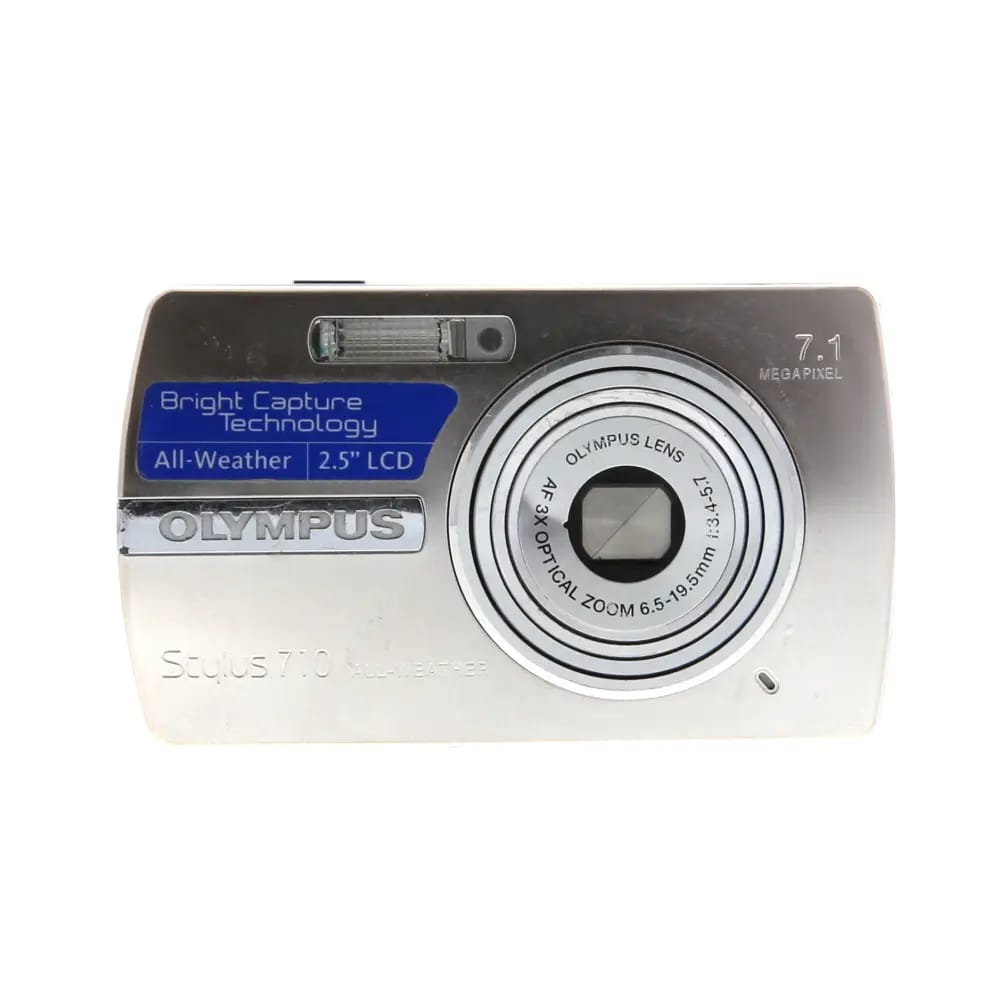
Olympus compacts are underrated for the Y2K aesthetic. The Stylus line often delivers pleasing color and a very direct, no-fuss shooting experience.
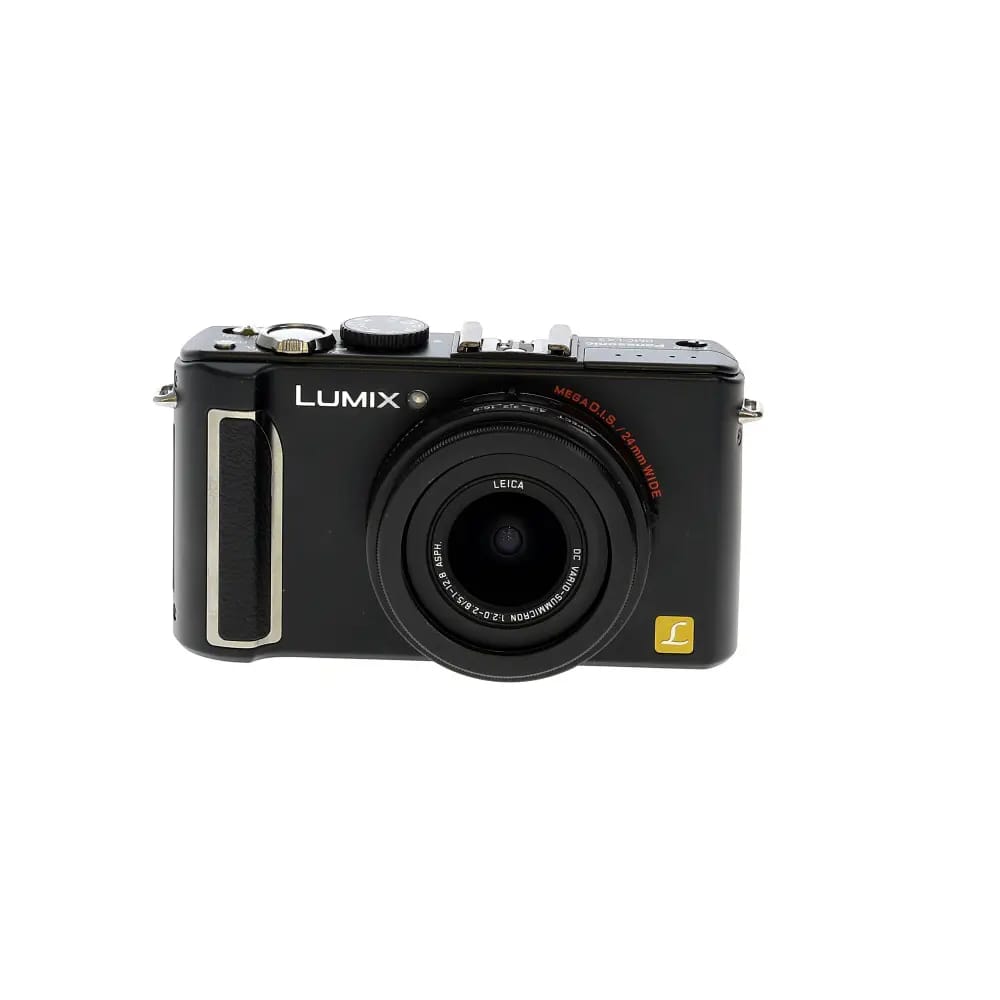
If you want a more enthusiast compact feel while still staying in the retro-digital lane, the LX line is popular for a reason: controls, lens, and a distinct output.
If you want a camera that is easier to live with than true early-2000s models (newer batteries, SD support, and generally faster performance) but still delivers that standalone-camera feel, the Canon G7X series is a popular choice.
Simply buying one of these Y2K digicams does not automatically guarantee great photos. To truly capture the magic, you need to understand how to operate them to their strengths:
Because these cameras are often two decades old, buying them requires a keen eye. If you are shopping pre-owned, choosing KEH Certified Gear is a simple way to reduce surprises, since items are inspected and graded before they are listed.
Before handing over your cash at a thrift store, flea market, or online auction, use this comprehensive used digital camera inspection checklist:
If you power on a Canon or Nikon and are greeted with a “Lens Error” message accompanied by three beeps, do not panic immediately. This usually means a grain of sand or dust is jamming the telescoping lens barrels. You can often fix this by gently vacuuming the gaps of the lens barrel with a soft brush attachment, or by sliding a thin piece of stiff paper around the barrel seams to dislodge the grit. Never forcefully pull or push the lens, as this will strip the fragile plastic gears.
Owning vintage digital cameras requires bridging the gap between 2000s hardware and 2026 workflows. Here is how to keep your retro Y2K tech running smoothly in the modern age.
The original lithium-ion batteries that came with these cameras are likely completely dead by now. Fortunately, finding replacement batteries for discontinued digicams is easier than ever. Look for reputable third-party battery manufacturers on Amazon or specialty camera stores. Brands like Wasabi Power or Kastar still manufacture fresh batteries for hundreds of legacy models.
Storage can be a headache if you do not know what you are looking for. While early Canons and Nikons generally use standard SD cards (though you must buy cards under 2GB, as older cameras cannot read modern high-capacity SDXC cards), Sony models are notoriously proprietary.
Navigating Memory Stick Duo and SD card compatibility is vital for Sony fans. Original Memory Stick PRO Duo cards are expensive and rare. The best workaround is buying a “MicroSD to Memory Stick PRO Duo adapter.” This allows you to use a cheap, low-capacity MicroSD card inside your vintage Cyber-shot without any formatting errors.
You have taken amazing photos, but how do you get them onto Instagram or TikTok? Forget about trying to find the original, proprietary USB cables. Learning how to transfer photos from vintage digital cameras and y2k digicams to phone is the most important skill for a modern retro-shooter.
The most efficient method is using a direct SD-to-Smartphone adapter.
Simply pop the memory card out of your camera, insert it into the dongle, and plug it into your phone. Your phone’s native photos app will automatically detect the external drive, allowing you to import your uncompressed, straight-out-of-camera files in seconds.
The resurgence of early digital photography is much more than a fleeting internet trend; it is a conscious rejection of sterile, AI-enhanced perfection. By hunting down the right Y2K digicams and point-and-shoots to buy in 2026, you are investing in a tool that forces you to be present, have fun, and embrace the beautiful imperfections of the moment.
Whether you opt for the warm glow of a Canon PowerShot, the ultra-sleek design of a Casio Exilim, or the high-contrast flash of a Sony Cyber-shot, the joy of vintage digital photography lies in the process. And if you would rather skip the uncertainty of random listings, checking KEH Camera for pre-owned digicams (especially KEH Certified Gear) is an easy way to shop with more confidence.
Question: Why pick a Y2K digicam over shooting film or using a modern smartphone?
Short answer: Early-2000s digital point-and-shoots and Y2K digicams deliver a nostalgic, unpolished look, especially from CCD sensors, that modern phones struggle to replicate. Compared with 35mm film, they provide similar warmth and character without ongoing film and lab costs. You still get the tactile point-and-shoot experience and even a bit of delayed gratification by reviewing on a bigger screen later. Most importantly, you’re creating the Y2K glow with original hardware, not simulated filters, which taps into today’s appetite for authenticity and the broader appeal of vintage digital cameras.
Question: Which models should I hunt for in 2026, and how do I choose based on the aesthetic I want?
Short answer: Start with a shortlist, then match the vibe to the model:
Question: Which models are best for night, clubs, or low-light shooting?
Short answer: For the classic flash-heavy, after-dark look, grab a Sony Cyber-shot DSC-T9 (or W55) for punchy contrast and strong direct flash. If you want cleaner low-light files with less smear while still reading vintage, the Fujifilm FinePix F30 is the standout from the list. Canons like the SD1000/SD500 deliver warm, flattering flash for indoor people shots.
Question: What storage cards should I buy so these older cameras just work?
Short answer:
Question: Are these truly pocketable-what makes a great everyday carry from the list?
Short answer: Yes-most picks are true compact digicams built for everyday carry. Especially pocket-friendly options include the Sony Cyber-shot DSC-T9 (super-slim with a sliding cover), Casio Exilim EX-Z75 (tiny and quick to start), Nikon Coolpix S200 (slim and simple), and the Canon PowerShot SD1000 (compact with a classic stainless-steel body).
Question: Why do enthusiasts chase CCD sensors for the film look?
Short answer: Older CCD sensors render color with a rich, cinematic, organic quality that feels closer to analog film, unlike modern CMOS sensors that tend to prioritize accuracy and efficiency. That’s why many serious collectors target CCD-based compacts from the early 2000s-the models in this guide are highlighted specifically for that character.
Question: What should I check when buying used, and can I fix common Lens Error issues?
Short answer:
Question: What if I want something newer than true Y2K compact digicams?
Short answer: Consider the Canon PowerShot G7 X line as a modern compact digicam alternative that is usually simpler to run day-to-day.