You
have no items in your shopping cart.
Pentax 17 Review: The Half-Frame Film Camera Worth Talking About
June 21, 2026
1 min read

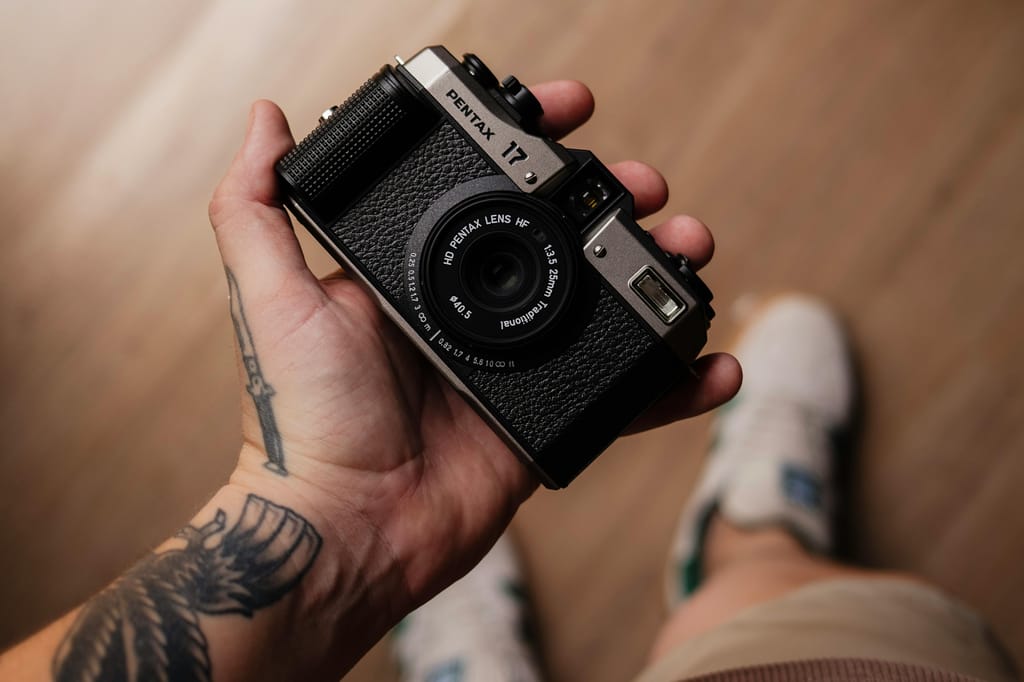
For the first time in over two decades, a major camera manufacturer has released a brand-new, built-from-scratch 35mm film camera. The Pentax 17 is that camera, and it’s not a novelty. It’s a serious photographic tool designed for shooters who want the tactile experience of film without sacrificing reliability or image quality.
Before diving into the Pentax 17, here’s what you’ll learn in this review:
The Pentax 17 shoots 18×24mm frames—half the size of a standard 35mm frame—giving you 72 exposures on a 36-exposure roll. That’s an immediate 50% reduction in cost per shot, which matters when film prices aren’t getting any friendlier.
The trade-off is orientation. Because the camera advances film horizontally while exposing a vertical rectangle, every shot is natively portrait-oriented. That’s not a limitation. It’s a creative constraint worth leaning into:
The Pentax 17 features a magnesium alloy top and bottom cover—a significant step above the plastic construction common in most compact film cameras. It feels solid without being heavy.
The manual film advance lever is one of the camera’s best qualities. It has a smooth, ratcheted resistance that gives you a satisfying mechanical click after every shot. If you’ve only used motorized cameras, this will feel like a revelation.
Power: A single CR2 lithium battery handles the light meter, auto-exposure system, and flash. Because the advance is manual, battery draw is minimal. Expect dozens of rolls per battery.

Pentax developed a new HD coating for a classic triplet optical formula, drawing on the lineage of the Pentax Espio Mini. The 25mm f/3.5 lens is equivalent to roughly 37mm on a full-frame camera—a versatile, natural-feeling focal length for street and everyday shooting.
Center sharpness is excellent, even wide open at f/3.5. Micro-contrast is strong, and rendering is punchy. You’ll notice slight vignetting and minor corner softness; both are characteristic of the triplet design and, frankly, add to the image character rather than detracting from it. This lens exceeds what you’d expect from a half-frame camera at any price point.
The Pentax 17 uses zone focusing — no autofocus motor, no rangefinder patch. The lens barrel has six distance icons:
Tip: Estimate your distance before raising the camera. Within a few rolls, zone switching becomes muscle memory.
The dial around the shutter button offers four modes:
For tricky lighting — a backlit subject, strong overcast, or mixed interior light — the exposure compensation dial on the top plate lets you dial in +1 or +2 to brighten a subject, or -1 or -2 to preserve highlight detail.
The Pentax 17’s built-in flash has a guide number of 6 (at ISO 100), which comfortably covers subjects in the 1–3 meter range. It also supports slow-sync, allowing the flash to illuminate a subject while the shutter stays open long enough to render background ambient light — a useful tool for evening street work.
Smaller negatives require more enlargement, which makes the grain more apparent. Film choice matters more here than it does with standard 35mm.
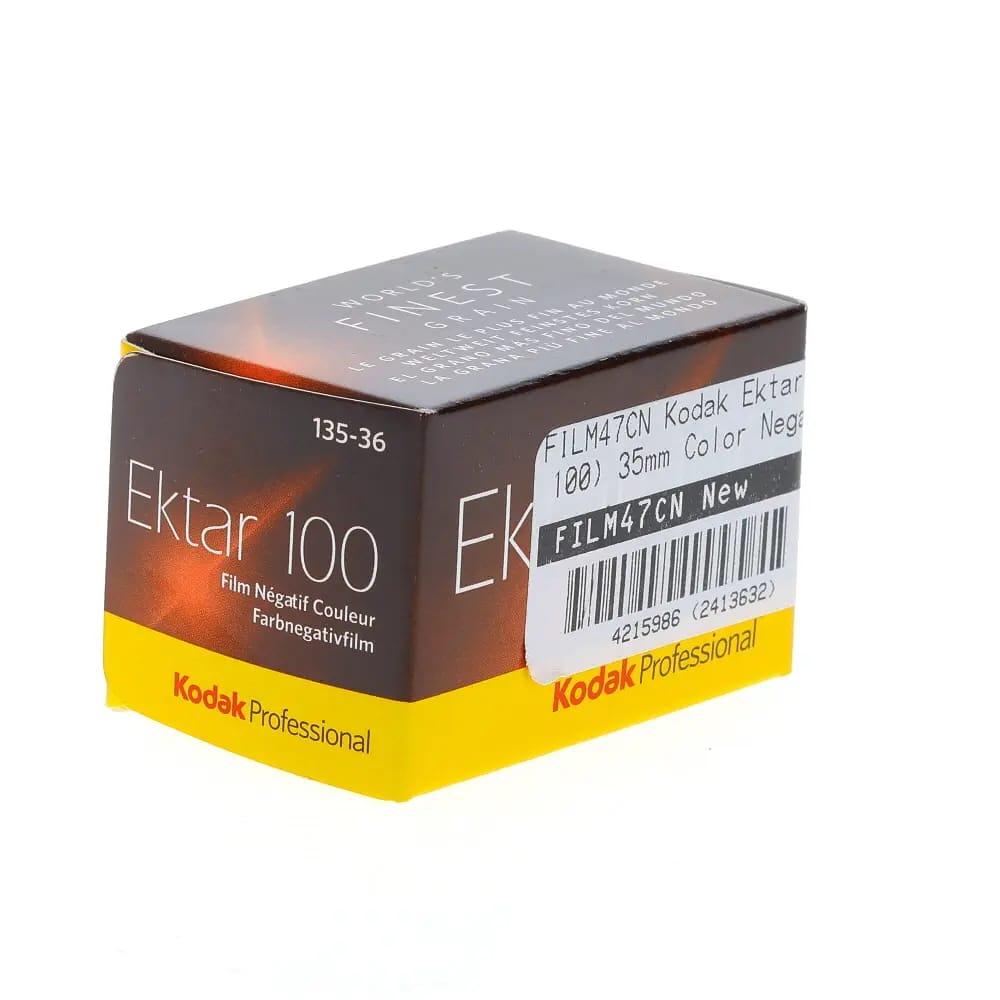
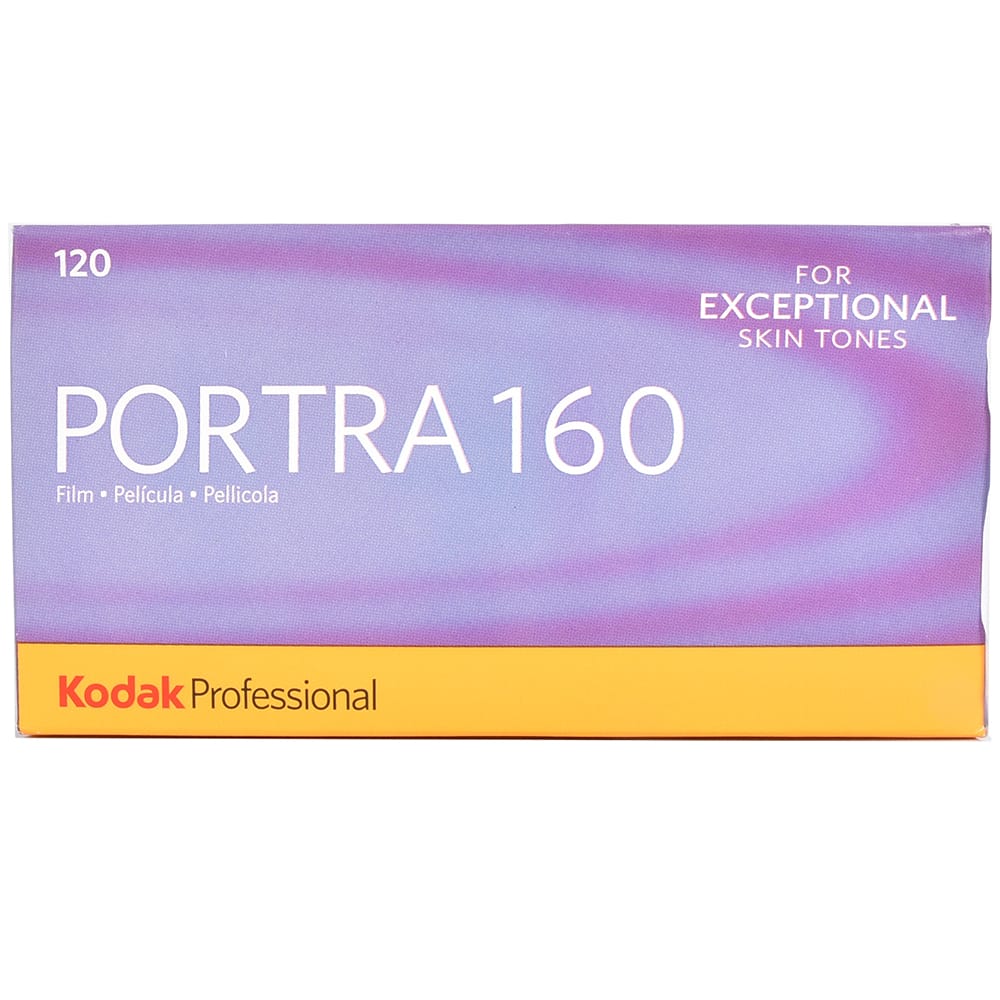
For fine grain and sharpness:
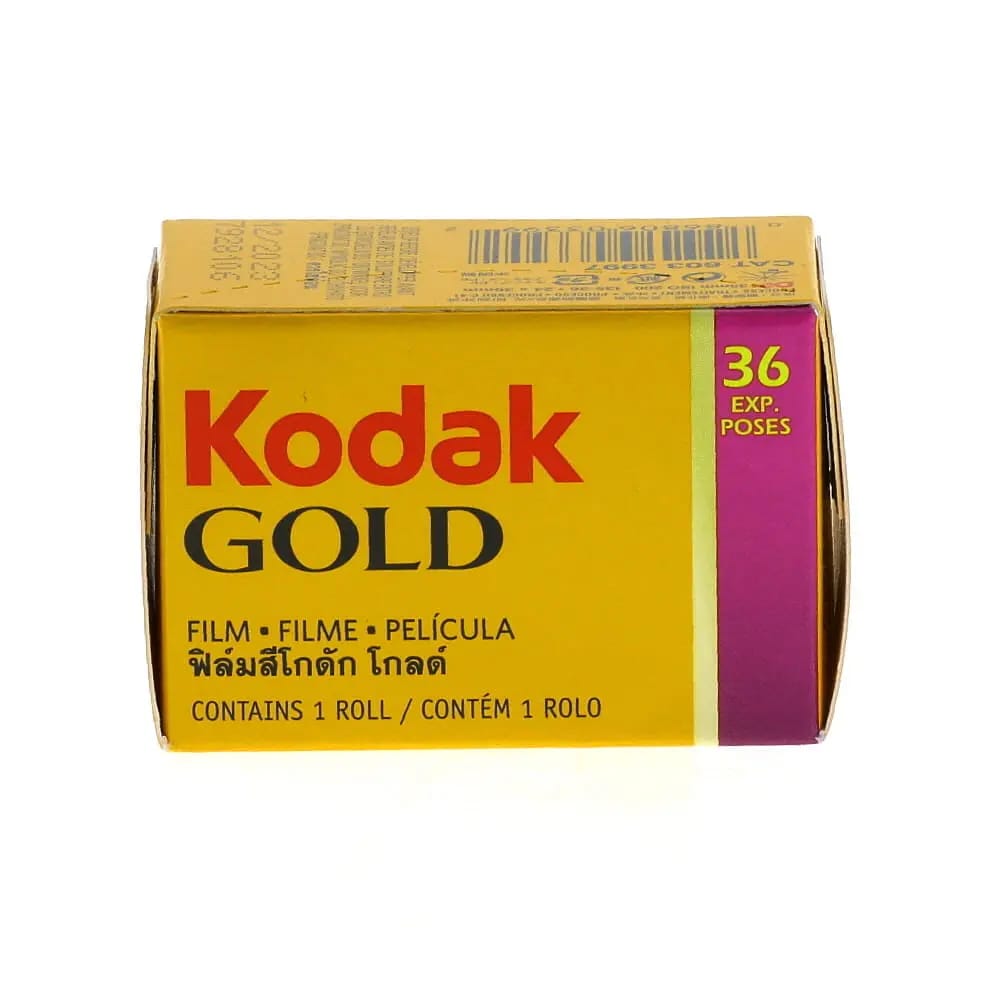
For classic color:
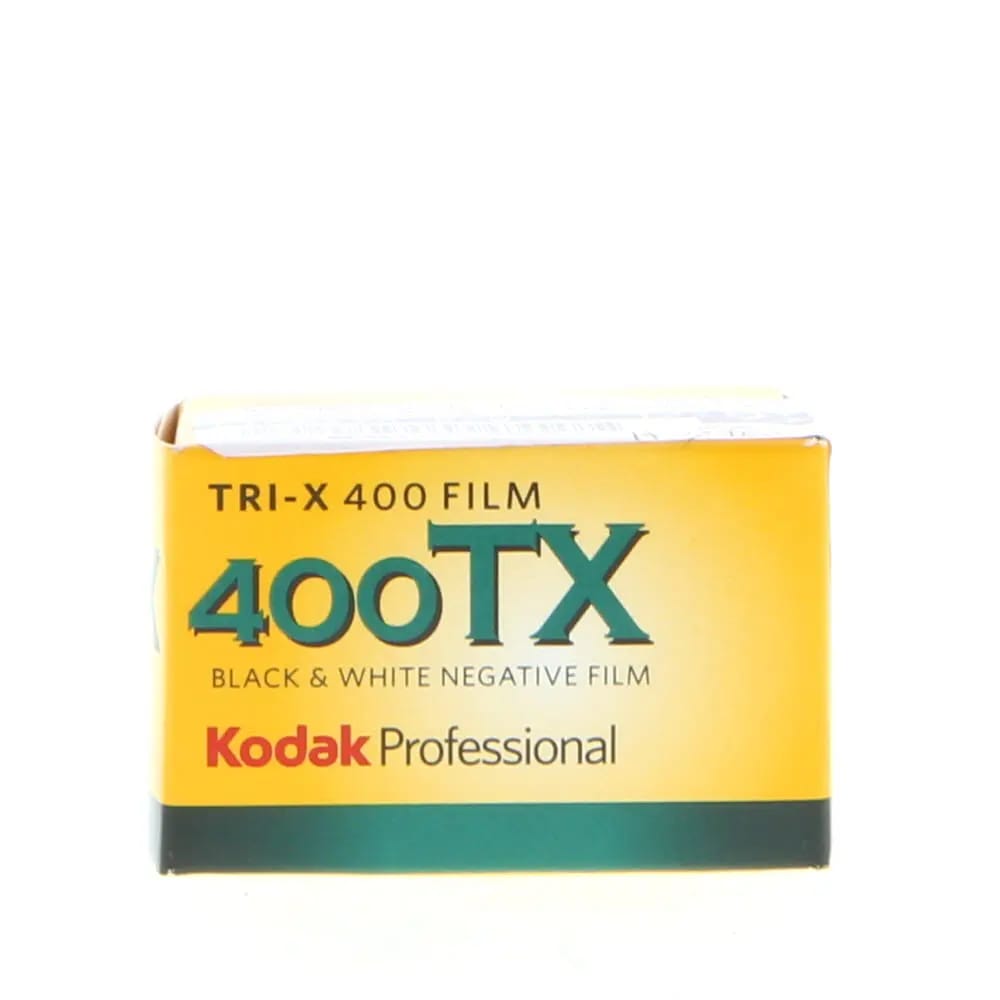
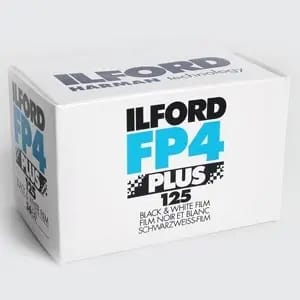
For black and white:
Scanning tip: You can scan each 18×24mm frame individually, or scan two consecutive frames together as a single 36×24mm image. The latter produces natural diptychs that work especially well for storytelling sequences.
Want more Pentax film cameras? Explore this guide on the Pentax K100.
These two cameras share a format but not much else.
The Pentax 17 has a magnesium alloy body, a multicoated glass lens at f/3.5, auto-metered variable shutter speeds, and ±2 stops of exposure compensation. The Ektar H35 has a plastic body, a fixed-focus plastic lens, and a fixed aperture and shutter speed with no compensation options.
The H35 is a fun entry point—forgiving film stocks can compensate for its limitations. The Pentax 17 actively reads light and adjusts its mechanical parameters to produce a properly exposed negative. If you want consistent, quality results with room for creative input, there’s no real comparison.
The Pentax 17 isn’t trying to be the cheapest film camera on the market. It’s designed for photographers who want a modern film camera experience backed by reliable metering, quality optics, and thoughtful design.
Film Photography Beginners
If you’re curious about film but hesitant about the cost of shooting and developing rolls, the Pentax 17 offers an approachable entry point. Getting 72 exposures from a standard 36-exposure roll means more opportunities to learn, experiment, and make mistakes without burning through film as quickly.
Street and Travel Photographers
The compact size, lightweight design, and versatile 37mm-equivalent field of view make the Pentax 17 an excellent everyday carry camera. The zone focus system is quick to use once learned, allowing you to react to moments without waiting for autofocus or fiddling with complex controls.
Content Creators and Social-First Shooters
Because every frame is naturally vertical, the Pentax 17 feels surprisingly modern. Images are already composed for Instagram Stories, Reels, TikTok, and other mobile-first platforms, making it easy to integrate film photography into a contemporary workflow.
Photographers Looking for a Reliable New Film Camera
Many film shooters love vintage cameras, but reliability can be a concern. The Pentax 17 offers something increasingly rare: a brand-new film camera with modern manufacturing, dependable metering, warranty support, and readily available batteries.
Creative Storytellers
The half-frame format encourages a different way of seeing. Whether you’re creating diptychs, documenting daily life, or building visual narratives, the Pentax 17 rewards photographers who enjoy sequencing images and telling stories across multiple frames.
Who Might Want Something Else?
If you prioritize maximum image quality, large enlargements, or ultra-shallow depth of field, a full-frame 35mm camera may be a better fit. Likewise, photographers who want complete manual control over shutter speed and aperture may find the Pentax 17’s automated approach limiting.
For everyone else, the Pentax 17 strikes a compelling balance between simplicity, creativity, and modern reliability—qualities that are surprisingly difficult to find in film photography today.
The Pentax 17 is the most compelling new film camera released in a generation. It cuts your cost per shot in half, delivers genuinely sharp optics, and gives you enough exposure control to shoot deliberately, without slowing you down in the field.
It’s not just a nostalgia piece. It’s a capable, thoughtfully engineered camera that respects both the medium and the shooter. If you’re ready to commit to film, or deepen an existing practice, the Pentax 17 is worth it.
Question: Why choose the half-frame format, and how will it change the way I compose images with the Pentax 17?
Short answer: Half-frame doubles your exposures—72 shots on a 36-exposure roll—cutting your cost per shot roughly in half and encouraging more experimentation. Because the film advances horizontally but exposes a vertical 18x24mm frame, the viewfinder is naturally portrait-oriented. Embrace vertical compositions (leading lines, tall subjects) and think in pairs: two consecutive frames can work as storytelling diptychs (e.g., an establishing scene followed by a detail).
Question: Is the Pentax 17 beginner-friendly, and what’s the quickest way to get started?
Short answer: Yes. Loading is straightforward: open the back, seat the cassette, feed the leader to the take-up spool, advance and fire to ensure engagement, close the door, then wind to frame 1. For shooting, start in Auto (yellow) if you want the camera to decide exposure and use flash when needed, or P mode for fully automatic exposure without flash—great for street. The zone-focus icons (macro to infinity) make focusing intuitive; estimate distance, set the matching icon, and shoot. Power needs are minimal—a single CR2 battery runs the meter, auto-exposure, and flash, and typically lasts for dozens of rolls.
Question: How good is the lens, and what kind of image characteristics should I expect?
Short answer: The newly designed HD Pentax 25mm f/3.5 (about a 37mm full-frame equivalent) is impressively sharp, especially in the center, with excellent micro-contrast even wide open. Expect a touch of pleasing vignette and minor softness at extreme corners—classic traits of its triplet heritage. Overall rendering is vibrant, punchy, and far exceeds typical half-frame expectations.
Question: Which films pair best with half-frame, and why does film choice matter more here?
Short answer: Because half-frame negatives are smaller and need more enlargement, fine grain matters. For the cleanest look, choose Kodak Ektar 100 or Portra 160. For warm, nostalgic color, Kodak Gold 200 shines. For black-and-white, Ilford FP4 Plus (ISO 125) gives tight grain and strong contrast, while Kodak Tri-X 400 delivers a gritty, classic photojournalistic feel. After developing, consider scanning two consecutive frames together for compelling diptychs, or scan individually for standard images.
Question: How does the Pentax 17 compare to the Kodak Ektar H35?
Short answer: They’re in different leagues. The Ektar H35 is a fun, budget toy camera with plastic construction, fixed focus/aperture/shutter—relying heavily on film latitude. The Pentax 17 is a serious tool: magnesium build, multicoated glass, precise metering, variable shutter speeds, exposure compensation, and dependable auto-exposure. If you want consistent, high-quality negatives with creative control, the Pentax 17 is the clear choice. If you want ultra-simple, lo-fi fun, the H35 fits that niche.