You
have no items in your shopping cart.
Why Some Fashion Photographers Still Shoot Vintage Film Cameras
September 08, 2026
1 min read

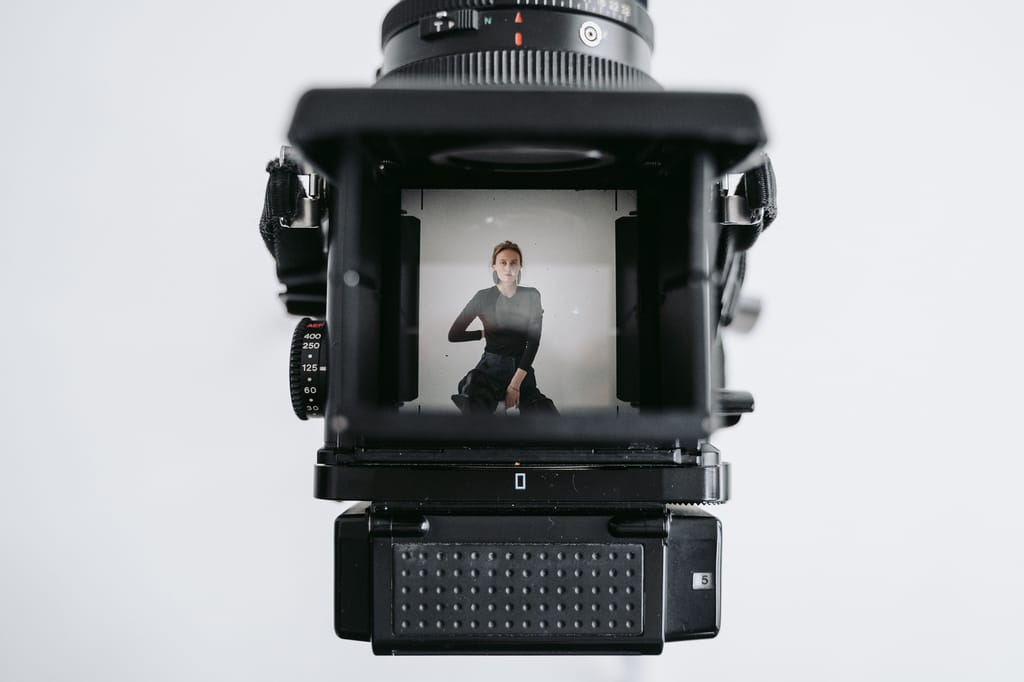
As fashion weeks approach, the visual noise starts to build before the first model steps onto the runway. There will be backstage clips, front-row portraits, street-style galleries, campaign teasers, and thousands of near-instant digital images competing for attention. In the middle of that flood, one creative choice still feels surprisingly powerful: fashion photography on film.
Why would a photographer bring vintage cameras into such a fast, high-pressure environment? The answer is not that film is automatically superior. It is that film carries a specific visual language, a slower rhythm, a tactile process, and a connection to decades of fashion photography history that many image-makers still find useful, expressive, and emotionally resonant.
Fashion photographers still shoot film because it changes both the image and the experience of making it. Film fashion photography can soften the hyper-polished feel of modern production, add texture to skin and fabric, and create colors, contrast, and grain that feel connected to printed magazines, archival campaigns, and the visual culture of earlier runway eras.
That choice is often deliberate. A photographer may choose 35mm film cameras for movement and spontaneity, medium-format film photography for detail and presence, or a point-and-shoot-style workflow for a looser diary feel. In each case, the camera is not just a tool for recording a look. It affects pacing, attention, and the way the subject responds.
The film photography aesthetic also has a practical emotional value. In fashion, where teams can spend weeks refining styling, casting, makeup, lighting, and art direction, a small amount of unpredictability can keep an image from feeling too controlled. Grain, halation, slight exposure variation, and the physical character of a negative can make an editorial image feel lived-in rather than over-processed.
Fashion has always recycled, reinterpreted, and reframed the past. Silhouettes return, beauty references reappear, and campaigns often borrow from older visual codes. Film fits naturally into that cycle because it is part of the medium’s memory.
Much of the history of fashion photography was built on film. From studio portraits and magazine editorials to runway documentation and designer campaigns, the look of fashion for most of the twentieth century was shaped by emulsions, darkrooms, contact sheets, and printed pages. When photographers use vintage film cameras today, they are not only chasing nostalgia. They are tapping into a visual system that helped define how glamour, attitude, movement, and intimacy were photographed for decades.
This is especially clear in references to 90s fashion photography. Many images from that era balanced elegance with looseness: direct flash, natural light, candid-feeling portraits, backstage energy, and editorial spreads that felt less digitally perfected than many contemporary images. Modern photographers may use film to echo that mood without copying it outright.
Film-era visual language can show up in several ways:
For brands and photographers, that connection can be powerful. Fashion is not only about showing clothing clearly. It is also about building mood, desire, memory, and identity.
Explore our tips for fashion and beauty photography.
Film is slower, and for many photographers, that is exactly the point. A roll has a limited number of exposures. Loading, metering, advancing, rewinding, labeling, processing, scanning, and reviewing all create friction. In digital work, friction is usually treated as a problem. In editorial film photography, it can become part of the creative structure.
A slower workflow encourages decisions before the shutter is pressed. The photographer may watch a model’s movement longer, wait for a better gesture, or refine the relationship between styling and background instead of relying on volume. On set, that can create a calmer rhythm. It can also make each frame feel more considered.
This does not mean film is relaxed or easy. Shooting runway or editorial work on film can be demanding because there is less immediate feedback. If the exposure is off, if the film is loaded incorrectly, or if the shutter speed is not right for the lighting, the problem may not appear until later. That risk is part of why many photographers test carefully, carry backups, and know their equipment well before bringing film to an important assignment.
The tactile process also matters. Film photographers physically load a roll, hear the advance lever or motor drive, mark canisters, handle negatives, and review contact sheets or scans. Those steps create a closer relationship with the image-making process. For some photographers, that physicality helps them slow down, stay present, and make more intentional creative choices.
There is no single perfect list of film cameras for fashion photography. The right choice depends on the pace, lighting, subject movement, desired format, and the level of precision or spontaneity the photographer wants. The following examples are not definitive “best” picks. They simply show how different vintage cameras can support different workflows.
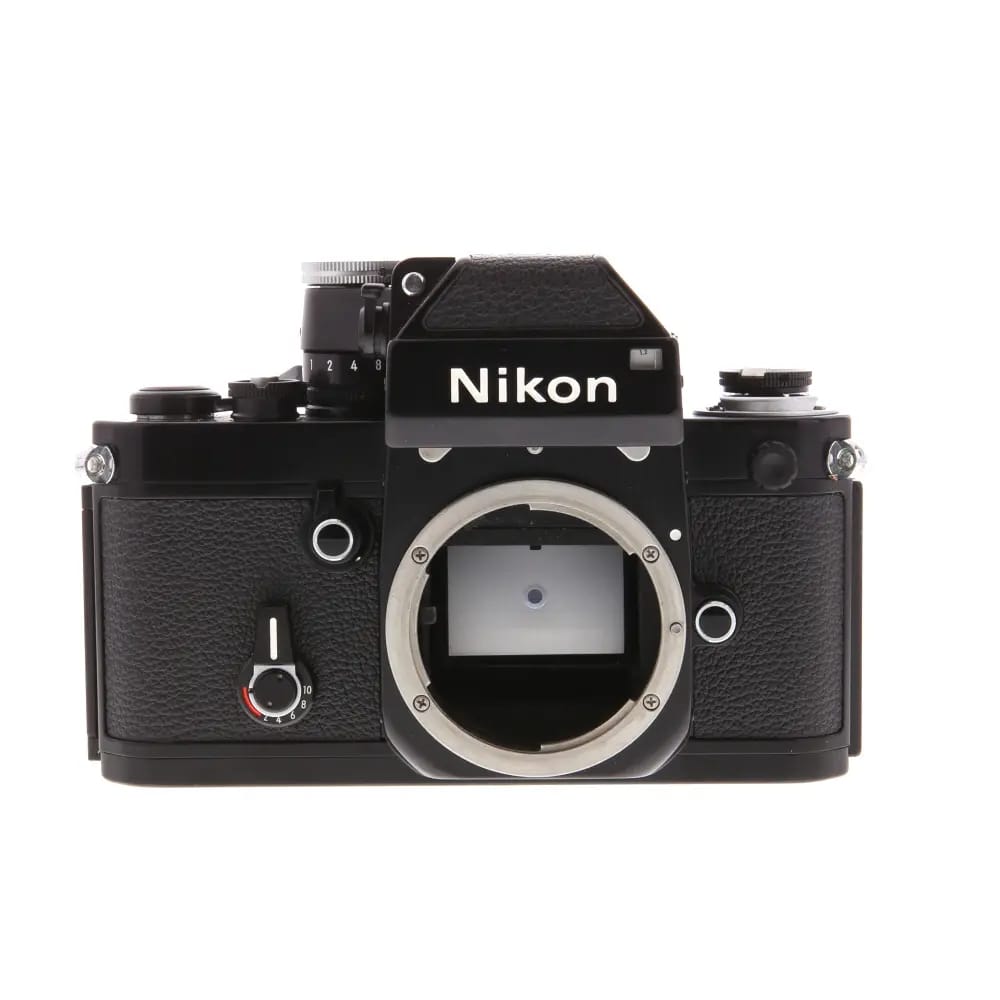
The Nikon F3 represents a classic professional 35mm SLR approach. It suits photographers who want direct control, interchangeable lenses, and a camera that feels at home in documentary, backstage, portrait, and editorial settings. For fashion photography on film, a 35mm SLR can be especially useful when the scene is moving quickly, and the photographer needs to react.
This type of camera encourages a practical balance between intention and speed. It is small enough to move through backstage spaces, flexible enough for available light or flash, and familiar enough for photographers who like seeing directly through the lens. The look can feel immediate, energetic, and slightly raw depending on film stock, lens choice, and lighting.
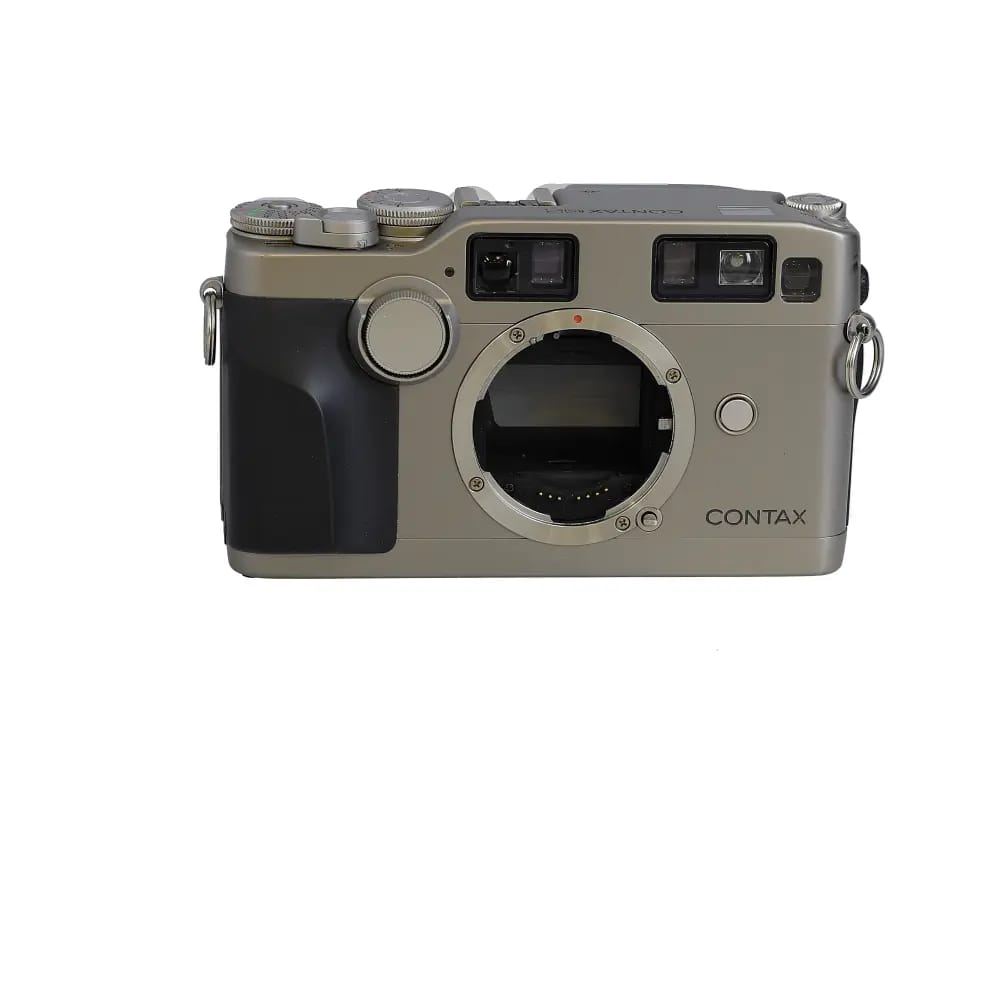
The Contax G2 is often associated with a more compact rangefinder-style shooting experience. It can suit fashion photographers who want mobility, sleek handling, and a refined 35mm look without carrying a larger SLR kit. That can be helpful for street-style coverage, behind-the-scenes images, travel editorials, or moments when a smaller camera changes the energy between photographer and subject.
A compact camera can feel less intrusive. Models, stylists, and designers may respond differently when the setup feels quick and fluid rather than heavily staged. The result can be fashion images that feel conversational, observant, and lightly spontaneous while still carrying a polished film photography aesthetic.
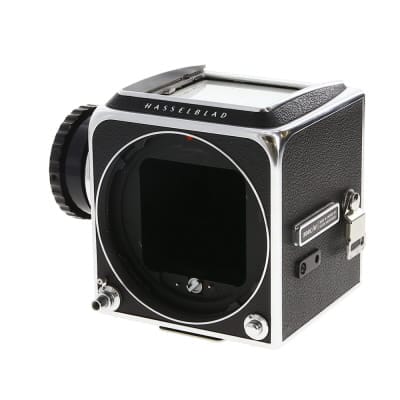
The Hasselblad 500CM represents a slower, more deliberate medium format film photography workflow. Its square frame, waist-level viewing experience, and larger negative can influence composition in a noticeable way. Rather than chasing every moment, the photographer may build the frame carefully and ask the subject to settle into the image.
For editorial portraits, beauty stories, and controlled fashion sets, that pace can be an advantage. The square format can make posture, negative space, hands, fabric, and eye contact feel sculptural. The camera’s workflow asks for patience, but it can reward that patience with images that feel composed, dimensional, and timeless.
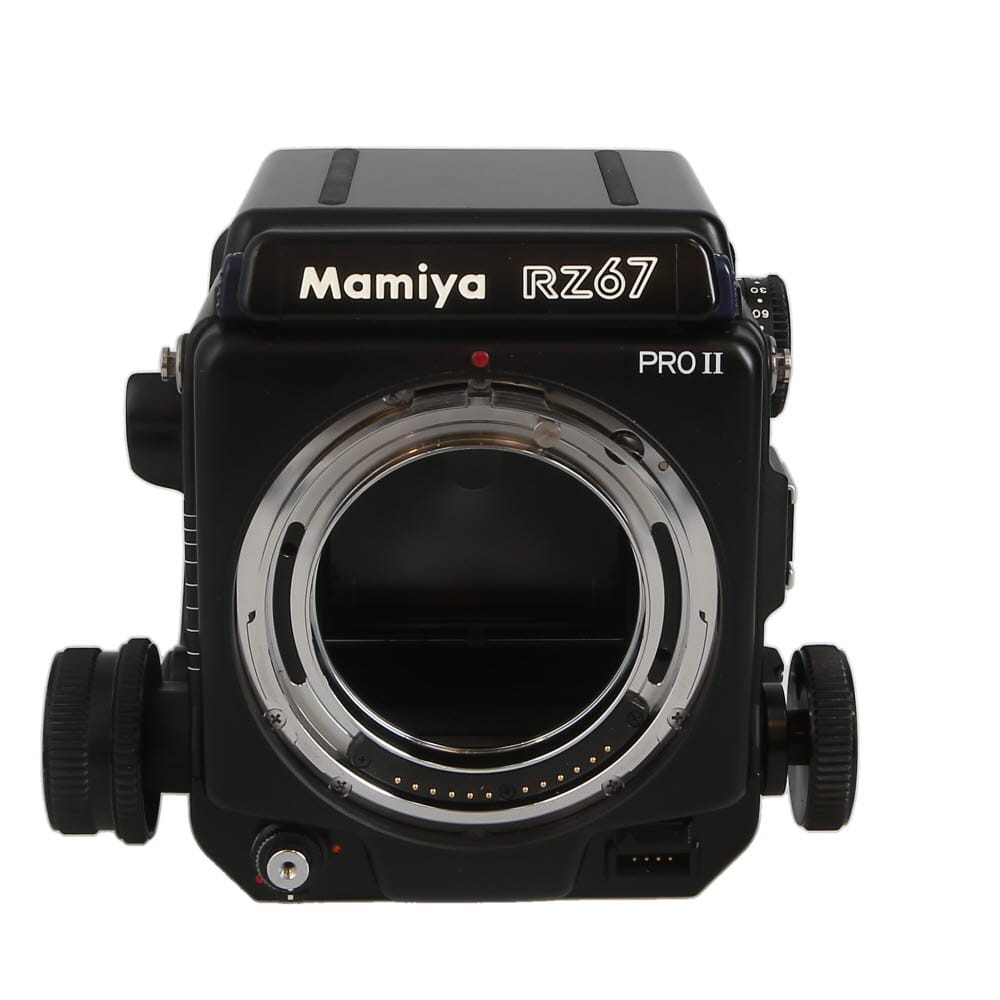
The Mamiya RZ67 is another medium format example, often suited to slower studio or location work where the photographer wants a large negative and a considered process. It is not the obvious choice for running through a crowded venue, but it can make sense in editorial environments where the pace is controlled and the image needs weight.
Its workflow encourages planning. Lighting, styling, pose, and framing tend to be resolved before the exposure is made. For film fashion photography that leans into dramatic portraiture, rich detail, and a strong sense of presence, this kind of camera can help set the tone for the entire shoot.
Film is not automatically better than digital for fashion work. It is different. Digital photography remains the practical choice for many assignments because it is fast, flexible, easier to review on set, efficient for high-volume delivery, and well-suited to commercial timelines where clients, editors, and creative directors need immediate feedback.
Film has real costs. There is the cost of the camera, film stock, processing, scanning, shipping or lab time, and sometimes repairs for older equipment. There is also the cost of uncertainty. A mistake may not be visible until after the shoot, and there may be fewer usable frames if exposure, focus, or timing are not handled carefully.
Film is also less forgiving in many production contexts. Runway lighting can change quickly. Backstage spaces can be cramped. Editorial schedules can be tight. If a client needs a large number of images quickly, digital may be the smarter tool. Many working photographers use both, choosing digital for efficiency and film for selected moments where its rendering and process support the creative direction.
A balanced approach might look like this:
The point is not to turn film into a status symbol. The point is to choose the tool that supports the image.
If you are exploring editorial film photography for fashion, start with the creative reason. Do you want the softness of natural light on skin? A flash-heavy 90s fashion photography reference? A more intimate backstage diary? A polished medium format portrait? The answer should guide the camera, film stock, lens, and workflow.
It also helps to think like a producer. Film may look romantic, but it needs planning. You need enough rolls, a safe storage method, a reliable lab, a backup camera if possible, fresh batteries where required, and realistic expectations for turnaround. Vintage cameras can be wonderful, but they are mechanical or electronic tools that deserve inspection and care.
Before an important shoot, build confidence through a simple checklist:
This kind of preparation keeps the creative romance of film from becoming a source of avoidable stress.
The continued use of film in fashion is not a rejection of digital technology. It is a sign that photographers, brands, and editors still value variety in image-making. In an environment where so many pictures are clean, instant, and optimized for screens, film can introduce tension, patience, texture, and memory.
That is why vintage cameras still appear around modern runways and editorial sets. They offer a way to slow the moment down, make the process more tactile, and connect new fashion stories to a long visual lineage. Used thoughtfully, film does not make a photograph old-fashioned. It can make it feel intentional.
If you are curious about film cameras for fashion photography, start with the workflow you want rather than the camera name alone. A compact 35mm setup, a durable SLR, a square-format medium format body, and a larger studio-oriented system can all create beautiful results when they fit the assignment.
KEH’s pre-owned selection can be a practical place to explore vintage film cameras, lenses, and accessories without treating the process like a guessing game. Look for KEH Certified™ gear, supported by a 180-day warranty, and consider the full lifecycle of your kit through KEH’s buy, sell, trade, and repair services. Whether you are testing film for personal work or adding it to a fashion workflow, choose gear that helps you create with confidence, patience, and purpose.
Yes—film can be a strong fit for fashion when the brief calls for texture, mood, and a more intentional pace. It’s especially effective for editorial film photography where grain, color response, and subtle imperfection support the story. That said, digital is often the more practical choice for fast turnaround, high-volume selects, or client review on set.
A reliable 35mm SLR is usually the easiest starting point because it teaches exposure fundamentals without adding too much friction. If you’re drawn to the classic 35mm editorial look, a straightforward 35mm setup can help you learn quickly before you invest in more complex vintage film cameras or medium format systems.
Neither is universally “better”—they serve different needs. 35mm film cameras tend to be faster, lighter, and better for movement, backstage, and street-style moments. Medium format film photography often suits controlled portraits and studio editorials where the larger negative and slower workflow support detail and presence.
Usually, yes. Film stock, processing, and scanning add a per-frame cost that digital doesn’t. The trade-off is that the limitations can encourage more deliberate shooting and stronger editing discipline—if that aligns with the creative goal.
Absolutely. Many photographers capture reliable coverage on digital, then layer in film for specific scenes, lighting setups, or emotional beats where the film photography aesthetic adds something meaningful. A hybrid approach can protect the schedule while still giving you the look and process of film.
Start with a versatile, widely available color negative stock, then run a small test to see how it handles your typical lighting and skin tones. Choose one lab, keep your scanning settings consistent, and take notes—your results will improve fastest when you keep variables simple