You
have no items in your shopping cart.
Film Is Back. So Why Aren’t More Brands Making New Film Cameras?
September 25, 2026
1 min read

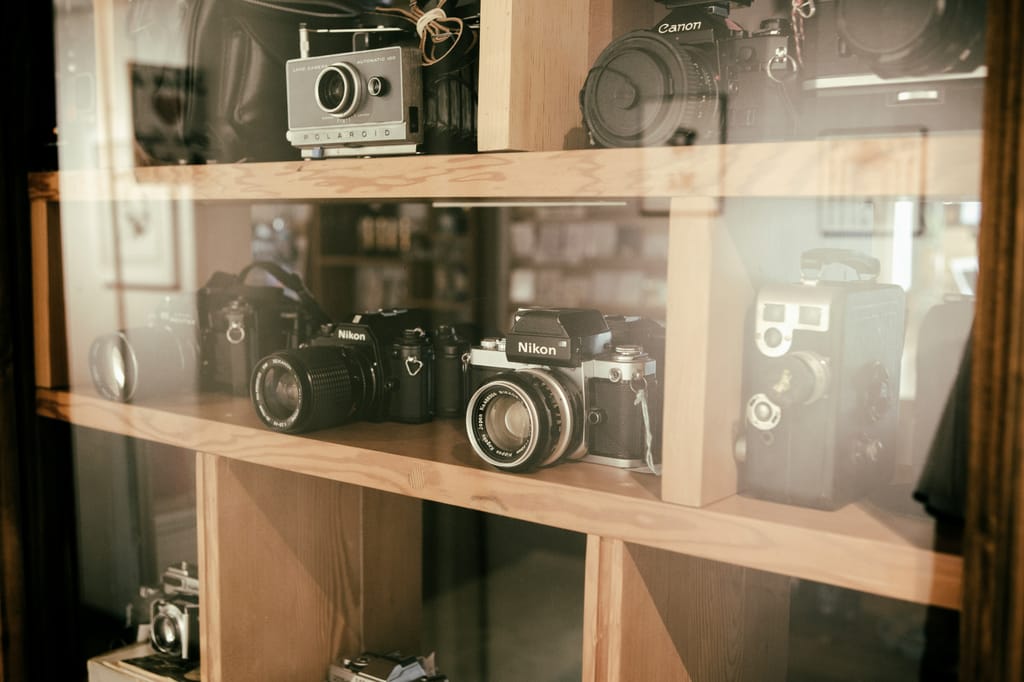
Film photography is back, but why aren’t more brands making new film cameras? That is the contradiction we keep bumping into: photographers are buying film cameras, shooting rolls, getting them developed, and fully immersing themselves in this medium… yet the industry has not responded with a flood of new 35mm film cameras. The Pentax 17 proved that a major brand can still build a new film camera in the 2020s, so the bigger question is sharper: if people clearly want film, why aren’t companies making film cameras at scale?
The short answer: film is back culturally, but not at the mass-market scale that once supported an enormous camera-manufacturing industry. Building a new film camera requires specialized parts, tooling, engineering, service infrastructure, and enough long-term demand to make that investment worthwhile.
Film cameras are making a comeback because they offer a different kind of photographic experience, not because digital suddenly stopped being great. Digital photography is fast, flexible, and incredibly powerful; film photography slows the process, imposes physical constraints, and gives each frame a little more weight. For many photographers, that contrast is the point.
Film is tactile without being precious. You load a roll, commit to an ISO, live with 24 or 36 exposures, and wait to see what happened. That delay can feel refreshing in a camera world built around instant review, infinite storage, and rapid-fire correction.
There is also a social piece. Film photography has become visible again through lab scans, photo walks, creator culture, and younger photographers discovering 35mm film cameras for the first time. The appeal is real, but it is still niche compared with the enormous digital ecosystem.
Here is the slightly annoying truth: popularity on the internet does not automatically equal mass-market manufacturing demand. The film photography revival is energetic, but it is not a return to the 1990s, when nearly every family, school, newsroom, and travel bag had a film camera.
Today, film competes with mirrorless or DSLR cameras and phones. A modern digital camera can shoot thousands of frames, record video, autofocus brilliantly, and integrate with workflows already used by professionals and hobbyists. Film’s appeal is more intentional. People choose it because it asks something different of them.
That distinction matters to manufacturers. A passionate niche can support film, labs, accessories, repairs, and used gear. But building a new film camera requires confidence that enough people will buy one at a price that covers design, tooling, parts, assembly, service, and support. That is a much harder equation than film is trending.
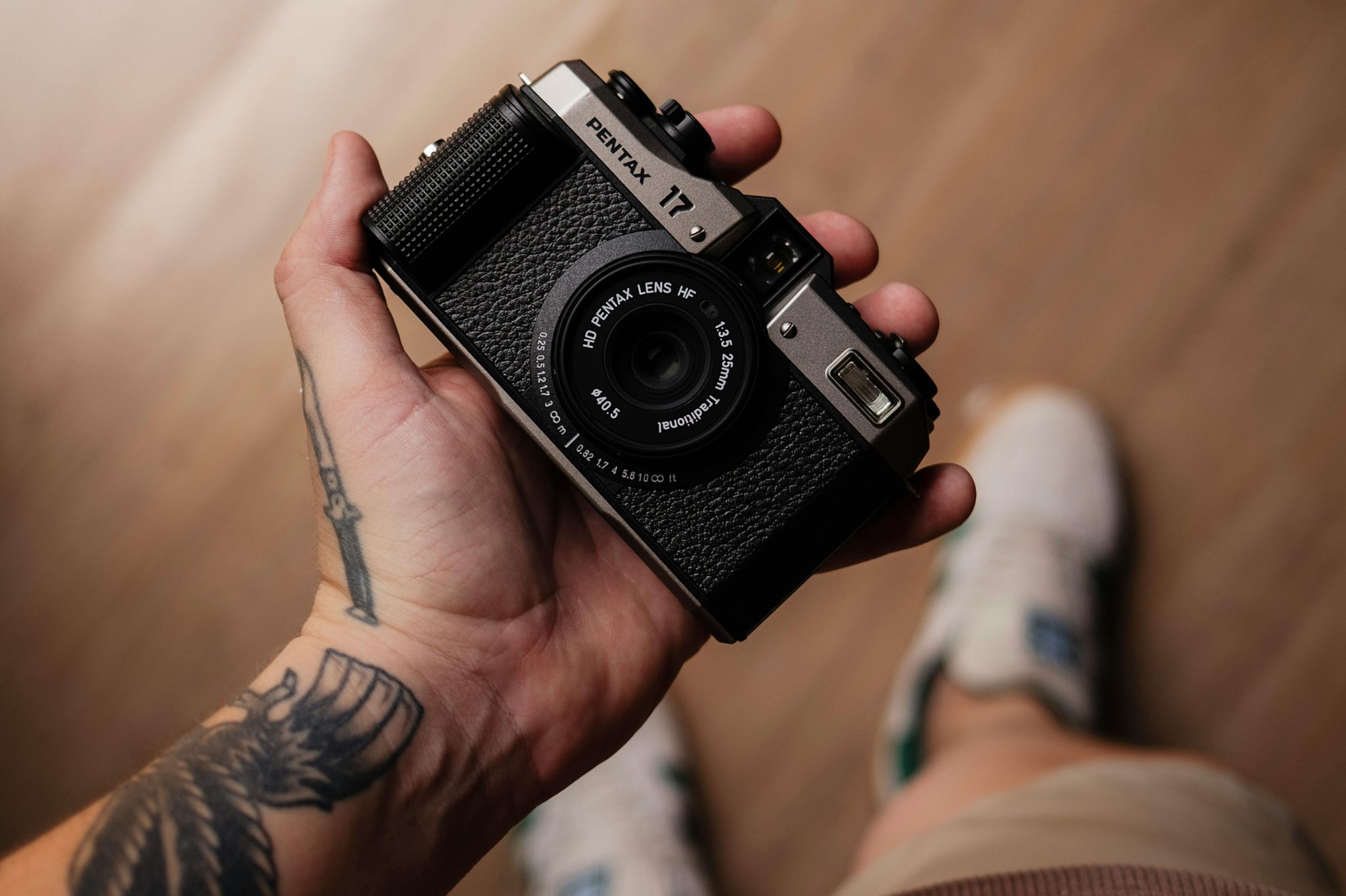
The Pentax 17 became the centerpiece of the modern film camera conversation because it was not just another reusable plastic point-and-shoot. Ricoh announced it as a fixed-focal-length compact film camera using a half-frame format, capturing two 17 mm by 24 mm images within a single standard 35mm frame. That means a roll can produce twice as many photos as a full-frame 35mm, which is a very practical answer to rising film and processing costs.
Was every film shooter’s dream camera a half-frame compact? Of course not. Some wanted a new SLR. Others wanted autofocus. Others wanted a premium full-frame compact. But the Pentax 17 was important because it showed a serious brand treating analog photography as a current product category, not merely a heritage story.
It also made a smart compromise. Half-frame keeps shooting costs friendlier, a compact body fits casual use, and the design avoids the complexity of building a full interchangeable-lens system from scratch. In other words, it is not proof that making new film cameras is easy. It is proof that careful limitation may be the only way to make the math work.
The answer isn’t as simple as a lack of interest. Film photography has clearly found a new audience, but turning that renewed interest into a large-scale camera business is a different challenge.
A new film camera has to be designed, manufactured, tested, supported, and sold in a market that is dramatically smaller than the one that existed when film was the default. That makes the decision to develop a new camera a very different proposition from bringing a digital camera to market.
There are a few challenges that help explain why new film cameras remain relatively uncommon:
Film cameras were once produced on an enormous scale. Manufacturers had established suppliers, production lines, technicians, and decades of experience refining everything from shutters and film transport mechanisms to metering systems.
Today, a company developing a new film camera may have to work within a much smaller manufacturing ecosystem. The Pentax Film Camera Project is a useful example of just how involved that process can be. Ricoh has described the project as an effort to restore the knowledge and expertise needed to develop and manufacture film cameras, rather than simply restarting an old production line.
That distinction matters. Making a film camera today isn’t necessarily a matter of dusting off a decades-old blueprint. It can mean figuring out how to manufacture a product for a market and production environment that no longer resembles the one it was designed for.
The renewed interest in film is real, but popularity doesn’t automatically translate into the kind of predictable, sustained demand needed to support mass production.
A film camera also has to land at a price photographers are willing to pay. Make it inexpensive, and a manufacturer may have difficulty justifying the development and production costs. Make it expensive, and the audience becomes smaller.
The Pentax 17 offers an interesting example of a different approach. Its half-frame format means photographers get two images from each standard 35mm frame, while its fixed lens and relatively straightforward design keep it focused on a specific kind of shooting experience. It isn’t trying to recreate every feature of a professional film SLR. It’s designed around a particular audience and use case.
There is another easy-to-overlook consideration: a camera doesn’t stop being a product when it leaves the factory.
A new film camera needs warranty support, replacement parts, repair expertise, documentation, and technicians who know how to work on it. Those requirements become especially important when you’re dealing with a mechanical product that photographers may expect to use for decades.
The existing film-camera market has an unusual advantage here. Instead of relying entirely on new production, photographers can choose from decades of cameras that have already been manufactured and proven in the field. A well-maintained pre-owned camera can give today’s photographer access to an entire system that manufacturers no longer produce at scale.
Look at the cameras being made today, and a pattern starts to emerge. Leica continues to make premium mechanical 35mm cameras. Lomography focuses on creative and experimental analog cameras. Other manufacturers and licensed brands have concentrated on simpler, more accessible 35mm and half-frame cameras.
These aren’t necessarily attempts to rebuild the film industry of the 1970s, ’80s, or ’90s. There are different interpretations of what a film camera can be in a much smaller modern market.
And that may be the most important point: the film comeback doesn’t necessarily mean the return of the film-camera industry.
Instead, we’re seeing a combination of new, purpose-built cameras and a huge pre-owned market that already contains decades of options. For photographers, that’s actually a pretty good problem to have.
There are new film cameras out there, just not in the wide, layered lineup many photographers imagine. The current market tends to split into a few lanes.
At the premium end, Leica continues to offer mechanical 35mm rangefinders such as the M-A and MP, cameras aimed at photographers who want a high-end, long-term tool rather than an inexpensive entry point. Leica describes the M-A as purely mechanical, while the MP remains a compact 35mm rangefinder system camera with a mechanically controlled shutter.
In the creative and experimental lane, Lomography continues to sell a range of analog cameras, including 35mm options built around playful, imperfect, unmistakably analog results. These are not trying to replace a Nikon F3 or Canon AE-1. They are designed for experimentation, portability, and the fun side of analog photography.
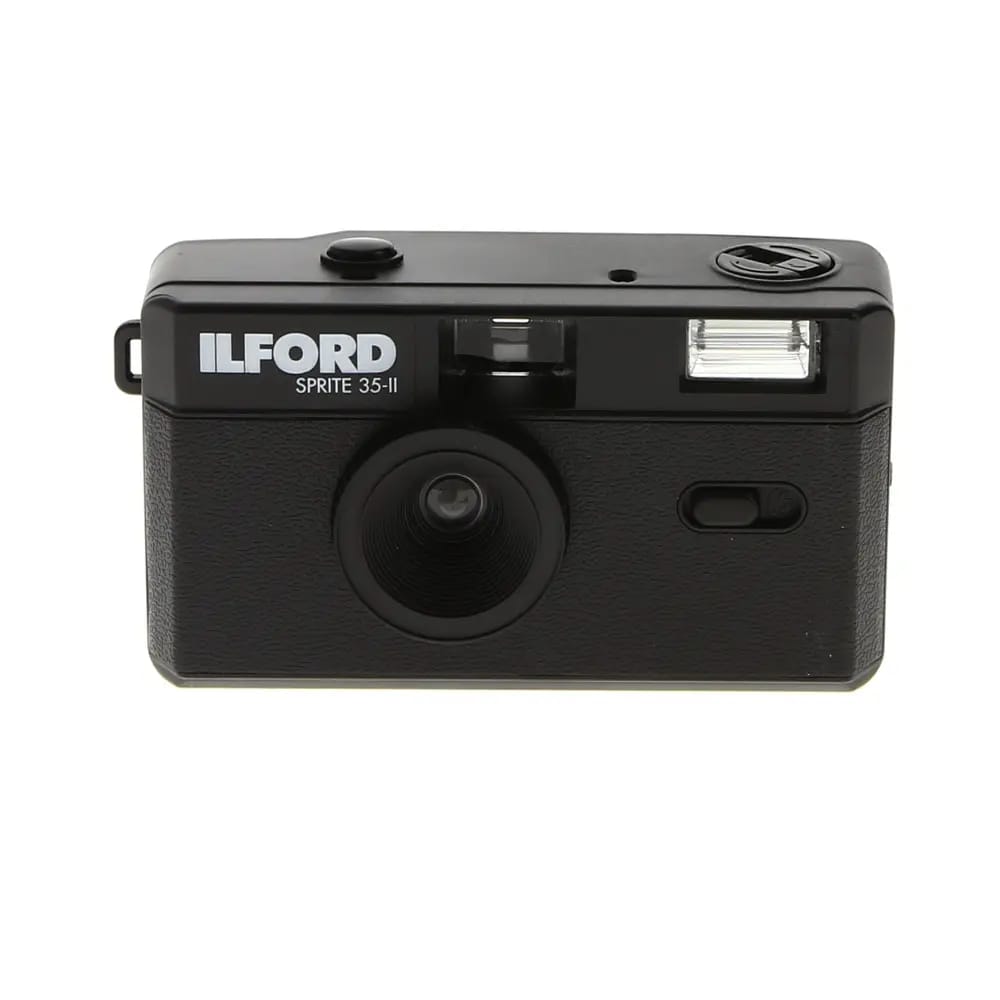
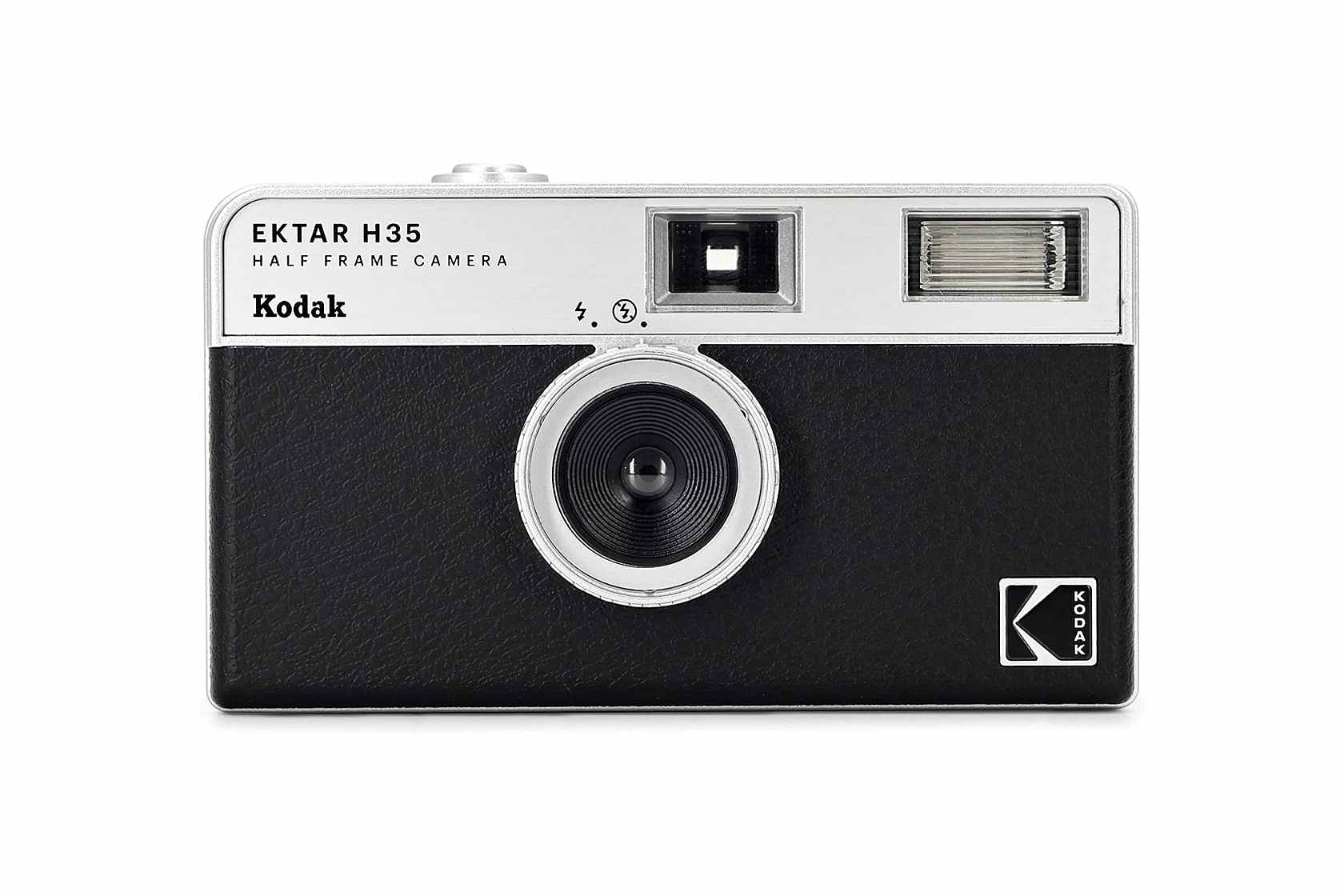
At the simple-entry level, cameras like the Kodak Ektar H35 and Ilford Sprite 35-II show another route. The Kodak-branded H35 is a half-frame 35mm camera made and sold by RETO under license, while the Ilford Sprite 35-II is a no-frills reusable 35mm camera aimed at people experimenting with analog photography.
And then there are boutique projects like the Rollei 35AF, a full-frame 35mm compact. These projects show ambition, but they also highlight how difficult it is to build a new camera that satisfies people used to decades of legendary vintage engineering.
If you are buying a film camera today, the pre-owned market remains the deepest, most varied, and often most compelling place to look. That is not just because old cameras are charming. It is because decades of film-era manufacturing produced an enormous range of bodies for different budgets, hands, lenses, and shooting styles.
A pre-owned SLR can offer interchangeable lenses, a bright optical viewfinder, manual controls, and a repairable mechanical feel. A compact point-and-shoot can slip into a jacket pocket and make everyday photos easy. A rangefinder can be quiet and direct. Medium format can slow everything down even more.
At KEH, we see the practical side of analog photography every day. New film camera options matter, and we are glad they exist. But vintage and pre-owned film cameras give photographers a choice in a way the current new-camera market simply does not.
A few smart questions help narrow the search:
One reason the vintage film camera market still works is that many of these cameras can be serviced-if you have the right people, the right tools, and the right experience. KEH’s in-house repair department has hands-on experience with vintage film cameras since 1979, and that long view matters when you’re evaluating (or reviving) mechanical shutters, meters, light seals, film advance systems, and decades-old lubrication.
At KEH Camera, we don’t just buy and sell gear; as the only reseller with manufacturer-approved repair capabilities, our techs boast the confidence and experience needed to maintain these classic cameras.
In practice, a repair department is part of the film ecosystem: it helps keep great cameras in rotation, reduces the “is this going to work?” anxiety that comes with buying pre-owned, and supports photographers who want to commit to a system for the long haul. And for select brands and models, manufacturer-approved service pathways can make an important difference in parts sourcing, procedures, and quality control.
If you’re shopping pre-owned, it’s worth thinking about serviceability as a feature, not just specs. A camera you can maintain is a camera you can keep shooting.
Learn more about KEH’s repair services.
The film photography resurgence is not the camera industry traveling backward. It is more like a new branch growing from an old tree. Film is no longer the default technology, and that changes everything about the economics of making film cameras.
That does not make the revival any less exciting. If anything, it makes it more interesting. We now have new film cameras for beginners, premium mechanical options for committed shooters, experimental analog tools, and a huge universe of pre-owned classics still ready to work.
So why aren’t more brands making new film cameras? Because desire is only one part of the equation. Manufacturing, pricing, parts, support, and scale all have to line up. Until they do, the film camera market will probably keep living in this wonderfully odd middle ground: a few new sparks, a lot of vintage firepower, and plenty of photographers happily shooting both.
If you are film-curious, upgrading, or clearing space for your next camera, KEH’s trade/upgrade program is a low-pressure way to move gear along and make room for whatever comes next: new: vintage, film, digital, or a little of everything.
Yes, but in smaller numbers and in narrower categories than the film era. A few brands are making newly designed film cameras, while others focus on simple reusable 35mm cameras or premium, mechanical models.
One of the most notable recent releases is the Pentax 17, because it represents a major manufacturer building a new, purpose-built 35mm film camera in the modern era.
Digital cameras became faster, cheaper per shot, easier to use, and easier to integrate into modern workflows. As demand shifted, the supply chain and service infrastructure that supported mass-market film cameras shrank dramatically.
Absolutely, if you buy from a trusted source and choose a model that fits your shooting style. Many classic 35mm film cameras offer excellent lenses, durable mechanics, and access to entire lens systems that would be difficult to recreate today.
Yes, just not as a replacement for digital. The film photography resurgence is driven by the shooting experience, the process, and the look, and it has created a thriving niche supported by labs, communities, and a robust pre-owned camera market.