You
have no items in your shopping cart.
Gear Up and Get Out: Prepping for the KEH x VSCO Atlanta Photowalk with Branden May
August 19, 2026
1 min read
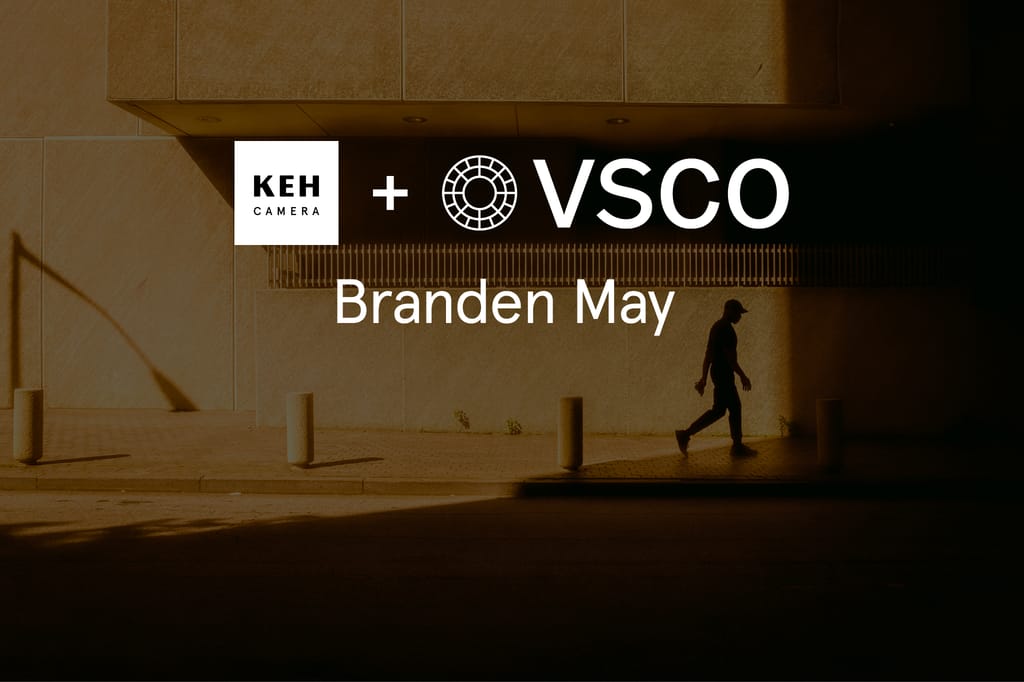
There is nothing quite like the unpredictable, fast-paced energy of street photography—especially in a city as architecturally rich as Atlanta. To help you capture the streets like a pro, we are thrilled to announce the upcoming KEH x VSCO Photowalk, led by internationally exhibited street and architecture photographer, Branden May.
With over 15 years of experience, Branden has an unmatched eye for how buildings interact with people, and most importantly, how they manipulate light and shadow. Ahead of our event, we sat down with Branden to talk about his journey, his favorite spots in the city, and what you need to bring—whether it’s your trusty smartphone or a KEH Certified™ pre-owned setup—to get the most out of our upcoming walk.
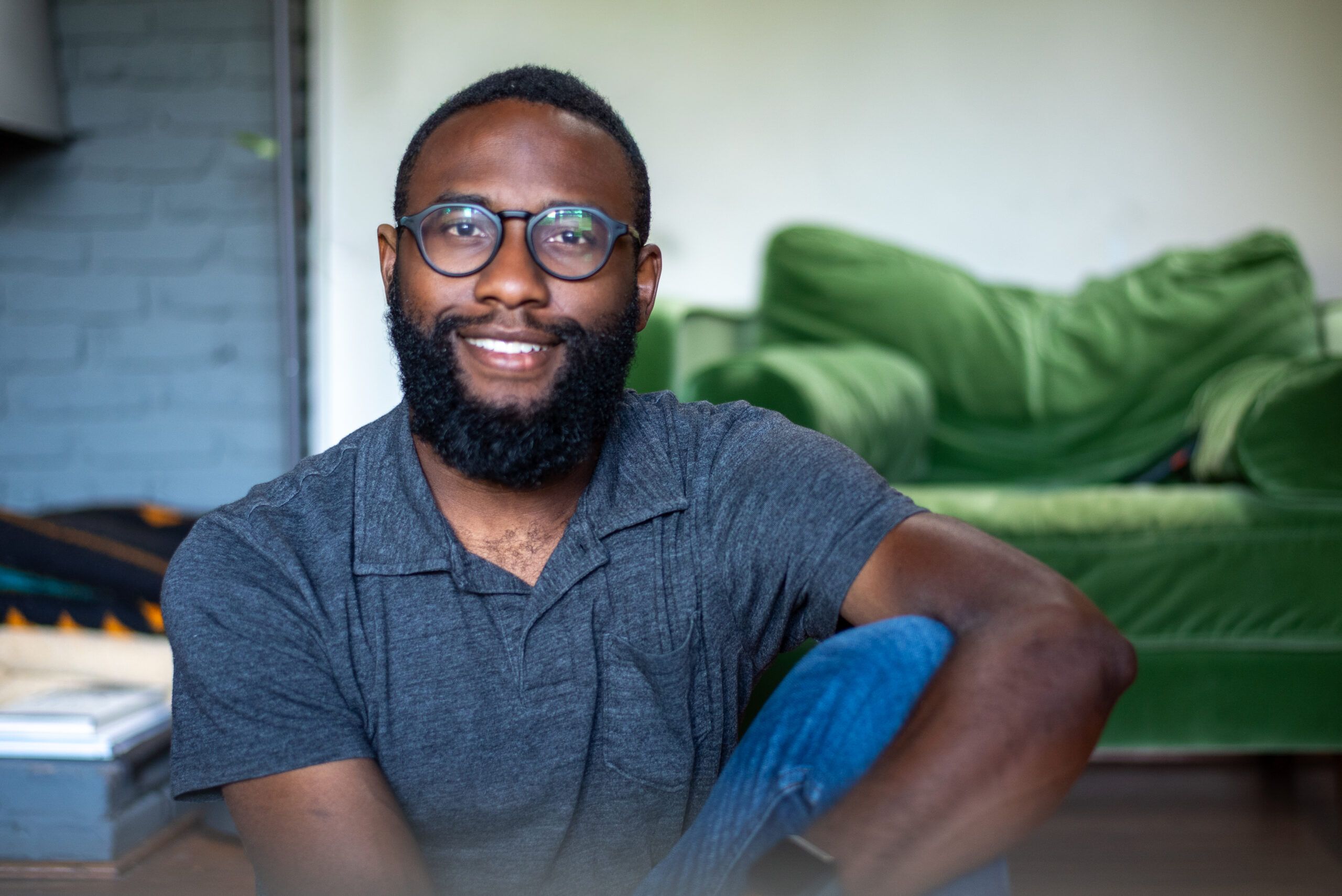
How did your relationship with the camera begin, and how did it lead to you pursuing photography as a full-time career?
My dad put a camera in my hands when I was around twelve — an old Olympus 35mm he loved, that he let me borrow a few times. I’m pretty sure I broke it not long after, but it didn’t put me off. If anything, that’s the first time I remember really looking at a scene and thinking about how to frame it. I grew up in Stone Mountain, so a lot of my early hours with a camera were just walking around metro Atlanta, paying attention to buildings I passed every day on the way to school. Also, a hefty dose of Hitchcock films didn’t hurt either. It had been building toward that for years, but photography stayed in the background for a long time; the pandemic pushed me to go full-time.
You have a distinct eye for Atlanta’s architecture. What makes this city so special for your style of photography?
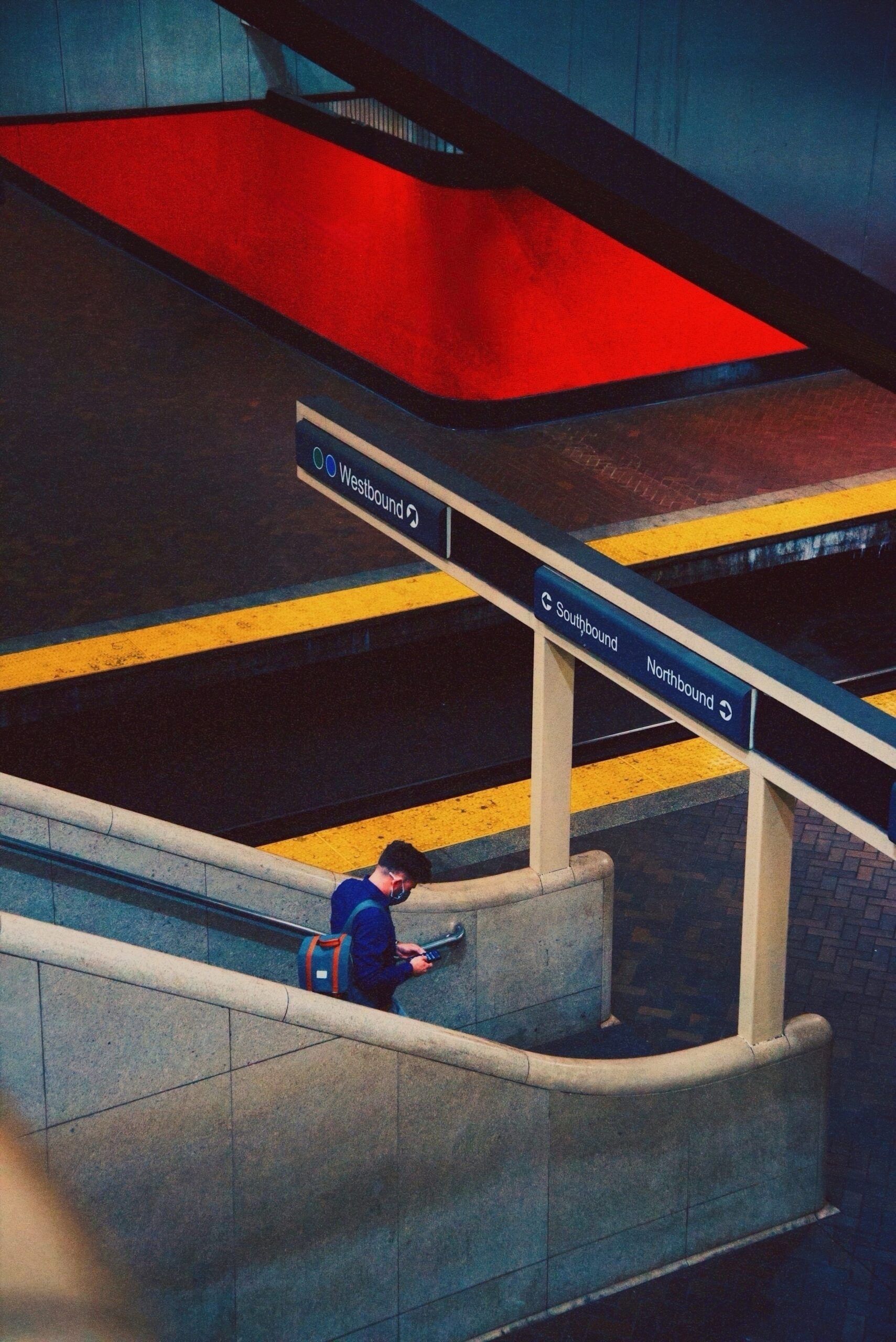
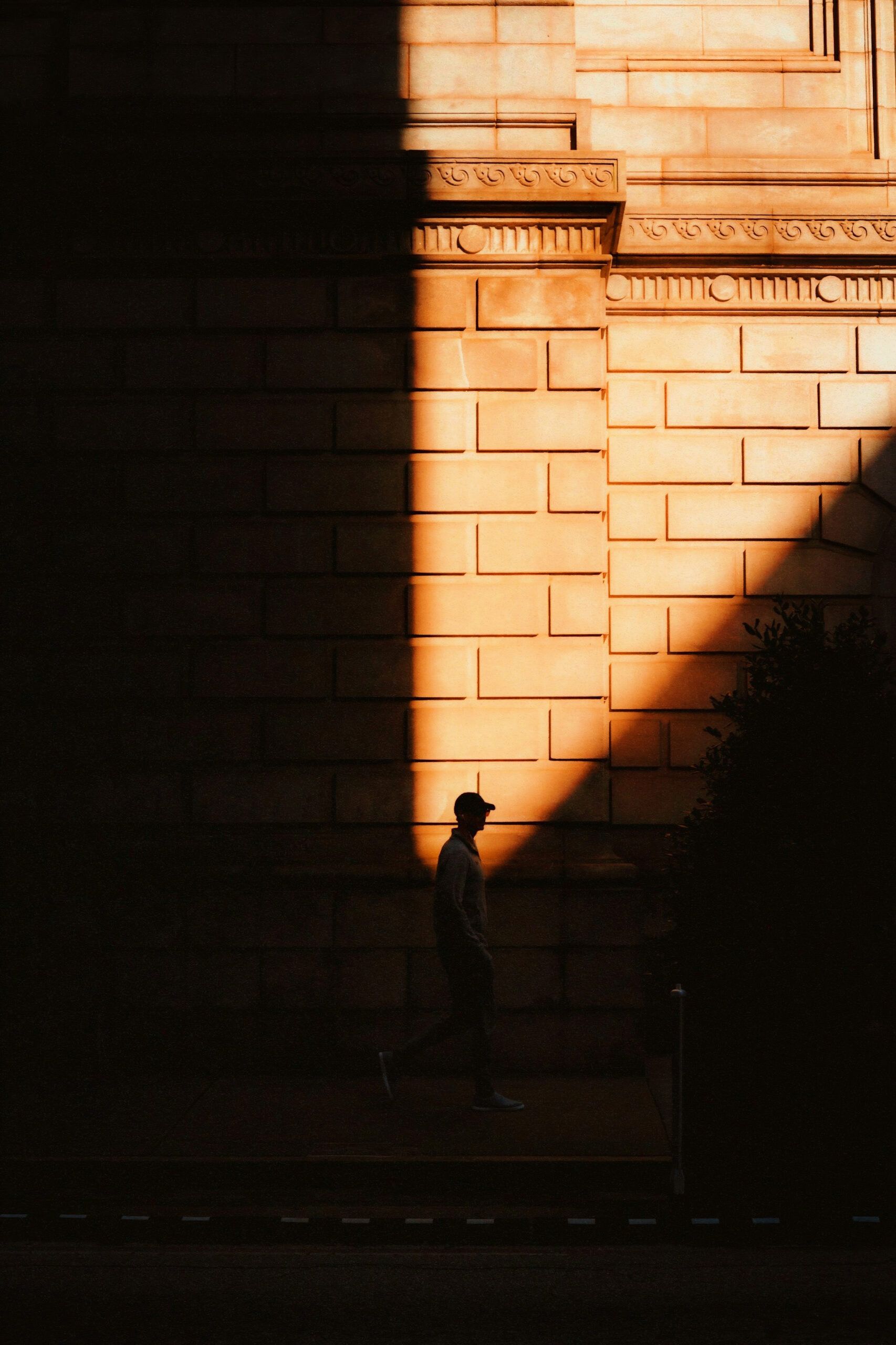
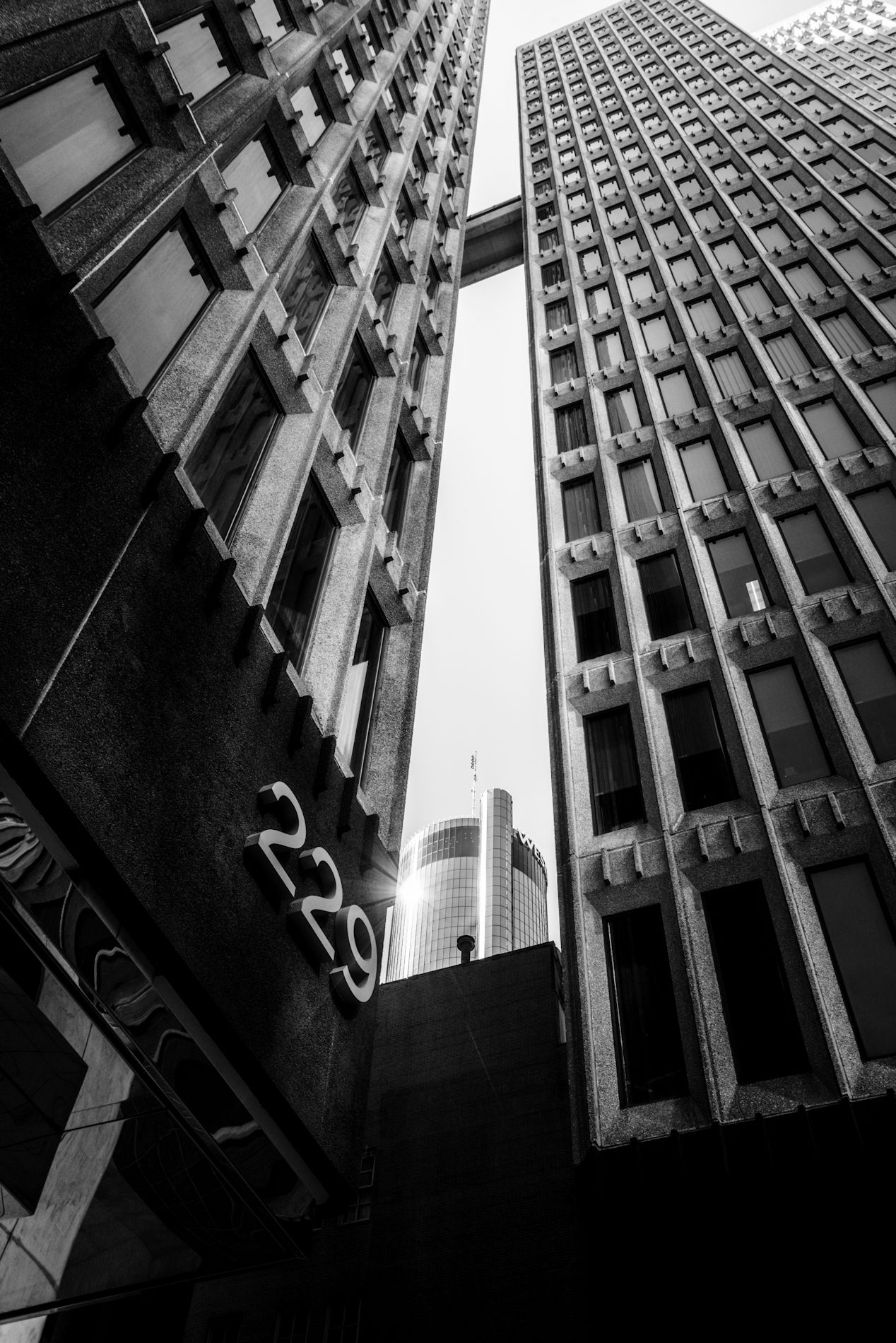
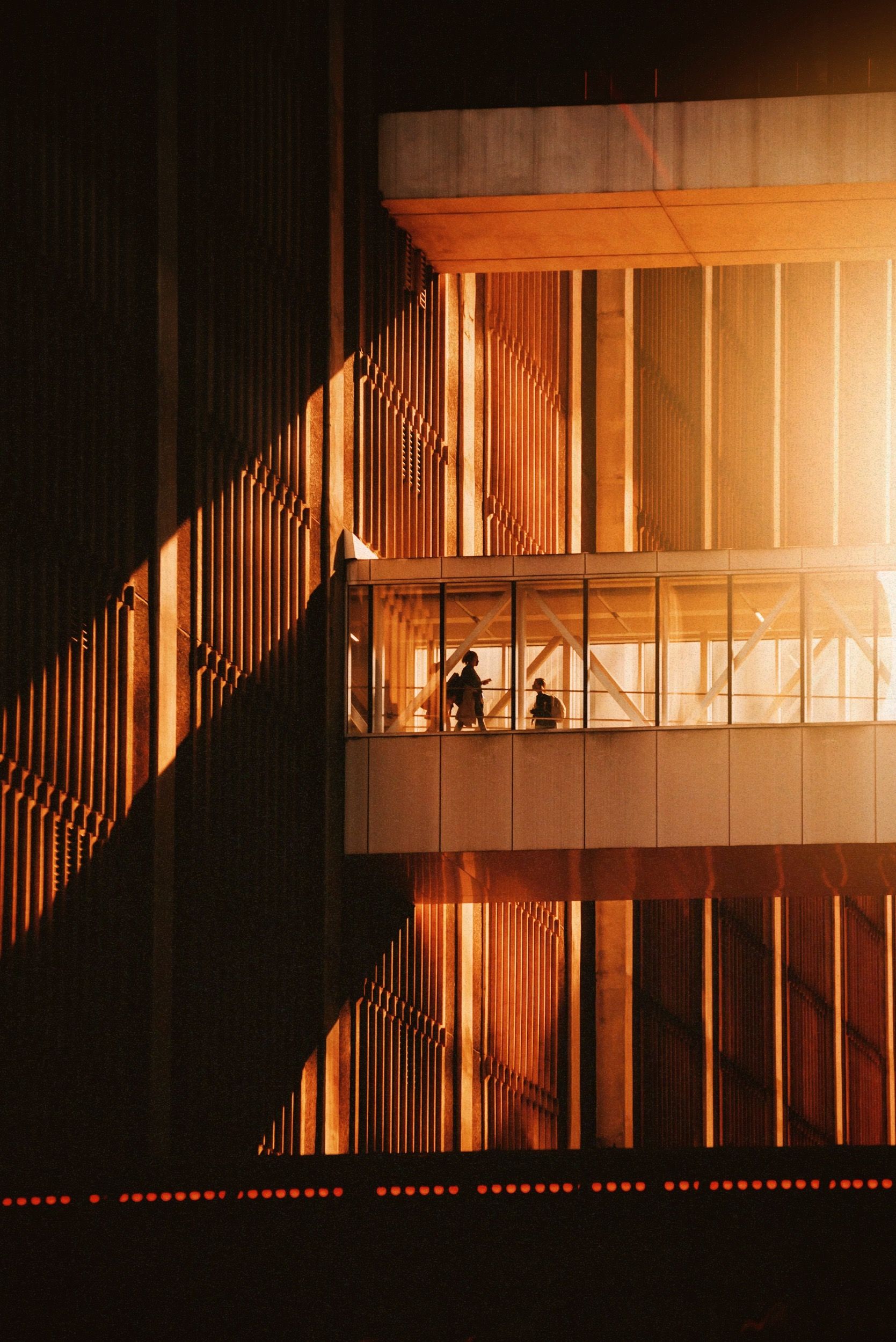
Atlanta is a city still figuring out what it wants to be, and you can see that tension everywhere — glass towers going up next to buildings that have sat quiet for decades, kudzu working its way up an overpass, shadows falling in ways that feel almost accidental. That in-between quality is exactly what I’m drawn to. I’m not chasing the postcard version of the city. I’m chasing the version caught mid-transformation, where the light and the structure are doing something honest.
You shoot both film and digital. How does your approach change depending on what’s in your hands?
Digital is where I move fast — I can work a block, react to changing light, and not think twice about shot count. Film slows the whole rhythm down. I have to be more deliberate about what actually earns a frame, and that discipline usually sharpens the digital work too. I don’t think of them as two separate practices so much as two different speeds of the same eye.
Street photography can be intimidating for beginners. What is your #1 piece of advice for someone who might feel nervous about capturing strangers or everyday life on the street during our walk?
You’re not stealing something from a stranger — you’re paying attention to them. Most of the fear around street photography stems from treating it as an intrusion rather than a form of respect. Move slowly, let eye contact happen naturally if it does, and don’t be afraid to lower the camera and just talk to someone if the moment calls for it. The nerves usually disappear once you stop worrying about permission and start worrying about the photograph.
When you sit down to edit your shots, what is your general philosophy for post-processing?
Same rule as on the street: don’t add anything that wasn’t already there in spirit. I lean hard into contrast and black-and-white because that’s how I actually experience light and shadow in the moment — the edit brings the image back in line with what I saw, it doesn’t invent a new version of it. If I’m reaching for a heavy effect to save a photo, that usually means the photo wasn’t there to begin with.
Are there any “rules” of photography you love to break when you are out exploring?
Rule of thirds, mostly. I’ll put a subject dead center more often than any photography class would approve of — there’s a directness to it that a lot of “balanced” compositions lose. I don’t mind blowing out a highlight or crushing a shadow to black either, if it serves the mood. Technical perfection was never the goal. The feeling of the image is.
Let’s talk about getting ready for the photo walk. What should our attendees bring to this photowalk?
Finally, how should attendees prepare mentally or physically before they hit the streets with you? Any last words of advice?
Come in with loose expectations rather than a shot list — the best frames on a walk like this usually show up sideways, not on schedule. Wear something you can move in, stay hydrated, and give yourself permission to slow down if a block isn’t giving you anything. The next one usually will.
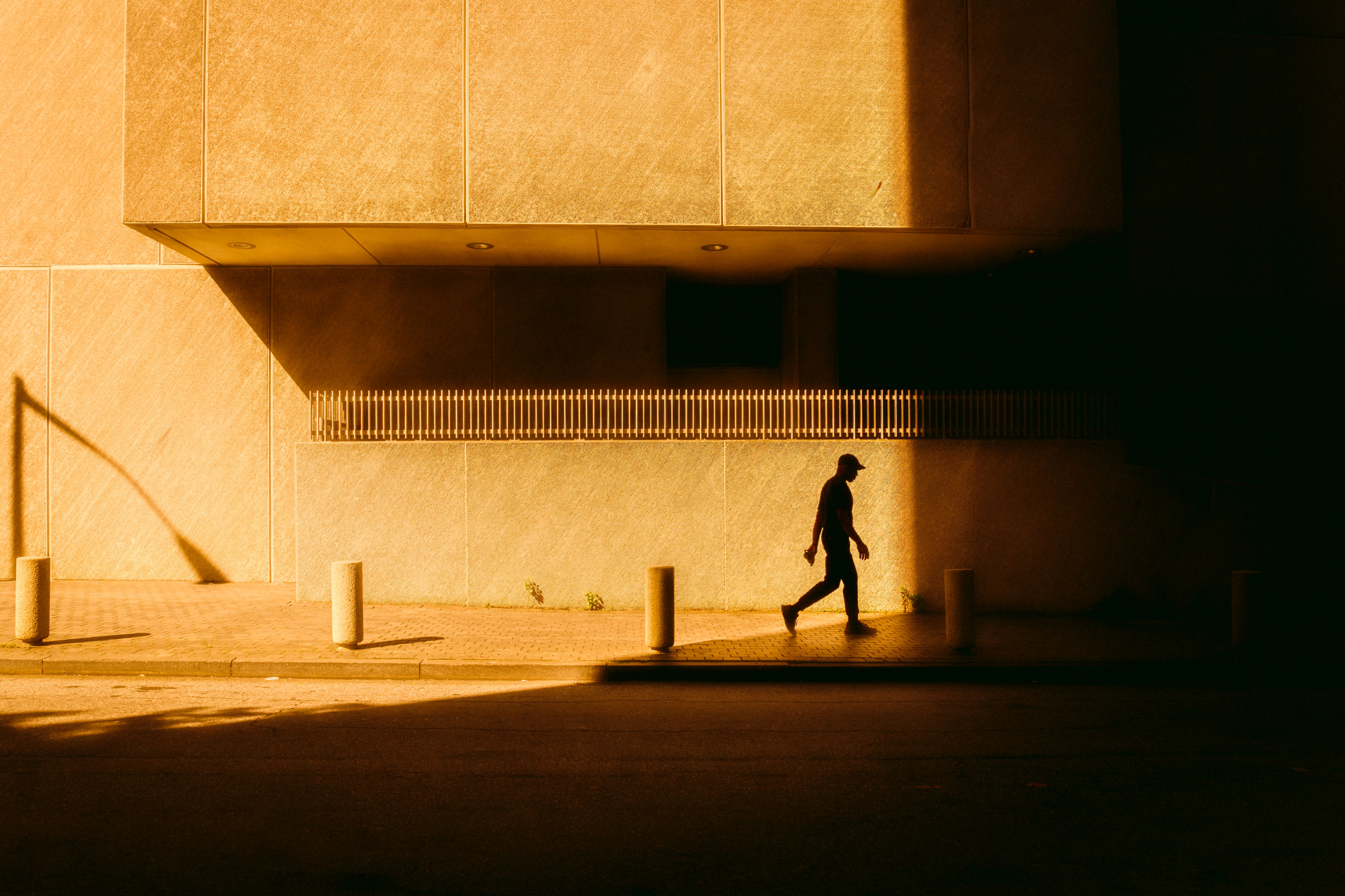
Spots for the KEH x VSCO Photowalk have filled up fast—but you can still join the waitlist here! Whether you are shooting on a professional mirrorless setup, a vintage 35mm point-and-shoot, or just your smartphone, we want you there. Make sure you have the VSCO app downloaded so you can easily edit your favorite shots and submit them to the official post-event gallery here.
Branden May is a street and architectural photographer based in Atlanta, Georgia. Introduced to film photography at age twelve by his father, Branden has since developed an unconventional, genre-spanning practice with a particular emphasis on the interplay of light, shadow, and the built environment. His work has been exhibited internationally at Agora Gallery (New York), BBA Gallery (Berlin), Blank Wall Gallery (Athens), Praxis Gallery (Minneapolis), Black Box Gallery (Portland), and numerous other venues across four continents.
To see more of Branden’s photography and get a deeper look into his creative process, explore his work through the links below.