You
have no items in your shopping cart.
Best Canon Mirrorless Cameras for Travel Photography
July 27, 2026
1 min read

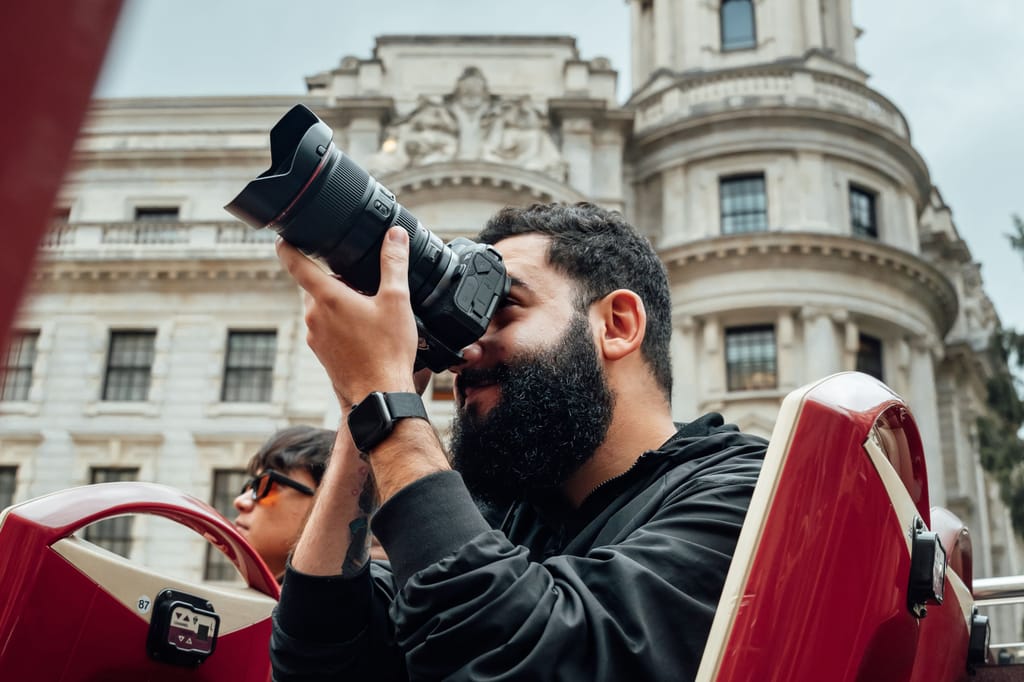
When evaluating the best Canon mirrorless cameras for travel photography in 2026, the sheer number of options can feel overwhelming. Travel photography demands a highly specific set of features from your gear. You need exceptional image quality to capture sweeping landscapes and bustling night markets, yet your equipment must remain portable, durable, and reliable.
Canon’s RF mount system has matured beautifully over the years, leaving travel photographers with a robust lineup of bodies and lenses tailored to every itinerary. If you want a quick lay of the land before you commit, this Canon camera buyer’s guide is a helpful companion read. Whether you are trekking the Himalayas or hopping between cafes in Paris, choosing the right body is step one. Let’s dive into why certain models rule the road, how to choose between full-frame and APS-C, and how to build the ultimate travel kit.
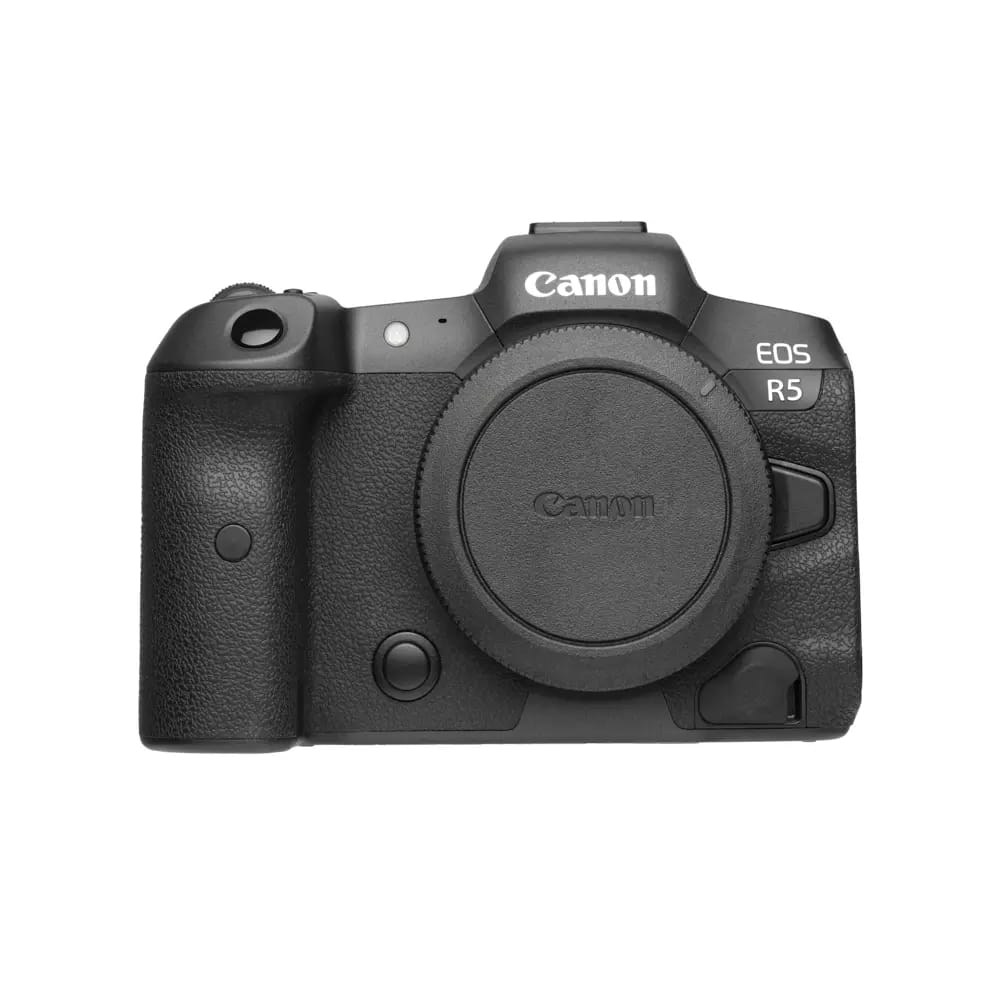
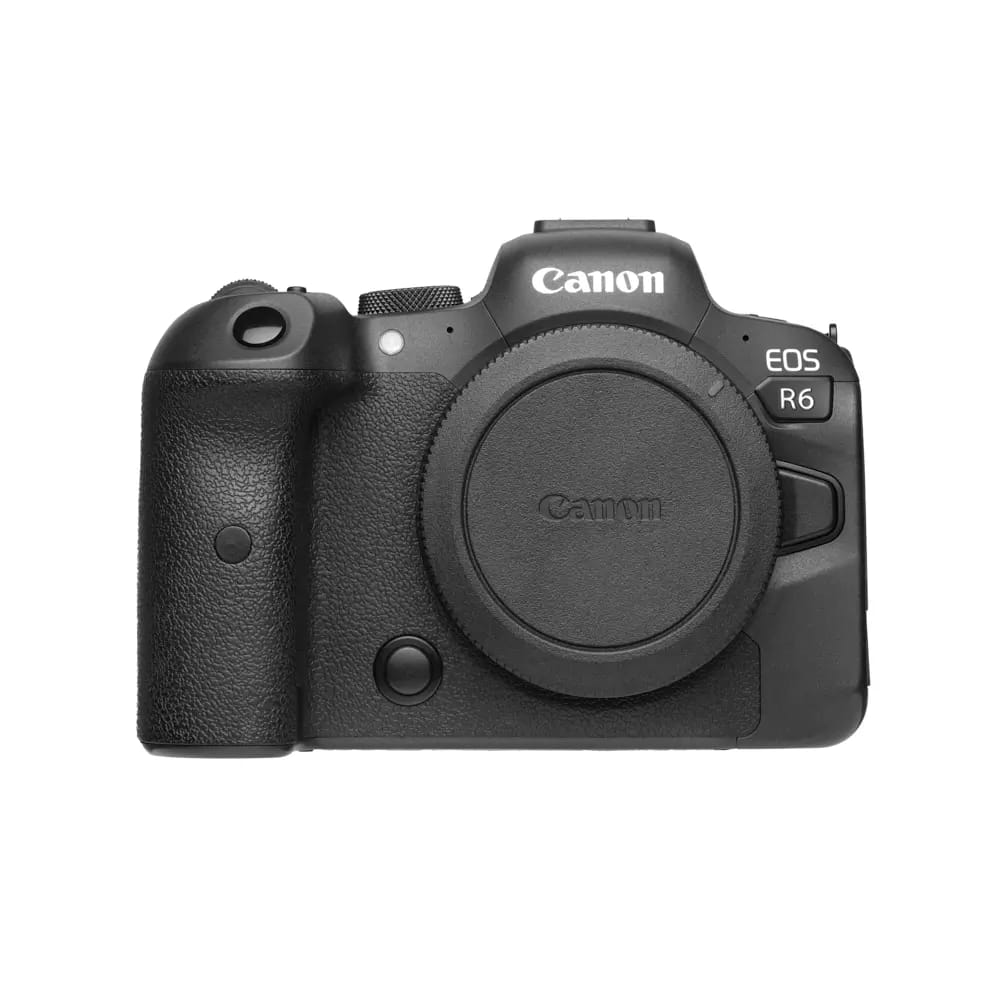
If you are looking for a professional-grade, no-compromise system, the Canon EOS R5 and Canon EOS R6 (along with their respective Mark II versions) are undeniably at the top of the food chain. Both are exceptional, but they serve slightly different types of travelers.
The Canon EOS R5 remains a marvel for those who want absolute maximum detail. Sporting a massive 45-megapixel sensor, this camera is tailored for photographers who crop heavily in post-production or require high resolution sensors for large travel prints. If your goal is to capture the intricate textures of a centuries-old European cathedral or the sweeping vastness of the Grand Canyon and print it for a gallery wall, the R5 is your best bet.
Conversely, the Canon EOS R6 (and its 24-megapixel Mark II successor) trades megapixel count for speed, superior low-light performance, and a friendlier price tag. For many, this is the best Canon mirrorless camera for travel photography because 24 megapixels is the sweet spot for web sharing, social media, and standard prints. Plus, smaller file sizes mean your hard drives won’t fill up nearly as quickly on a month-long trip. If you want the long version before you buy, here’s a detailed Canon R6 review.
For serious landscape photographers, the debate often comes down to the Canon R5 Mark II vs R6 Mark II for landscapes. The R5 Mark II offers an edge in dynamic range and sheer resolving power—crucial for capturing the subtle gradients of a sunrise over the Swiss Alps. However, the R6 Mark II boasts virtually non-existent rolling shutter and slightly cleaner files at extremely high ISOs. Ultimately, if fine art prints are your goal, the R5 Mark II wins; if you want a versatile, do-it-all hybrid camera, the R6 Mark II is unparalleled.
When packing your bag, every ounce counts. This brings up the eternal debate of full-frame vs APS-C Canon for backpacking.
When comparing Canon EOS R series weight and size, full-frame cameras like the R5 and R6 are bulkier and require larger, heavier lenses to cover their sensors. APS-C cameras, which have smaller sensors, allow for incredibly compact body designs and tiny lenses.
If the R5 and R6 are too much camera for your minimalist packing list, Canon has heavily invested in smaller, travel-friendly bodies that don’t skimp on performance.
If you are hopping hostels across Southeast Asia, you need something inconspicuous. The EOS R8 is arguably the best budget Canon mirrorless for solo travelers who demand full-frame quality. It packs the exact same 24MP sensor and autofocus system as the R6 Mark II into a body that weighs just 461 grams.
Going on an African safari or a birding trip in Costa Rica? The debate between the Canon R7 vs R10 for travel wildlife is a common one. Both are APS-C cameras that give your telephoto lenses extra reach. The R10 is lighter and cheaper, but the R7 is the clear winner for serious wildlife. The R7 features In-Body Image Stabilization (IBIS), weather sealing, dual card slots, and a larger battery, making it a rugged companion for unpredictable environments.
Modern travel often involves as much video as it does still photography. If you are documenting your journey for YouTube, you should look into portable Canon mirrorless cameras for vlogging. The Canon EOS R50 is wonderfully compact, offering strong 4K video in a tiny package and making it easy to stay nimble in crowded cities.
It’s not just about megapixels; it’s about the technology that makes getting the shot easier while navigating unfamiliar terrain.
One of the main reasons the R5 and R6 rule the road is their In-Body Image Stabilization. The image stabilization benefits for handheld city photography cannot be overstated. With up to 8 stops of stabilization (depending on the lens), you can leave your heavy tripod at the hotel. You can easily shoot 1-second handheld exposures of neon-lit Tokyo streets or moving traffic in London without blur.
Whether you are photographing a dimly lit souk in Morocco or a campfire in Patagonia, Canon mirrorless autofocus performance in low light is industry-leading. Powered by deep-learning AI, the Dual Pixel CMOS AF system can lock onto human eyes, animals, and vehicles even in near-pitch-black conditions (down to -6.5 EV on the R6).
A dead battery is a travel photographer’s worst nightmare. Thankfully, modern Canon bodies support internal charging for Canon cameras via power bank. As long as you have a Power Delivery (PD) compatible USB-C cable and a high-capacity power bank, you can charge your camera in your backpack while riding the train to your next destination.
Travel is unpredictable. If you are heading to the misty waterfalls of Iceland or the humid jungles of the Amazon, you need weather sealed Canon cameras for adventure photography. Bodies like the R5, R6, and R7 feature robust magnesium alloy chassis and weather sealing that keep dust and moisture out, ensuring your gear survives the elements.
Even the best Canon mirrorless body is useless without the right glass. While Canon’s L-series f/2.8 zoom lenses are optically flawless, they are incredibly heavy and draw unwanted attention. Instead, smart travelers opt for lightweight Canon RF lenses for minimalist travel.
Here is a trinity of lightweight travel lenses to consider:
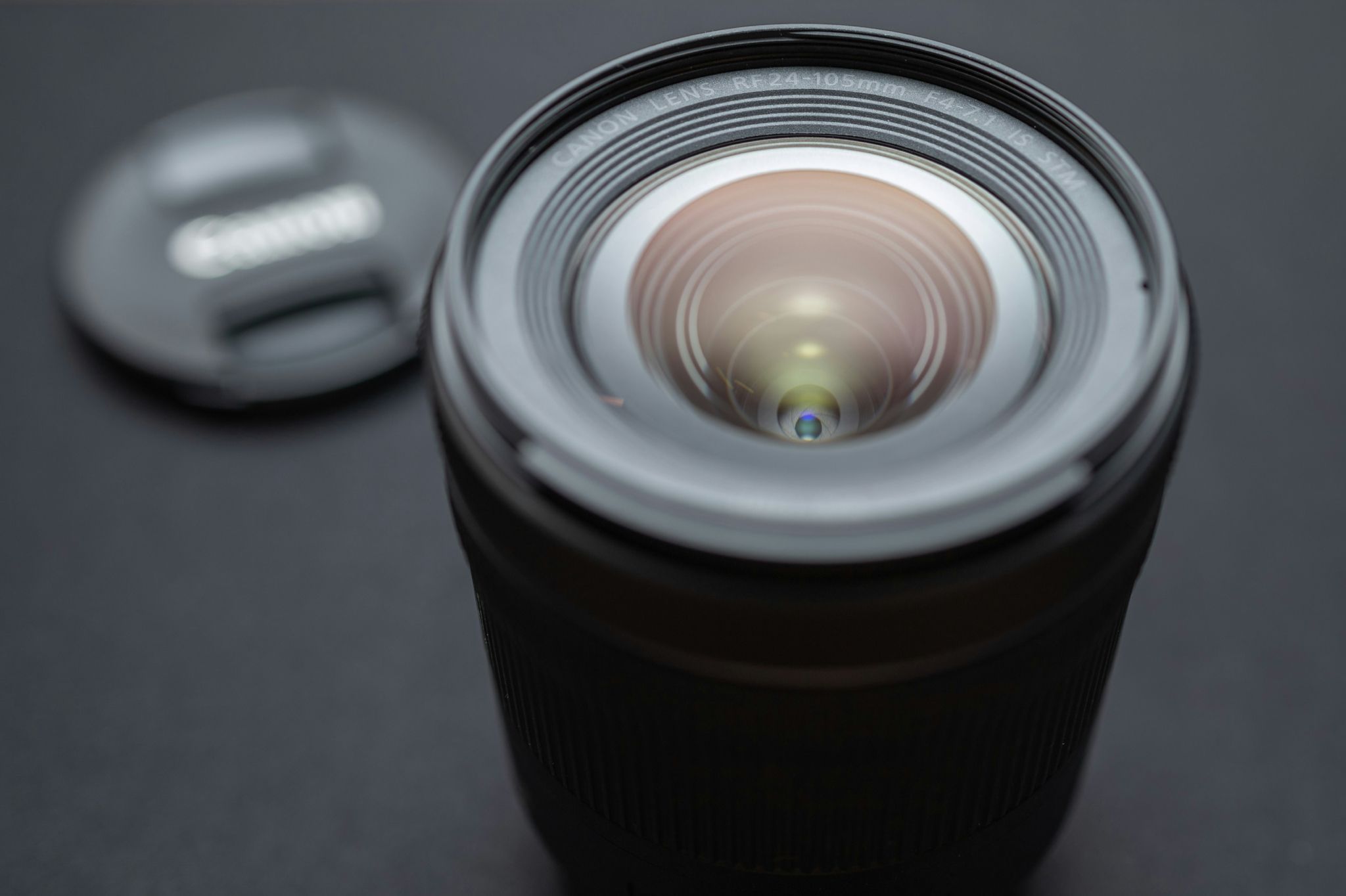
Building a cohesive kit goes beyond just the camera and lens. Here is a curated travel photography gear list for Canon users 2026:
Knowing how to protect camera gear from humidity is vital, especially when traveling through tropical regions. Fungal growth inside a lens can ruin it permanently. Always pack rechargeable silica gel desiccant packs in your camera bag to absorb ambient moisture. Avoid sudden temperature changes (like going from an air-conditioned hotel room directly into the humid jungle) by keeping your camera in your sealed bag until it acclimates to the outside temperature.
Your photos are the only irreplaceable items in your bag. Establishing a strict backup workflow for travel photographers using SD cards is non-negotiable.
Travel photography doesn’t have to come with a premium price tag. Choosing KEH Certified™ pre-owned gear is one of the smartest ways to stretch your budget while still getting the camera you want.
Every camera and lens we sell is expertly inspected, cleaned, tested, and graded, so you can shop with confidence knowing exactly what you’re getting. Plus, every KEH Certified™ purchase is backed by a 180-day warranty, giving you added peace of mind before you head out on your next adventure. And the best part? The money you save on pre-owned gear can go toward what matters most—your next flight, an unforgettable experience, or another lens for the journey.
Choosing the right gear for your travels is a delicate balancing act between image quality, portability, and ruggedness. While the specific demands of your itinerary will dictate your final choice, the Canon RF ecosystem offers unparalleled versatility.
For uncompromising professionals and fine-art shooters, the EOS R5 continues to reign supreme. For the vast majority of hybrid shooters who want impeccable low-light performance and manageable file sizes, the EOS R6 series is the undisputed champion. And for minimalists, solo backpackers, and wildlife enthusiasts, lighter bodies like the R8, R7, and R50 prove that you don’t need a heavy backpack to capture world-class imagery.
By pairing your chosen body with lightweight RF lenses, mastering your backup workflow, and saving cash via the pre-owned market, you will be perfectly equipped to document your adventures in 2026 and beyond.
Question: How do I choose between the Canon EOS R5 and the EOS R6 (and their Mark II versions) for travel?
Short answer: Pick the R5/R5 Mark II if you prioritize maximum detail and large fine‑art prints; choose the R6/R6 Mark II if you want superior low‑light performance, speed, and smaller files at a friendlier price. The R5’s 45MP sensor excels for heavy cropping and gallery‑size prints, while the R6’s 24MP is a sweet spot for web, social, and standard prints. For landscapes, the R5 Mark II edges out in dynamic range and resolution; for hybrid shooting, the R6 Mark II offers near‑zero rolling shutter and slightly cleaner ultra‑high‑ISO files.
Question: Should I go full-frame or APS-C for travel and backpacking?
Short answer: Choose full‑frame if you value superior dynamic range, shallower depth of field, and better low‑light—ideal when weight isn’t a deal‑breaker (road trips, photo tours, city work). Opt for APS‑C when every ounce counts: you’ll get extra reach from the 1.6x crop factor, smaller bodies and lenses, and lower cost—perfect for multi‑day hikes, ultralight backpacking, and long‑term budget travel.
Question: What are the best lightweight Canon bodies for minimalists, wildlife, or vlogging?
Short answer:
Question: Which lightweight RF lenses make the most travel sense, and why?
Short answer: A compact “travel trinity” covers almost everything with minimal weight and attention:
Question: Which Canon features and on‑the‑road practices matter most for travelers in 2026?
Short answer: