You
have no items in your shopping cart.
KEH U: 5 Photography Assignments Every Student Should Try
August 06, 2026
1 min read

When you’re just getting started with photography, it’s easy to think better photos come from better gear. But the truth is, the fastest way to improve is by shooting with intention.
The best photographers didn’t become great by reading about photography—they became great by picking up a camera and practicing.
These photography assignments are designed to help you build real-world skills, whether you’re taking your first photography class, building your portfolio, or simply looking for creative inspiration. Each challenge focuses on a different fundamental skill, and you don’t need expensive equipment to complete them. A KEH Certified™ pre-owned camera and a willingness to experiment are all you need.
By completing these assignments, you’ll learn how to:
Choose one camera and one focal length—35mm, 50mm, 85mm, or whatever lens you have—and commit to using only that setup for the entire day. No switching lenses. No zooming. If you’re using a zoom lens, pick one focal length and tape the zoom ring if needed.
It’s tempting to think another lens will solve every problem. This assignment teaches you that great photography starts with perspective, not equipment.
Instead of zooming with your lens, you’ll zoom with your feet. You’ll quickly learn:
By the end of the day, that focal length will feel second nature.
You don’t need a bag full of lenses for this challenge—in fact, that’s the point. A single-prime lens encourages you to slow down, move your feet, and become more intentional about composition.
A few favorites include:
Recommended Lenses:
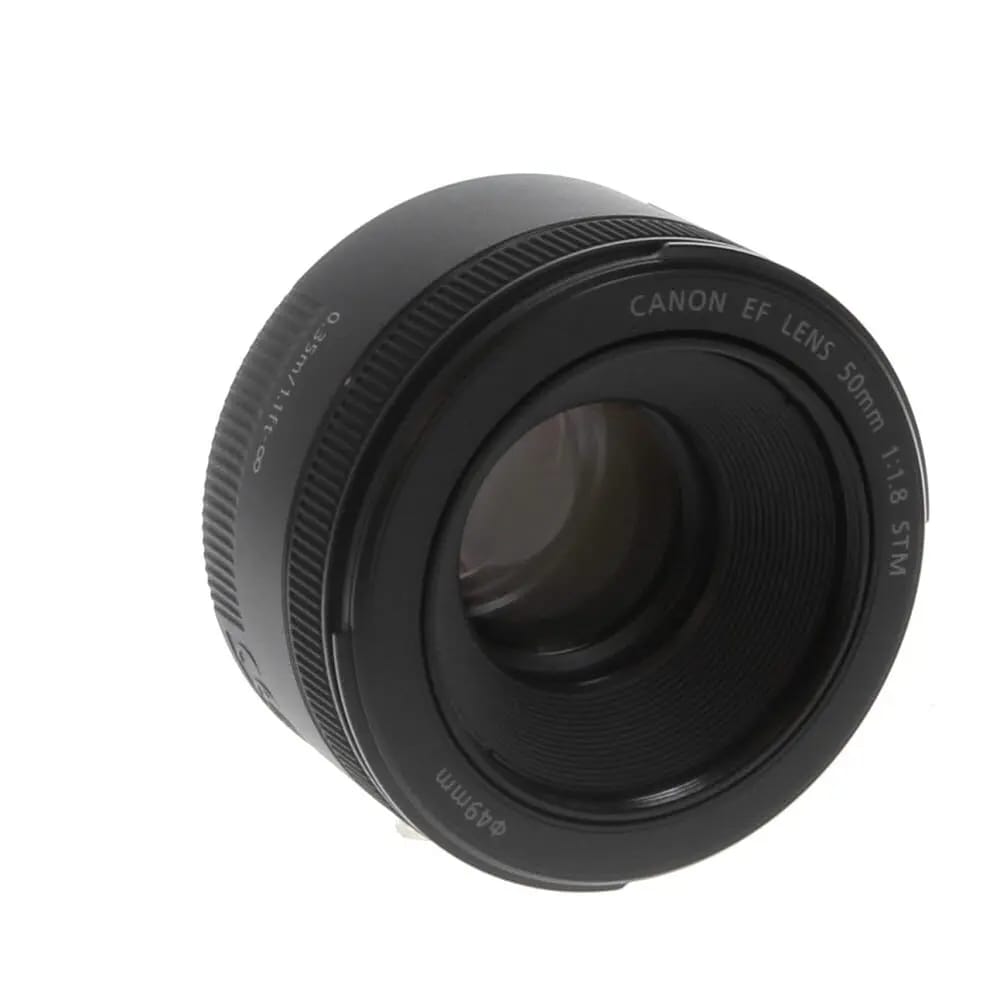
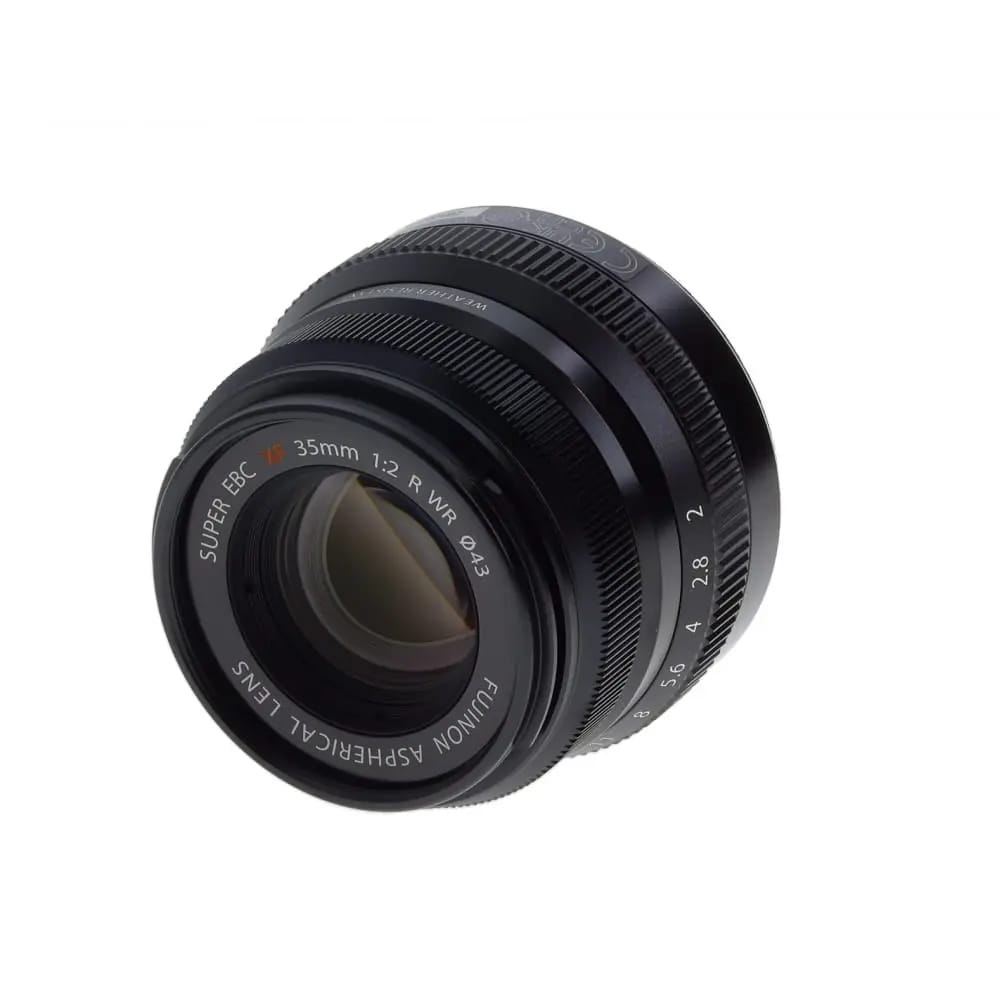
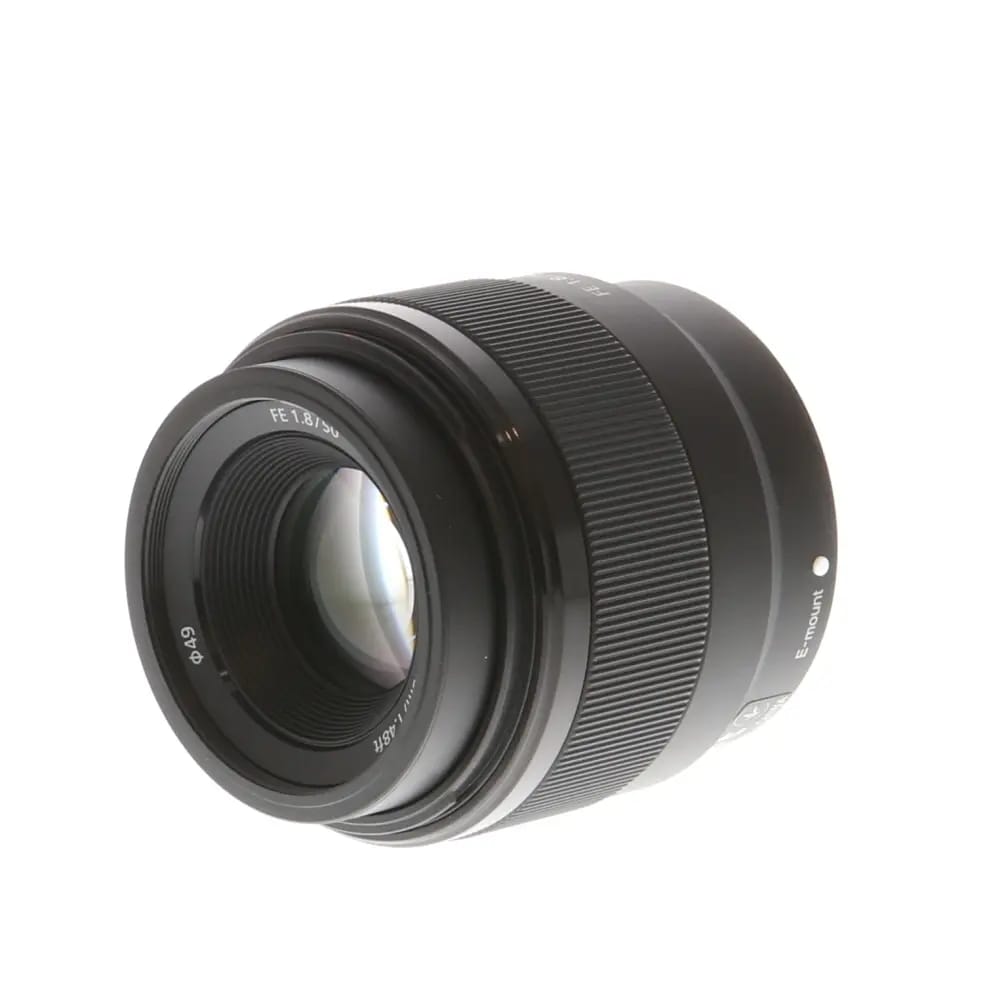
These affordable prime lenses are lightweight, sharp, and perfect for learning how a single focal length shapes the way we see the world.
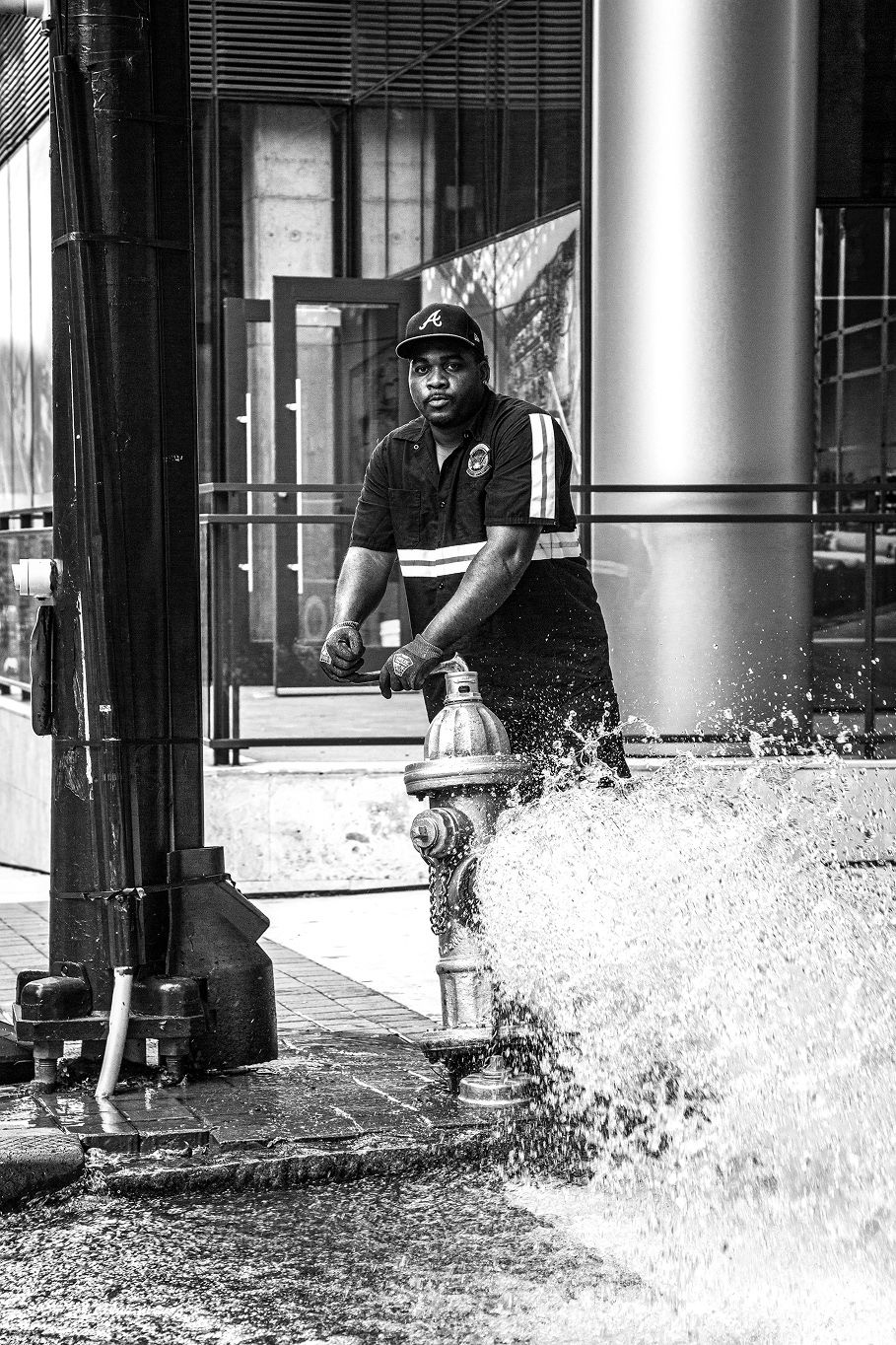
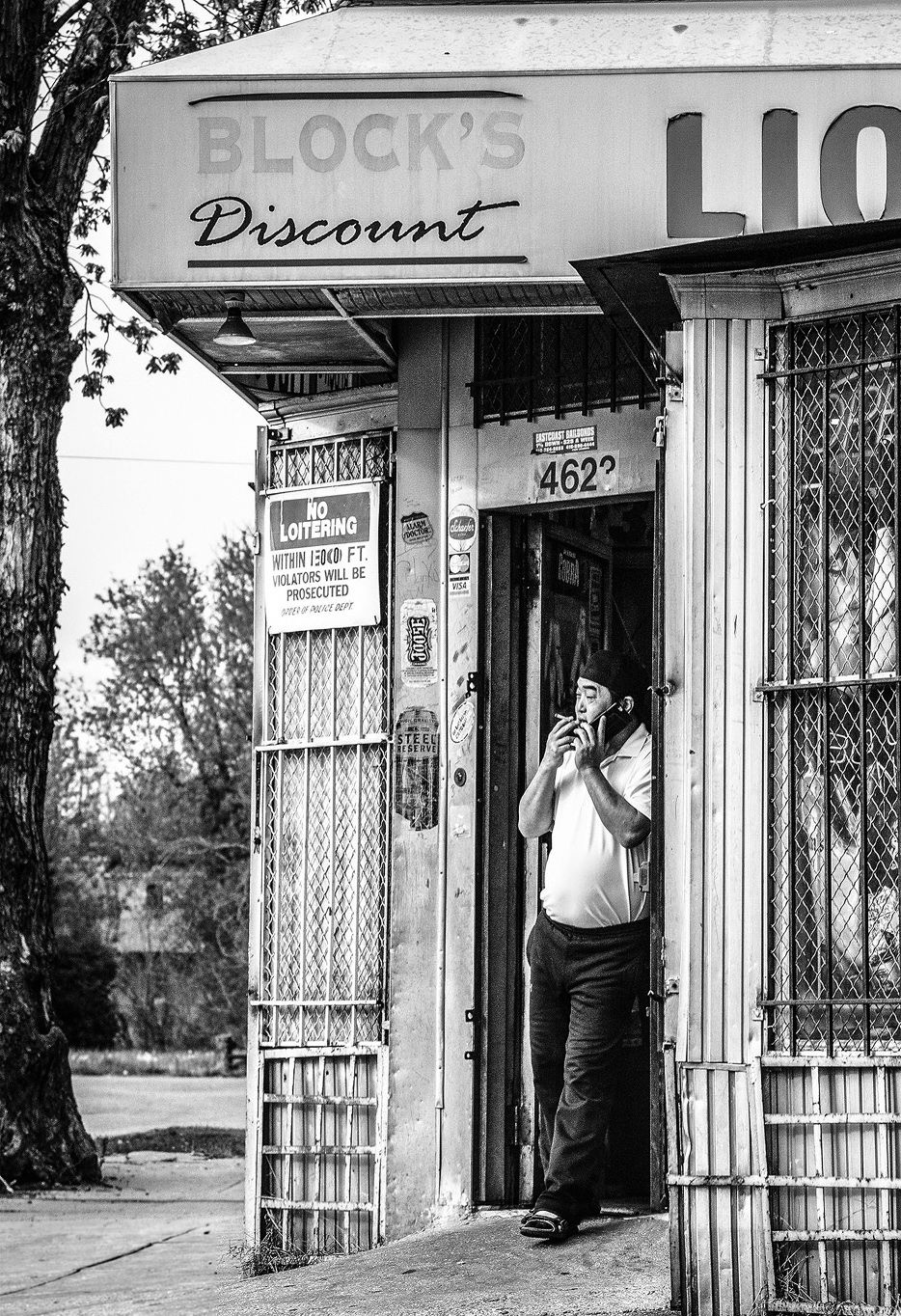
Spend an entire day shooting in black and white.
If your camera has a monochrome picture profile, use it. Otherwise, convert your images to black and white during editing.
Without color, every photo depends on light.
This challenge trains your eye to notice:
You’ll begin to see scenes differently and recognize strong light before you ever press the shutter.
Any camera can complete this assignment, but mirrorless cameras with electronic viewfinders let you preview your scene in black and white before you even press the shutter, making it easier to see light, contrast, and texture.
Recommended Cameras:
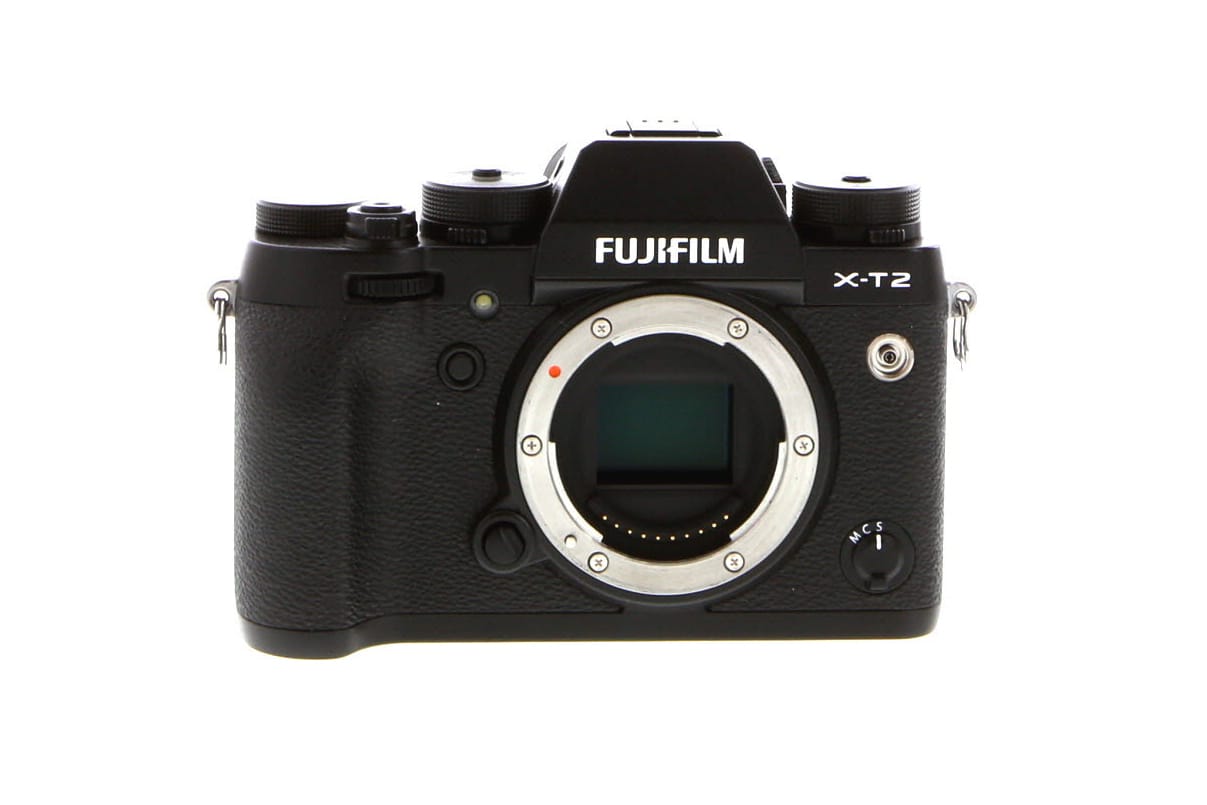
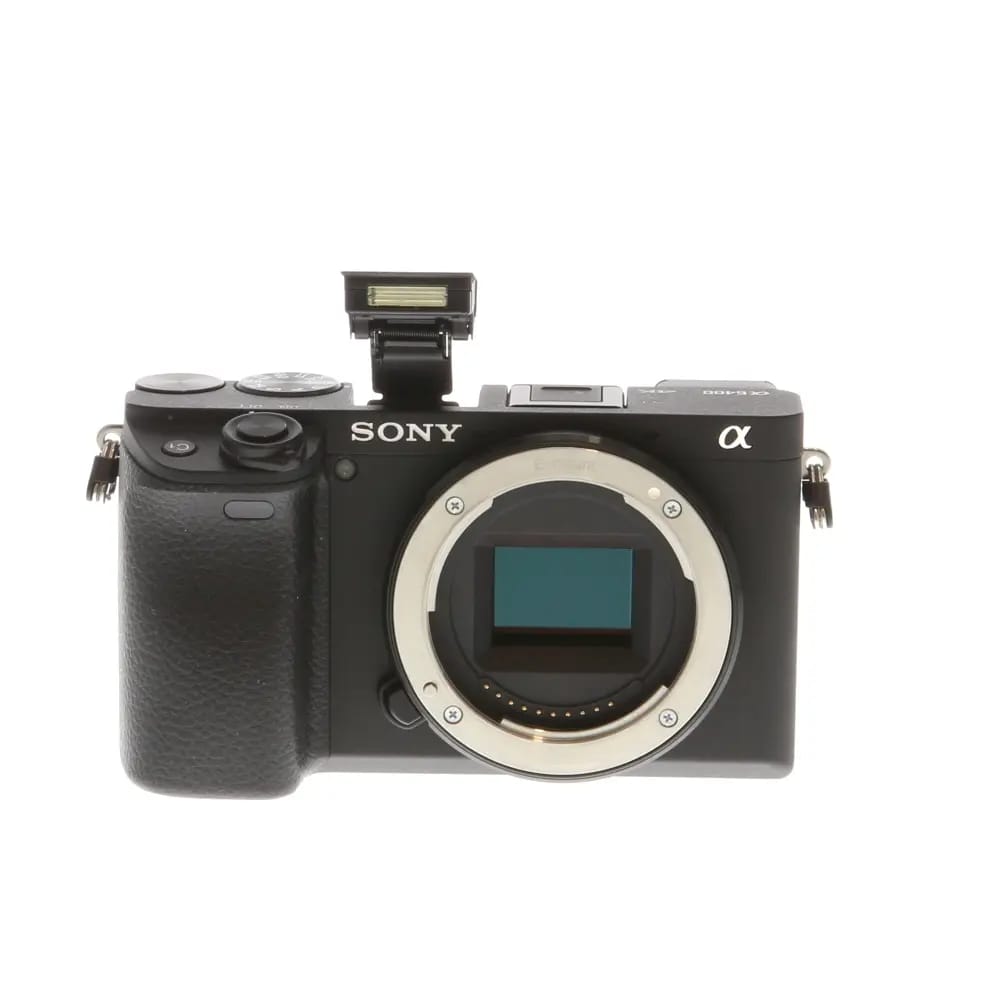
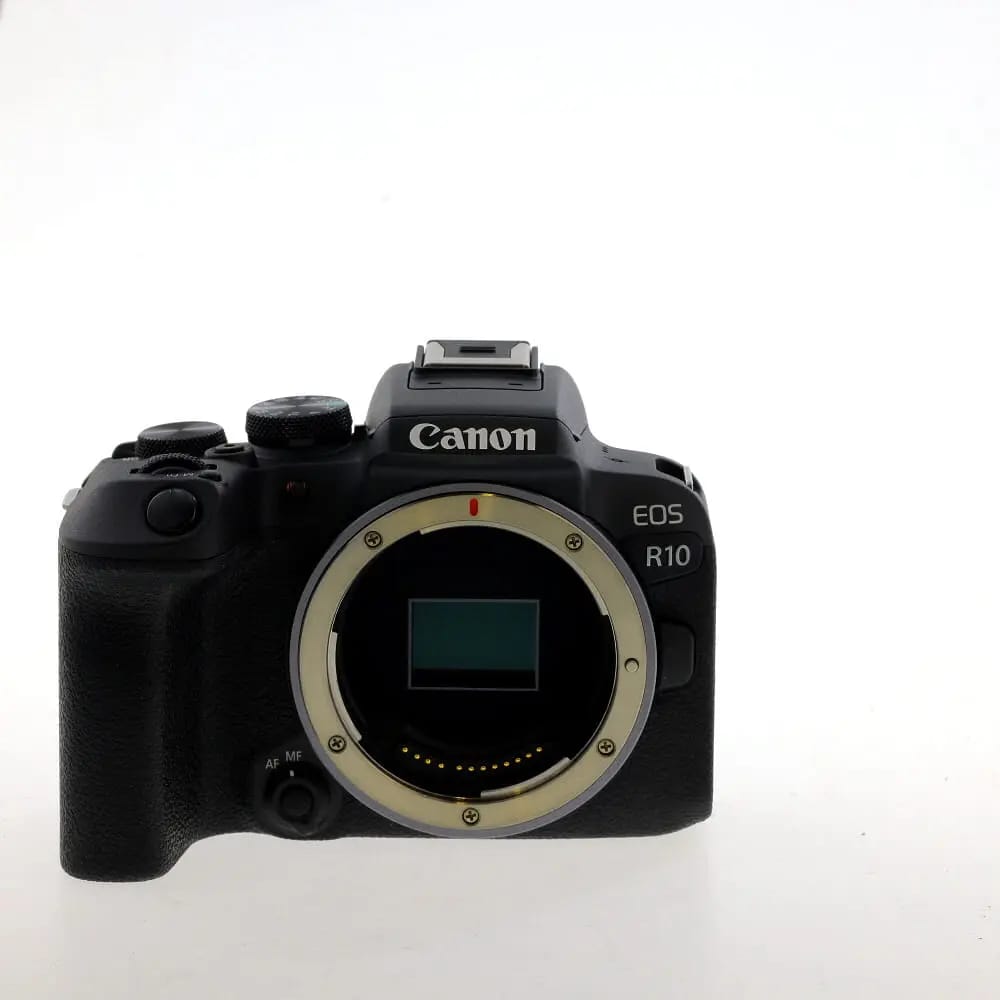
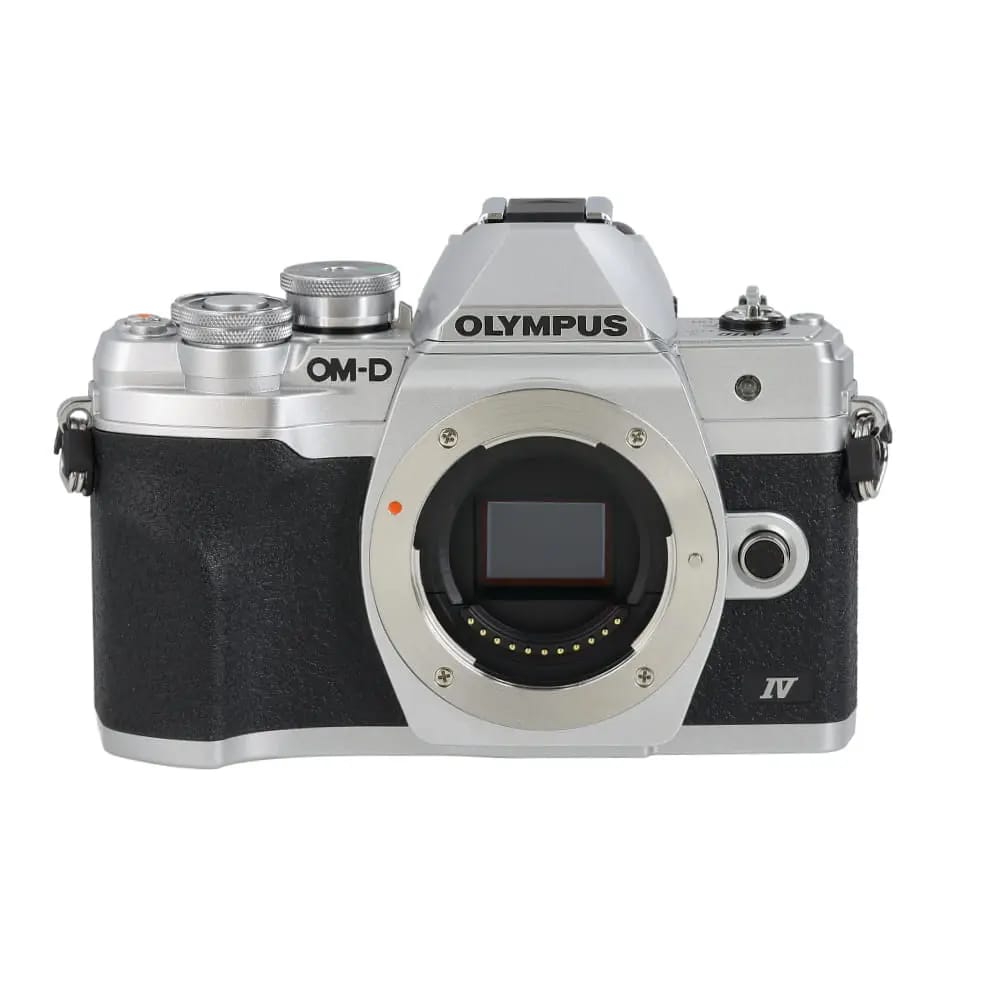
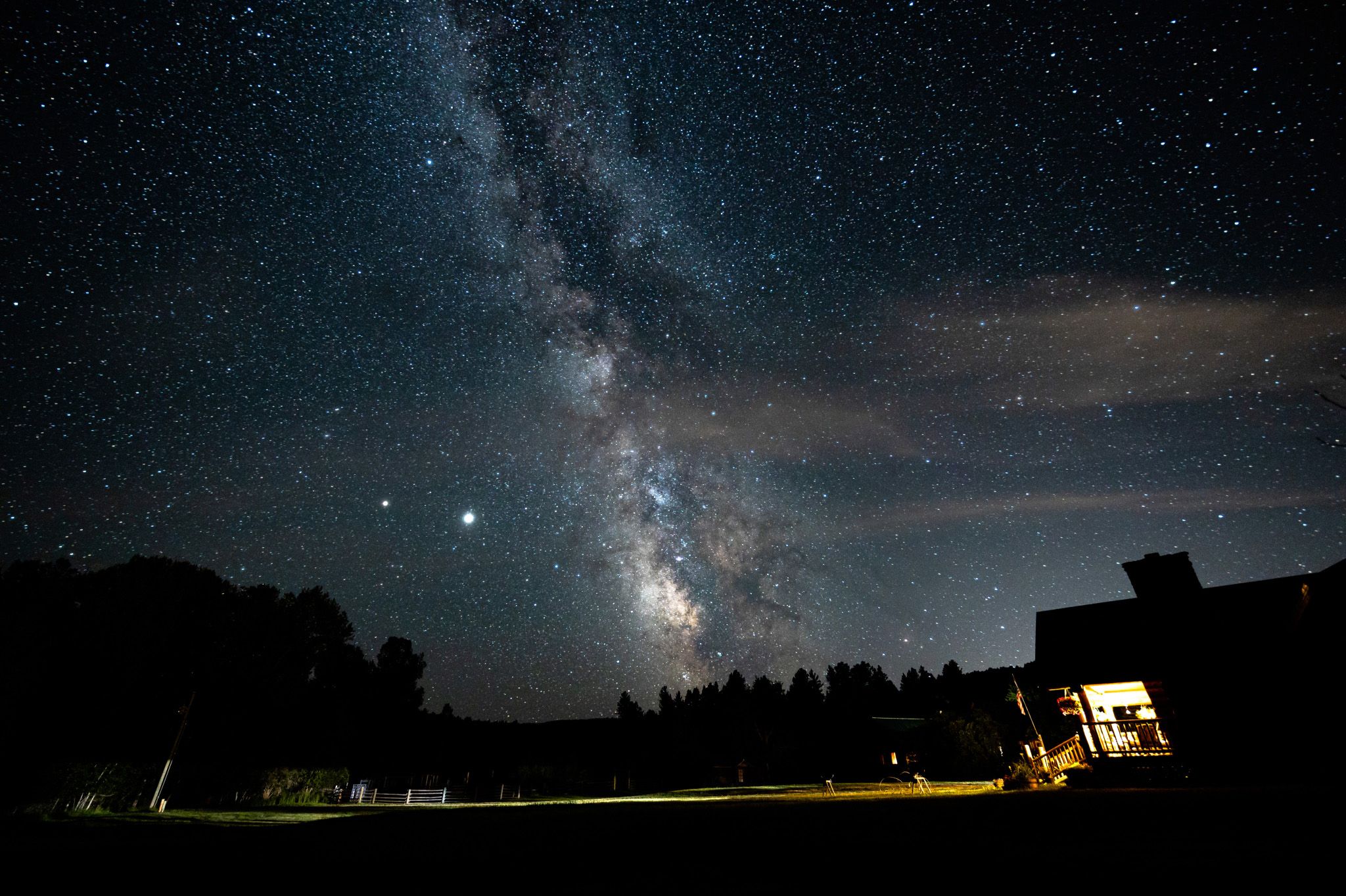
Once the sun goes down, grab your camera and head out for a nighttime photo walk.
Your mission: create interesting images using only the light available around you. Look for sources like streetlights, neon signs, car headlights, storefronts, windows, and reflections.
Experiment with different settings and techniques:
Try photographing the same scene with different settings and compare how each change affects the final image.
Night photography pushes you outside your comfort zone and teaches you how your camera really works.
When light is limited, you’ll start to understand the relationship between the three parts of the exposure triangle:
You’ll also learn creative techniques that aren’t possible in bright daylight, like capturing light trails, silhouettes, reflections, and dramatic shadows.
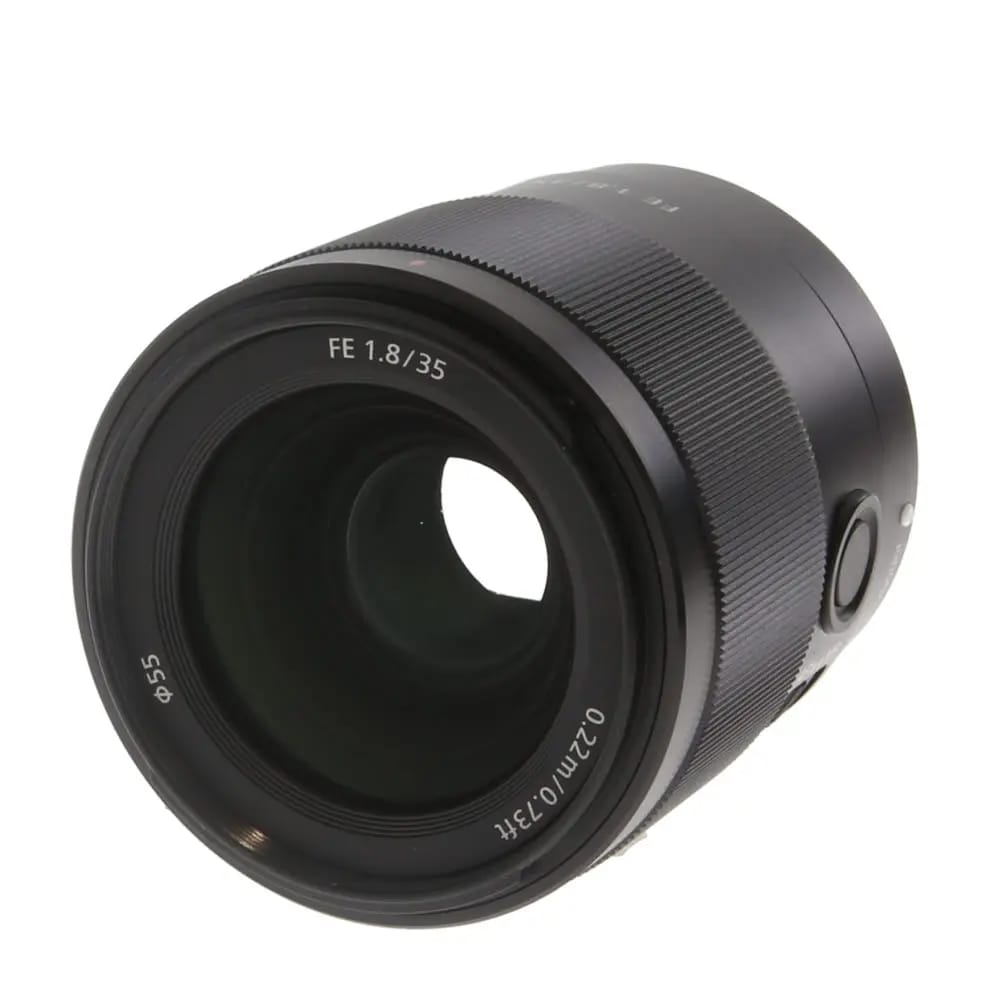
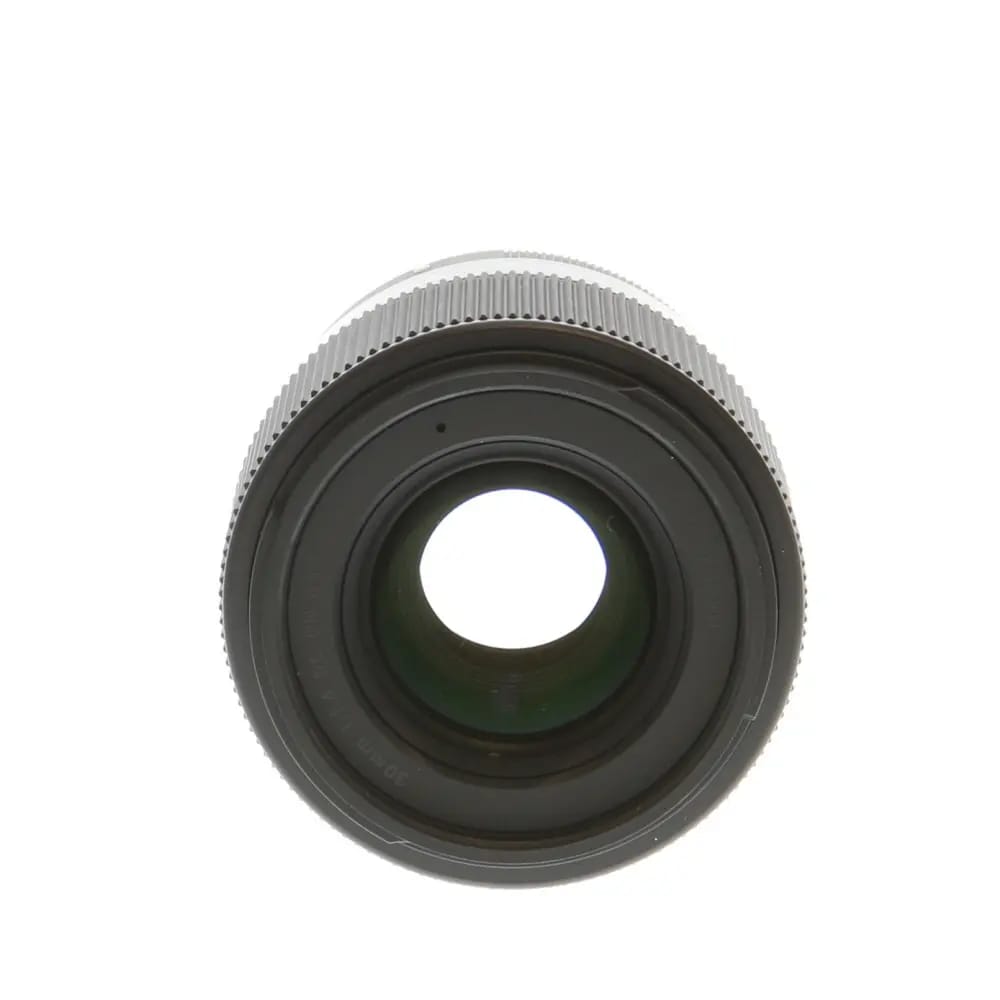
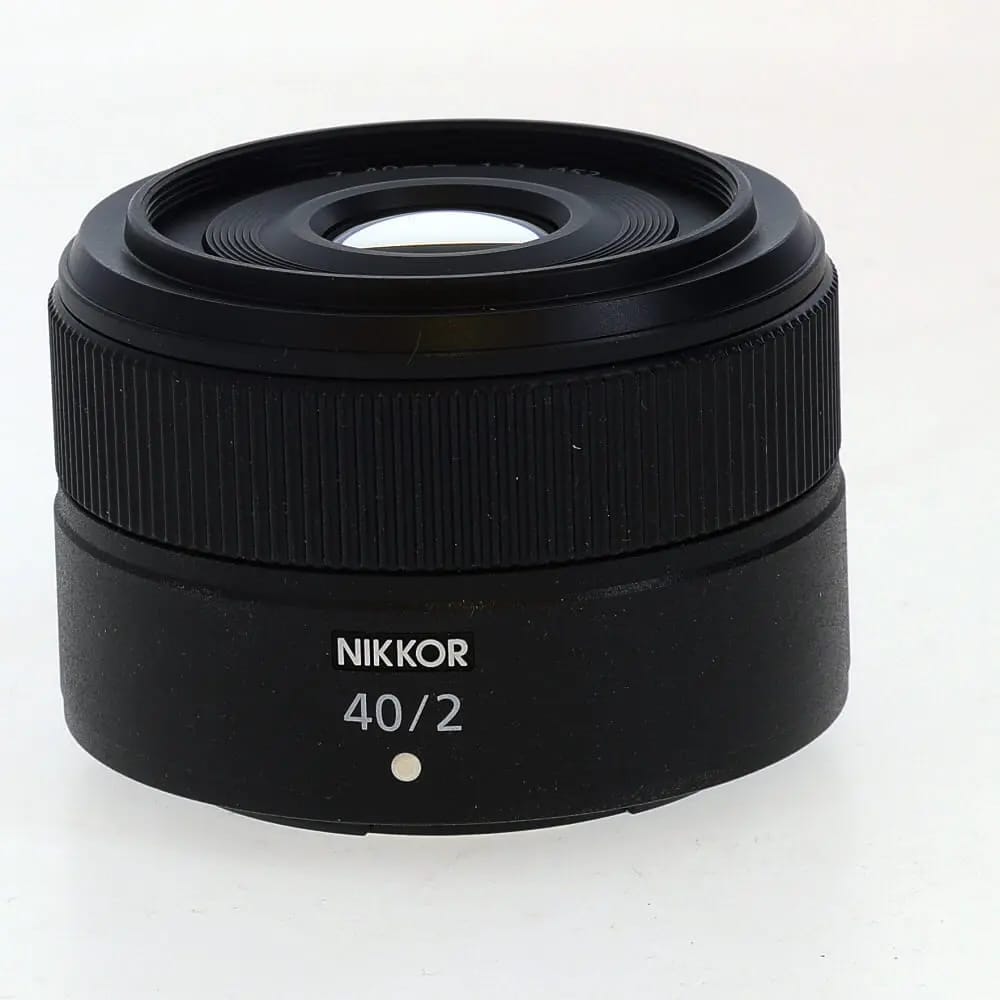
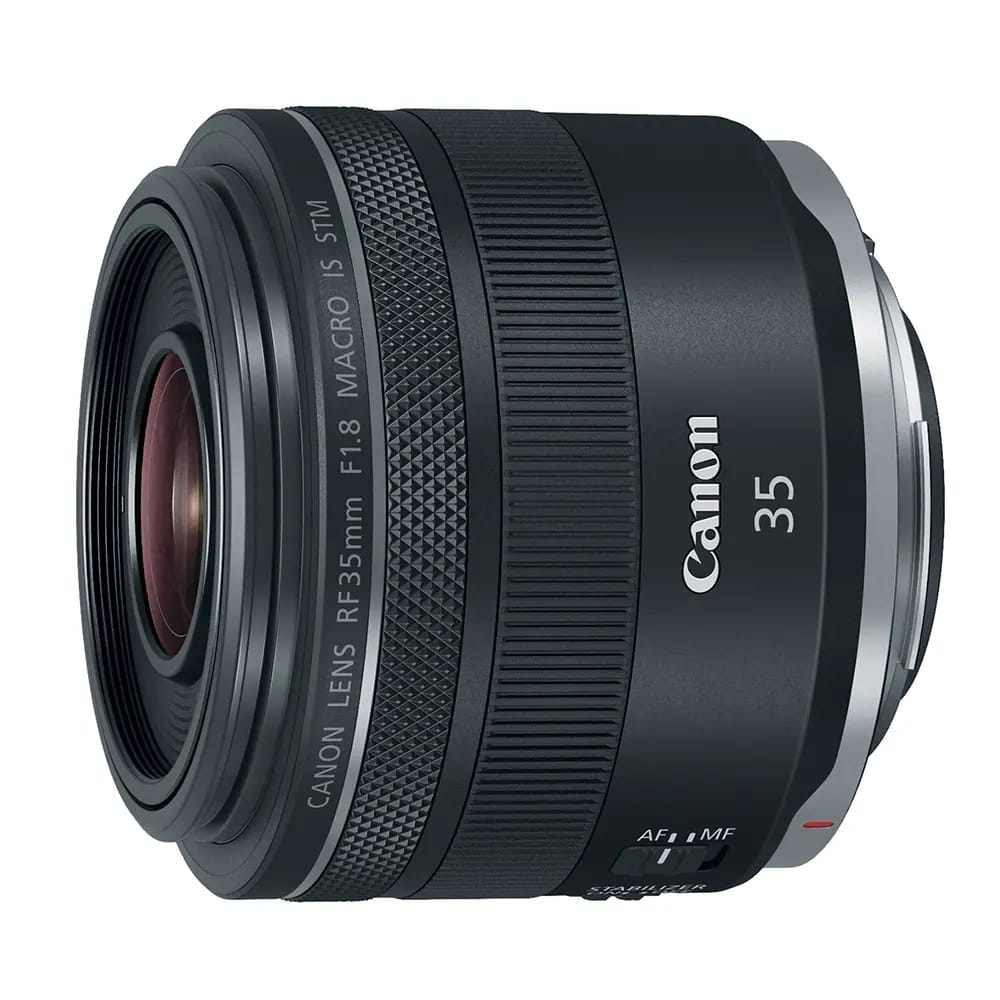
A sturdy tripod is one of the biggest upgrades for night photography. Pair it with a fast lens (like an f/1.8 prime) to make the most of available light.
Recommended Lenses:

Forget about finding interesting subjects. Instead, spend the day looking for interesting light.
Photograph only scenes where the light grabs your attention—whether it’s window light pouring into a classroom, golden hour across campus, or dramatic shadows cast by buildings.
Experienced photographers often say they chase light before they chase subjects.
This assignment helps you recognize:
Once you learn to see great light, almost any subject becomes interesting.
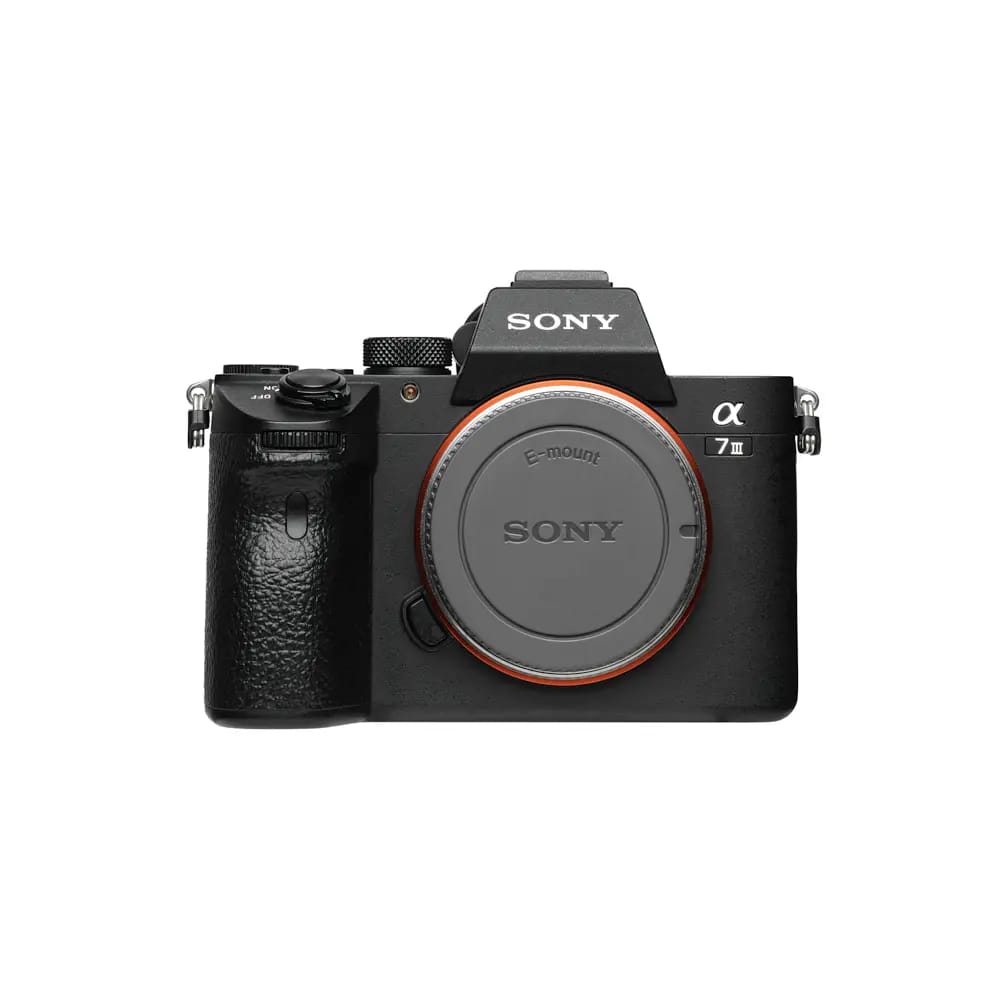
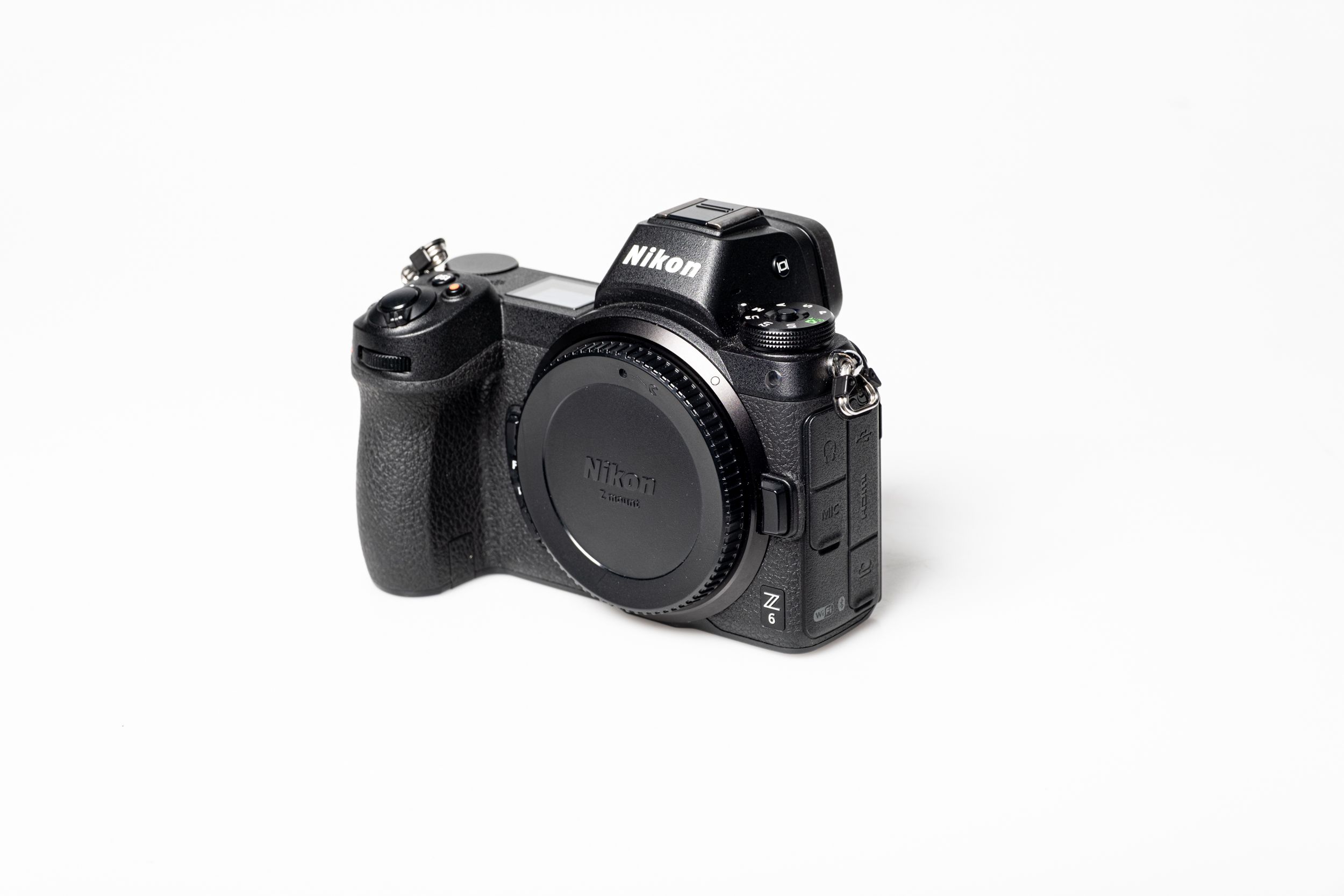
A camera with good dynamic range can help preserve details in bright highlights and deep shadows, but the most important tool is simply paying attention to the light around you. Choose a camera with an excellent electronic viewfinder and strong dynamic range.
Recommended Cameras:
Pair with:

Your camera is a storytelling tool. This assignment is all about learning how to find interesting moments in your everyday routine.
For one full day, carry your camera with you and document your life as it happens. Don’t wait for a big event or a perfect photo opportunity. Instead, challenge yourself to find the small moments that make up your day.
Photograph your ordinary routine:
Don’t wait for something exciting to happen.
Storytelling isn’t about extraordinary moments.
It’s about noticing the meaningful moments that everyone else walks past.
This assignment strengthens:
At the end of the day, arrange your favorite images into a photo story. You’ll be surprised how compelling everyday life can become.
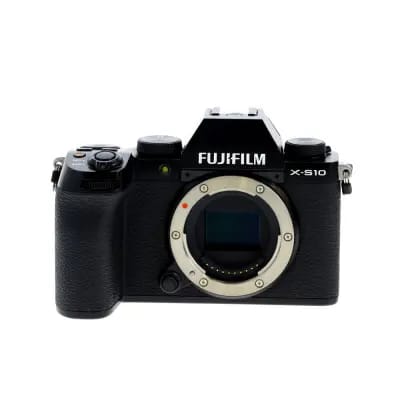
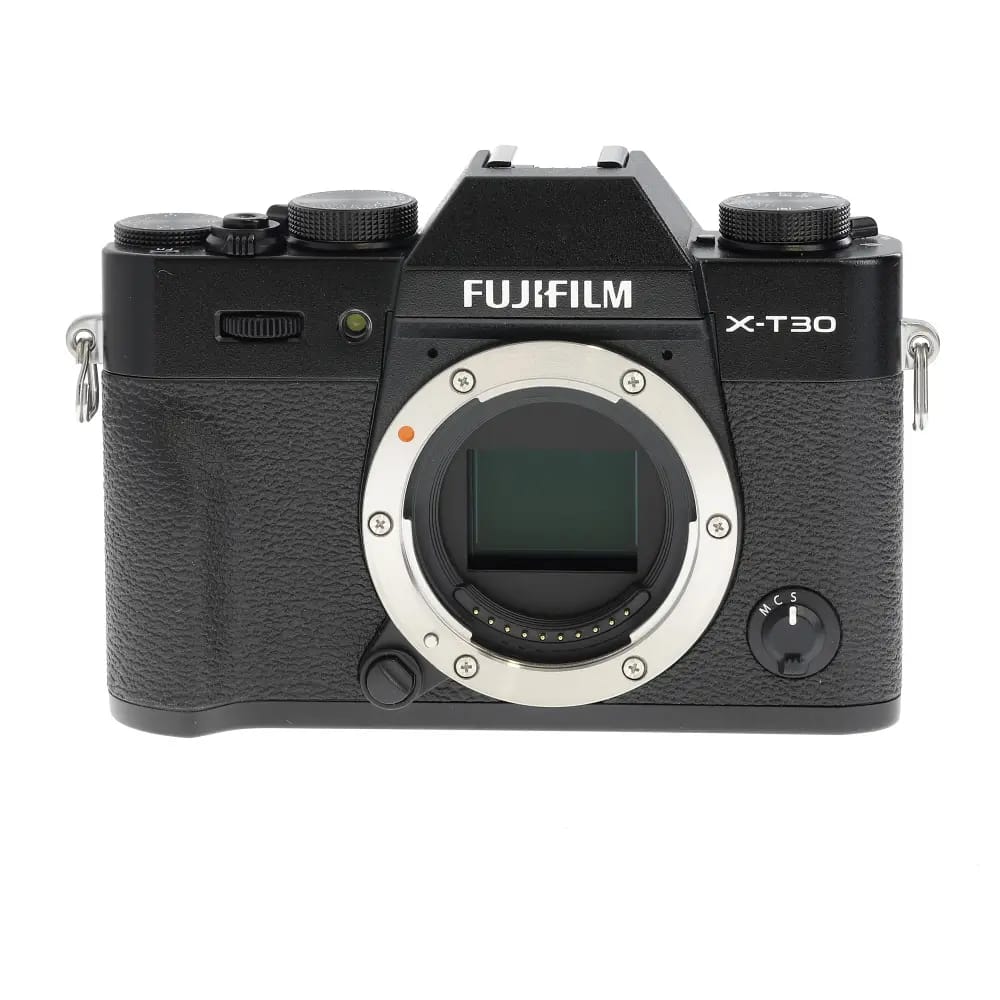
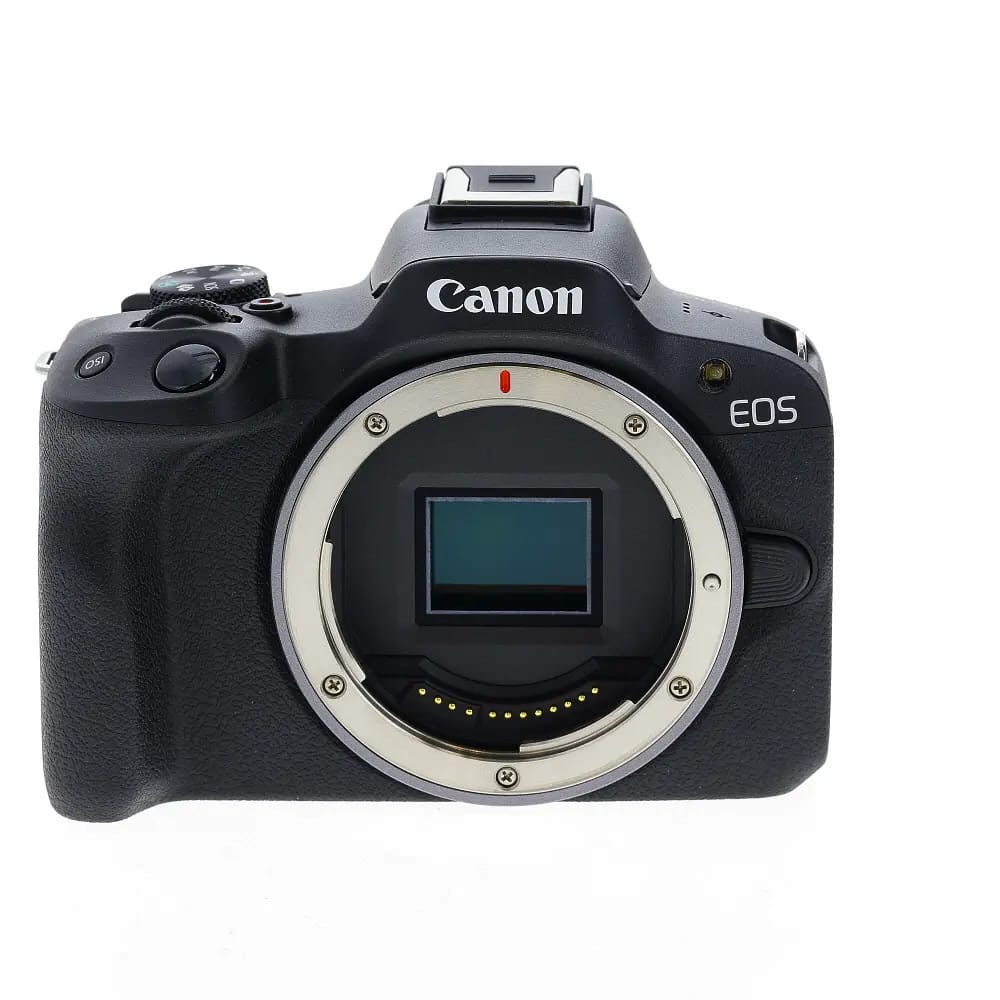
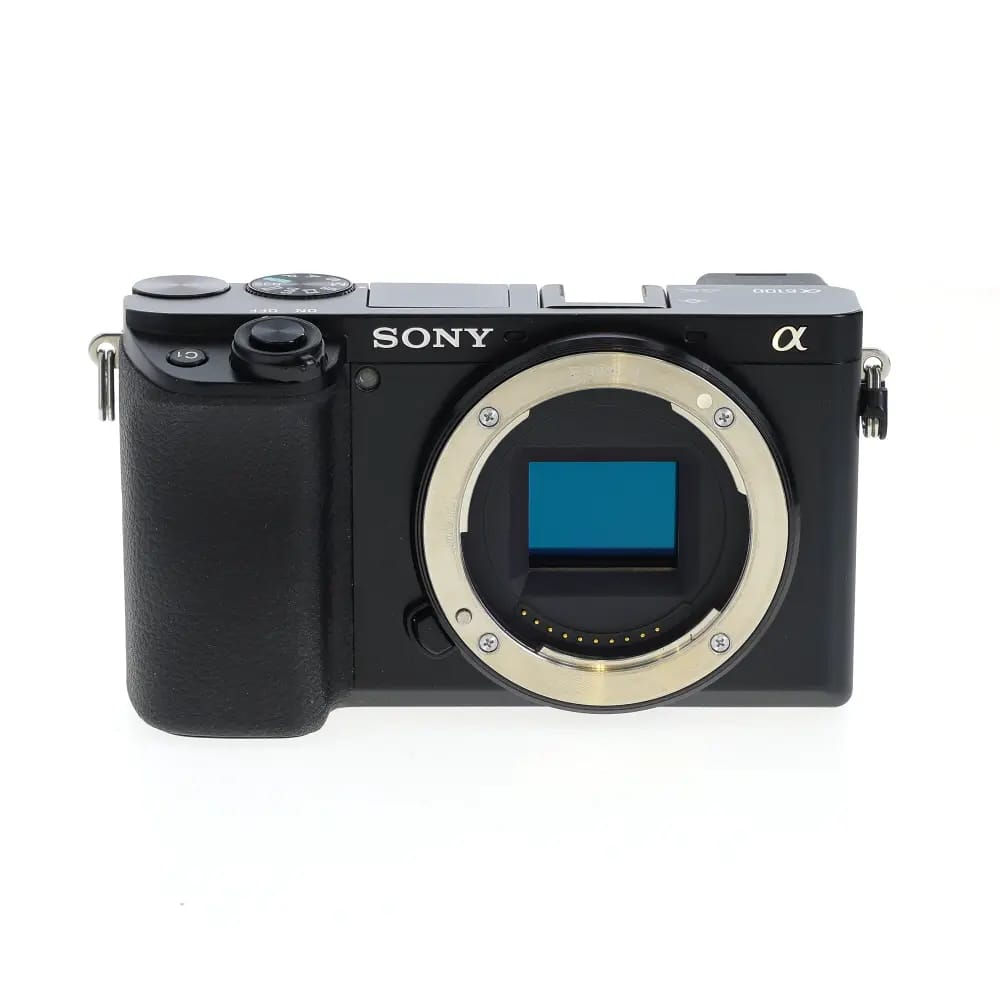
A lightweight mirrorless camera or compact point-and-shoot makes it much easier to carry your camera all day, increasing the chances you’ll capture moments you might otherwise miss.
Recommended Cameras:
Don’t Forget:
Want to push yourself even further? Try these bonus assignments once you’ve completed the first five.
Step out from behind the camera and make yourself the subject.
Create a self-portrait without simply holding your camera at arm’s length. Use a tripod, self-timer, remote shutter, or your camera’s companion app to capture an image where you’re intentionally part of the story.
Think beyond a traditional portrait. Use your surroundings, lighting, wardrobe, and personal interests to create an image that says something about who you are.
Being both the photographer and the subject challenges you to think differently. You’ll gain a better understanding of posing, composition, lighting, and storytelling while developing more empathy for the people you photograph.
Slow down and photograph like you’re shooting a roll of film. Before you start, choose a limit: either 24 or 36 photos for the entire challenge. Your goal is to make every frame count.
Do not review your images after every shot. Instead, wait until you’ve completed the challenge before looking through your photos. Pretend every click has a cost.
Digital photography makes it easy to hold down the shutter. Film teaches restraint.
Limiting yourself forces you to slow down, evaluate the scene, and make every frame count. Over time, you’ll become more intentional and confident with every shutter press.
Photography isn’t about completing assignments perfectly. It’s about showing up consistently and learning something every time you pick up your camera. The more you challenge yourself, the faster your skills—and your confidence—will grow.
Whether you’re shooting with your first camera or upgrading with KEH Certified™ pre-owned camera gear, remember: the best camera is the one you’re willing to take out and use. If you’re a student or educator, don’t forget you can also save an extra 5% with the KEH student discount.
So pick an assignment, grab your camera, and start shooting. Your next favorite photo might be the very next frame. And be sure to tag @KEHCamera on Instagram for a chance to be featured!
Want a chance to win a $500 KEH gift card? Enter our sweepstakes.
Nope. The best camera is the one you’ll actually use. These challenges work with any camera, from a smartphone to a KEH Certified™ pre-owned setup.
A camera that gives you room to learn. Beginner-friendly mirrorless cameras are a great place to start because they’re lightweight, versatile, and let you experiment with different lenses.
Shoot often, experiment, and challenge yourself. The more you practice with intention, the faster you’ll learn composition, lighting, and storytelling.
Eventually, yes. But don’t worry about mastering it on day one. Start by learning how aperture, shutter speed, and ISO affect your photos, then build from there.
Absolutely. KEH Certified™ pre-owned gear helps students access quality cameras and lenses at a better value, backed by expert inspection and a 180-day warranty.
A 50mm prime lens is a classic beginner choice because it’s affordable, versatile, and great for learning composition. A 35mm lens is another great option for everyday photography and storytelling.
Start with what’s around you. Your campus, friends, daily routine, and everyday moments can all become great photos when you focus on finding interesting light and telling a story.