You
have no items in your shopping cart.
Vintage Lens Adapting Guide: How to Use Vintage Lenses on Modern Cameras
September 13, 2026
1 min read

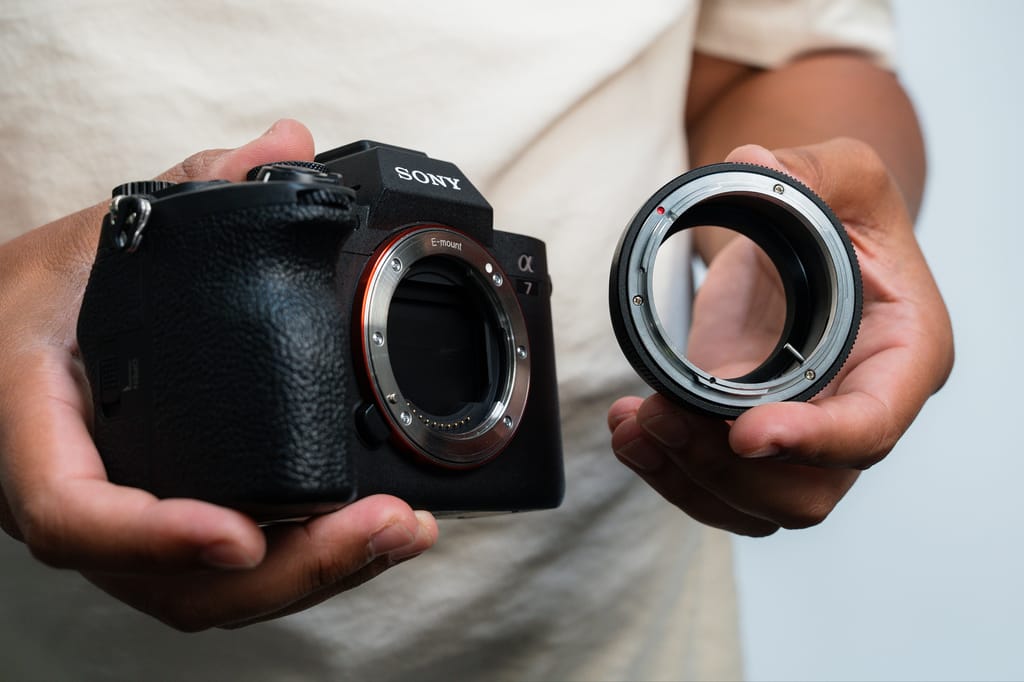
Vintage lenses can give modern digital cameras a look that is hard to duplicate with newer glass: gentler contrast, characterful flare, tactile focus rings, and compact metal builds. The key is choosing the right lens mount adapter, setting up your camera for manual-focus lenses, and adopting a slower, more intentional shooting process. This guide walks through adapting vintage lenses on modern cameras with practical steps you can use before buying, mounting, and shooting.
Yes, many vintage lenses can be used on modern cameras, especially mirrorless cameras, as long as the lens mount and camera mount are compatible with the correct vintage lens adapter. Mirrorless bodies are especially friendly because their short flange distance allows a simple mechanical adapter between the old lens and the new camera. DSLR bodies can be more limited, and some combinations may require optical correction or not focus to infinity.
Before you start adapting vintage lenses, remember that most older lenses will behave like manual-focus lenses. You may lose autofocus, electronic aperture control, lens metadata, and sometimes in-camera correction profiles. That is not a flaw; it is part of the process. The reward is a more hands-on way to shoot vintage lenses on digital cameras.
The first step in vintage lens adapting is identifying the lens mount, not just the camera brand. “Canon,” “Nikon,” “Minolta,” and “Pentax” can each refer to multiple mount systems, and an adapter must match the exact mount on the lens.
Common vintage lens mounts include:
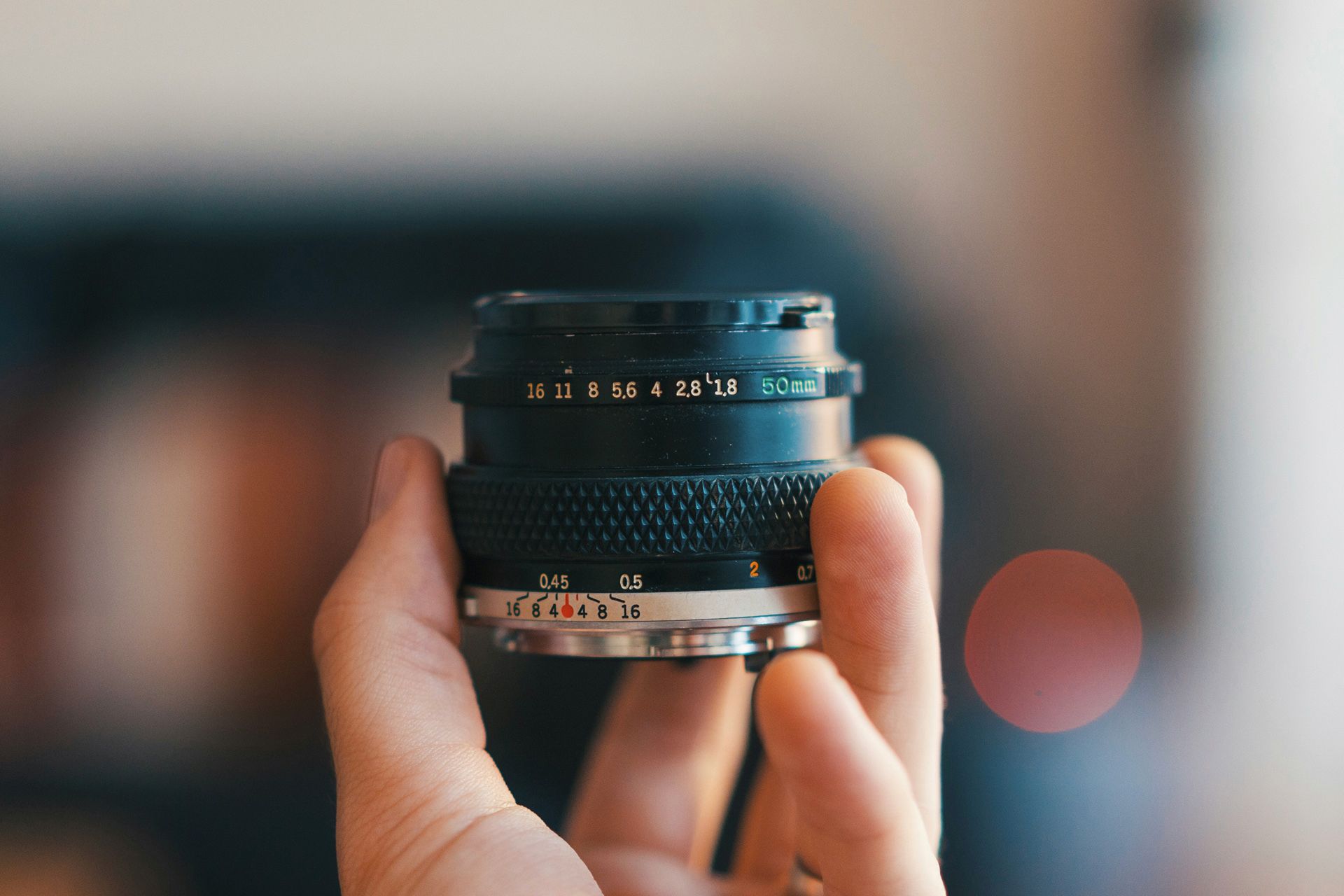
Look for markings on the lens mount, aperture ring, front name ring, or rear cap. If you are unsure, compare the rear of the lens with reliable mount reference photos before ordering anything. Buying the wrong lens mount adapter is one of the easiest mistakes to make, and it can lead to loose fit, no infinity focus, or a lens that simply will not attach.
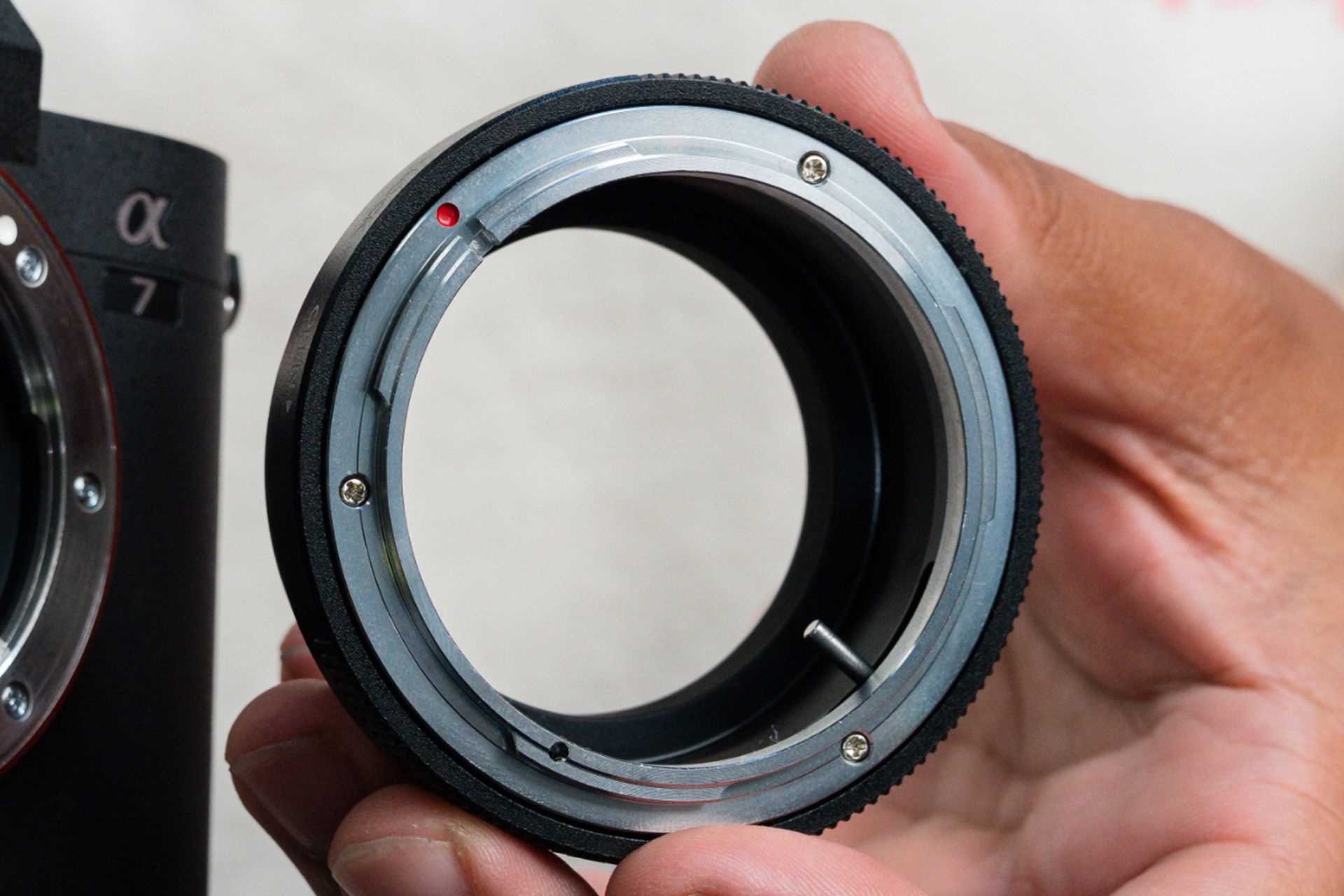
A lens mount adapter is a bridge. One side matches the vintage lens mount, and the other side matches your camera body mount. For example, if you want to use an M42 lens on a Sony E-mount camera, you need an M42-to-Sony E adapter, not just any M42 adapter.
Use this simple decision process:
For Canon EF and EF-S lenses on Canon RF bodies, the Canon Mount Adapter EF-EOS R is a current-style Canon EF adapter option that maintains electronic communication for compatible lenses. For Nikon shooters moving F-mount lenses to Nikon Z, the Nikon FTZ Mount Adapter is a Nikon F adapter designed for that transition. If you are using Canon EF or EF-S lenses on an EOS M body, the Canon EF-EOS M Mount Adapter without Support Mount for EOS EF/EF-S Lens to EF-M Mount is a compatible EF-M solution.
Before buying vintage lenses for mirrorless cameras, check mount compatibility, lens condition, aperture operation, and whether the focal length suits your camera’s sensor size. A 50mm lens behaves like a normal lens on full frame, but it becomes a tighter short telephoto on many APS-C bodies and even tighter on Micro Four Thirds. That can be useful for portraits, but it may feel cramped indoors.
Use this quick pre-purchase checklist:
Condition matters more than age alone. A well-kept older lens can be a joy to use, while a poorly stored lens can create frustration even if it is a famous model. If you are shopping used, clear grading, return options, and accurate mount information are worth paying attention to.
Vintage lenses on modern cameras are not automatically better or worse than current lenses. They are different. Many older lenses have lower contrast wide open, more flare, busier corners, or visible chromatic aberration in harsh light. Those traits can be beautiful for portraits, street photography, video, and black-and-white work, but they may not suit every technical assignment.
To get the best results:
The real value of adapting lenses to mirrorless is creative control. You can pair a modern sensor with older rendering, compact primes, unusual focal lengths, or lenses that make you slow down and compose more deliberately.
If the camera will not take a photo, enable shooting without a lens and confirm the battery is charged. If the image is dark, open the aperture ring and check whether the lens has an auto/manual aperture switch. Some M42 lenses, for example, need the correct switch position or adapter pin behavior for the aperture to close properly.
If the focus is soft, separate the focusing technique from the adapter problems. Use a tripod, magnified live view, and a high-contrast subject. If the lens is sharp close up but cannot focus at infinity, the adapter may be too thick, or the lens may be out of adjustment. If the lens wobbles, stop using it until you confirm the adapter is properly locked and not damaging the mount.
You do not need a drawer full of adapters to enjoy vintage lenses on digital cameras. Start with one camera system, one adapter, and one clean prime lens. A common path is a 28mm, 35mm, 50mm, or 135mm lens in a mount with plenty of available options, such as Nikon F, Canon FD, Minolta MD, or M42.
Once you know what you like, expand intentionally. Add a wider lens for travel, a fast 50mm for portraits, or a macro lens for close-up work. Keep notes on which lenses focus easily, which flare beautifully, and which are best stopped down. That small habit turns experimentation into a dependable kit.
Learning how to use vintage lenses is less about chasing perfection and more about building a repeatable rhythm. Identify the mount, choose the correct adapter, set the camera for manual operation, focus carefully, and test before relying on the setup. When the pieces fit, vintage lenses on mirrorless cameras can make everyday shooting feel fresh again.
Explore used lenses, adapters, and camera bodies through KEH when you are ready to build or refine your vintage setup. Start with compatibility, buy a condition you can trust, and give yourself time to learn the lens before judging what it can do.
Often, yes. Many vintage lenses can be adapted for digital cameras, but whether a specific lens will work depends on the lens mount, the camera mount, and the adapter you choose.
Usually not. Traditional vintage lenses are manual focus. Some modern adapters can preserve electronic functionality for certain lens systems, but do not assume autofocus will work without confirming the lens, adapter, and camera combination.
You need an adapter that matches the vintage lens’s mount to your camera’s mount. For example, adapting a Canon FD lens to a Canon EF camera requires an FD-to-EF adapter, which is different from an EF-to-RF adapter used for EF lenses on RF bodies.
Sometimes, but not always. Many vintage lenses can be affordable, yet pricing varies widely based on brand, focal length, condition, rarity, and demand.
They can be, especially if you want to learn manual focus and experiment with different focal lengths and rendering. The tradeoff is that they require more hands-on control than most modern autofocus lenses.
Yes. Mirrorless cameras are particularly well-suited to adapted lenses because of their short flange distances, focus-peaking capabilities, and electronic viewfinders.
The lens determines the look. Vintage lenses may produce more flare, lower contrast, softer corners, distinctive bokeh, or other characteristics that differ from modern designs. Depending on your goals, those traits can be creative advantages.