You
have no items in your shopping cart.
How to Build a Photography Portfolio That Gets You Hired
October 30, 2026
1 min read


A strong photography portfolio is not a storage place for your best-looking images. It is a focused argument: this is the work you can make, this is how consistently you can make it, and this is why a client or hiring manager should trust you with the next assignment. Here’s how to build a photography portfolio that gets you hired: practical image selection, sequencing, presentation, and portfolio projects, with KEH Certified™ pre-owned gear supporting the work when your current kit no longer meets the job.
A hiring portfolio needs to prove that you can deliver the kind of images the client actually needs, not just that you own a camera or have made a few impressive photographs. Hiring managers, art directors, editors, couples, families, and small business owners all look for the same core signals: consistency, technical reliability, a clear point of view, relevance to the assignment, and evidence that you can finish the job under real conditions.
That means quality and direction matter more than quantity. Ten focused images that feel intentional will beat 60 mixed images every time. A professional photography portfolio should make the viewer think, “I know what this photographer does, I know when I would hire them, and I trust that they can do it again.”
Look at your current photography portfolio through these five questions:

One of the most useful photography portfolio tips is also the most uncomfortable: remove images that do not support the work you want next. If you want portrait clients, lead with portraits. If you want editorial assignments, show story, atmosphere, and pacing. If you want commercial product work, show control, repeatability, and clean problem-solving.
This is where a beginner’s photography portfolio often goes sideways. New photographers try to look versatile by showing a little bit of everything: a graduation photo, a bird in flight, a moody street scene, a friend’s engagement session, a concert shot, and a product image on the kitchen table. The intention is understandable, but the result is usually confusion. Clients hire clarity.
Before choosing images, write one sentence that defines the portfolio’s purpose. For example: “I photograph relaxed outdoor family portraits for busy parents,” or “I create clean, colorful product images for small lifestyle brands.” That sentence becomes your filter. If an image does not support it, save it for another gallery or omit it.
Ruthless editing is not about being harsh for the sake of it. It is about respecting the viewer’s time and protecting your strongest work from being weakened by nearby images. A good edit removes duplicates, almost-great frames, technical compromises, and images that require too much explanation.
Start with a wide pull, then narrow in stages. Do not try to make final decisions while emotionally attached to the shoot. Step away, come back, and judge the images by whether they serve the portfolio’s goal.
A practical editing process looks like this:
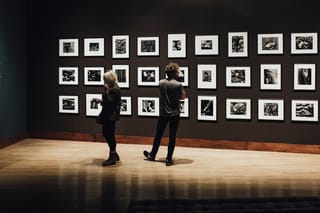
Sequencing matters because people read images in relation to each other. Two quiet frames in a row can feel elegant; six can feel flat. A bold color image next to a muted black-and-white photograph might create energy, or it might make the gallery feel inconsistent. Move images around until the portfolio has rhythm.

Single images can show skill, but photography portfolio projects show thinking. A project has a subject, a visual approach, and enough depth to prove you can make more than one good frame. It might be a portrait series of local chefs, a documentary set from a community event, a mock campaign for a skincare brand, or an editorial-style story about a neighborhood business.
This is where photography portfolio examples can be useful, but only if you study the structure instead of copying the style. Notice how strong portfolios group related images, use pacing, and avoid showing every frame from a shoot. The best galleries feel complete without feeling bloated.
For each project, aim for a small but complete set: an opener, a few supporting images, detail shots where relevant, and a closing image. If you are building a photography portfolio website, organize projects so the viewer can quickly understand what they are seeing. A title, one or two sentences of context, and a clean gallery often do more than a long explanation.
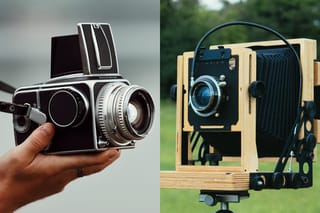
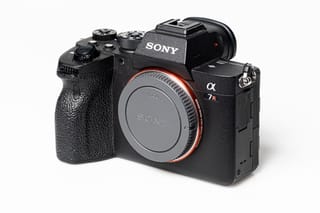
Use your current gear first. A focused idea, good light, and careful editing will teach you more than buying equipment before you know what problem you are solving. If a clear need arises—such as a dependable backup body, a focal length better suited to portraits, or lighting support for consistent product work—then shopping KEH Certified™ pre-owned cameras, lenses, or accessories can help you build a kit around the work rather than the other way around.
A general portfolio can introduce your eye, but a targeted portfolio gets hired. Different clients need different evidence. Show them the kind of proof that matches the pressure of their job.
If you work in more than one genre, separate the galleries. Do not make a corporate headshot buyer dig through wedding receptions, or an editorial client scroll through family sessions. Good navigation is part of good positioning.
Beginners can build a credible portfolio by creating the same kind of work they want to be hired for, even before clients are paying for it. The key is to make the projects intentional, complete, and relevant rather than random practice shoots.
Personal projects are the cleanest place to start. Choose a subject you can access repeatedly and photograph it with a clear visual approach. If you want restaurant work, ask a small café whether you can create a limited test set during a slow hour. If you want portraits, build a series around musicians, runners, makers, students, or neighbors with a consistent lighting style.
Test shoots and collaborations can also help, as long as expectations are clear. Work with stylists, makeup artists, models, designers, or small brands that also need images. Agree on usage, timing, and deliverables before anyone starts working. Treat the shoot like a real assignment: plan a shot list, scout the location, manage the schedule, edit tightly, and deliver finished files cleanly.
Targeted volunteer work can be useful when it resembles the work you want. Photographing a nonprofit event can help build an event portfolio. Making portraits for a community arts organization can support an editorial or portrait direction. Avoid unpaid work that gives you no relevant images, no control, and no clear value in return.
Strong photography portfolio projects for beginners might include:
Your online portfolio needs speed, clarity, and easy contact. Your in-person or print portfolio needs pacing, physical quality, and conversation. They should feel related, but they do not have to be identical.
A photography portfolio website should load quickly, work well on mobile, and make your best work easy to find. Use simple gallery names, clear menus, and a contact page that includes your name, location or service area, email address, and a short note about what you photograph. If you want inquiries, do not hide the path to hire you.
Social media can support your portfolio, but it should not replace it. Algorithms, cropping, compression, account access, and mixed personal posts can all work against you. Use social channels to show recent work, behind-the-scenes process, and personality, but send serious prospects to a website that you control.
Print still matters for certain meetings, reviews, and high-touch client conversations. A printed edit slows people down. It lets them see color, detail, paper choice, and sequencing without tabs, notifications, or screen brightness, changing the experience. Keep the print set tight, handle it carefully, and make sure the work matches the job you are discussing.
Your short bio should answer three things: who you are, what you photograph, and who you help. Keep it plain. Add project context where it helps the viewer understand the assignment, constraints, or intent, but do not over-explain weak images. Strong work gets clearer with context; weak work asks context to rescue it.
Most photography portfolio mistakes are not dramatic. They are small decisions that make the viewer less confident. Fortunately, they are fixable.
The fix is simple, not easy: narrow the work, clarify the audience, and remove anything that weakens trust.
A portfolio is not finished once it goes live. Review it on a schedule. Every few months, remove older work that no longer represents you, add stronger recent projects, update your bio, test your contact form, and check that galleries still match the kind of work you want.
This is also a good time to evaluate your kit honestly. If your current camera and lens setup helps you deliver consistent work, keep using it. If you repeatedly run into the same limitation—missed low-light focus, no backup body for paid events, a lens that does not fit the look clients hire you for—then buying, selling, or trading gear can be a practical business decision rather than a distraction.
The best photography career advice here is to let the work lead. Build the portfolio first, identify the gaps, then make gear decisions around real needs. KEH Certified™ pre-owned gear is most useful when it supports a clearer portfolio, a smoother shoot, or a more reliable client experience.
Enough to prove consistency, not every good frame you’ve ever made. For most photographers, 10–25 strong images per niche gallery is plenty, especially if you show complete projects or full sessions.
Yes, if they look like the kind of work you want to be hired for. A well-produced personal project often shows more direction and consistency than early paid work.
If you want serious inquiries, a website you control is the most reliable home base. Social platforms are useful for discovery, but they are not designed for clean navigation, consistent presentation, or frictionless contact.
Review it every few months. Remove work that no longer represents your current level, replace older images with stronger recent projects, and make sure your contact info still works.
Not automatically. Gear upgrades make sense when they solve a recurring problem—like unreliable autofocus in low light, no backup body for events, or the need for controlled lighting for product work. Let the work and the brief drive the purchase.