You
have no items in your shopping cart.
Best Mirrorless Cameras Under $1,000
February 08, 2023
1 min read


What you will learn: Not sure where to start with mirrorless cameras? Whether you’re upgrading from a DSLR or picking up your first serious camera, the options can feel overwhelming fast. This guide breaks down the best mirrorless cameras under $1,000, with picks for beginners, travelers, video shooters, professionals, and more, so you can find the right body for how you actually shoot without overspending on features you don’t need.
Mirrorless cameras have taken the photography industry by storm, with both novice and professional photographers making the switch to mirrorless systems. Mirrorless cameras are generally smaller and lighter, making them a desirable solution for photographers wanting a more portable camera that still has an interchangeable lens system. As reputable camera brands are offering mirrorless cameras with all the features of a DSLR, mirrorless cameras have become the industry standard for photographers worldwide. The good news for budget-conscious shoppers: you do not need to spend thousands of dollars to get a capable mirrorless system. This guide breaks down the best mirrorless cameras under $1,000 in 2026, including certified pre-owned options that deliver flagship performance for a fraction of the original retail price.
Unlike DSLR cameras, which use a “reflex” arrangement of a mirror + pentaprism (or pentamirror) to guide lens light to a (typically optical) viewfinder, mirrorless cameras exclusively send lens light to the digital sensor. Mirrorless cameras electronically relay a continuous real-time sensor feed for immediate display on a screen. The display screen might be a rear LCD screen on the camera exterior, an Electronic ViewFinder (EVF) behind an eyepiece, an external monitor connected by a cable, or even a mobile device connected wirelessly. This design is exactly why mirrorless cameras under $1,000 can compete with much pricier DSLR setups: removing the mirror and prism reduces manufacturing cost and complexity without sacrificing image quality.
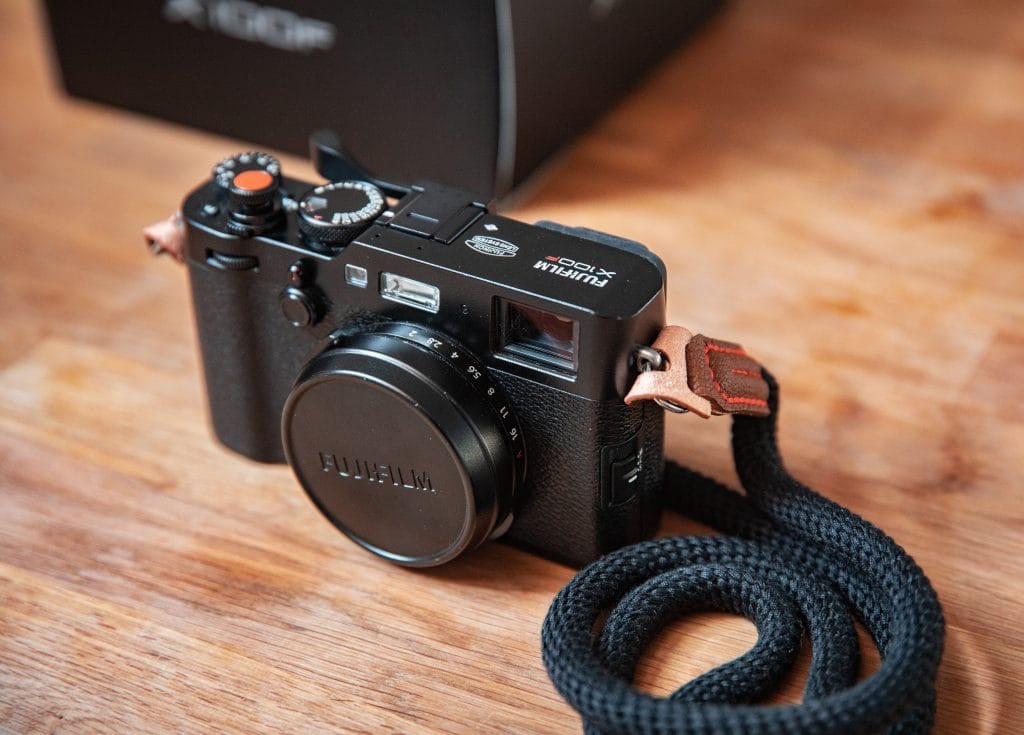
There are a few notable advantages when it comes to mirrorless cameras over their DSLR counterparts, which have propelled them to the popularity we see today.
While many mirrorless cameras can cost upwards of $4,000 for the body alone, you can find plenty of quality options that take professional-grade photos without breaking the bank, especially when buying certified pre-owned. In this article, we will explore the best mirrorless cameras under $1,000 in 2026, with picks for every type of photographer.
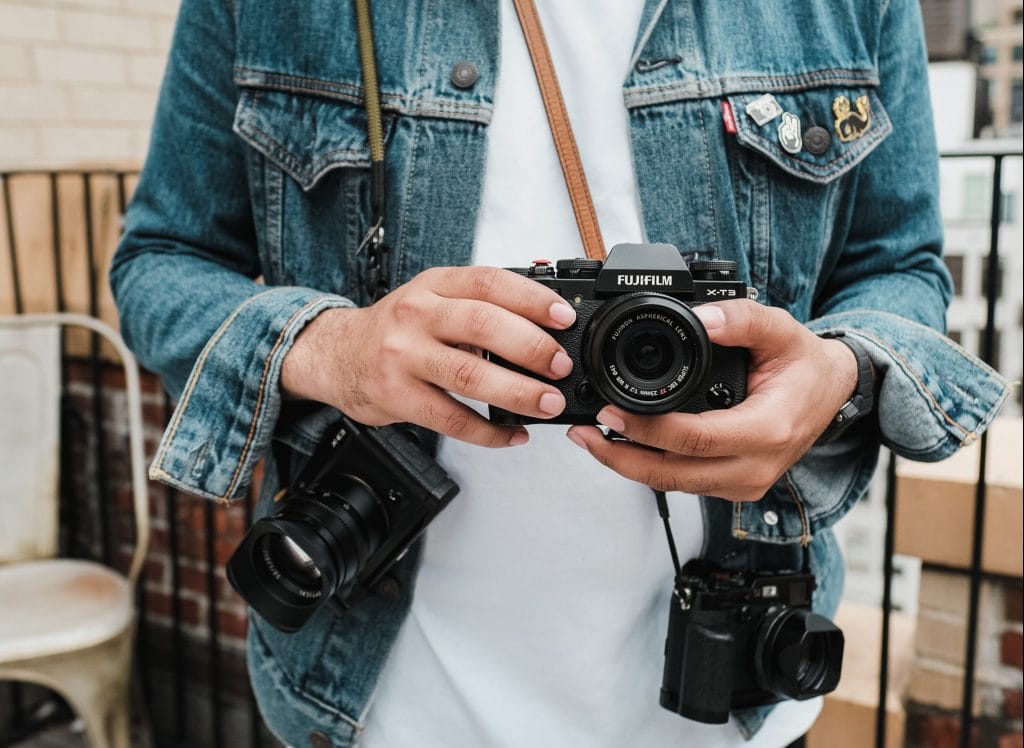
We compiled a list of our favorite mirrorless cameras under $1,000 based on a number of criteria, including camera size and weight, sensor type and resolution, image stabilization megapixels, image stabilization, sensor types, megapixels, price point, video quality, autofocus, battery life, and more. It’s important to note that the “best” camera for one person might not be the best for another. We’ve taken into account which mirrorless cameras are best for beginners, professionals, travel, video recording, portraits, low-light situations, landscape photography, and more!
*Please note that all prices listed are reflective of used models of these cameras in Excellent or Excellent+ grade currently available at KEH.
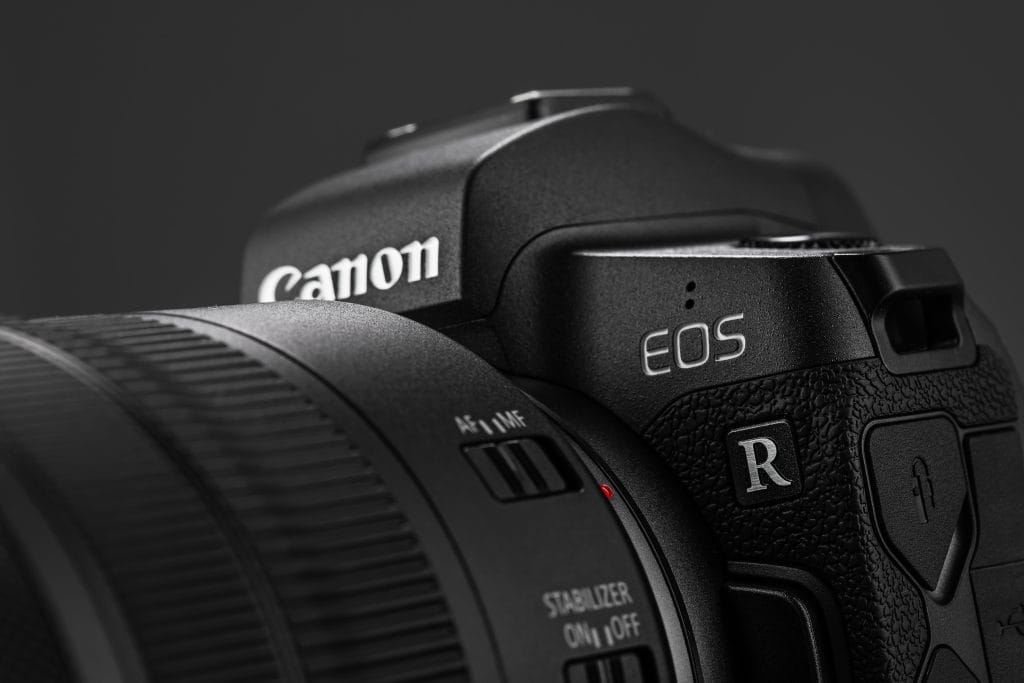
Our overall pick for the best mirrorless camera under $1,000 is the Canon EOS R10. Designed for creators who want speed, simplicity, and room to grow, the EOS R10 delivers impressive performance in a compact, travel-friendly body. Whether you’re capturing sports, wildlife, family moments, or 4K video, its fast autofocus and burst shooting make it easy to keep up with the action.
The EOS R10 features a 24.2 MP APS-C sensor, uncropped 4K video, Canon’s advanced Dual Pixel CMOS AF II with subject detection, a fully articulating touchscreen, and built-in Wi-Fi and Bluetooth for seamless sharing. It’s an excellent entry point into Canon’s RF mirrorless system without sacrificing performance.

The Sony Alpha 7 II is one of the best full-frame sensor mirrorless cameras under $1,000. Though it’s been superseded by the a7 III and now the a7 IV, the capabilities of the a7 II are still impressive, especially at the price point. The a7 II creates professional-quality images with a full-frame 24 megapixel sensor, in-camera stabilization, and fast autofocus system.
For beginner photographers or those looking to switch to a full-frame sensor without spending a lot, the Sony a7 II makes a strong choice.
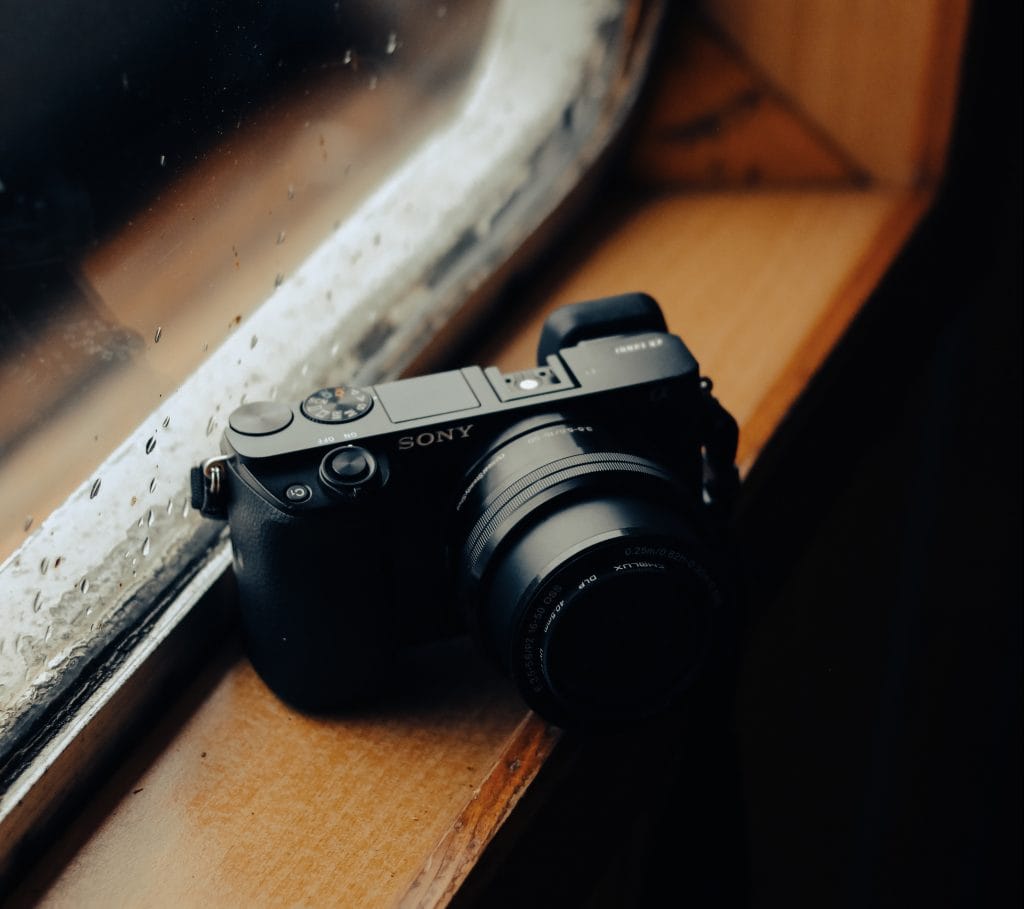
The Sony a6700 builds on everything creators loved about the a6400, adding flagship autofocus, improved stabilization, and advanced video features. Its 26 MP APS-C sensor captures sharp, detailed 4K video with excellent low-light performance, while AI-powered subject recognition keeps people, animals, birds, vehicles, and more locked in focus. Combined with in-body image stabilization, it’s a versatile hybrid camera for both handheld video and still photography.
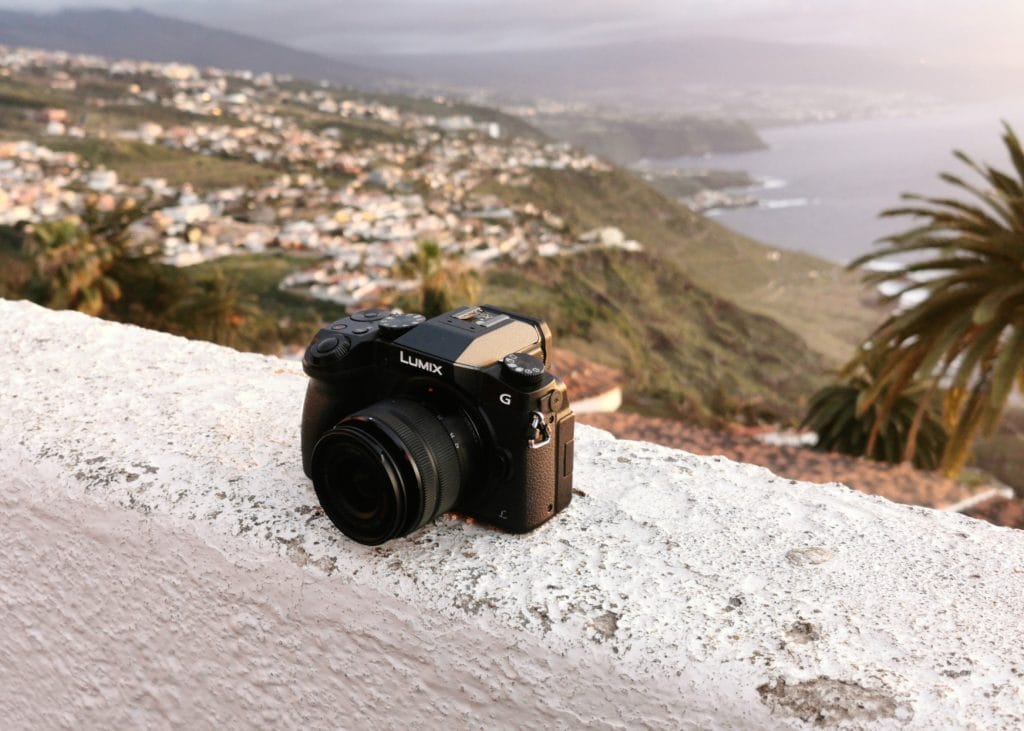
If you’re on a budget, but want a camera that has more features and flexibility than a point and shoot, this camera is the one for you! This affordable Panasonic model was created for enthusiasts, but at this price point, makes a formidable option for beginners who want to get into photography casually and still produce great images.
The DMC-G85 offers a 16-megapixel CMOS sensor, 4K resolution video at 30 and 24 frames per second, a 3-inch swiveling touch-screen LCD monitor, and Panasonic low-light autofocus.
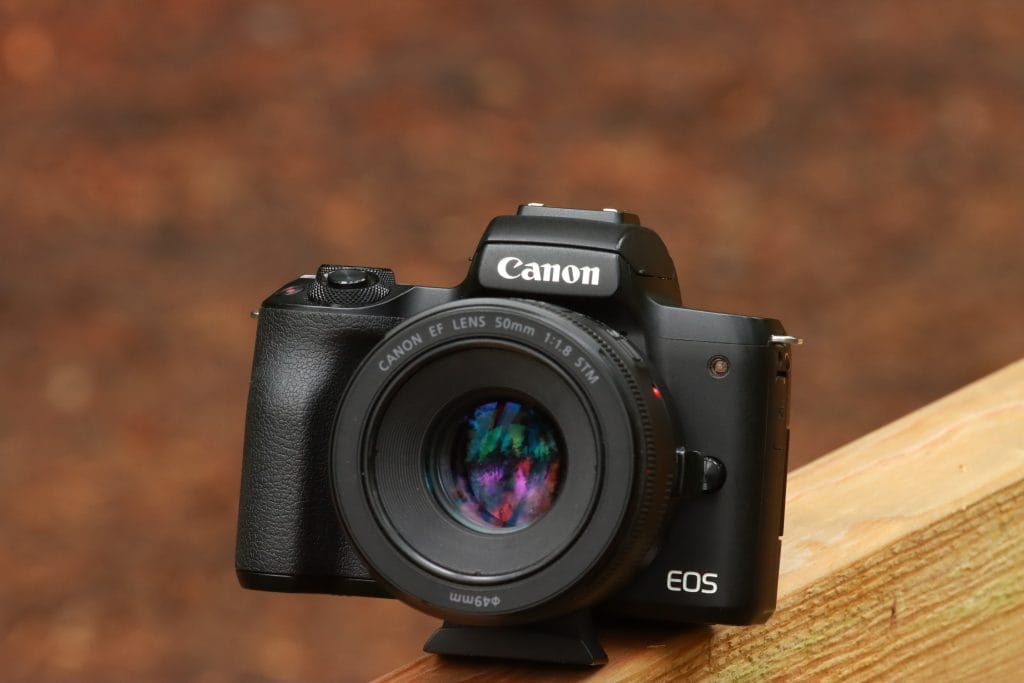
Most beginner photographers don’t want to spend a lot on a starter camera, especially if they won’t be using it frequently. Fortunately, you can still get a mirrorless camera with many of the elements of more expensive cameras for well under $1,000 with the Canon EOS M50 Mark II. The M50 Mark II has an APS-C CMOS sensor and packs an impressive 24.1 megapixels, 4K video, and continuous autofocus with eye tracking into a sleek frame.
This entry-level camera is great for beginners who want a simple, single-control dial and fully-articulating touchscreen LCD, and both Bluetooth and WiFi to easily transfer photos to a smartphone while on the go.
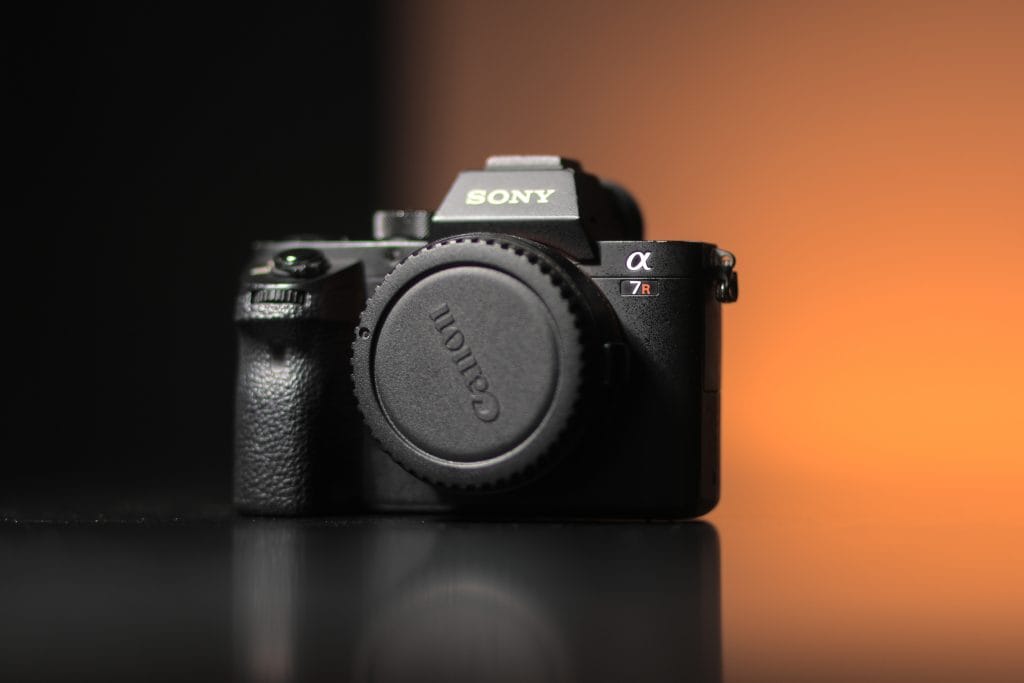
Professional photographers looking for a versatile mirrorless camera under $1,000 should look no further than the Sony a7R II. The a7R II boasts a 42-megapixel full-frame sensor, making images exceptionally sharp. This camera also offers image stabilization and extremely fast autofocus with a variety of tracking modes.
Sony was one of the first camera manufacturers to create a large and versatile catalog of lenses for their E Mount cameras, giving professionals a lot of options for their choice of focal length.
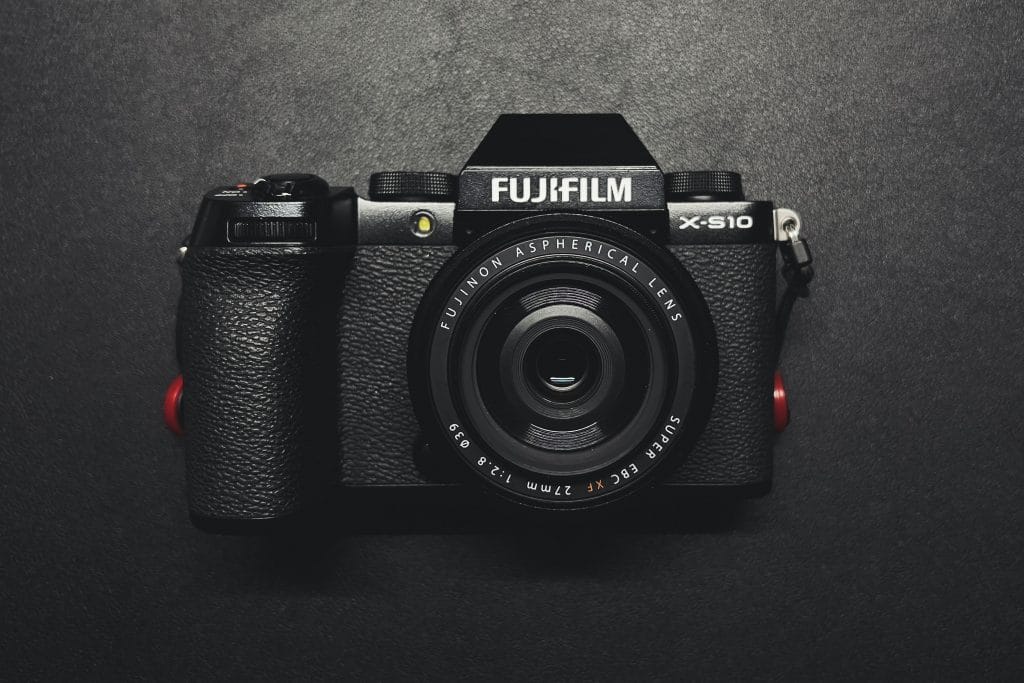
For a mid-range option, the Fujifilm X-S10 excels in low-light photography. Though it has an APS-C (cropped) sensor, the Fujifilm boasts in-camera image stabilization which helps with sharper images when shooting at slower shutter speeds in low lighting conditions and handles noise extremely well at higher ISOs when shooting at night.
The camera also has a lot of choices for lenses when shooting in low light, both from Fujijilm and third-party companies.
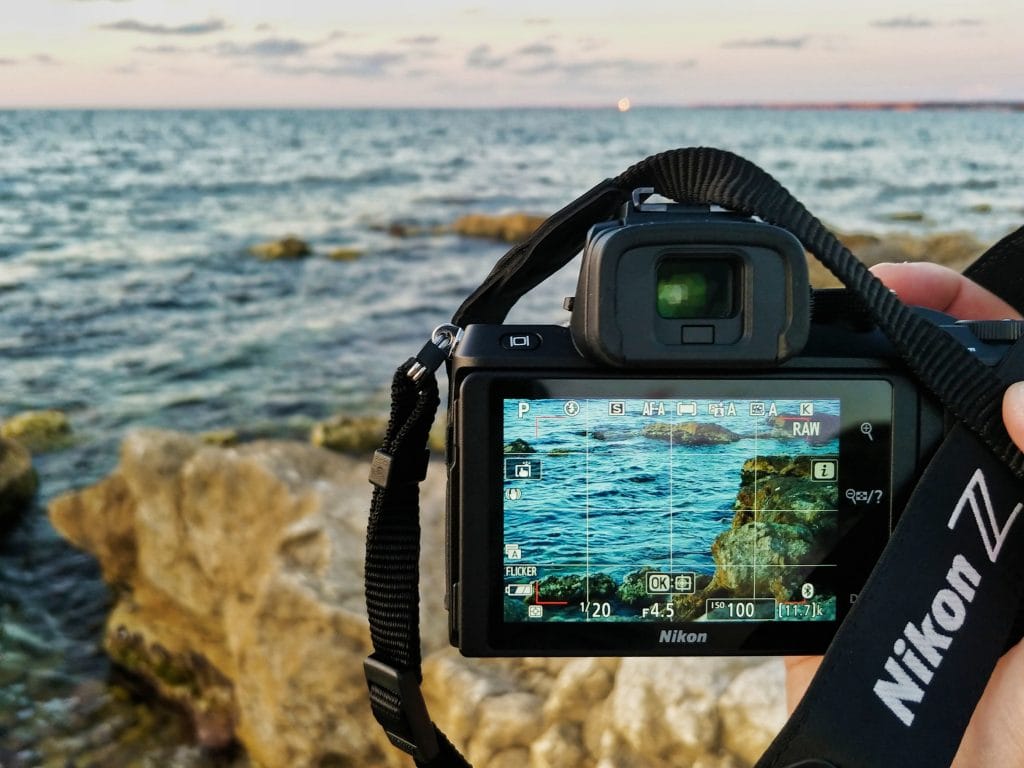
For travelers, size matters—but so does performance. The Nikon Z50 II strikes an ideal balance, delivering the portability of an APS-C mirrorless camera with meaningful upgrades for today’s photographers and content creators. Lightweight enough to carry all day, it’s built for everything from sightseeing and landscapes to travel vlogs and spontaneous street photography.
The Z50 II features a 20.9 MP APS-C sensor, crisp 4K video, Nikon’s latest autofocus with advanced subject detection, a bright electronic viewfinder, and a fully articulating touchscreen that makes shooting from creative angles or filming yourself effortless. Compact, capable, and easy to pack, it’s a smart companion for any adventure.
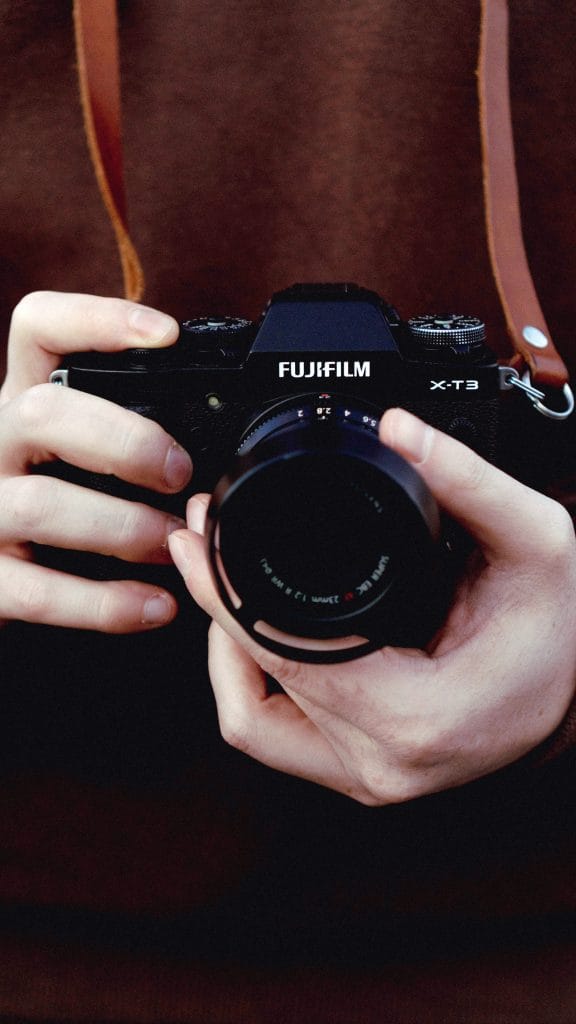
For budding landscape photographers, mirrorless cameras are easier to cart around on outdoor adventures due to their portable size. Our choice for the best mirrorless camera for landscape photos is the Fujifilm X-T3. The X-T3’s 26.1-megapixel sensor, weather-sealed body, and array of lenses make landscape photography easier and more fun than ever.
Fujifilm’s lineup of lenses for this camera are extremely sharp and the camera’s JPEG colors are bright and natural, making it a top selection for mirrorless landscape photography.
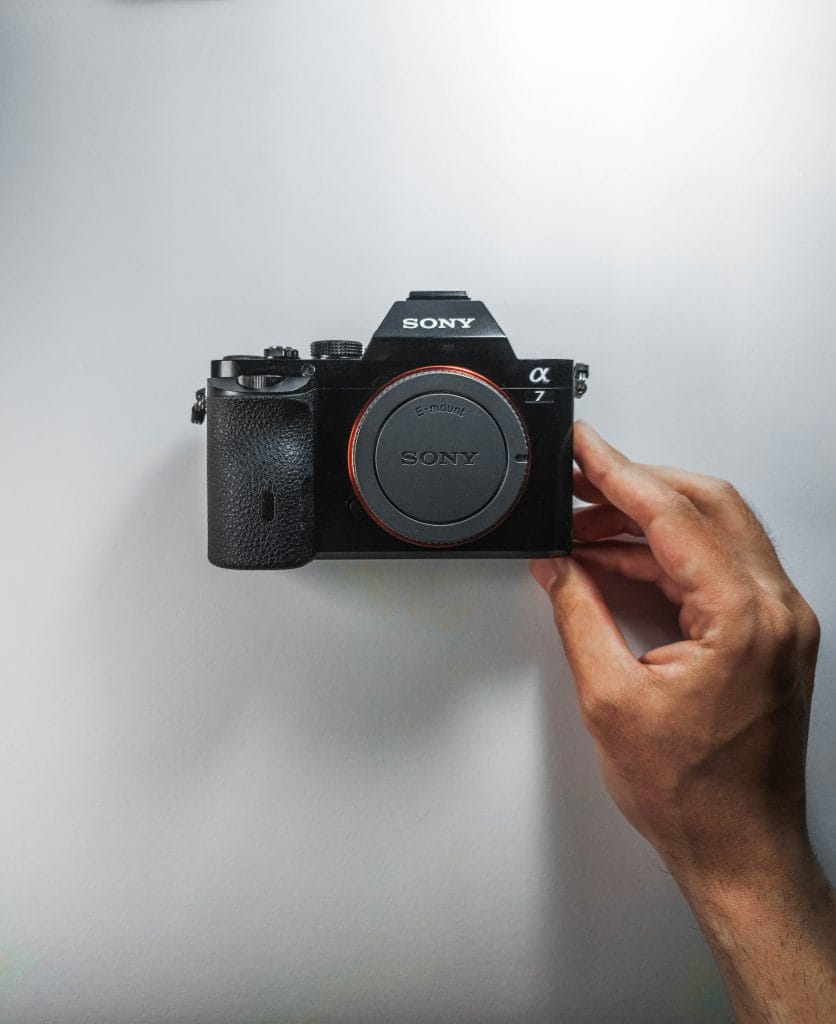
Our choice for best portrait camera is the Sony a7. As the earlier model of the a7 II noted above, the a7 still has a full-frame sensor and 24.3 megapixels, which allows for portraits photographers to more closely crop in on their portrait subjects without losing detail or sharpness.
Another reason this is a great camera is because of the incredible lineup of portrait lenses that Sony offers for this camera, including the 35mm, 55mm and 85mm prime lenses, which are super sharp and offer lower apertures like 1.4 or 1.8, making them excel even in low-light situations.

When it comes to creating mirrorless cameras that stand up to ever-changing technology standards and also make even seasoned professionals question their DSLR cameras, these companies have paved the way for a mirrorless future. While these mirrorless camera creators differ a bit, you really can’t go wrong with any of them, depending on what you need.
Sony was one of the first companies on the scene with their mirrorless camera offerings and also one of the few companies to solely focus on mirrorless instead of both mirrorless and DSLR. Because of this, Sony quickly created a following of mirrorless photographers who switched to their cameras and are always waiting to see what Sony comes out with next.
Because of their focus on mirrorless, Sony also has one of the largest and most diverse lineup of lenses available for their mirrorless systems, making them a top choice for photographers who need variety in their lens choices.
Sony’s a7 models are their mid-range full-frame cameras, but still wind up in the hands of professionals looking for a camera with all the specifications they need, at a price point they appreciate. Then there are the “R” models, where the R stands for resolution and ultimately equates to double the number of megapixels in their sensors. These cameras are top-of-the-line models widely used by professionals in wildlife, sports, and landscape photography.
When thinking of cameras, it’s likely that the brand name Nikon will immediately spring to mind. While Nikon has been a pioneer of SLR and DSLR cameras for decades, the company has been slower to integrate mirrorless cameras into its lineup. Still, Nikon has released its Z series which offers a full-frame sensor (which Nikon calls FX) that can hold its own with top-of-the-line competitors.
For photographers seeking a more compact form factor with well-considered controls, ergonomic styling, and the build quality Nikon is known for, Nikon also continues to expand it’s lineup of APS-C sensor size “DX” cameras and lenses.
When purchasing a Nikon mirrorless camera, you can expect to get an advanced system from a renowned company. Many photographers prefer the JPEG color rendition of Nikon cameras. Nikon also beats out competitors with things like its handling, menu layout, LED resolution, and touchscreen capabilities. However, one of the limitations you may likely run into is the number of lenses Nikon has available for its mirrorless cameras, though its DSLR lenses can be used on Nikon mirrorless cameras with a converter. The Nikon mirrorless lens lineup doesn’t compare to the quality and breadth of Sony’s lens offerings, which can feel limiting to more seasoned photographers.
Along with Nikon, Canon is likely the second camera brand most people think of when they consider professional and quality photography. Canon was also a bit sluggish when it came to releasing mirrorless cameras, but they have since begun to provide a larger offering of mirrorless systems to appease Canon loyalists who wanted more mirrorless options.
One notable difference between Canon and a competitor like Sony, also mentioned above in the Nikon section, is the color rendering. Many photographers believe Canon produces more lifelike colors and better rendering of natural skin tones. Canon also offers an intuitive and simple menu system when compared to a brand like Sony. The brand also lacks the number of native lenses for its mirrorless systems, but, like Nikon, its large DSLR lens catalog and be used for its mirrorless cameras with a converter.
For longtime photographers who started on film cameras, Fujfilm is often the mirrorless camera of choice. When it comes to Fujifilm cameras, many photographers prefer the old-school design and array of external buttons and dials. Adjusting the settings on a Fujifilm mirrorless camera feels more similar to a film camera experience. Fujiflm’s attention to detail in its menu setup and use is a clear choice for many photographers.
One main drawback of Fujifilm mirrorless cameras is that there is still no offering of a model with a full-frame sensor, which is a major shortcoming compared to competitor models at similar price points that offer a full-frame sensor. However, Fujifilm mirrorless cameras continue to excel with landscape, low-light, and portrait photography using the CMOS sensor.
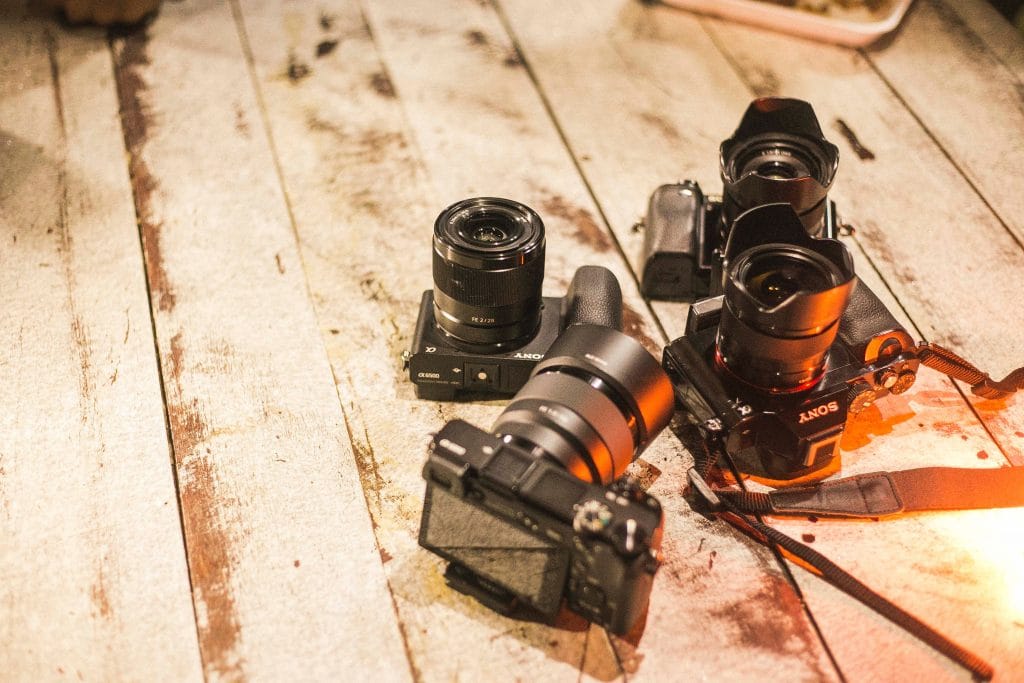
Whether you’re thinking of switching to a mirrorless camera as a seasoned DSLR user or trying a mirrorless for the first time, buying a used camera from a reputable company will be the best way to save money on your purchase. It’s important to buy used from a company with a renowned reputation and a detailed grading system that allows you to understand exactly what you’re getting when you purchase a used mirrorless camera. KEH has a large selection of pre-owned mirrorless cameras and mirrorless camera lenses to fit any budget or need with every camera backed by a 180-day warranty and a detailed condition rating you can review before you buy. Browse our full selection of mirrorless cameras under $1,000 and find the right body for your next project.