You
have no items in your shopping cart.
In Conversation with Laura E. Partain
November 28, 2025
1 min read

Hi Laura! Thanks so much for taking the time to chat with us. For those who don’t know, could you tell us a little bit about yourself? What first drew you to photography, and how did your creative path evolve into what you’re doing today?
I’m so honored to be talking with y’all. I’ve been a KEH customer for years! A little bit about me: I’ve always been a sensitive, creative person. I drew and painted as a kid, staged photos around the house using blankets as backdrops, toys as props, and my two patient little brothers. I shot on Kodak disposables until, in high school, I took a photography course and really caught the bug. That summer, I shot a wedding, received my first paycheck, and realized this creative outlet could become a career, and it did.
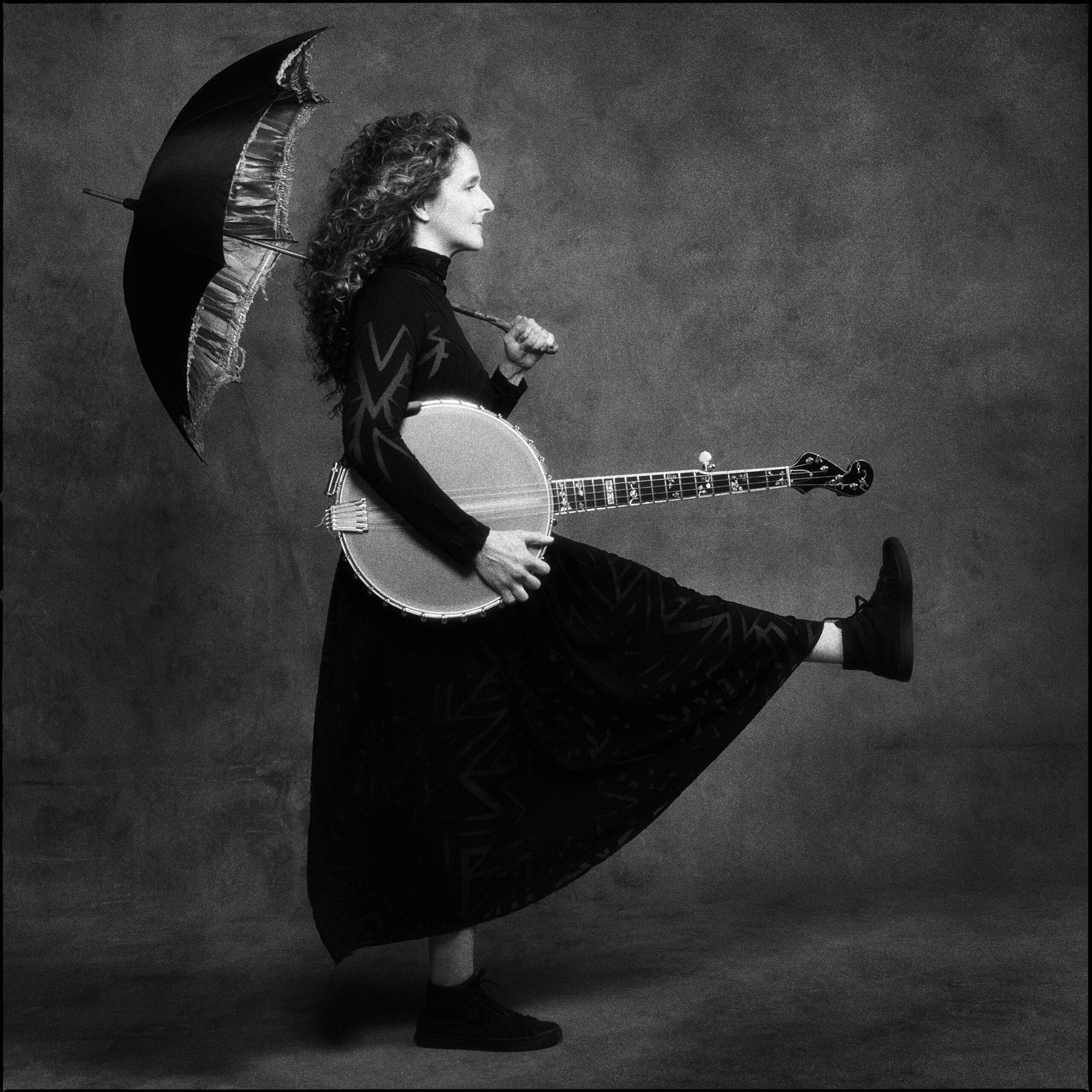
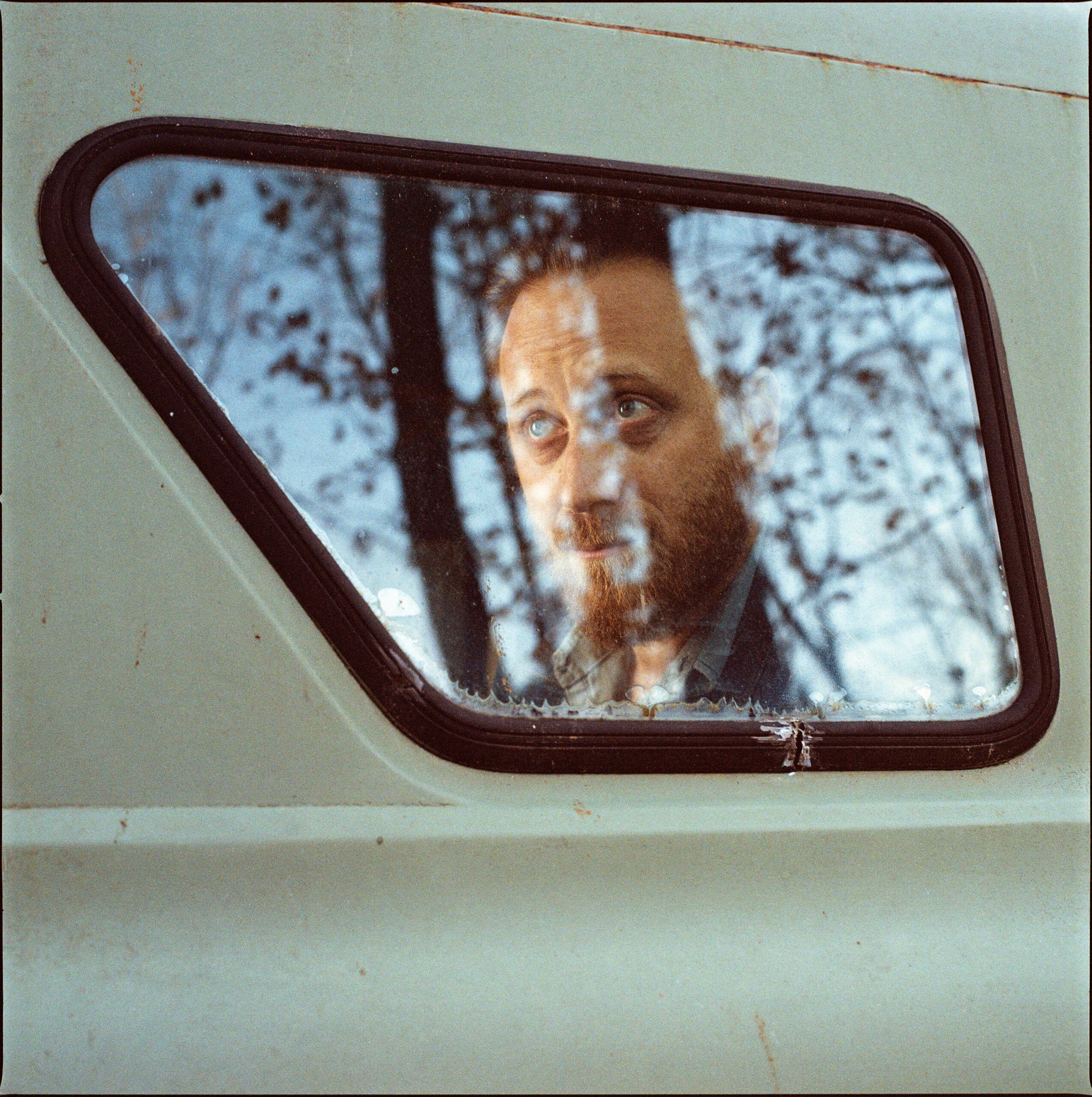
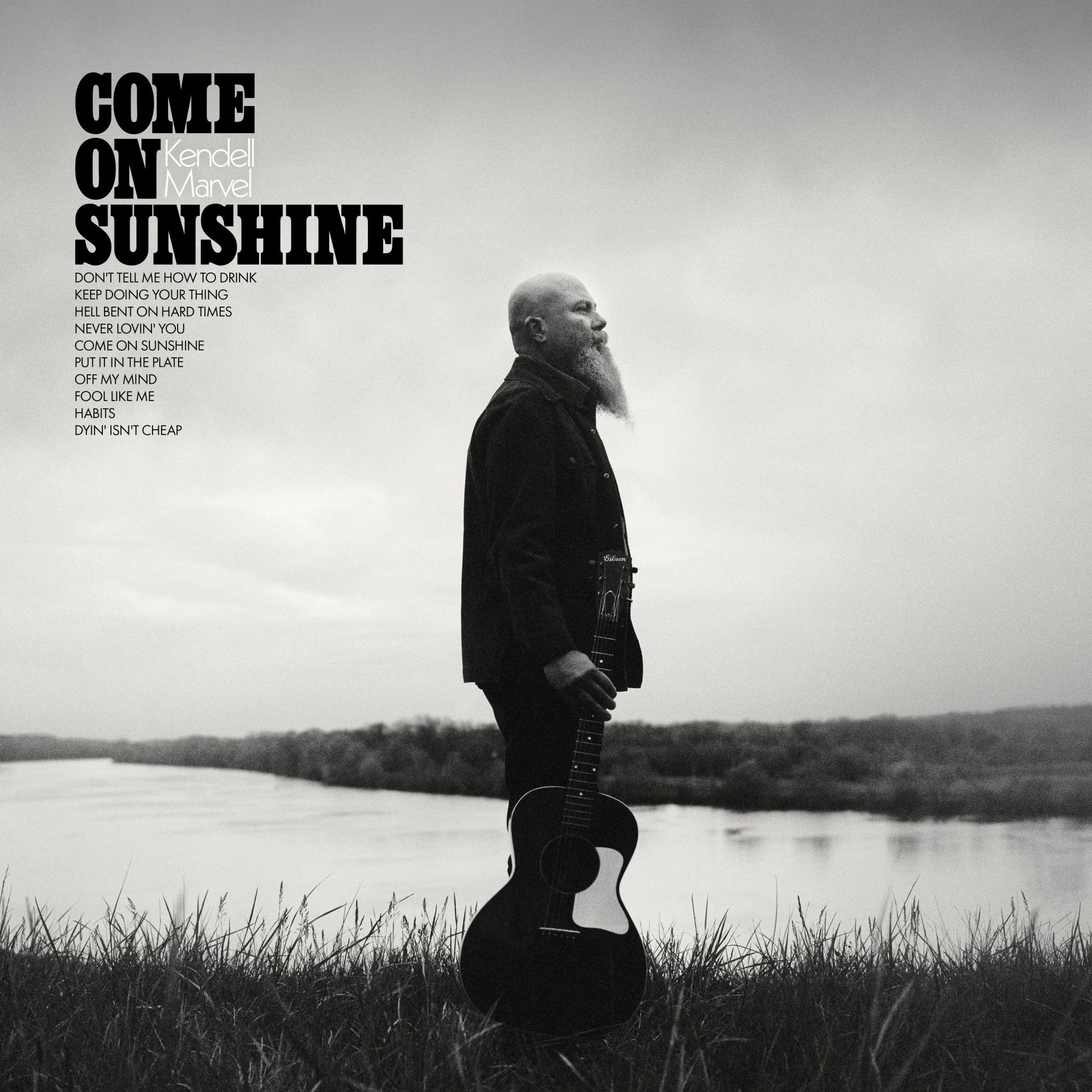
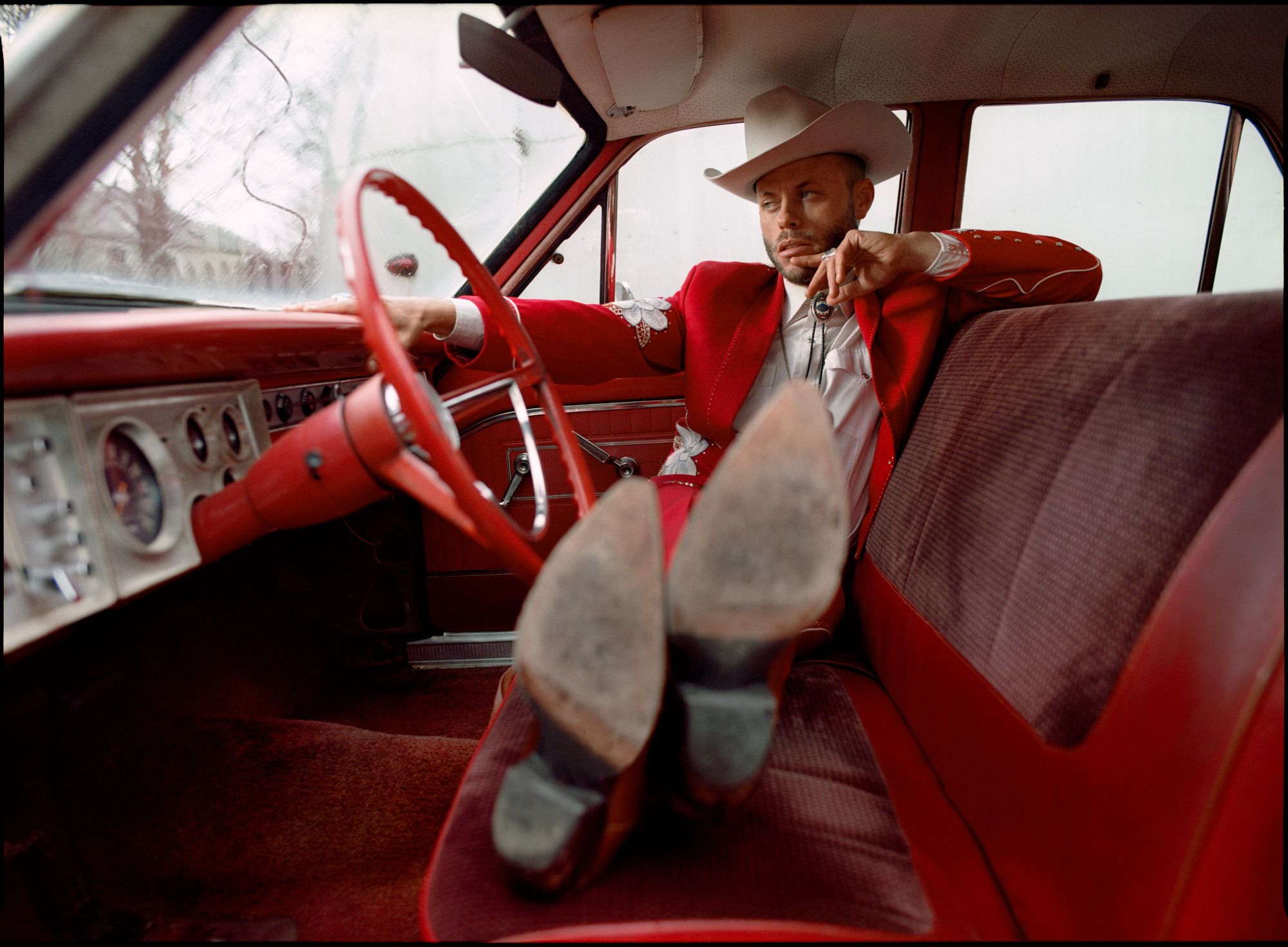
Today, I’m a professional photographer in Nashville, Tennessee, where I moved in 2012 to work in the music industry. Most of my work is still rooted in that genre, where I shoot album covers, live shows, recording sessions, and more. Aside from my work in music, I also shoot within the commercial and editorial sectors with clients ranging from tech to healthcare, to Rolling Stone to the New York Times. At my core, I’m a portrait, documentary, and music photographer, and my core passions in photography show up across all of my assignments.



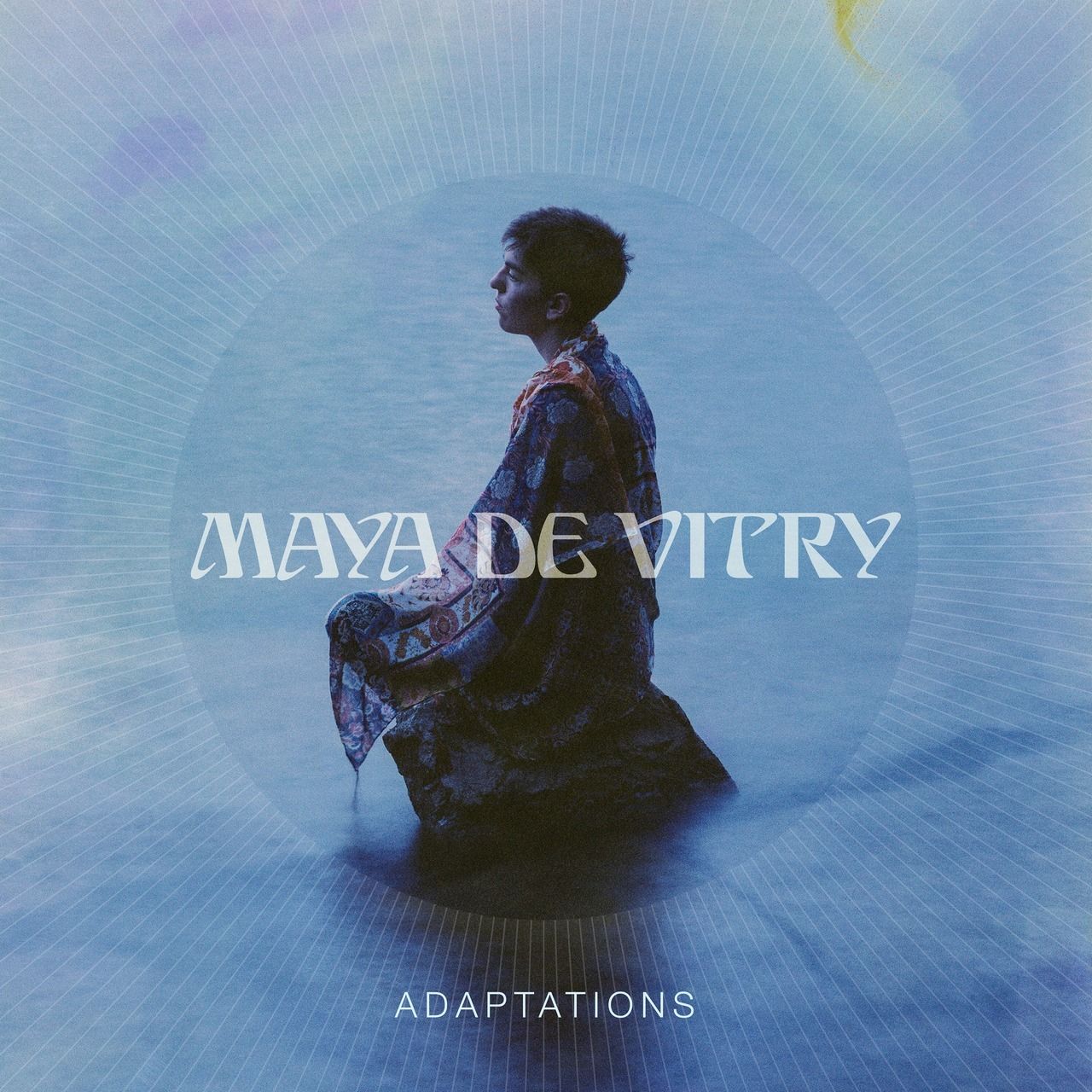
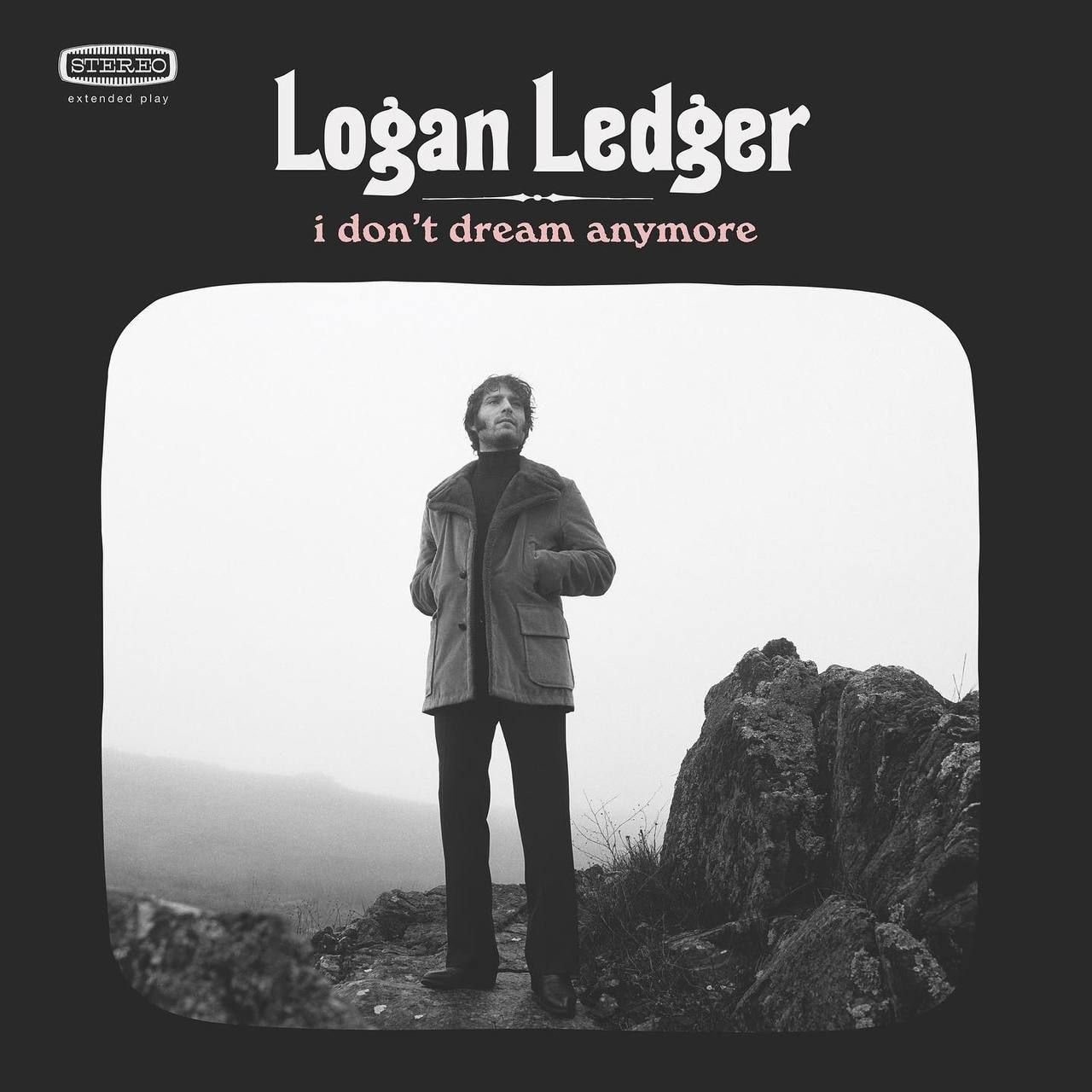
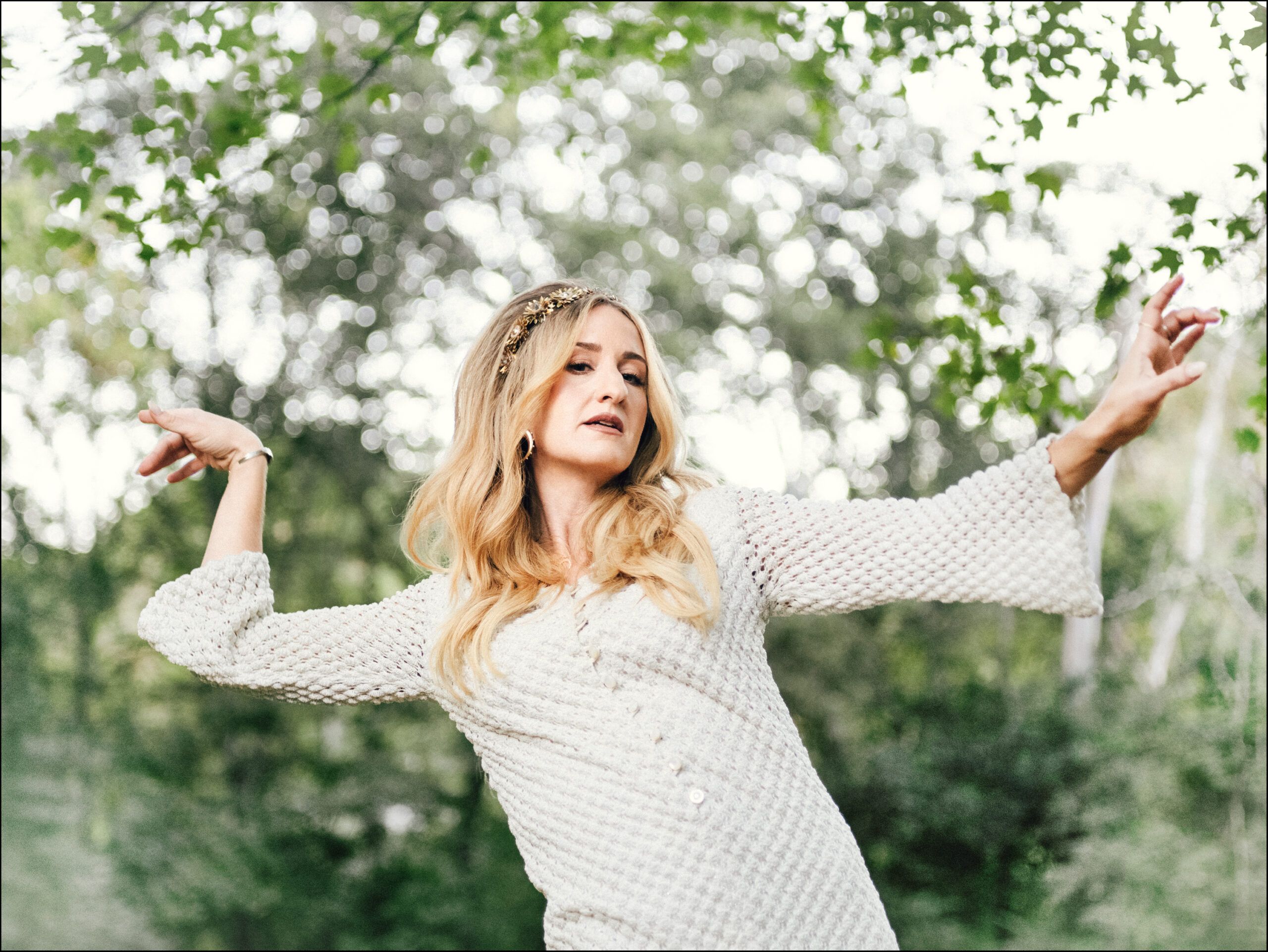
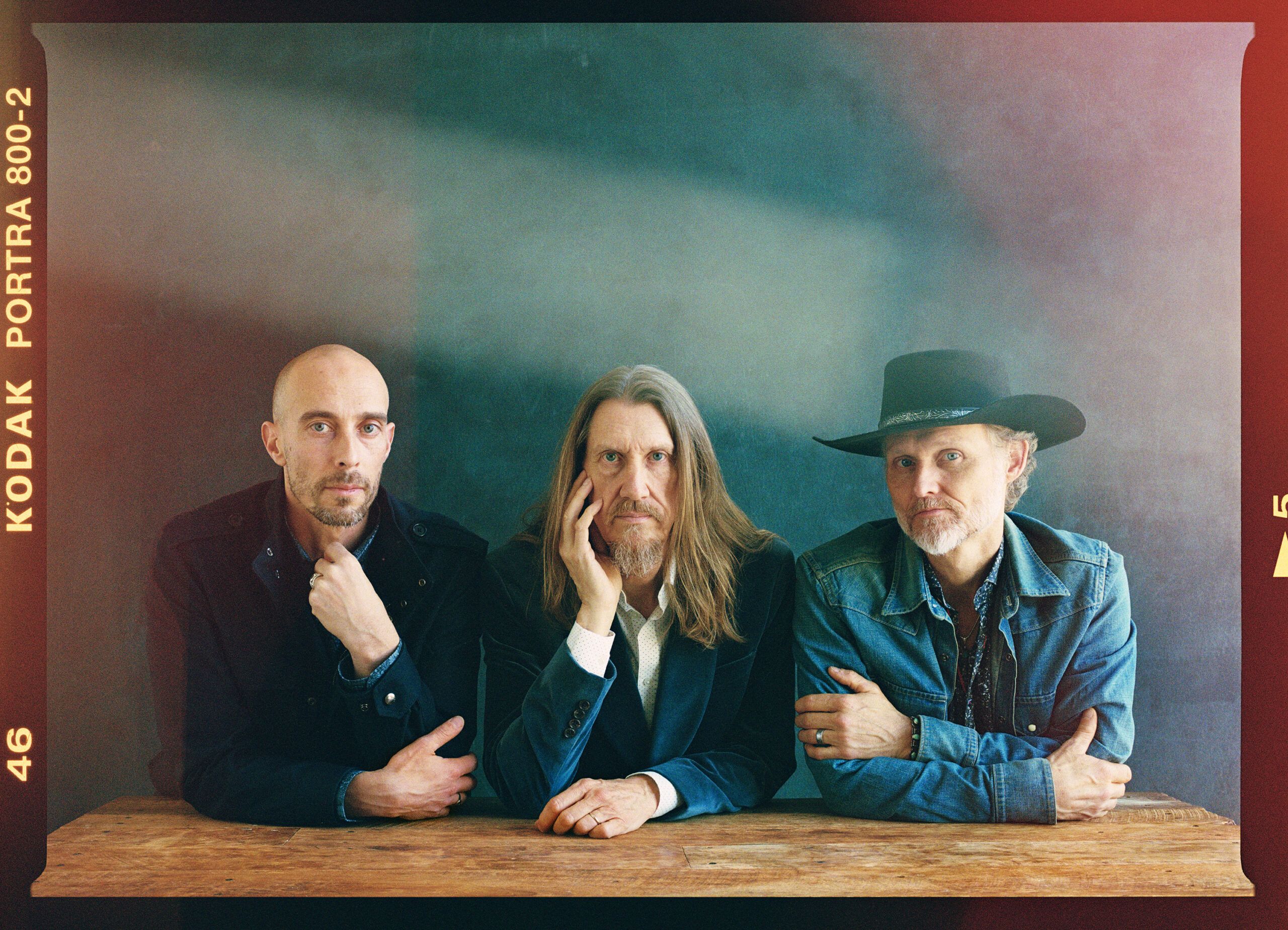
Your work has a very cinematic and emotional quality to it. How would you describe your approach to storytelling through images?
Thank you for the kind words. It’s crucial to me to honor my subjects and make sure they’re respected through my lens. Human connection matters deeply to me. Anyone in front of a camera is vulnerable, and the position of the photographer is one of power during a shoot. I take that fact and responsibility to care for my subject through my work seriously.
I often tell photographers this: try to use a wide-angle lens and get close to your subjects. It can create a sense of intimacy within the photograph that at times can be harder to achieve with a normal or telephoto lens. Going in close with a wide lens has become part of my “secret sauce.”
Tell us more about this project. What was the initial spark that led you to take on something as immersive as a thru hike with your camera?
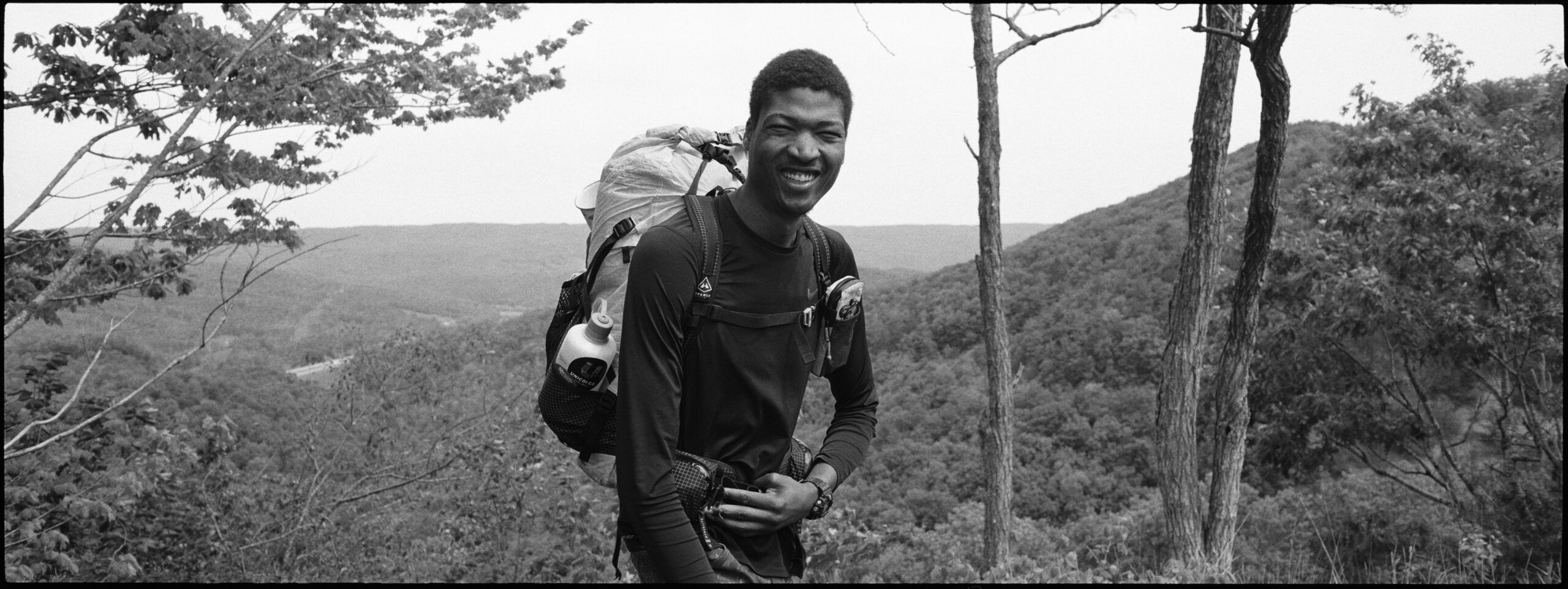
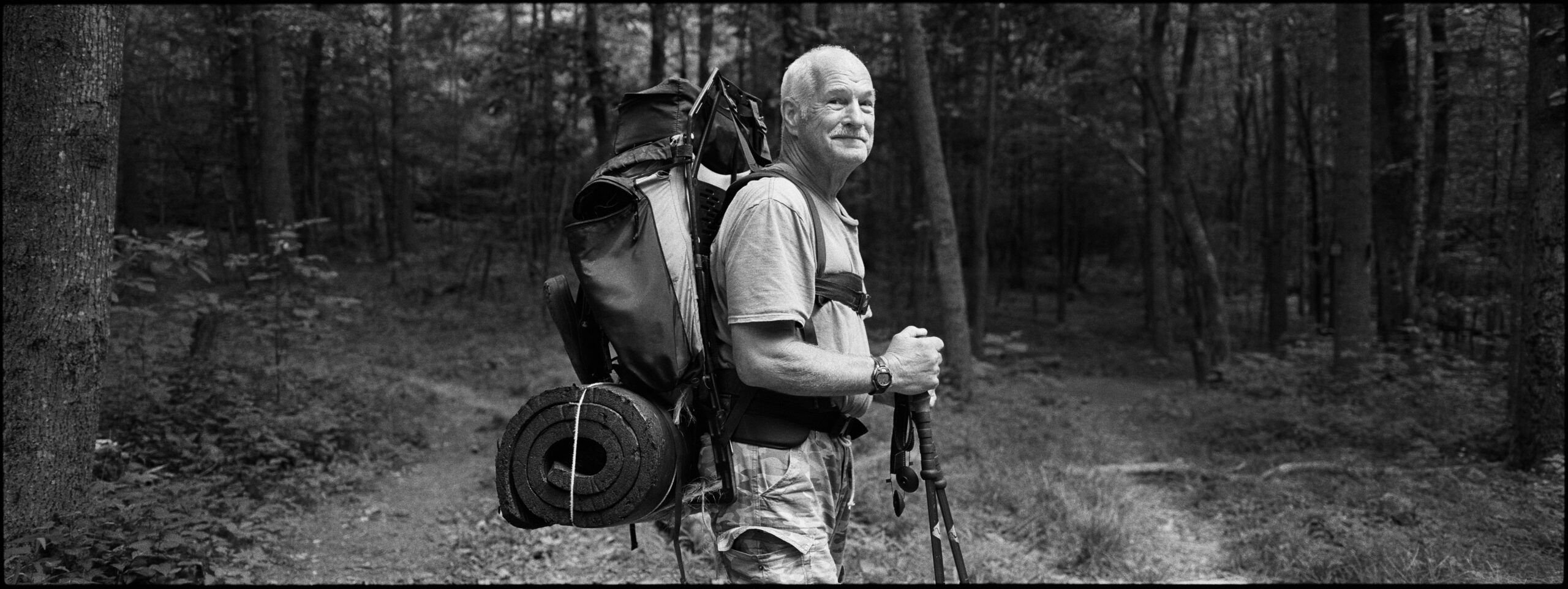
After my first section hike of the Appalachian Trail in 2022 I was struck by just how many people were attempting to walk from Georgia to Maine, and I felt that the merger of nature and humanity on this trail was a photo book waiting to happen. I was deeply intrigued by my experience, and knew that the only way I could capture this the way I wanted to, was to hike it myself. On March 3rd 2024 I pressed pause on my career, packed my life into a backpack, and committed most of the year to the 2,200 mile thru hike and the project.
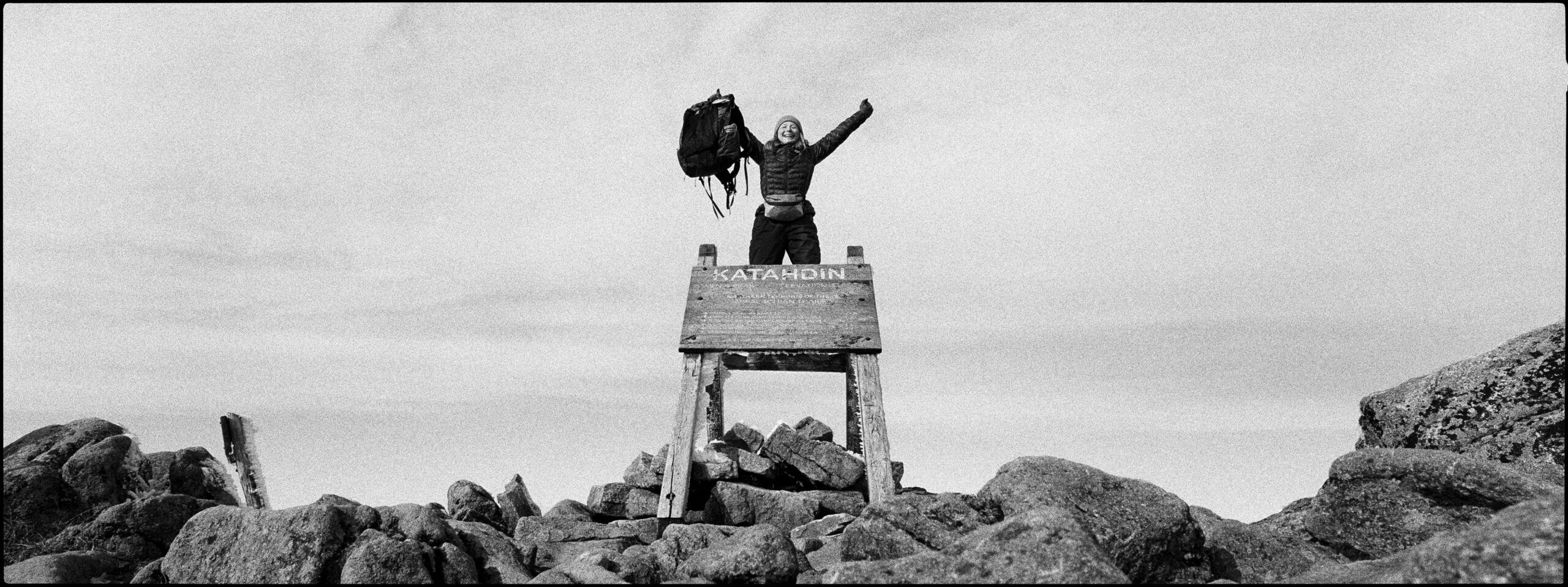
I started March 3 in Georgia and reached Maine on October 13, the day before a storm closed the northern terminus of the trail for the season. Only one in four hikers completes the AT each year, and I finished with just hours to spare. I’ll never forget that feeling. I was the 5th to the last northbound thru hiker for the year 2024.
The project I created on trail is a mix of portraits, written-word interviews, and photo reportage works that document what an AT thru-hike is like from my first-person perspective. I also interviewed nearly 90 thru hikers, recording their stories and turning them into short written pieces. That challenge in particular was an incredibly rewarding exercise that strengthened my conversational and journalistic skills.
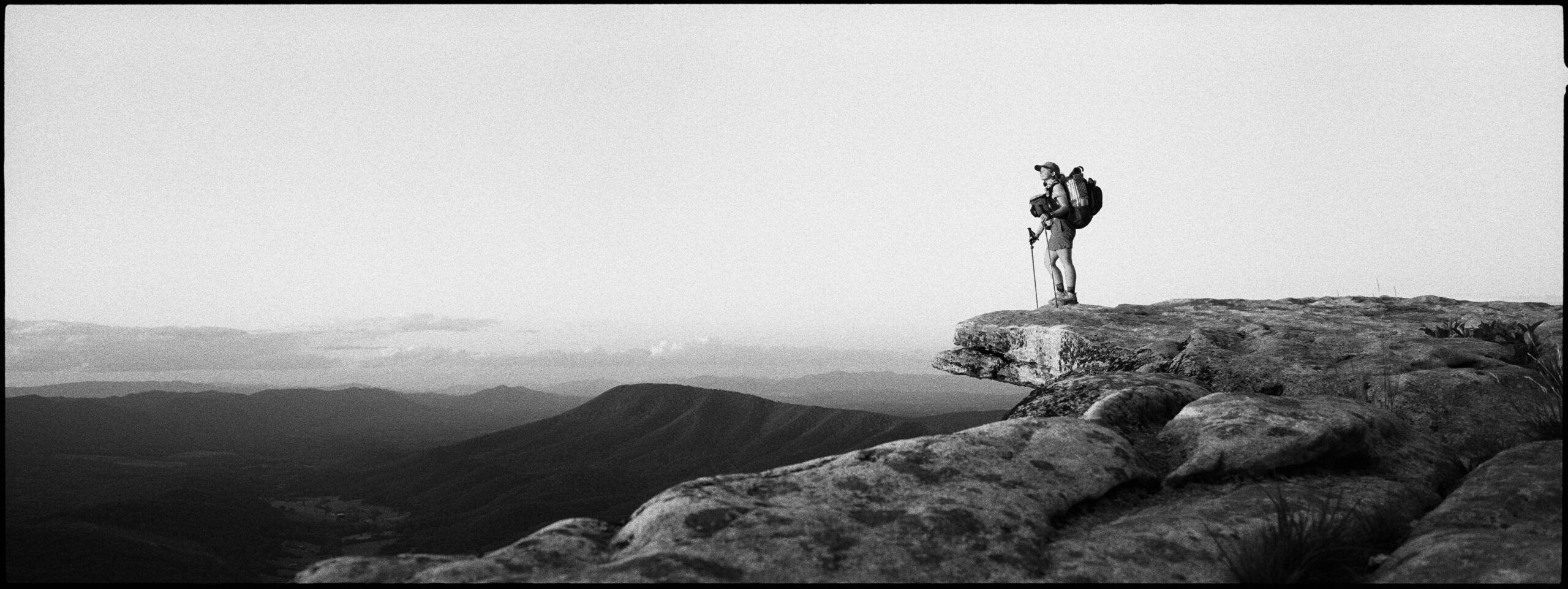
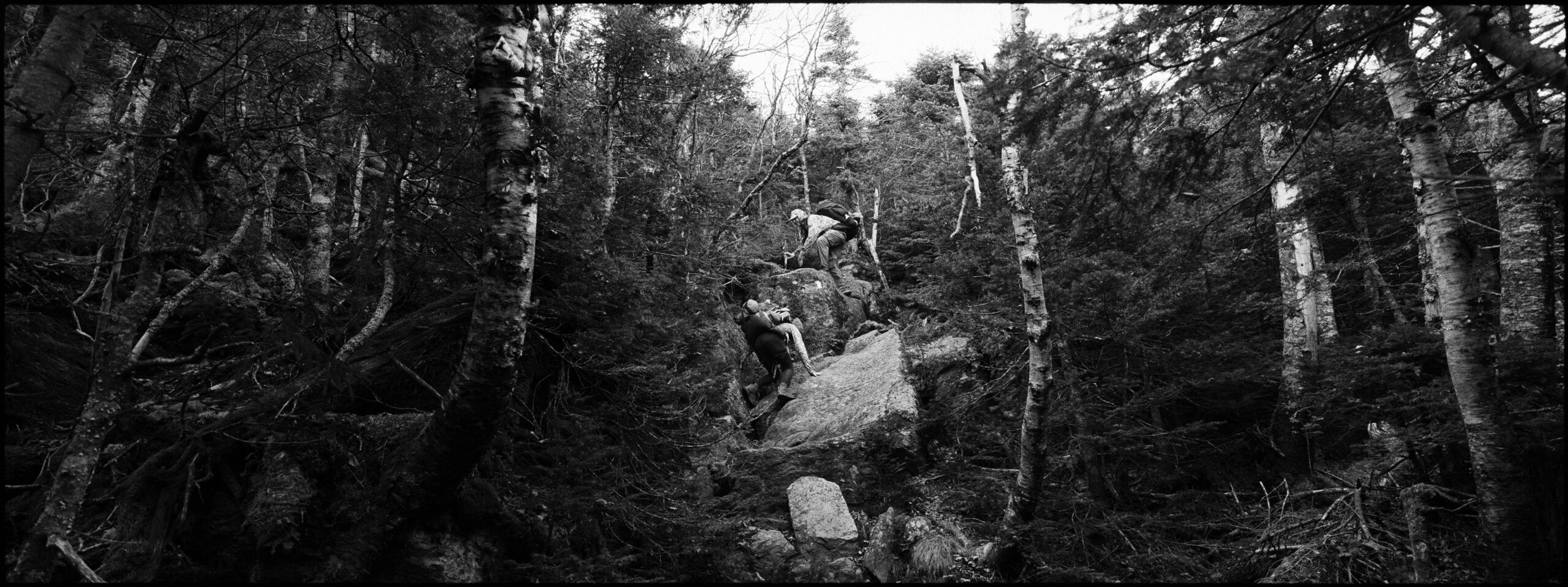
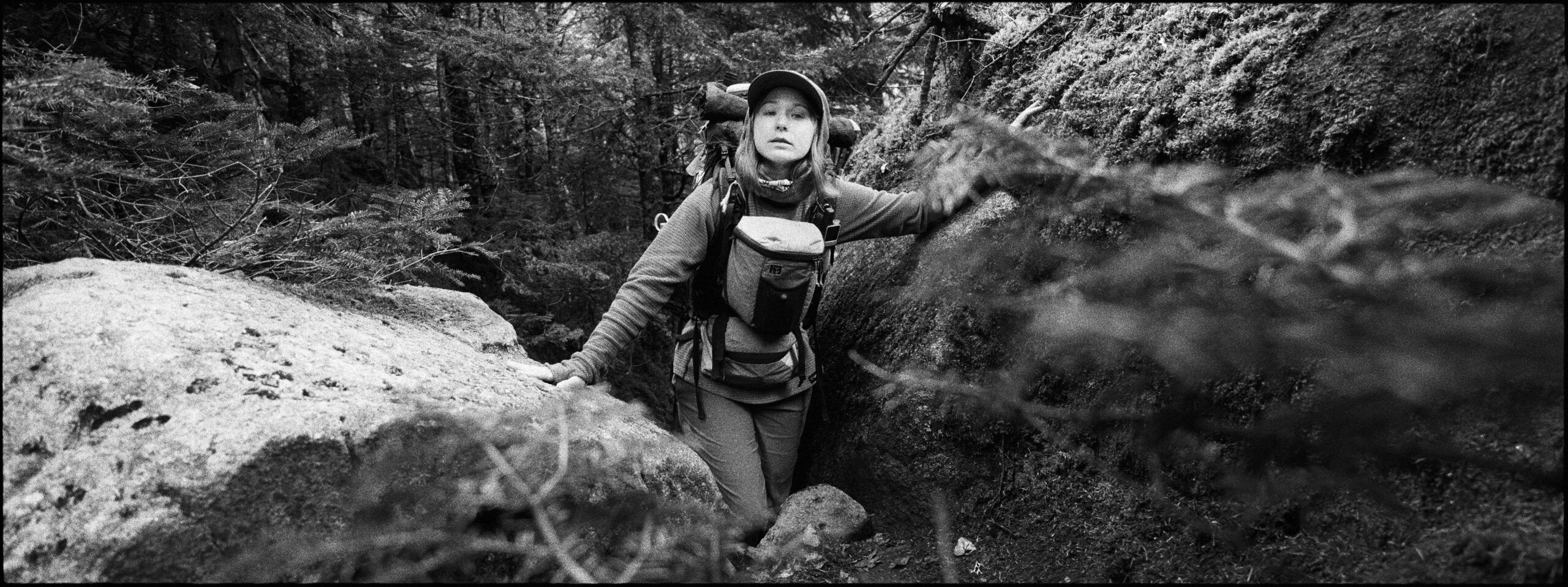
Preparation is everything for a journey like that. How did you prepare your gear, and what role did getting your camera serviced by KEH play in helping you feel ready?
I spent about six months physically training and about a year and a half training with my camera, a Fuji TX1. I trained over hundreds of miles over that time frame and in all kinds of weather and terrain, and doing so really helped me acclimate to the art of thru hiking and photographing at the same time.
Before the AT, I sent the camera and lenses to KEH to have the rangefinder focus and lenses checked. I needed absolute confidence in my kit because there would be no do overs on this journey of a lifetime. Only 1 in 4 people finish the AT, and I wanted to give myself every chance of succeeding. When I got everything back, I shot a few more rolls to confirm it was ready and hit the trail feeling fully prepared. For the most part, it held up very well… until it didn’t.
During your hike, your camera malfunctioned at one point. Can you walk us through what happened and how you navigated that moment as a solo photographer in the field?
Around mile 1,400 in New York, dirt or grime got stuck under my camera’s dial. I could barely turn the camera off and on, and I definitely couldn’t turn the dial to the self timer mode anymore. I was exhausted and anxious — the idea of my rare, expensive camera failing mid-project was terrifying. But I reminded myself: at least it still worked. I couldn’t use the self-timer anymore, so I learned to ask other hikers to take photos for me anytime I wanted a self portrait. You learn to pick your battles and count your blessings on a thru-hike, and that situation was a good example of this. Even in that moment of frustration, I felt relief knowing KEH could expertly repair my camera after I finished with the hike.
You’ve mentioned that being on the trail meant learning to rely on others — how did that experience of community and interdependence influence the way you see your work now?
Long hikes give you a lot of time to think and after the camera’s dial became stuck I realized how much we all need community – even in the woods. The trail community is famously kind and generous, and the help I received from others was significant. People look out for each other out there. That sense of interdependence made me reflect on what I want for my own sense of community as a photographer.
Photographers need to talk shop, talk rates, talk lighting, talk gear. Photographers need to befriend one another. We need to lose the competitive edge just a little bit and avoid being gatekeepers of knowledge. An authentic creative community makes for better photographers, and it’s something we should all lean into and nurture in our industry.
Much of your creative ethos seems rooted in intentionality — using what you have, slowing down, and really seeing. How does that philosophy connect to the idea of keeping gear in circulation?
I rarely need the newest gear. Most of my cameras and lighting are pre-owned. My laptop is refurbished. As a small business owner it’s financially practical to use pre owned gear, but it’s also about reducing waste. I’m mindful of my environmental footprint, from eating mostly plant-based to converting my lawn to native plants, and reusing or reselling gear fits into my value system. We don’t need the latest gadgets to make our best work, and our planet will thank us for being even just a little bit more gentle.
You’ve used KEH Certified™ pre-owned gear in your work — what do you love about shooting with pre-owned cameras, and how does that align with your values as a photographer?
Buying used is great for the planet and my wallet. With film cameras, buying pre-owned tends to be the norm. That’s how I first got into buying pre owned gear. These days, I see the significant financial and environmental benefits across all gear types when it comes to choosing pre owned over brand new. It’s a win-win.
For photographers looking to start their own long-term or travel-based projects, what advice would you give on preparation, mindset, and choosing gear that lasts?
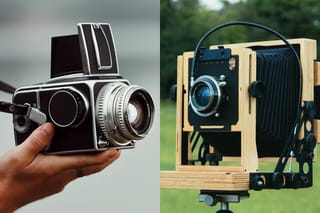
For gear: just choose what you love. Hasselblad, 4×5, panoramic 35mm — use what speaks to you. Just protect it in the field. I kept my camera in a waterproof case, used moisture absorbing packets, carried an umbrella for shooting in the rain, and paid close attention to weight since I’d be walking 10–20 miles a day for months.
Travel projects can get expensive, so save money and consider starting a Patreon. Mine provides a small income but more importantly accountability, which keeps the project moving.
As for mindset: go now. Create with reckless abandon. So many hikers I met on the trail were there because they or someone they loved almost died, or did die. It wakes you up. You’re not promised tomorrow. If you have an idea for a project or a book, start today. And if you’re waiting, ask yourself whether it’s truly necessary or just a form of procrastination. Know the difference.
Another piece of advice: tell yourself on day one that your project will be hard. You’ll want to quit. But as hikers say, “Don’t quit on a bad day.” Write down your “whys” and revisit them when things get tough. Picture yourself achieving your goal — your own personal Katahdin moment. Because when you don’t give in to the pain, loneliness, or doubt, you’ll be so proud of yourself for toughing it out.
Go now, make the work. See it through. Turn the idea in your head into something real. Tomorrow isn’t promised. What will you do with today?
About Laura E. Partain
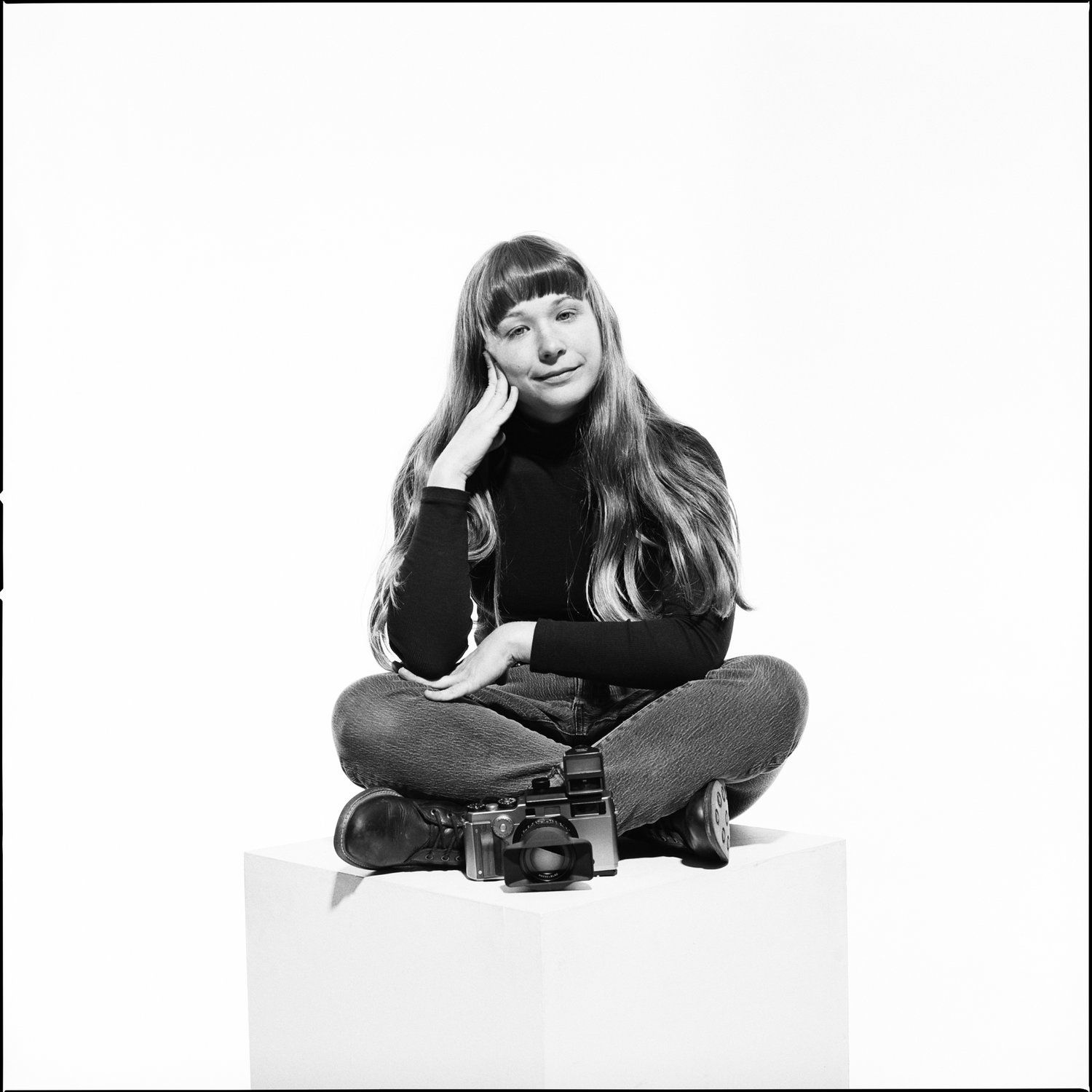
Laura has lived and worked in Nashville since 2012 and has been a professional photographer for 17 years. Her photographs have appeared on many album covers, and in many publications such as The New York Times and Rolling Stone. When not behind a camera lens, she enjoys long distance hiking, native gardening, and spending hours in nature. Laura lives in Nashville with her partner, bassist Alec Newnam and their two cats.
Want to see more of her work? Check out her Instagram and website!