You
have no items in your shopping cart.
In Conversation with Luis Mora
January 30, 2026
1 min read

Photography has a way of slowing time—of holding onto moments that might otherwise slip past unnoticed. For this installment of In Conversation, we sat down with Luis, a KEH staff member and photographer whose work is rooted in observation, presence, and the quiet human moments that live between big events. From documenting family life to long-term street photography projects, his approach reminds us that storytelling often happens when we’re paying close attention.
My relationship with photography started early. In the summer of 1995, when I was eight years old, my family took our first real road trip out of state. At that age, eight years felt like an eternity, and the idea of leaving what I knew felt monumental. I remember wanting to document everything—not for anyone else, but because I was afraid of forgetting it.
That instinct to preserve moments before they disappear never really left me. Over time, photography became less about taking pictures and more about holding onto time, memory, and the feeling of being fully present in a moment that wouldn’t ever come back the same way twice.
My process is very intuitive and observational. I don’t head out with a rigid plan or a checklist of images I need to make. Instead, I’m responding to what’s unfolding in front of me.
I try to slow myself down and pay attention to light, gesture, and timing, letting moments reveal themselves naturally. Much of my work relies on anticipation—recognizing when something is about to happen rather than reacting after it already has. Often, the final image comes from restraint: knowing when not to press the shutter is just as important as knowing when to do it.
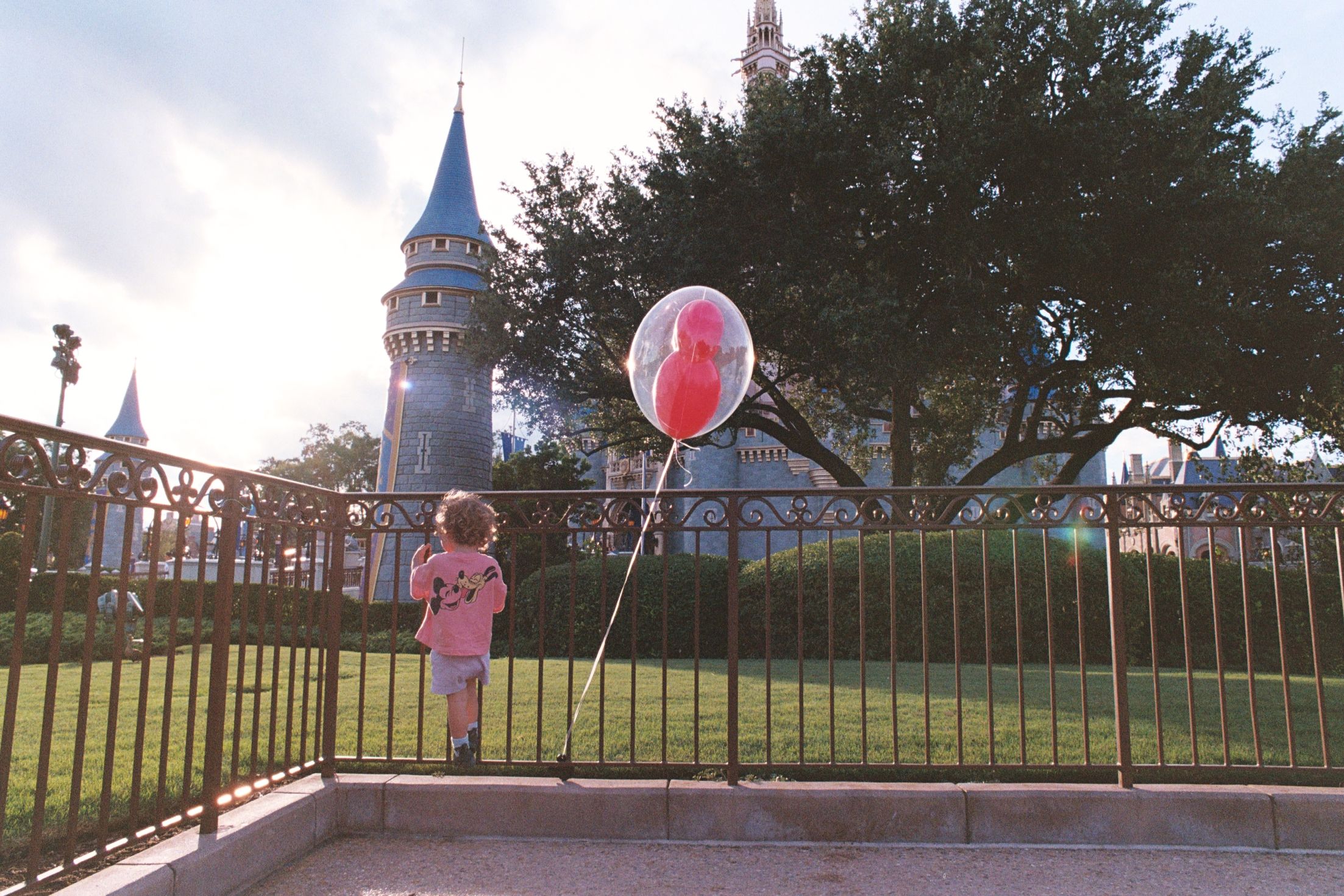
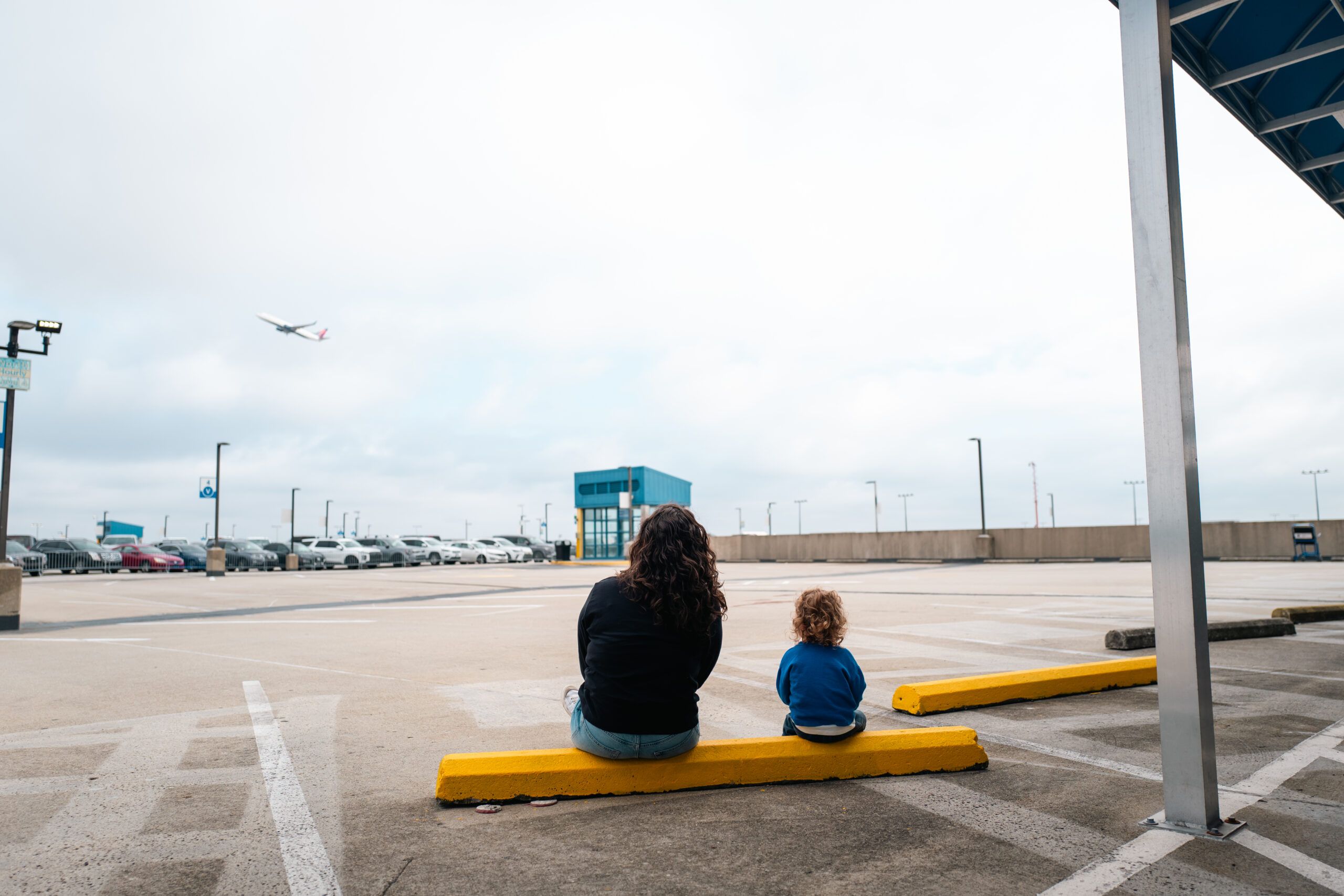
Right now, the work I’m most proud of lives in two parallel spaces. The first is deeply personal—documenting my family and my everyday life. At the moment, that means capturing my son growing up in real time. It’s quiet, ongoing work that’s less about perfection and more about presence, preserving moments that would otherwise slip away.
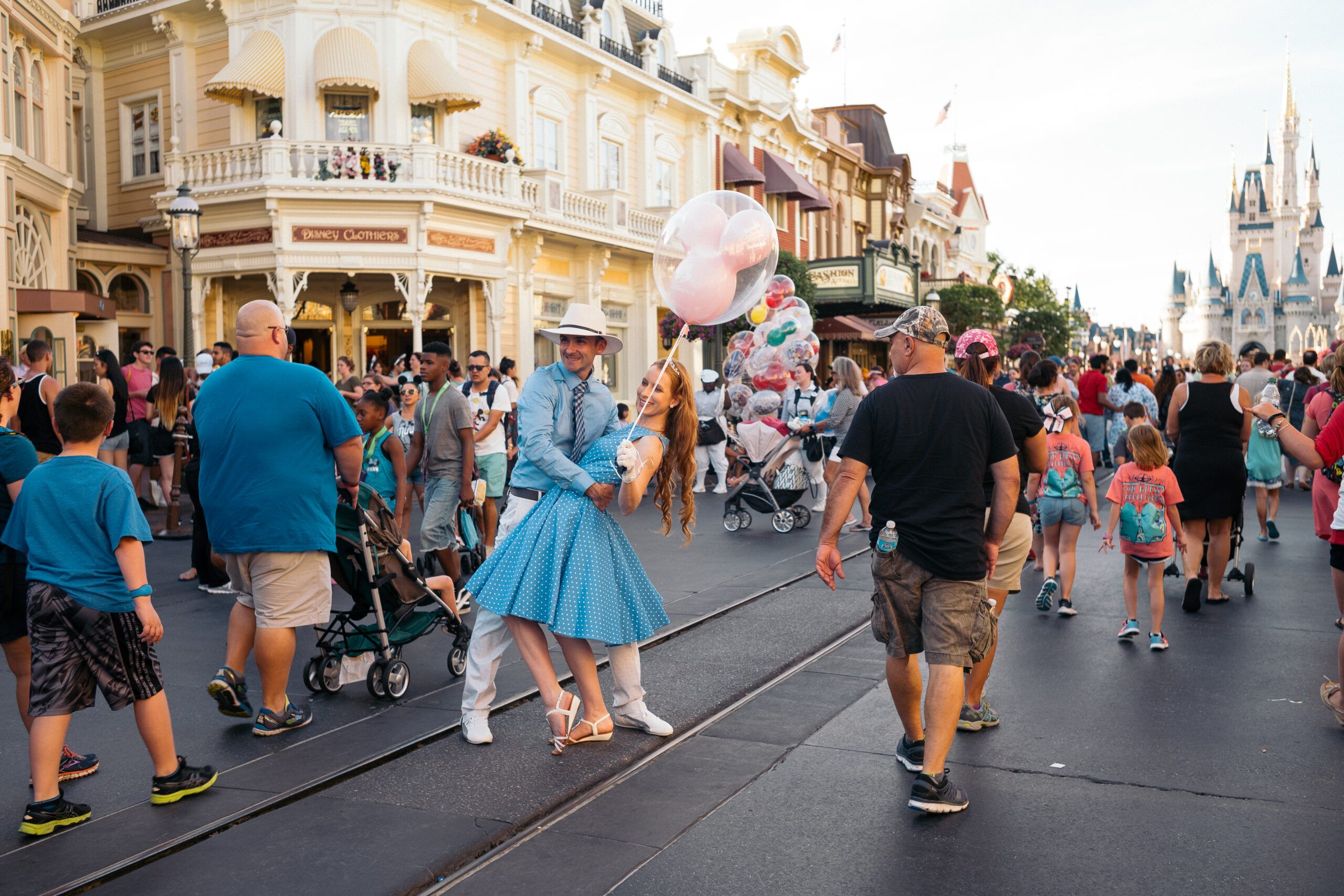
The second is an ongoing Disney World project that’s now in its 15th year. I approach the parks through a street photography lens, focusing less on spectacle and more on the in-between moments: gestures, interactions, and small human stories unfolding inside a highly curated environment.
Both projects are connected by the same curiosity—how people move through space and time, whether that space is home or something more surreal.
Henri Cartier-Bresson was foundational for me in understanding timing and composition—how everything can align for just a fraction of a second. Joel Meyerowitz showed me the emotional range of color and how layered a single frame can be.
Constantine Manos’ work resonated deeply because of its sense of place and cultural memory, and Matt Stuart continues to remind me that humor, humanity, and imperfection are just as important as technical precision. What I admire most about all of them is that they approach photography as observation first.
That answer changes over time, but it’s usually the image that captures something quietly honest rather than something visually loud. The photographs that mean the most to me are the ones that feel like memories rather than images.
They’re not always the most polished photographs, but they’re the ones that bring me back emotionally when I look at them—and that’s what matters most to me.
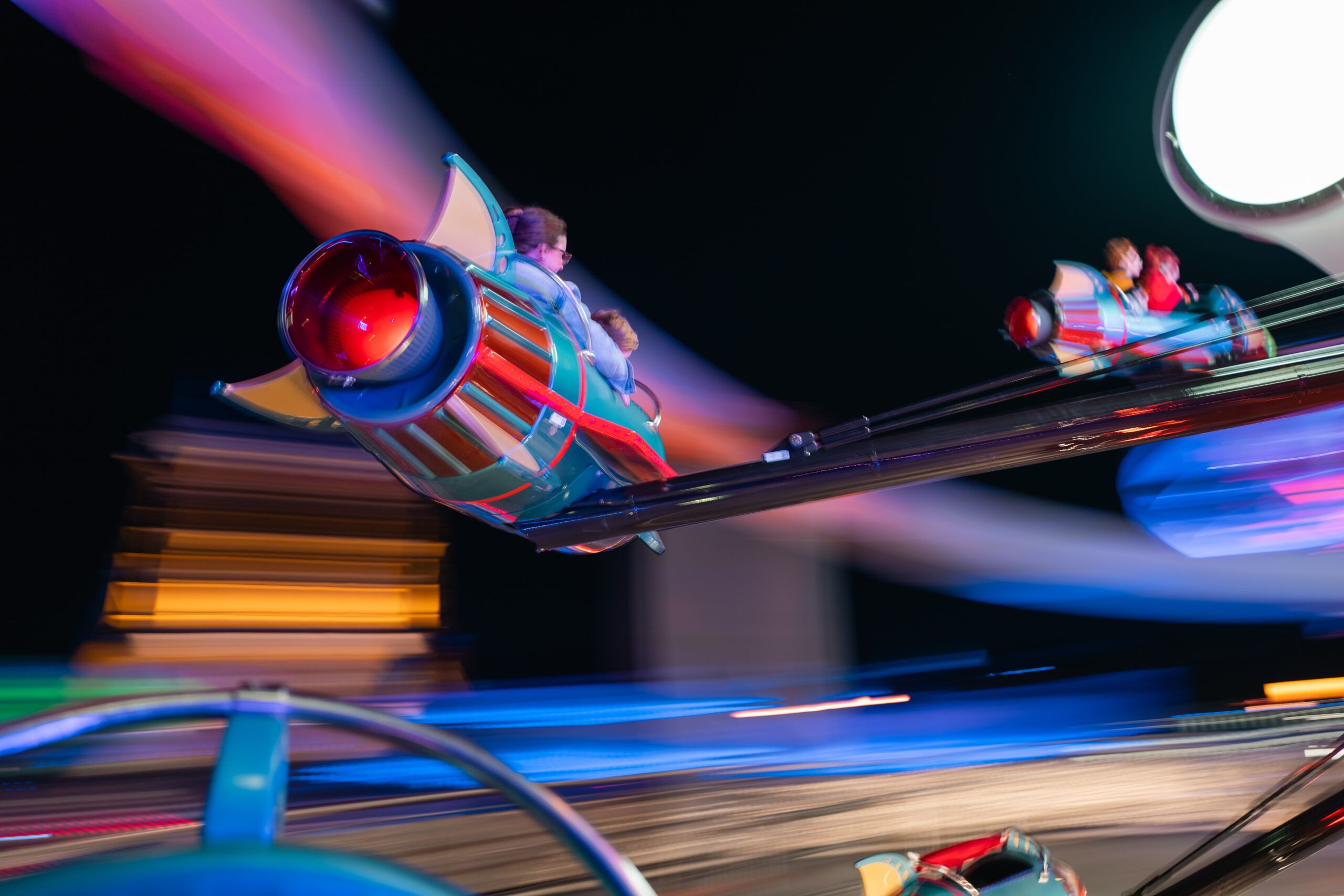
The Leica M6 fundamentally changed how I photograph, and more recently, the Leica Q has continued that shift. Both cameras allow me to stay present and unobtrusive, which is critical for the kind of work I care about.
They remove friction from the process. I’m not buried in menus or settings; I’m focused on the moment, on timing, on what’s happening between people. That ability to remain almost invisible has reshaped how I approach photography entirely.
I’ve learned that simpler gear often leads to more intentional photography. As my style has matured, I’ve gravitated toward tools that support observation rather than distraction.
All the cameras I currently use are 10 years old or older. It’s never been about chasing newer or more complex equipment, but about choosing cameras that inspire me to take them out—and then get out of the way so I can stay engaged with what’s unfolding.
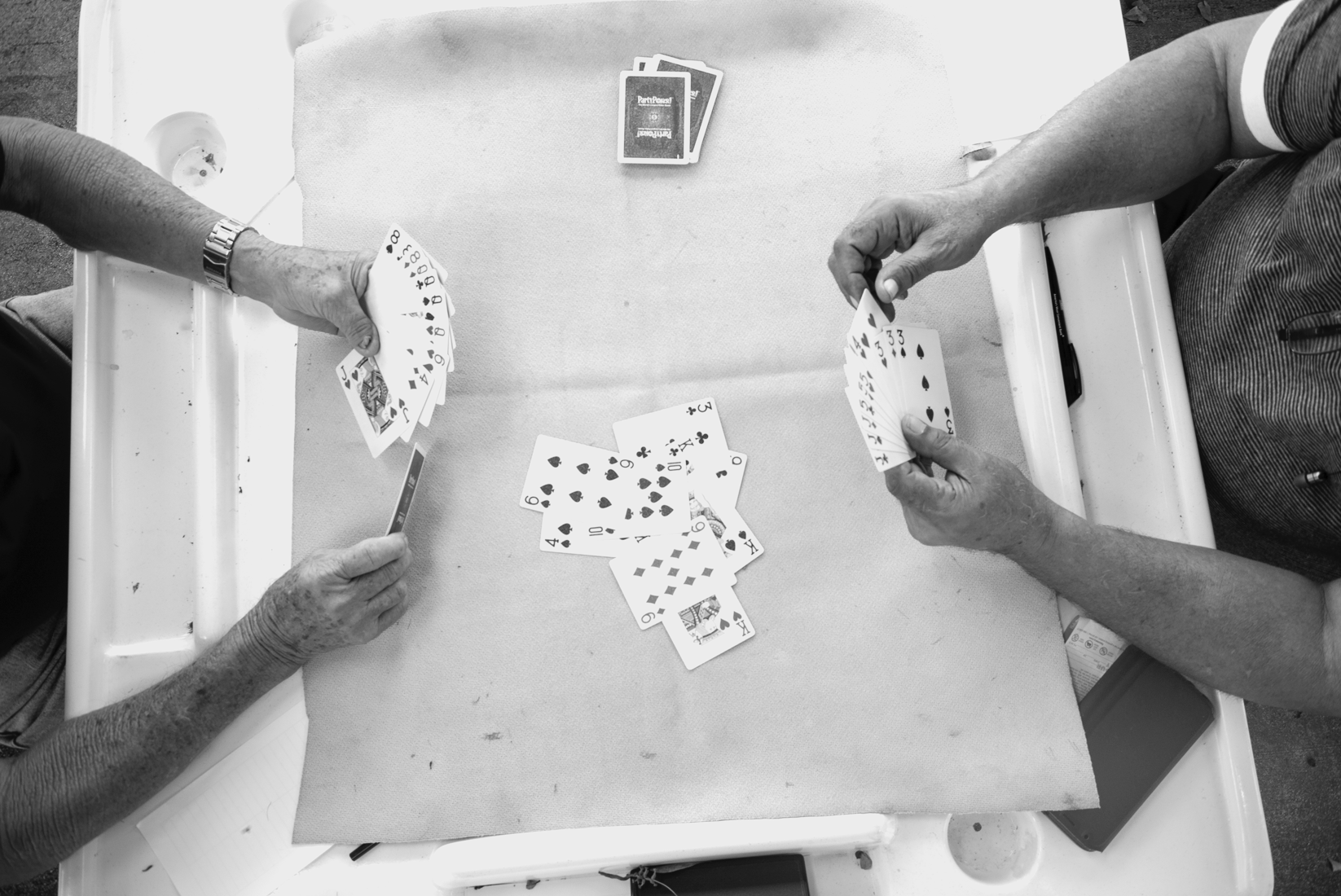
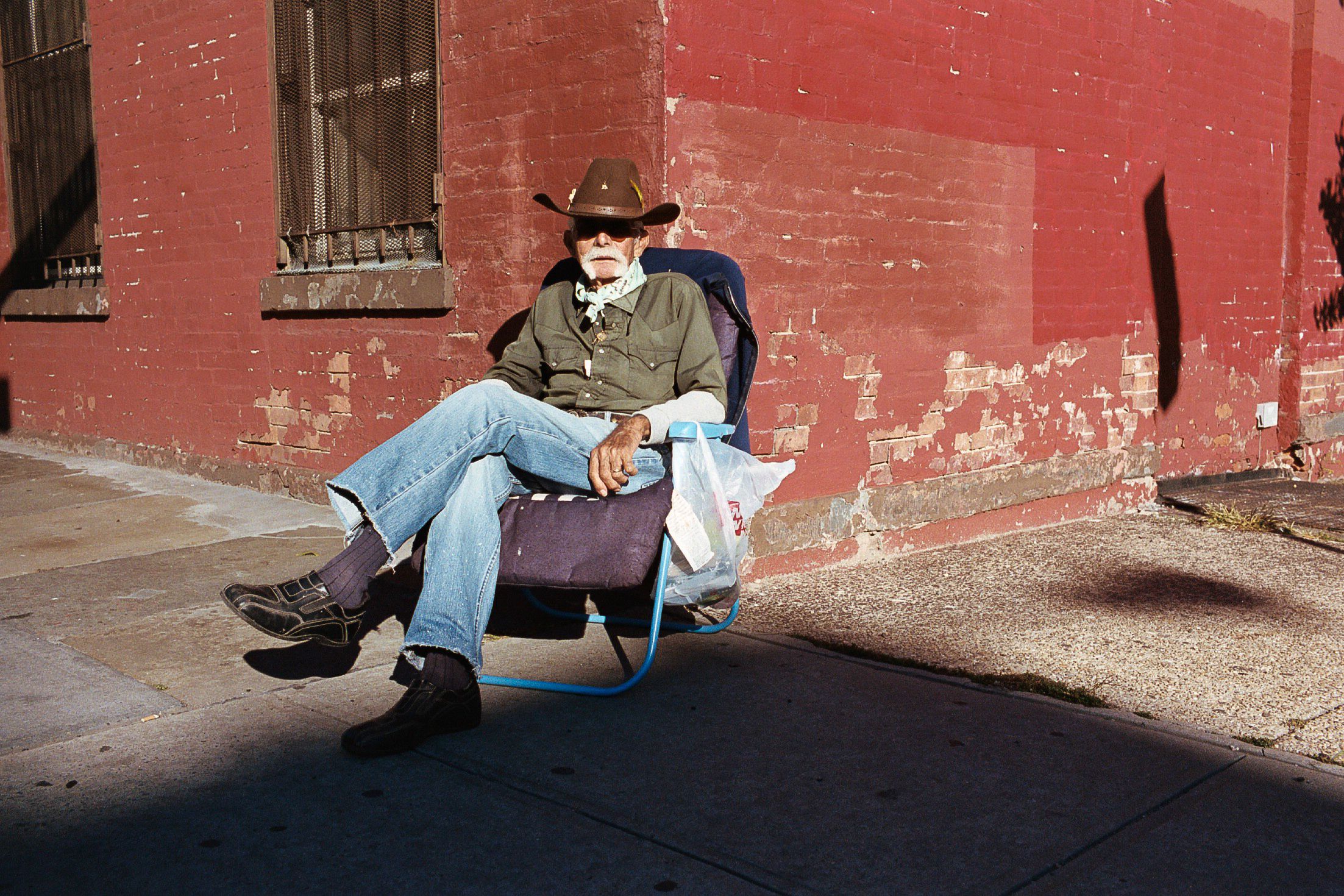
I’ve been a KEH customer for years, and I applied to be a buyer immediately after my virtual call. I strongly believe that buying pre-owned gear is about accessibility and sustainability.
Quality tools deserve long lives. When gear is recirculated responsibly, more people can focus on creating rather than constantly upgrading. It also creates a sense of community. KEH becomes a hub where creators can share tools with each other and keep great gear in motion.
I’ve seen a lot of interesting gear throughout my career in the camera world, from black paint rarities to gold-plated special editions. But the coolest camera I’ve personally seen was one of the Apollo mission Hasselblads that has come through KEH. It’s hard to top a camera that’s literally been to space.
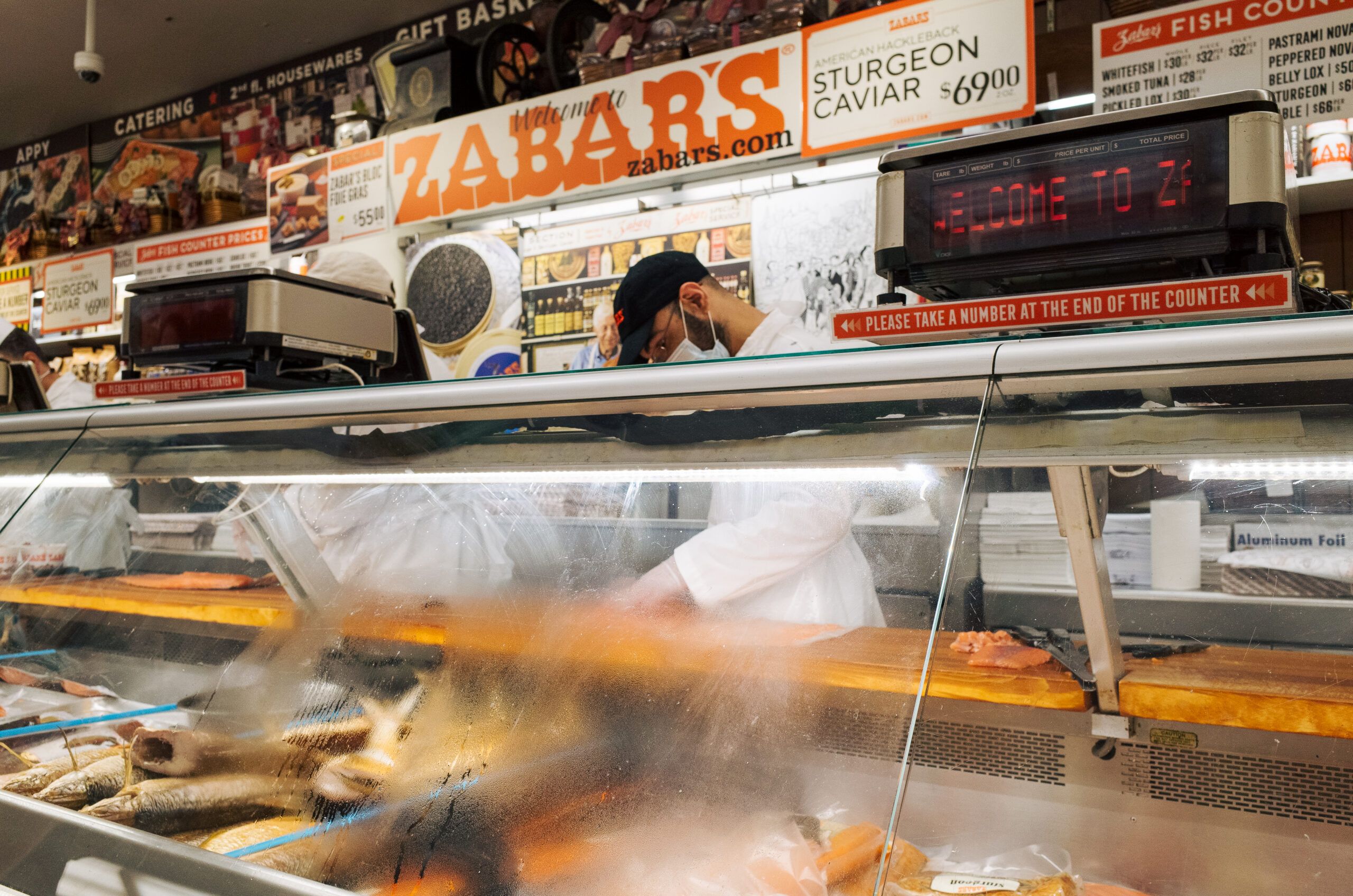
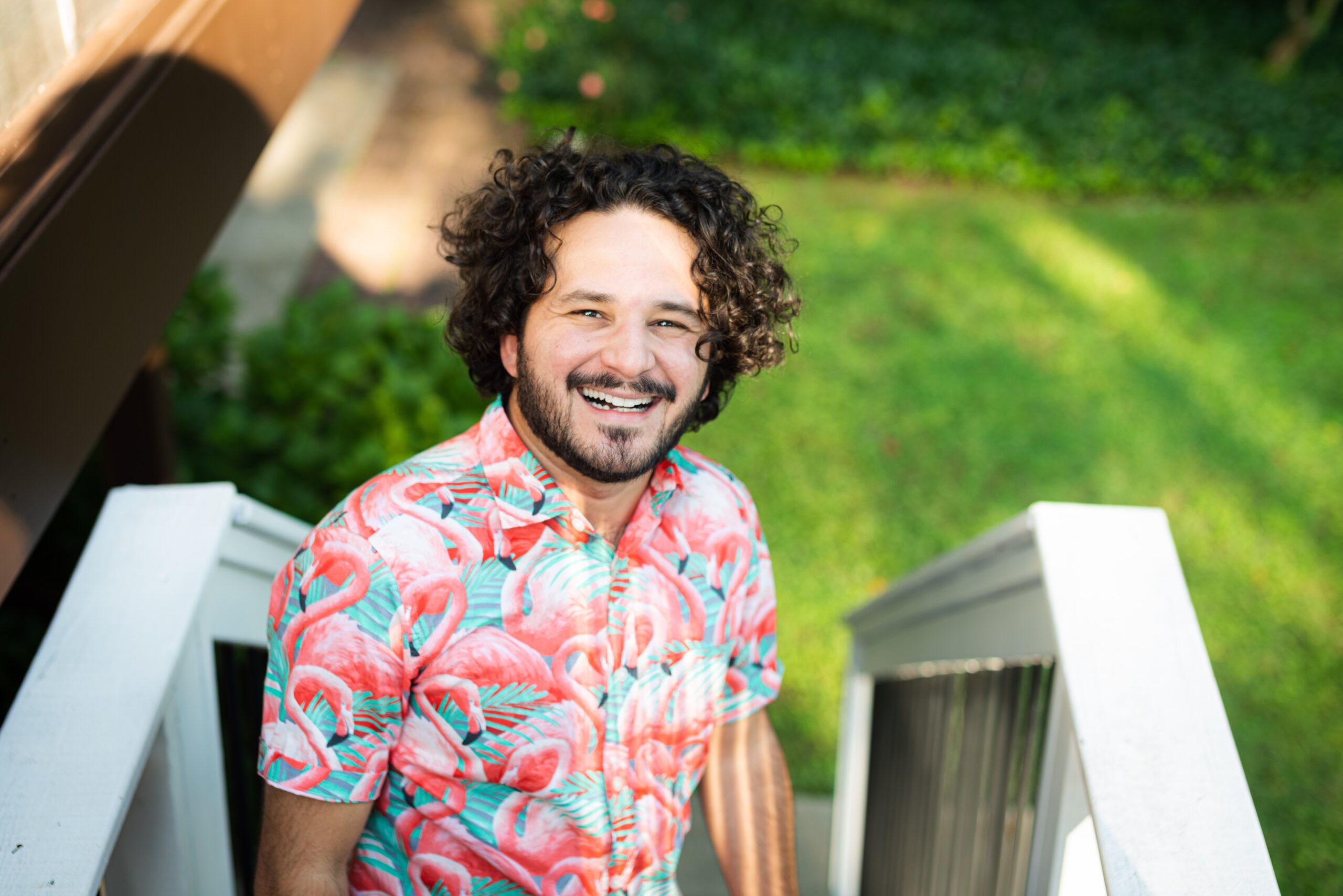
Luis Mora joined KEH in April 2025 as a Virtual Buyer. He’s a photographer, graphic designer, and most importantly a dad. Luis has his roots set in Miami but has established a home base in Georgia. He brings a creative, people-first perspective to everything he works on.