You
have no items in your shopping cart.
Sony A7 III vs. Sony A1 vs. Sony A7 IV: Which Should You Buy?
November 10, 2025
1 min read

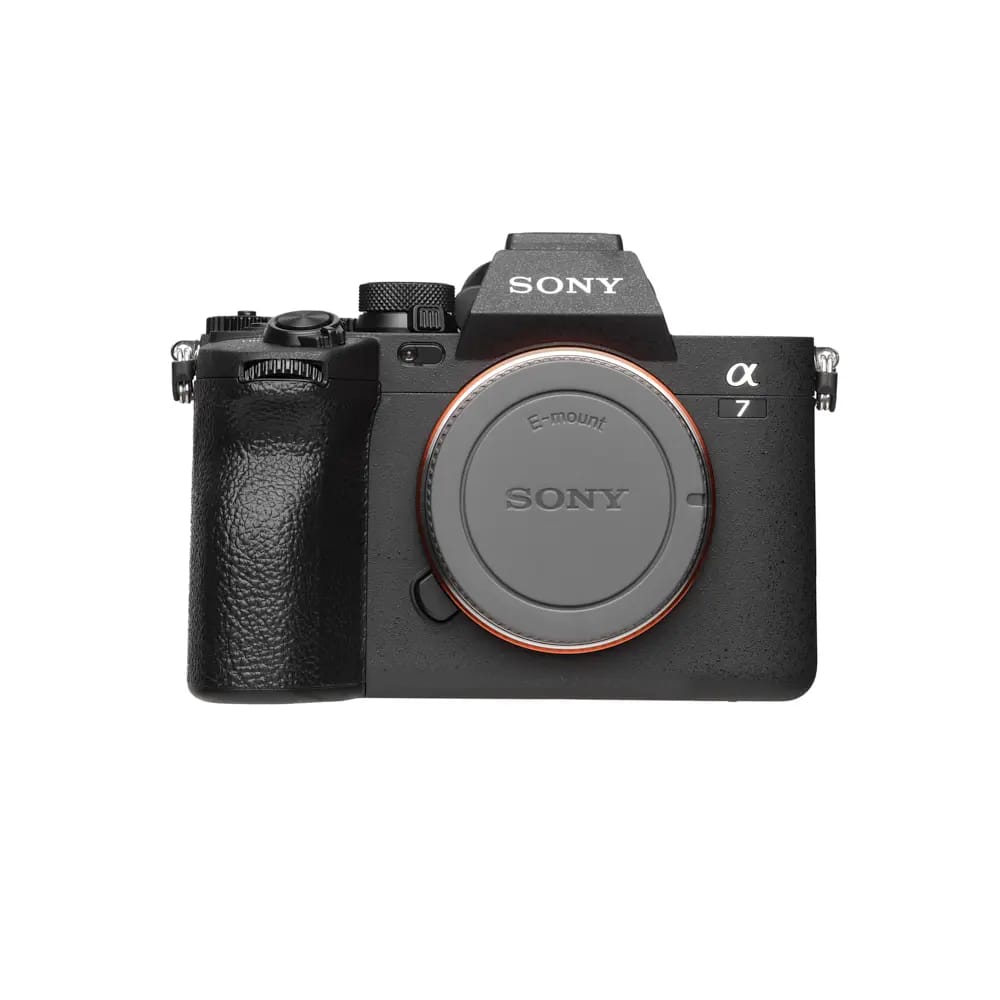
If you’re shopping Sony’s full-frame mirrorless line, you’ve probably been torn between three major players: the A7 III, the A7 IV, and the A1. Each one packs serious power, but they serve very different photographers and budgets. At KEH Camera, we believe the “best camera” isn’t always the one with the flashiest specs—it’s the one that fits your workflow, style, and future plans. Let’s break down the differences, strengths, and use cases so you can make an informed choice. We’ll also touch on used cameras and why these models often top lists of the best Sony cameras available today.
Meet the Contenders
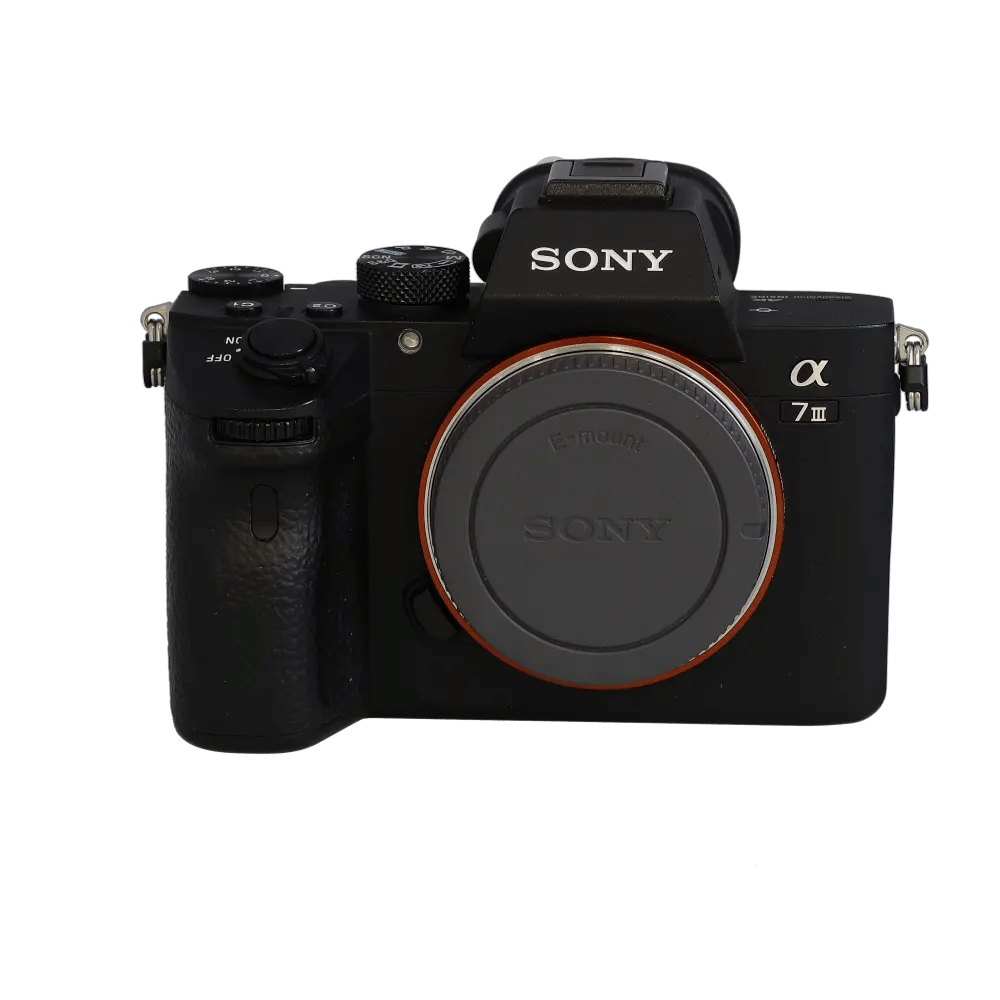
The A7 III has been Sony’s “workhorse” full-frame for years. Its 24.2-megapixel sensor, 5-axis in-body stabilization, and solid low-light performance make it a versatile tool for photographers who want quality without a crazy price tag. It also shoots 4K video up to 30p, which is more than enough for casual video creators and photographers who occasionally film content. In the used camera market, the A7 III continues to be one of the most popular options, often cited among the best Sony cameras for value and performance.
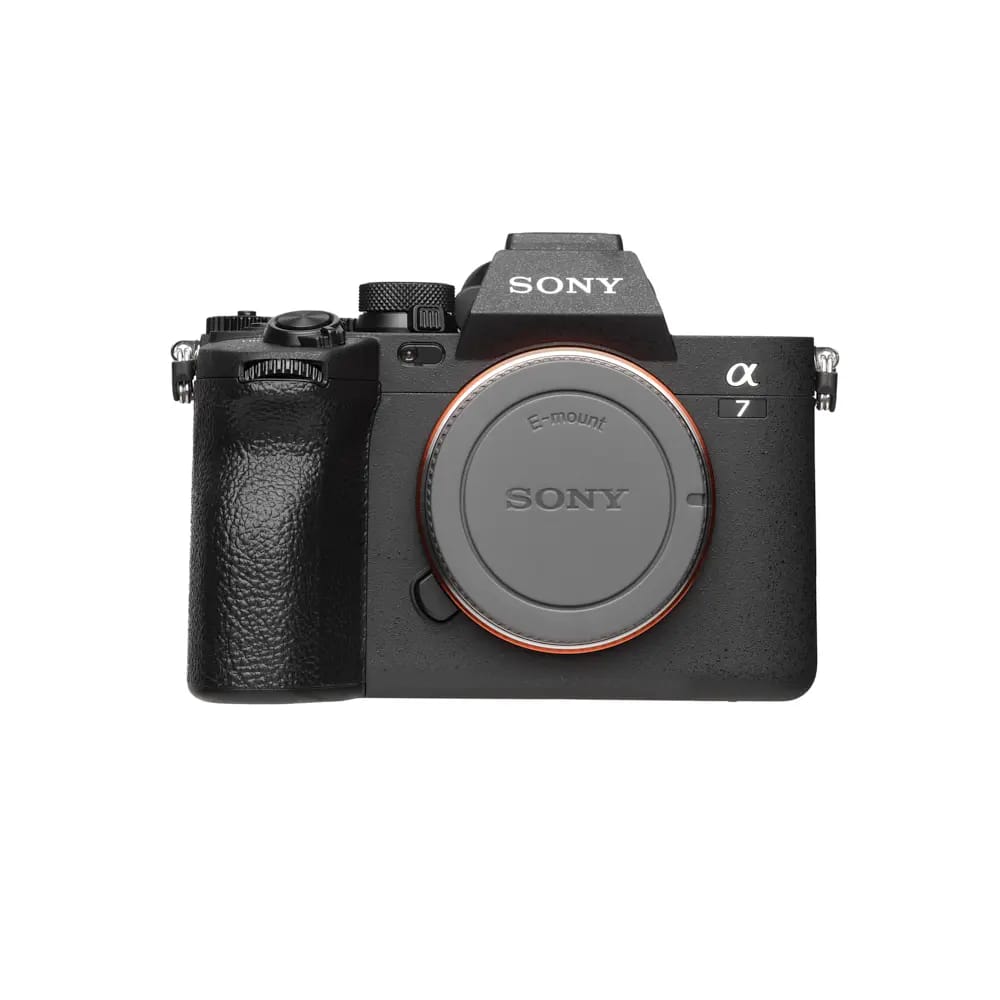
The A7 IV is the next step up. With a 33-megapixel sensor and the newer BIONZ XR processor, it’s faster, sharper, and more capable, especially for hybrid shooters who do both stills and video. Video has been upgraded to 4K60p (with a slight crop in some modes), and autofocus is improved with tech borrowed from higher-end models. It’s a camera built for creators who want flexibility. In the used camera market, the A7 IV is gaining traction as a “sweet spot” for photographers and videographers seeking best Sony cameras performance at a lower cost than new.
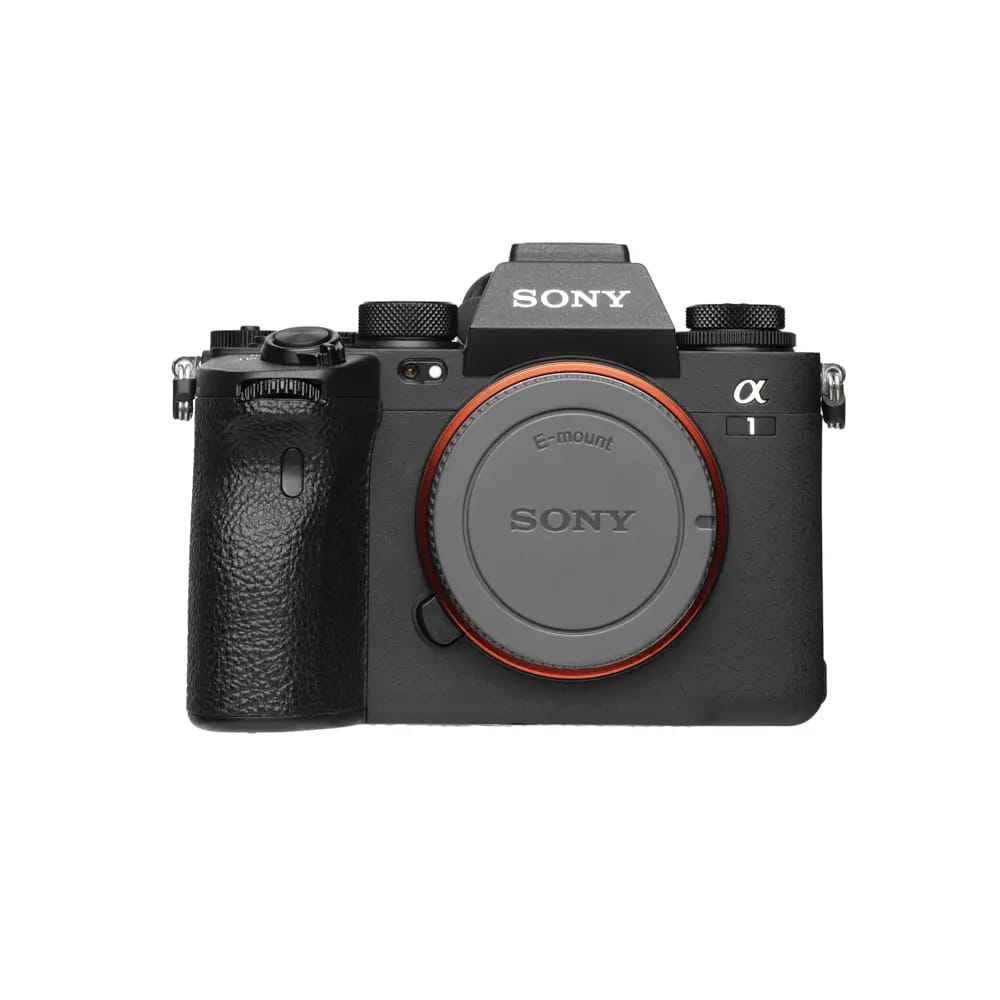
This is Sony’s flagship, and it shows. The A1 has a 50.1-megapixel stacked sensor, burst shooting up to 30 fps, and video capabilities up to 8K30p and 4K120p. It’s built for professionals who demand everything—sports photographers, wildlife shooters, and high-end commercial content creators. The trade-off is cost, size, and complexity, plus the need for top-notch lenses and storage solutions. Even in the used camera world, the A1 retains value due to its status as one of the best Sony cameras for pro photographers.
When choosing between these cameras, it’s easy to get caught up in specs. But here’s what actually matters day to day:
Resolution and Detail
Autofocus and Speed
Video Capabilities
Price and Accessibility
Sony A7 III: Best for photographers who mainly shoot stills and occasionally dabble in video. If you’re on a budget but want full-frame quality, low-light performance, and solid overall features, the A7 III is hard to beat. It’s proven, widely available, and holds up well even years after release. In fact, it frequently appears in lists of the best Sony cameras for budget-conscious shooters. Keep in mind, heavy video work or ultra-high resolution might be limiting.
Sony A7 IV: Ideal for hybrid shooters who split their time between stills and video. It’s a “future-proof” choice, with improved autofocus, better resolution, and stronger video performance. For content creators, vloggers, or photographers expanding into video work, the A7 IV strikes a great balance. Some video modes may have slight crop, but for most creators, this isn’t a dealbreaker. Buying a used A7 IV can also provide nearly the same performance at a better price.
Sony A1: The A1 is for pros and enthusiasts who demand the best in every category—high-resolution stills, ultra-fast bursts, and top-tier video. If you work in sports, wildlife, commercial photography, or high-end video production, this camera can handle it all. But be ready for higher costs, more complex workflows, and the need for premium lenses and storage. Even as a used camera, the A1 maintains value due to its pro-level capabilities and status as one of the best Sony cameras on the market.
At KEH Camera, we encourage buyers to look beyond numbers. Here are a few practical considerations:
Lens Ecosystem:
A great camera is only as good as the lenses you pair it with. The A1 may demand the best lenses to unlock its full performance. If you already own Sony E-mount lenses, consider how they’ll perform in each scenario.
Workflow & Storage:
Higher resolution and high-frame-rate video create larger files and demand more from your computer and storage. The A1 (50MP stills + 8K video) requires more resources than the A7 III.
Used Gear Advantage:
Buying a used camera can be a smart way to get higher-tier performance at a lower cost. At KEH Camera, all our used cameras are inspected and graded, so you can often score a like-new A7 IV or even A1 at a fraction of the new price. Many photographers consider these models among the best Sony cameras in the used market for exactly this reason.
Actual Shooting Needs:
Ask yourself: How often will you need 50MP? How much video do you shoot at 4K60+? Many buyers end up paying for specs they rarely use. At KEH, we always say: buy the camera that matches your real demands, then consider upgrades later if your needs change.
Choosing the Sony A7 III vs A7 IV vs A1 comes down to your needs, budget, and long-term plans.
If you’re unsure, consider aiming one tier down from “perfect specs,” and you may gain more value. Because every camera here is capable, what matters is how you use it. At KEH, we always encourage considering used cameras, which can give excellent performance at lower cost, freeing budget for lenses, lighting, or other accessories that often matter more than body upgrades.
Remember, the “best Sony camera” isn’t necessarily the newest or most expensive—it’s the one that helps you create your best work without overpaying for features you won’t use.
Want more on these three Sony cameras? Check out our video: