You
have no items in your shopping cart.
Top 5 Best Instant and Polaroid Cameras
July 30, 2026
1 min read

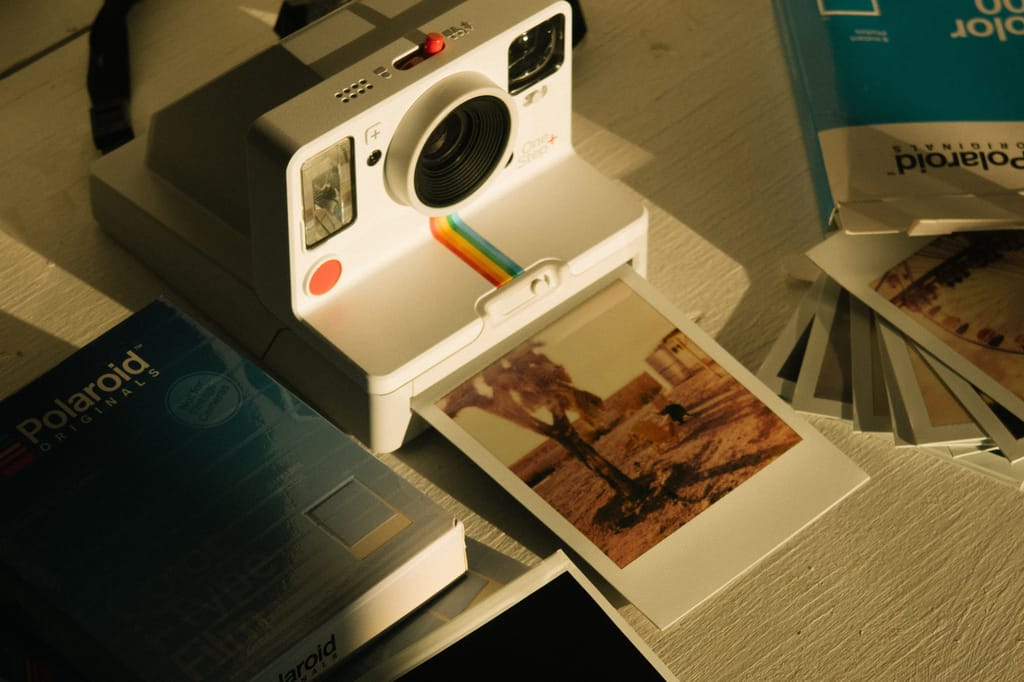
There’s a reason instant film photography still feels like a tiny magic trick. You press the shutter, hear the motor whir, and a blank little rectangle slides into your hand. The urge to shake the photo is almost impossible to resist, but don’t do it. Let the chemistry develop on its own, keep it out of harsh light, and enjoy the slow reveal.
That wait is the whole point. An instant print can go straight onto the fridge, into a wallet, under a dorm-room magnet, or into a friend’s hand before the moment disappears. Whether you’re documenting a birthday party, a road trip, a wedding guest book, or a quiet Sunday with coffee, the best instant cameras make memories feel physical again.
The fun of instant cameras is that none of them are trying to be perfect. Polaroid cameras tend to feel dreamy, nostalgic, and a little unpredictable. Colors can shift, highlights can bloom, and the larger square-ish frame has that unmistakable retro look. If you want a print that feels like a memory instead of a technically perfect snapshot, Polaroid is hard to beat.
Fujifilm Instax cameras, on the other hand, are usually more predictable and easier to budget for. Instax film develops quickly, is widely available, and comes in Mini, Square, and Wide formats. For group events, teens, travel, and everyday fun, Fujifilm Instax is often the most practical choice.
Buying pre-owned KEH Certified™ camera gear is especially smart with instant cameras because the simple-looking body hides a lot of important mechanics. Rollers need to spread chemistry evenly. Flash needs to fire when expected. Ejection mechanisms need to push the printout smoothly. We inspect and grade gear so your pre-owned camera is more likely to work out of the box, and the money you save can go where it really matters: more film.
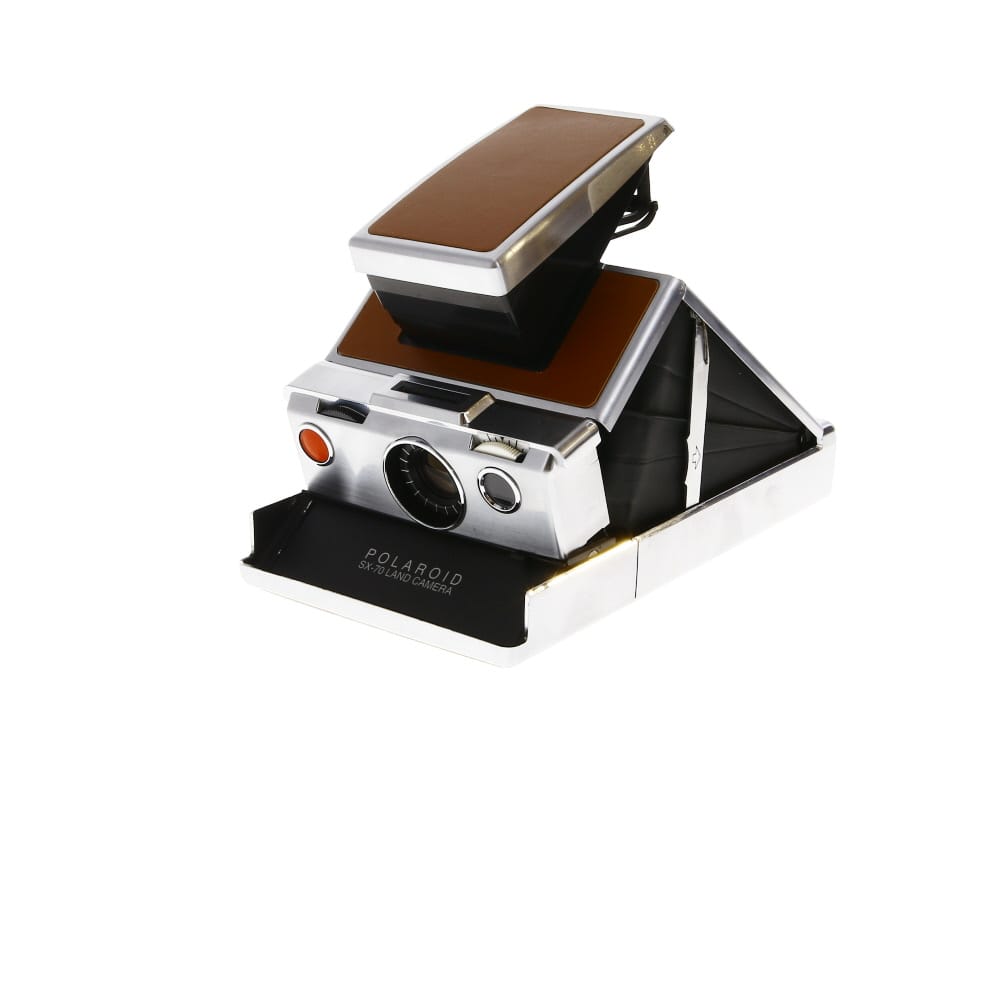
The Vintage Polaroid SX-70 is the instant camera for people who want the full cinematic experience. It folds flat, opens like a piece of industrial design history, and turns every photo into a deliberate little ritual.
This is the vintage Polaroid choice for dreamers, collectors, artists, and anyone who wants their camera to look as good sitting on a shelf as it does in their hands. SX-70 photos feel soft, intimate, and nostalgic, especially in bright natural light.
It is not the easiest instant camera here, but that is part of its charm. You load film, frame carefully, focus, and slow down. Compared with modern best instant cameras, the SX-70 rewards patience more than speed.
Most classic SX-70 models do not have a built-in flash. You’ll want bright daylight or a compatible flash accessory. Because SX-70 film is slower than 600 film, indoor photos can get murky without extra light.
It takes Polaroid SX-70 film. This is typically one of the pricier instant film options per shot, with fewer exposures per pack than Instax. Choose the SX-70 if the experience and aesthetic matter more than high-volume party shooting.
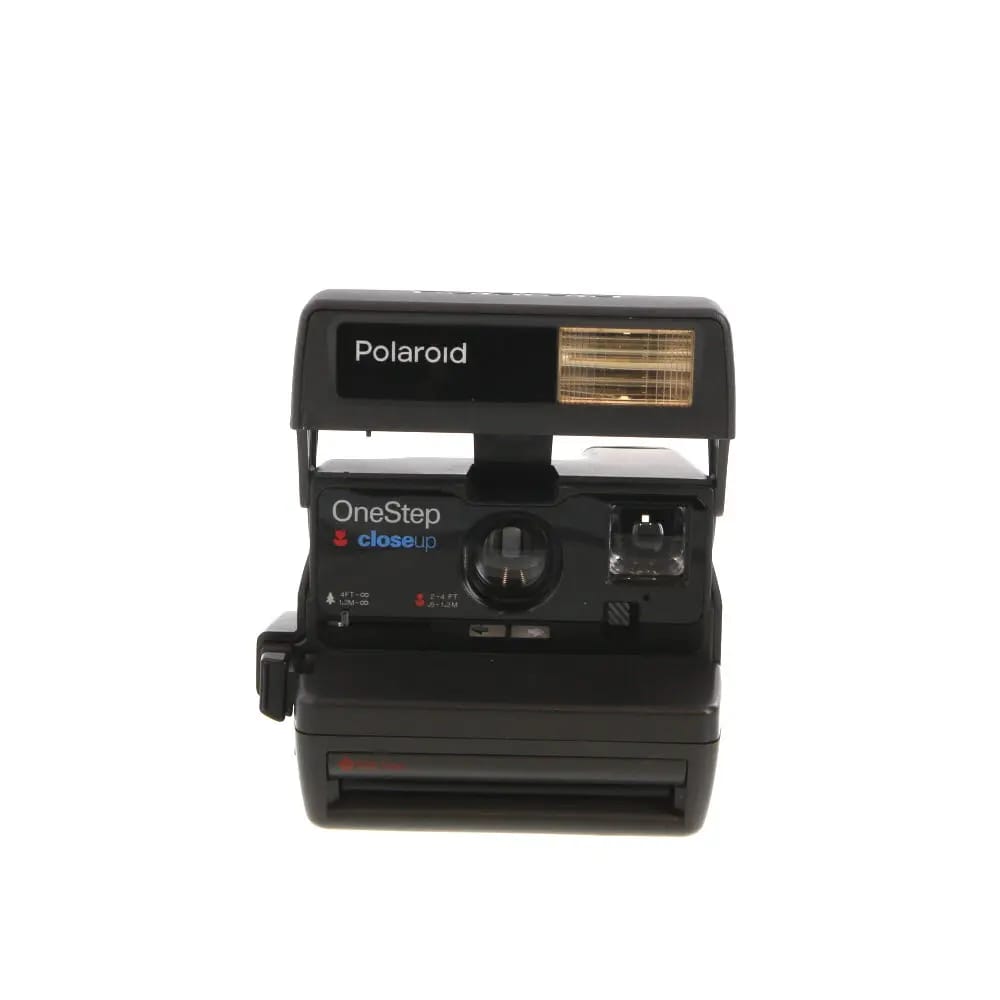
The Polaroid OneStep Close Up 600 is the classic point-and-shoot Polaroid many people picture when they think of instant photography. It is casual, chunky, friendly, and ready for birthdays, cookouts, and living-room portraits.
The 600 series has that familiar 1990s family-album energy. It feels less precious than the SX-70 and more like a camera you can pass around at a party. The look is bold, warm, imperfect, and instantly recognizable.
This is one of the easiest classic Polaroid cameras to enjoy. Aim, press, and wait. The close-up slider gives you a little more flexibility for portraits, flowers, table details, and guest-book moments.
Many OneStep Close Up 600 models include an automatic built-in flash, which is a huge advantage indoors. That makes it much more party-friendly than an unflashed SX-70, especially when people are moving and the light is mixed.
It takes Polaroid 600 film. Do not buy i-Type film for a vintage 600 camera, because i-Type film does not include the battery needed to power older 600 bodies. 600 film has the beloved Polaroid look, but it costs more per shot than most Instax formats, so plan ahead if you’re handing it around at events.
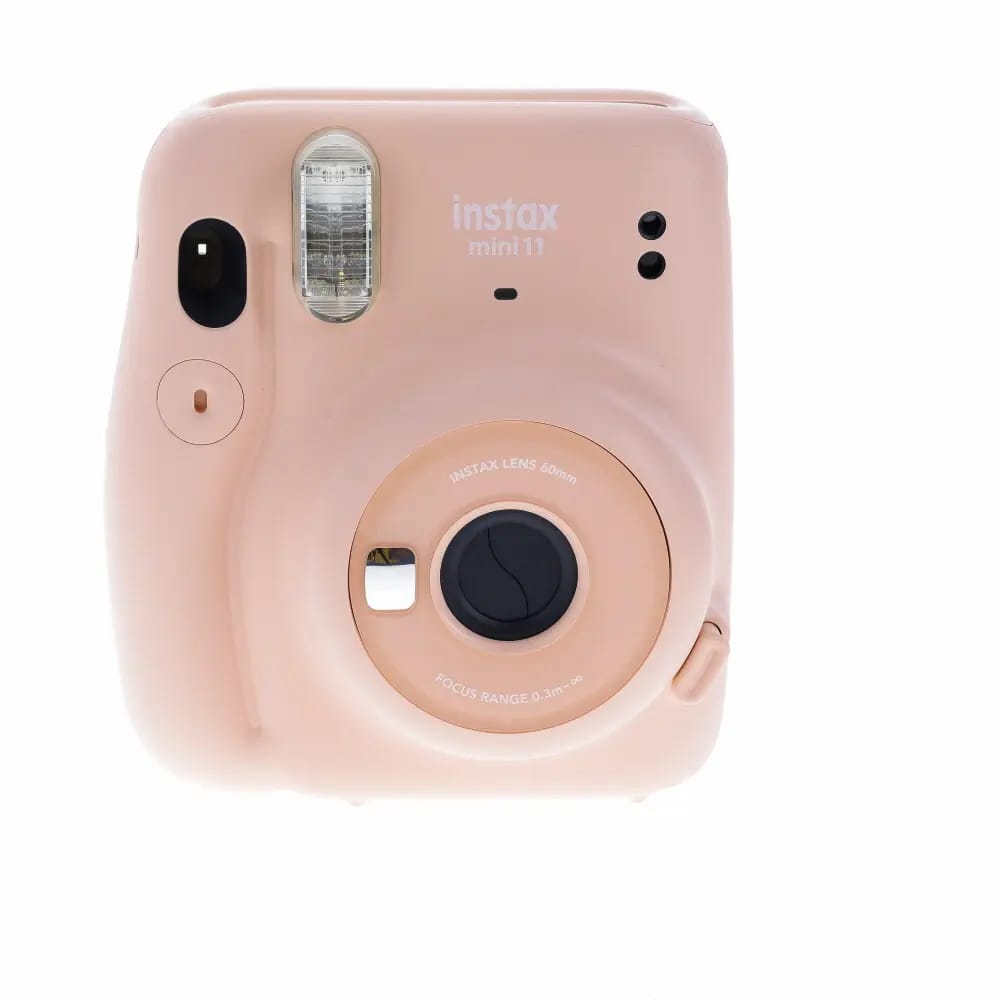
The Fujifilm INSTAX mini 11 is the easy recommendation for anyone who wants instant fun without a learning curve. It is colorful, simple, compact, and forgiving enough for kids, party tables, vacations, and first-time film shooters.
Instax Mini prints are small, cute, and highly shareable. They fit in wallets, phone cases, place cards, scrapbooks, and mini frames. The look is bright and playful rather than moody or vintage.
This is one of the most accessible cameras on the list. Auto exposure handles most decisions, and the built-in selfie mode makes close portraits easier. If your goal is to capture the moment instead of thinking about settings, this is the one.
The Mini 11 uses a built-in flash with automatic light adjustment. You do not get deep manual control, but that is the point. It is designed to fire confidently in everyday conditions.
It takes Fujifilm Instax Mini film. Mini film is usually the most budget-friendly instant film format, especially in multipacks. If you expect to shoot a lot, Instax Mini is the easiest system to justify long-term.
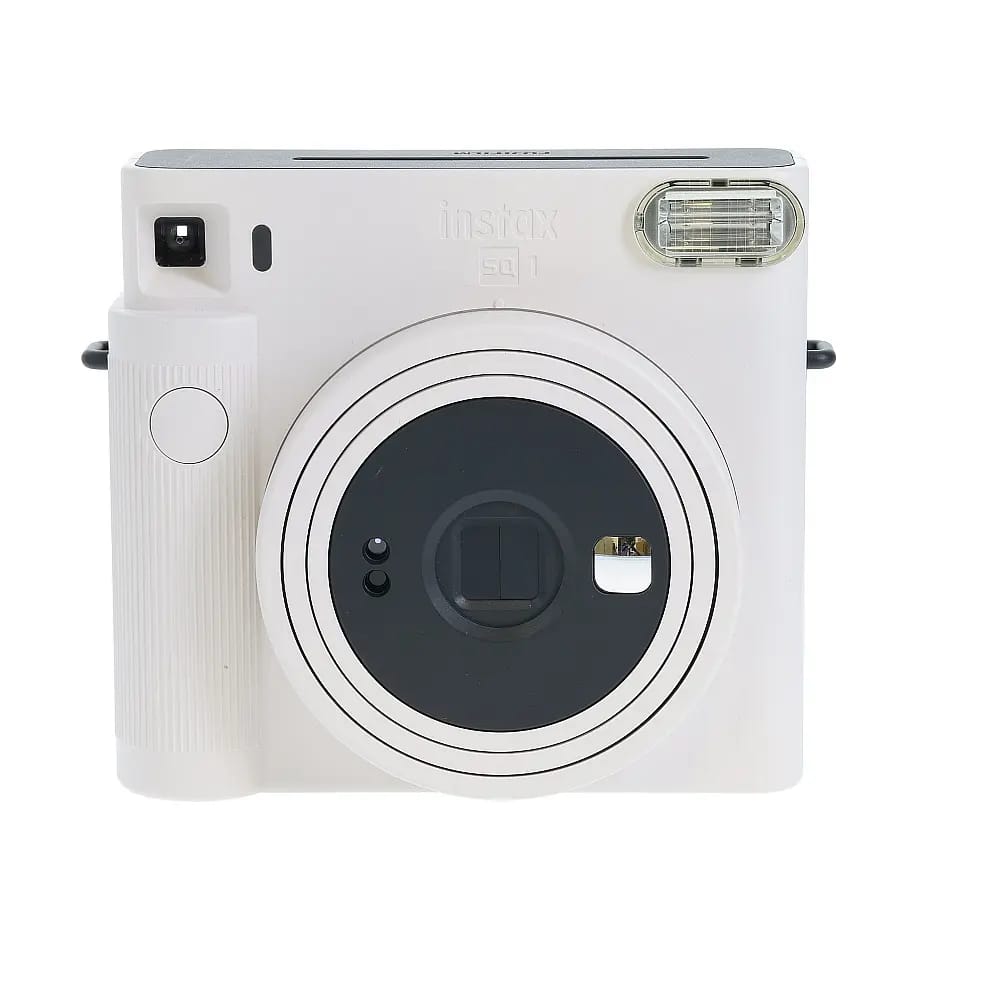
The Fujifilm INSTAX SQUARE SQ1 is the sweet spot for people who love the square instant-photo look but want modern reliability. It bridges the emotional pull of Polaroid-style framing with the consistency of Fujifilm Instax.
The SQ1 feels modern, minimal, and social. The square print gives portraits, pets, food, and table scenes more breathing room than Mini film while still staying compact enough for scrapbooks and displays.
It is refreshingly simple. Twist to turn it on, twist again for selfie mode, and shoot. There are no complicated menus, which makes it great for guests, family members, and casual memory-makers.
The SQ1 has a built-in flash with automatic light adjustment. Like the Mini 11, it prioritizes ease over manual control. For parties and indoor snapshots, that simplicity is a strength.
It takes Fujifilm Instax Square film. Square film usually costs more per shot than Instax Mini but less than the priciest Polaroid options. Pick the SQ1 if you want a larger, more balanced frame without jumping all the way to Polaroid film costs.
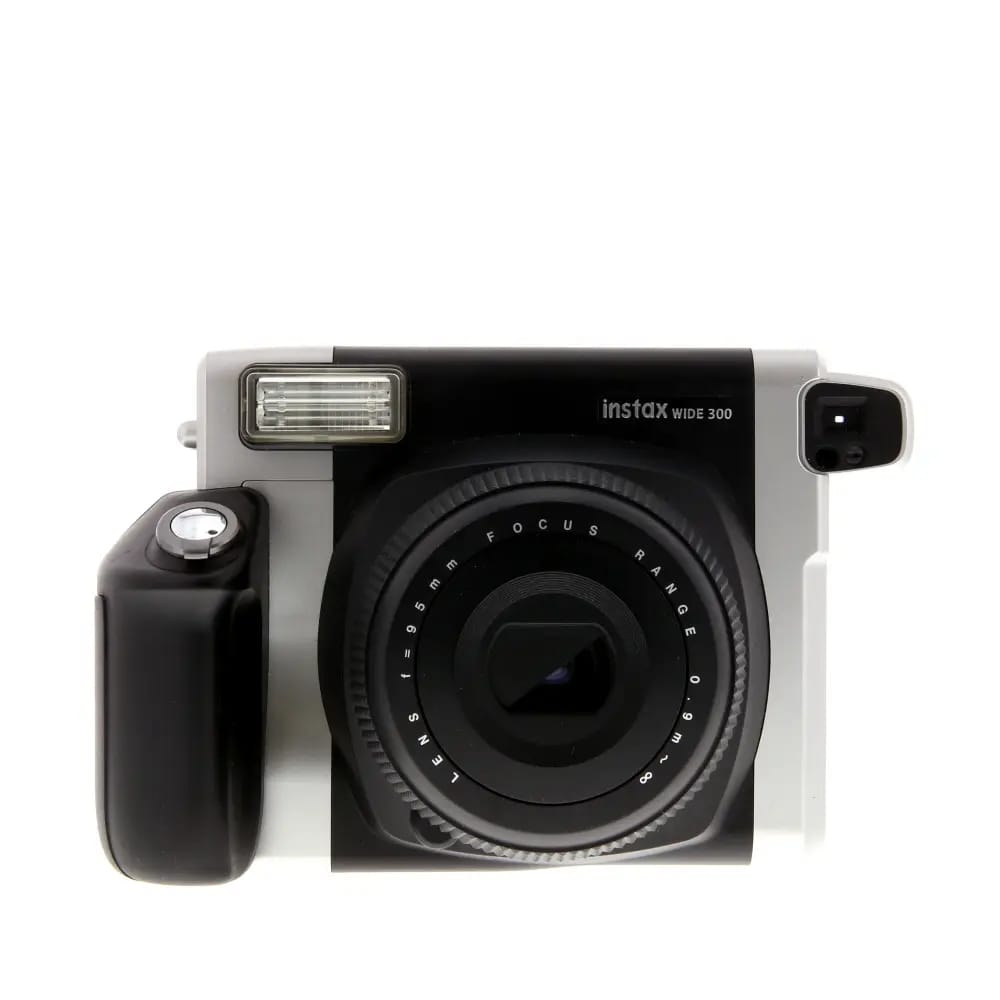
The Fujifilm INSTAX Wide 300 is the group-photo champion. It is bigger than the Mini and Square options, but that size is exactly why it earns a place among the best instant cameras.
Wide prints feel like mini postcards. They are ideal for wedding receptions, family reunions, road trips, graduation parties, and any moment where you want more people, more background, and more context in the frame.
The Wide 300 is simple enough for beginners, though the body is bulkier than the other modern options. It is best when you want to hold the camera with two hands, frame a group, and make a print people can actually gather around.
The built-in flash helps with dimmer scenes and fill light. It is more event-friendly than many vintage Polaroid setups, although you should still pay attention to distance because instant-camera flashes work best relatively close to the subject.
It takes Fujifilm Instax Wide film. Wide film costs more than Instax Mini, but you get a much larger image area. For group photos, that can be better value than squeezing everyone into a tiny print.
The camera is only the first purchase. Film is the real long-term cost of instant film photography.
If you want the lowest ongoing cost, choose Instax Mini. The prints are small and cheerful, but the per-shot price is usually friendlier, especially if you buy multipacks. This makes the Mini 11 ideal for parties where people may take multiple photos without overthinking every frame.
If you want the classic Polaroid look, budget more per photo. Polaroid 600 and i-Type film deliver a larger frame, softer color shifts, and a more nostalgic aesthetic. The key difference is compatibility: vintage 600 cameras need 600 film because the film pack includes a battery, while modern i-Type cameras use i-Type film without that built-in battery. The look is related, but the camera system matters.
Instax Square sits in the middle. It gives you a square composition that feels closer to Polaroid, but with the consistency of Fujifilm Instax. Instax Wide is the best choice when print size matters most, especially for groups.
Choose the SX-70 if you want the most iconic vintage Polaroid experience and do not mind slowing down. Choose the OneStep Close Up 600 if you want classic Polaroid character with easier point-and-shoot handling. Choose the Mini 11 if budget, simplicity, and party volume matter most. Choose the SQ1 if you want a modern square format without going full Polaroid. Choose the Wide 300 if your favorite memories include lots of people in the frame.
For most casual shooters, the practical answer is Instax Mini. For hobbyists and nostalgia lovers, a KEH Certified vintage Polaroid can be more rewarding. Either way, a carefully inspected pre-owned camera is a smart, sustainable way to get started and save more of your budget for film.
Instax is Fujifilm’s instant film system, known for reliable results, quick development, and generally lower ongoing film costs. Polaroid has a larger, more nostalgic look with softer tones and more unpredictability. Instax Mini is best for budget-friendly sharing, Instax Square is a modern square compromise, Instax Wide is great for groups, and Polaroid is best when you want that classic dreamy instant-photo feel.
Yes. Instant film contains chemicals that change over time. Expired film may still work, but colors can shift, contrast can drop, and development can become uneven. For best results, buy fresh film, store it properly, and use it before the date or recommended window on the packaging. If you are buying film for an event, test a pack before the big day.
A thrift-store vintage Polaroid might be cheap, but it is often untested. The rollers could be dirty, the flash might not fire, or the ejection mechanism may fail after you load an expensive pack of film. With KEH Certified pre-owned gear, experts inspect and grade the camera so you have a clearer idea of what you’re getting. That peace of mind matters when every failed test shot costs real money.