You
have no items in your shopping cart.
How to Choose the Best Camera for Indoor Portrait Photography
January 27, 2026
1 min read

Struggling with indoor photos that come out dark, grainy, or a little soft? You scroll through Instagram and see crisp eyes, creamy backgrounds, and natural skin tones—and wonder why your portraits at home don’t match up.
The good news? You don’t need a full studio or a six-figure camera body to nail indoor portraits. With the right portrait photography gear, smart lighting, and a few key tricks, you can get professional-looking results with minimal fuss.
Here’s what really matters when choosing the best camera for indoor portrait photography:
Many photographers assume a more expensive camera body equals better portraits—but the lens often makes the bigger difference.
A wide aperture (low f-number, like f/1.8) does two key things indoors:
Most kit lenses can’t open wide enough, which is why indoor portraits sometimes look flat or cluttered. Prime lenses solve this. They don’t zoom, but they deliver sharper results and wider apertures—making them some of the most valuable portrait photography gear you can invest in.
A 50mm f/1.8 lens is a classic choice for indoor portraits: affordable, versatile, and perfectly suited to capturing natural-looking faces without distortion.
Lens specs may seem intimidating, but they’re straightforward once you know the basics:
Quick reference for indoor portraits:
For indoor portraits, aperture often matters more than any other lens spec.
KEH Lens Picks for Indoor Portraits:
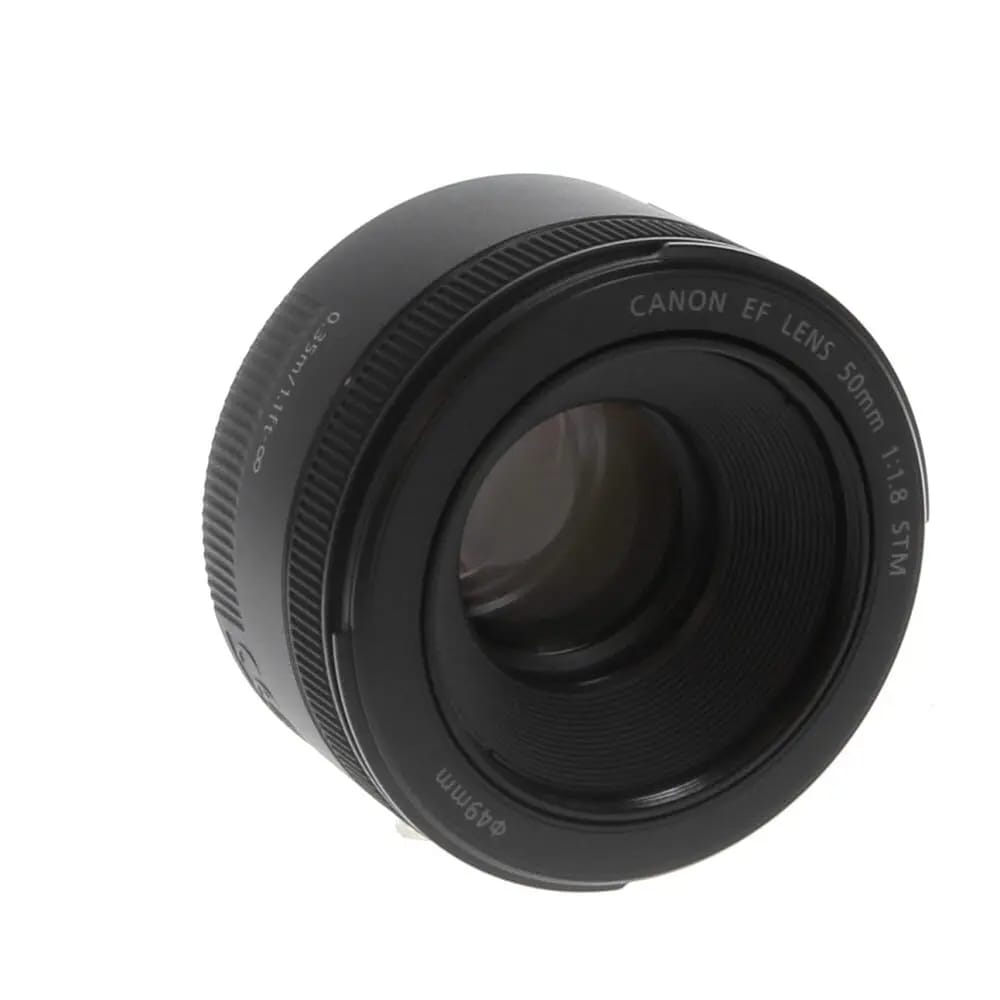
Canon 50mm f/1.8 STM
A budget-friendly prime that punches way above its weight. This lens delivers impressive sharpness, smooth background blur, and a fast f/1.8 aperture that performs beautifully in low light. The STM motor provides quiet, reliable autofocus, making it a versatile choice for portraits, everyday shooting, and even video.
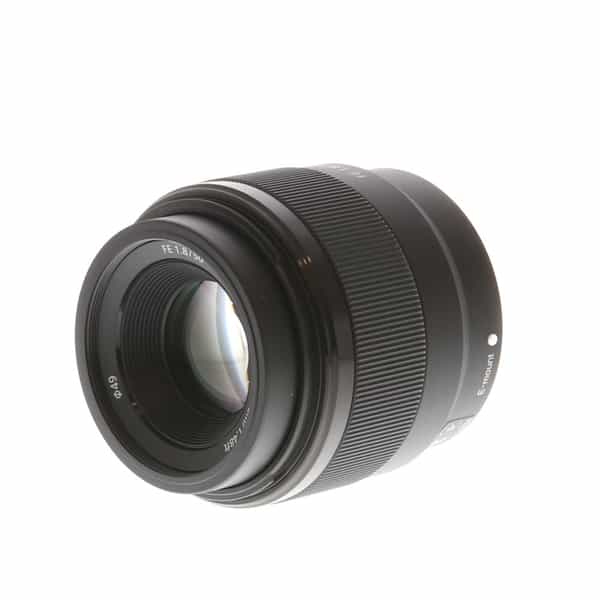
Sony FE 50mm f/1.8
A lightweight, full-frame prime built for Sony mirrorless shooters who want strong low-light performance without the premium price tag. The wide f/1.8 aperture helps you shoot confidently indoors while creating clean subject separation, making it a go-to option for portraits, lifestyle, and casual street photography.
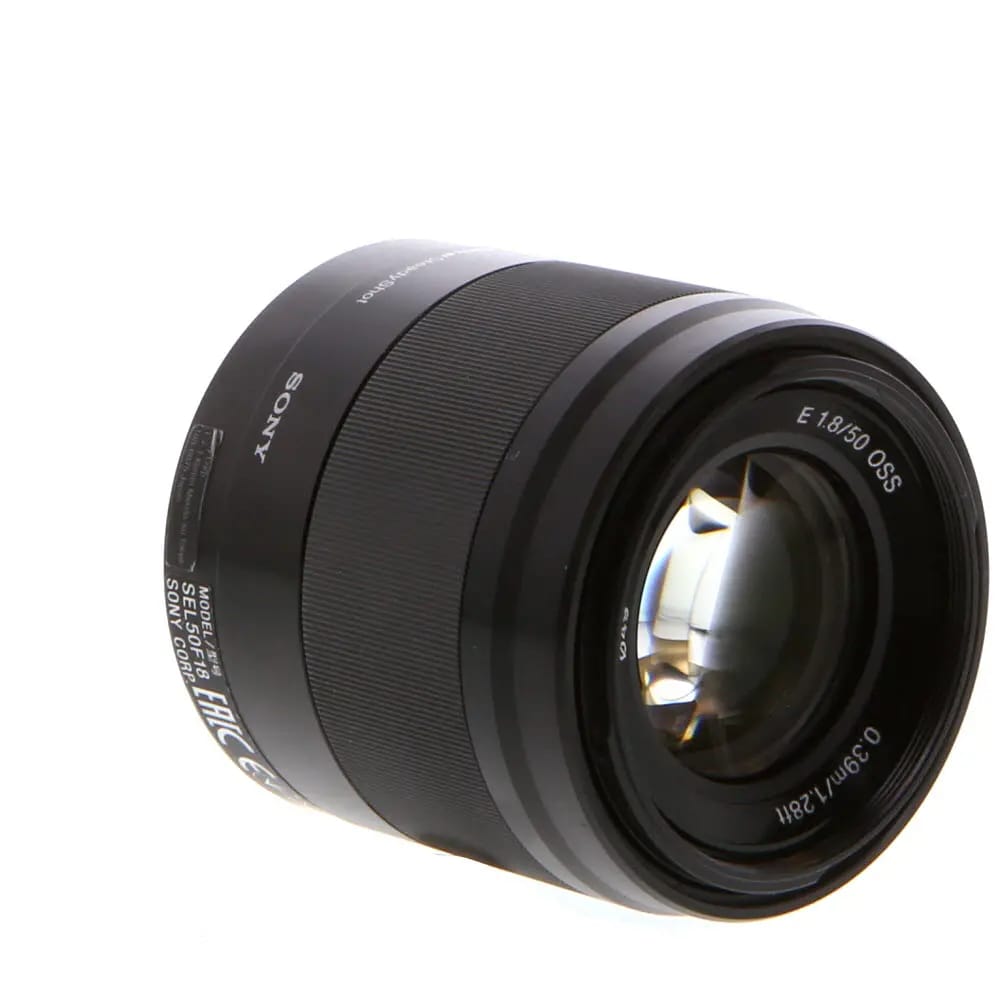
Sony 50mm f/1.8 E OSS
Designed specifically for APS-C Sony cameras, this compact prime pairs a bright f/1.8 aperture with built-in Optical SteadyShot stabilization. The result is sharper handheld shots in dim lighting and smoother video footage, making it an excellent choice for indoor portraits, events, and everyday creative shooting.
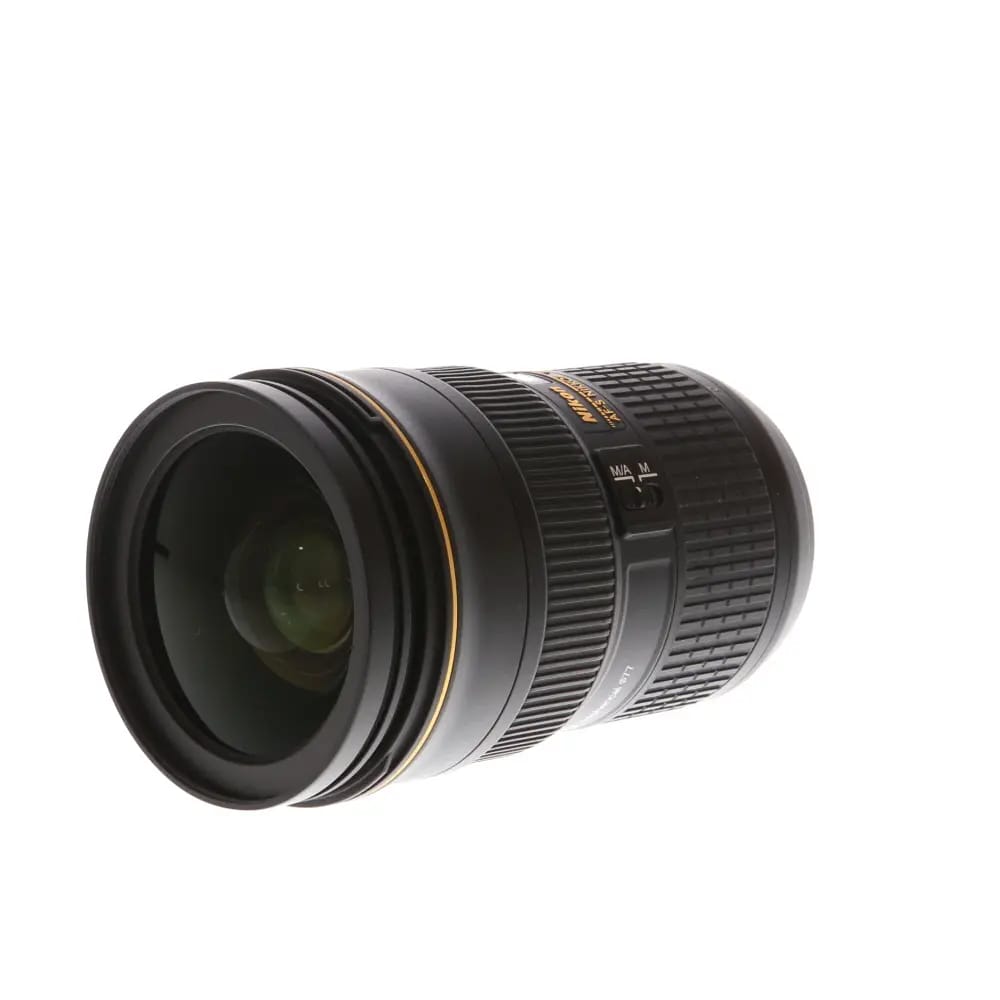
Nikon AF-S NIKKOR 50mm f/1.8 G
A classic portrait lens known for its sharpness and flattering rendering. The fast aperture excels in indoor and low-light environments while producing soft, natural-looking background blur. Reliable autofocus and a lightweight build make it an easy everyday lens for portraits, details, and lifestyle photography.
Even with a great lens, indoor shooting can be tricky when light is limited. That’s where your camera sensor comes in. Think of it as a light collector:
When light is scarce, cameras boost ISO to brighten images. Higher-quality sensors handle this digitally with minimal grain, which is why sensor size matters—but it’s still secondary to a good lens.
Both DSLR and mirrorless cameras can capture stunning indoor portraits. Still, mirrorless systems have an edge for beginners or casual shooters — especially when light conditions change, or you need quick feedback on exposure and focus.
Here’s how the major systems stack up with quality portrait photography gear from KEH:
These DSLR bodies have been portrait photography workhorses for years. They won’t show real-time exposure in the viewfinder like mirrorless cameras, but they still deliver beautiful, sharp results when paired with the right lens:
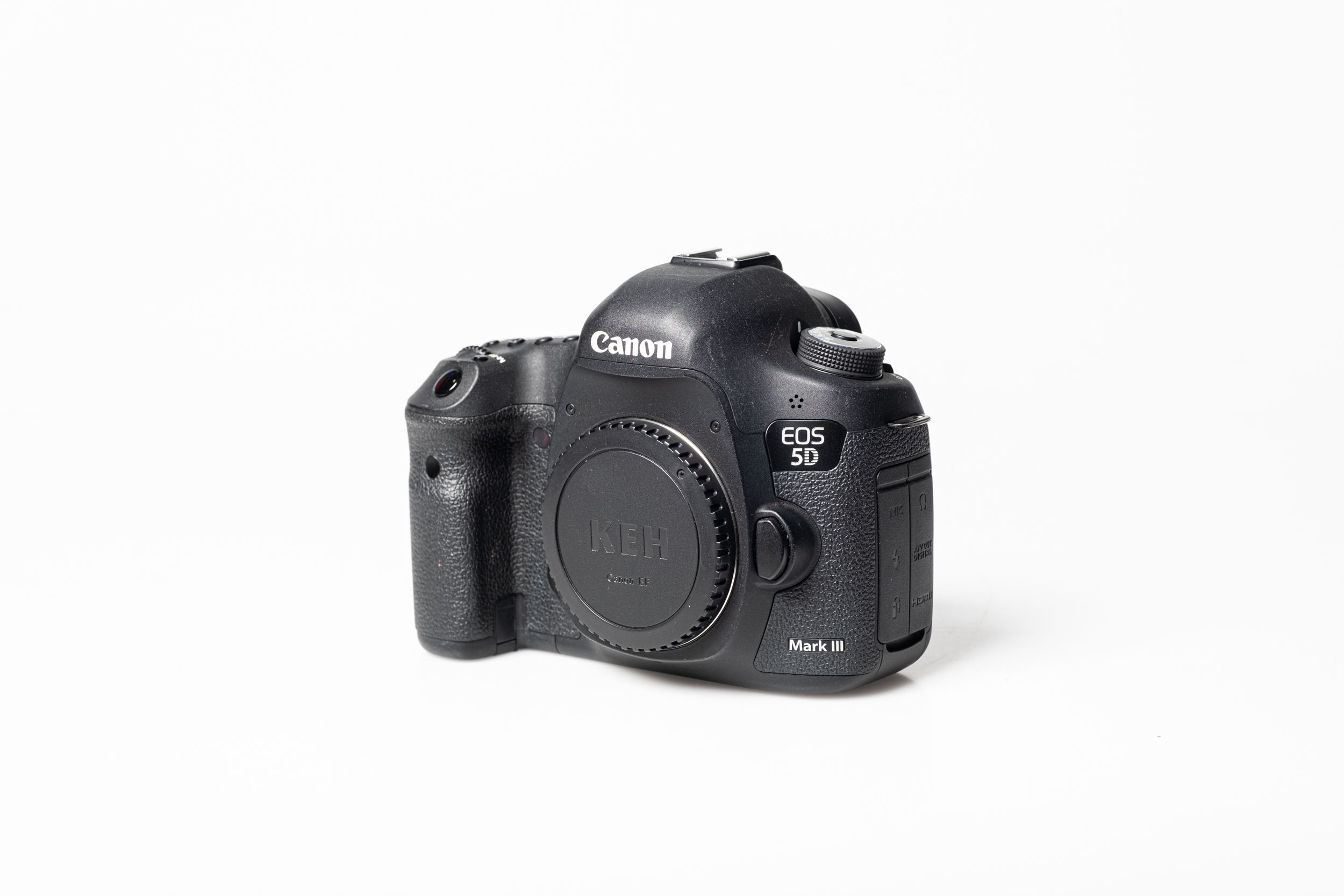
Canon 5D Mark III
A proven full-frame DSLR that still holds its own for indoor and low-light photography. The 5D Mark III delivers strong high-ISO performance, reliable autofocus, and rich color depth, making it a dependable choice for portraits, events, and controlled lighting setups where consistency matters.
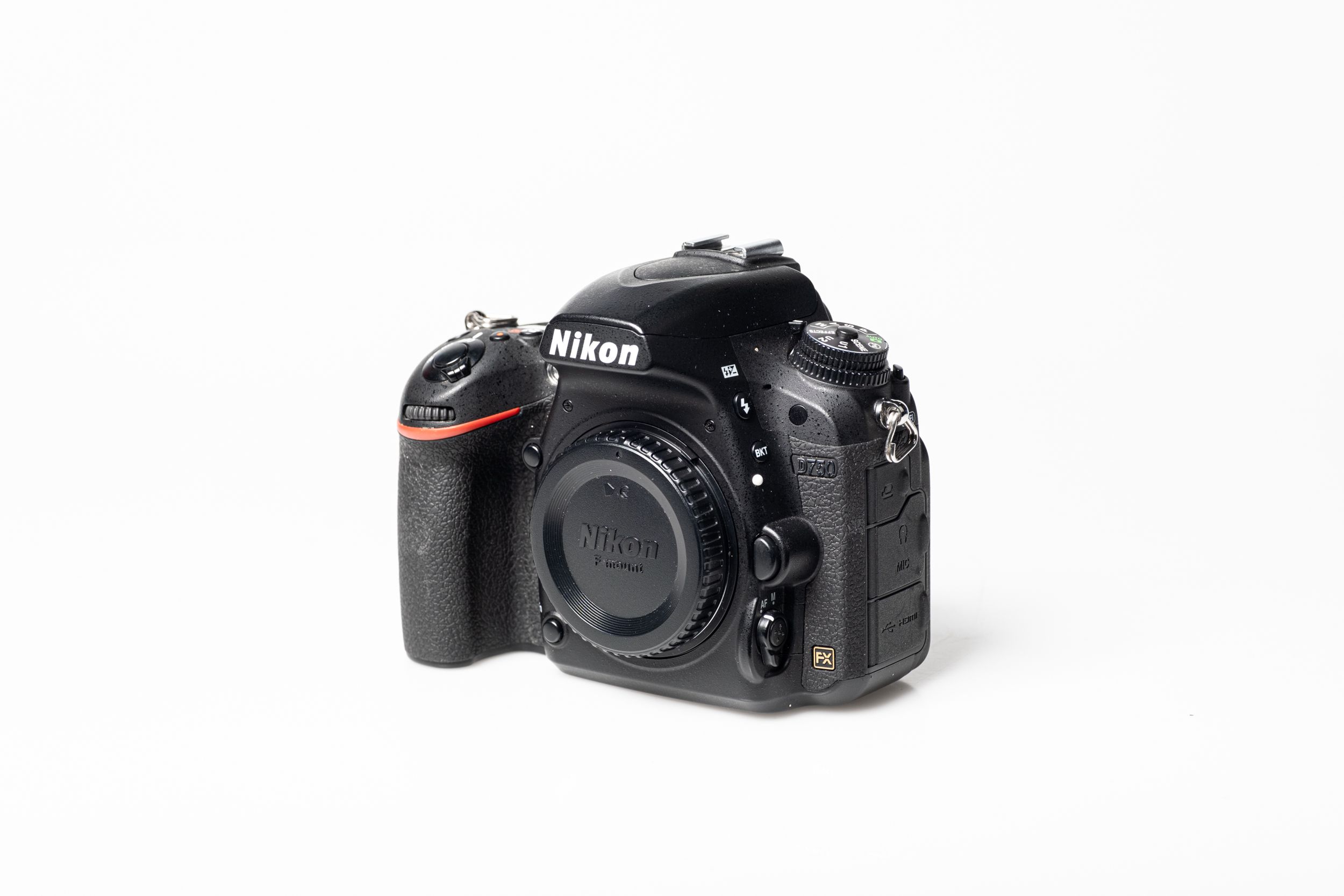
Nikon D750
Known for its impressive dynamic range and excellent high-ISO performance, the D750 excels in challenging indoor lighting. Its full-frame sensor preserves detail in both highlights and shadows, while fast, accurate autofocus helps you stay sharp when working in dim or mixed light environments.
DSLRs show an optical view through the lens, meaning you won’t see real-time exposure changes — but they’re rugged, dependable, and still preferred by many traditional photographers.
Mirrorless bodies show a live preview of your final image, so brightness, depth-of-field, and color adjustments appear instantly — a huge advantage in mixed or tricky indoor lighting. These KEH picks cover a range of needs and budgets:
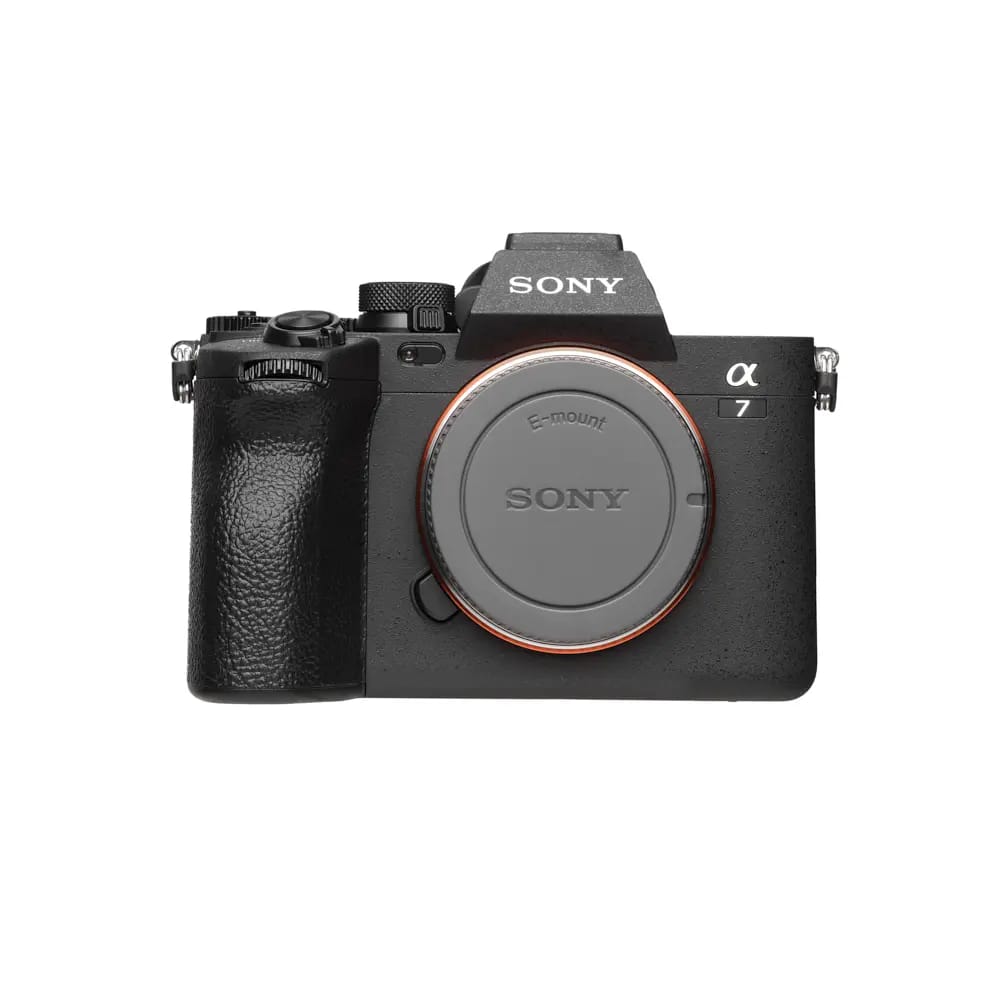
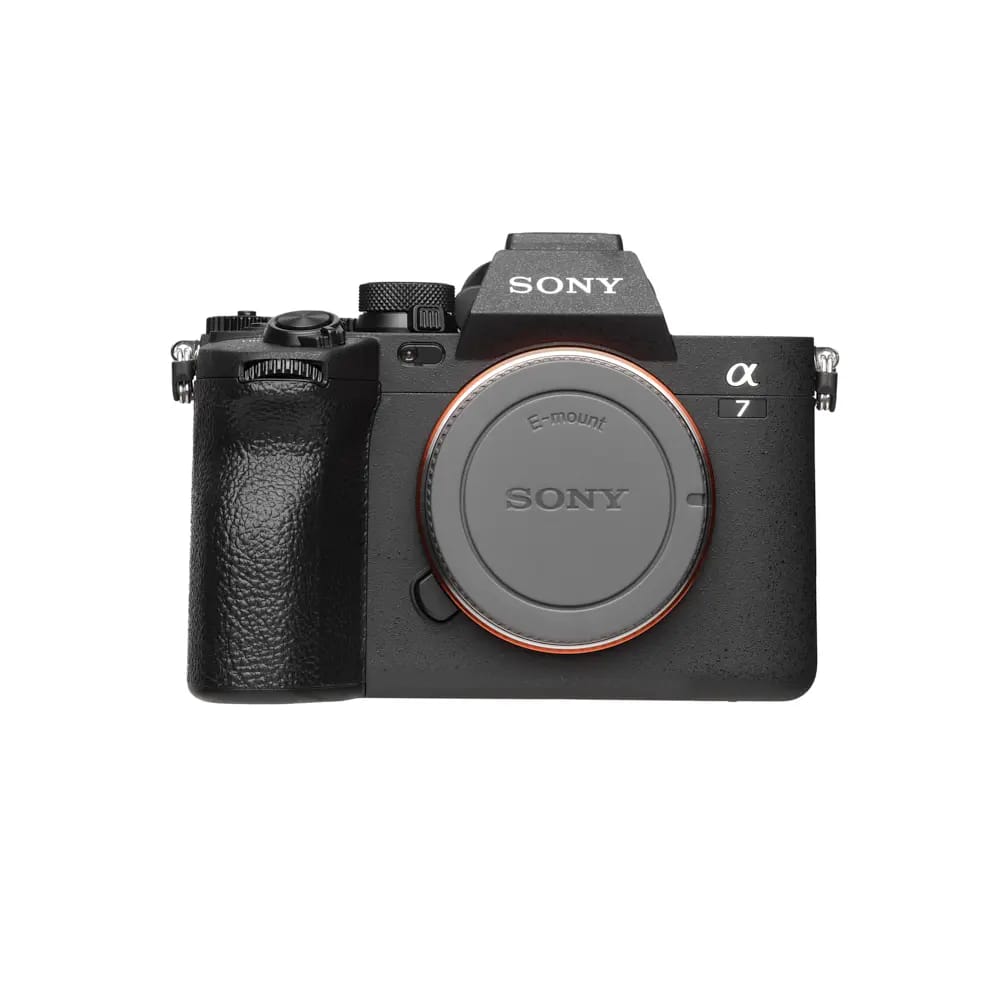
Sony a7 IV
A well-rounded full-frame mirrorless camera that excels across photo and video. The a7 IV’s fast, accurate Eye AF makes it especially strong for portraits and indoor shooting, while its excellent low-light performance and high-resolution sensor deliver consistent, detailed results in a wide range of lighting conditions.
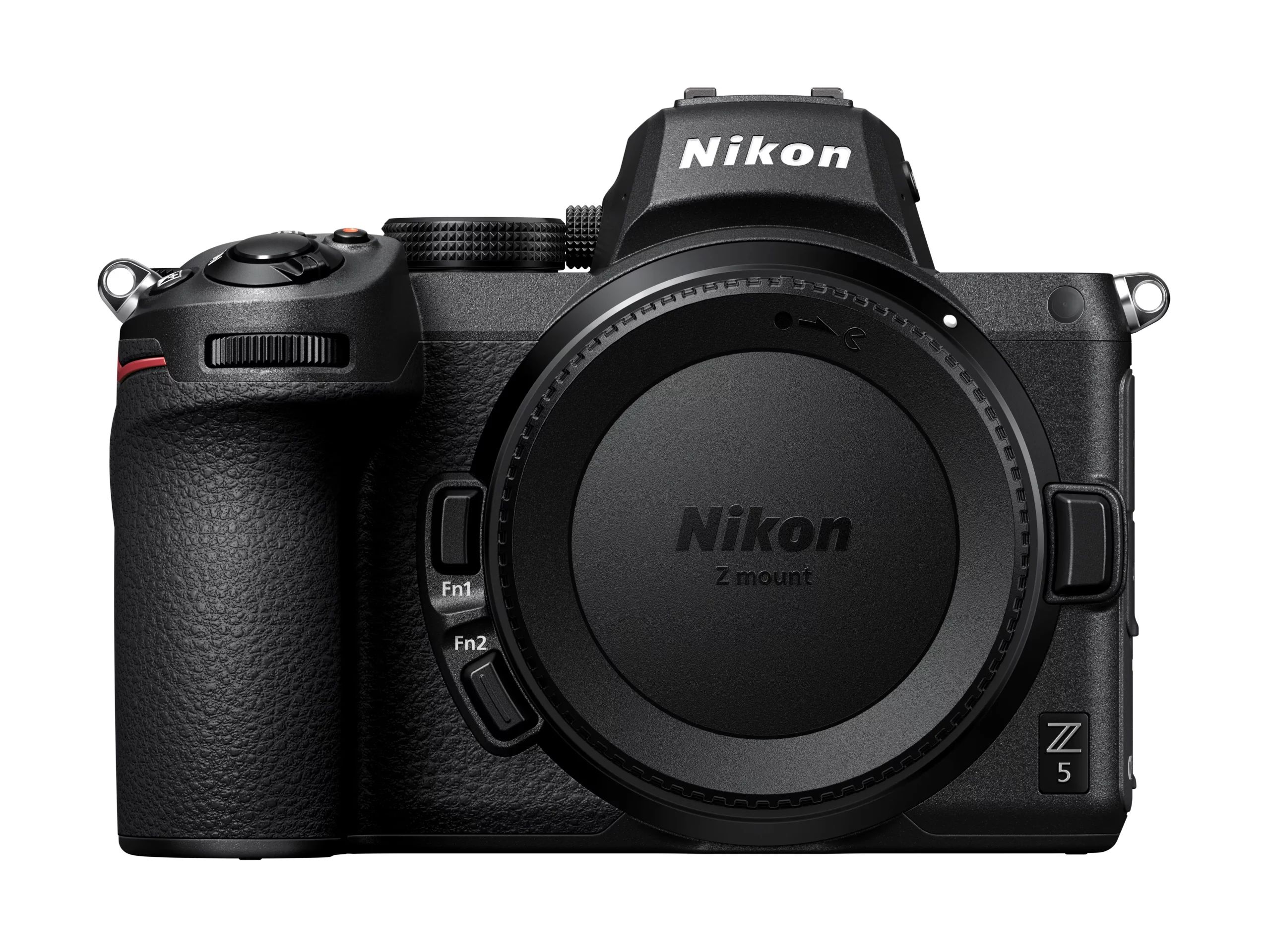
Nikon Z5
A beginner-friendly entry into Nikon’s full-frame mirrorless system without sacrificing image quality. The Z5 offers solid low-light performance, intuitive controls, and in-body image stabilization, making it a reliable option for indoor photography, portraits, and everyday shooting.
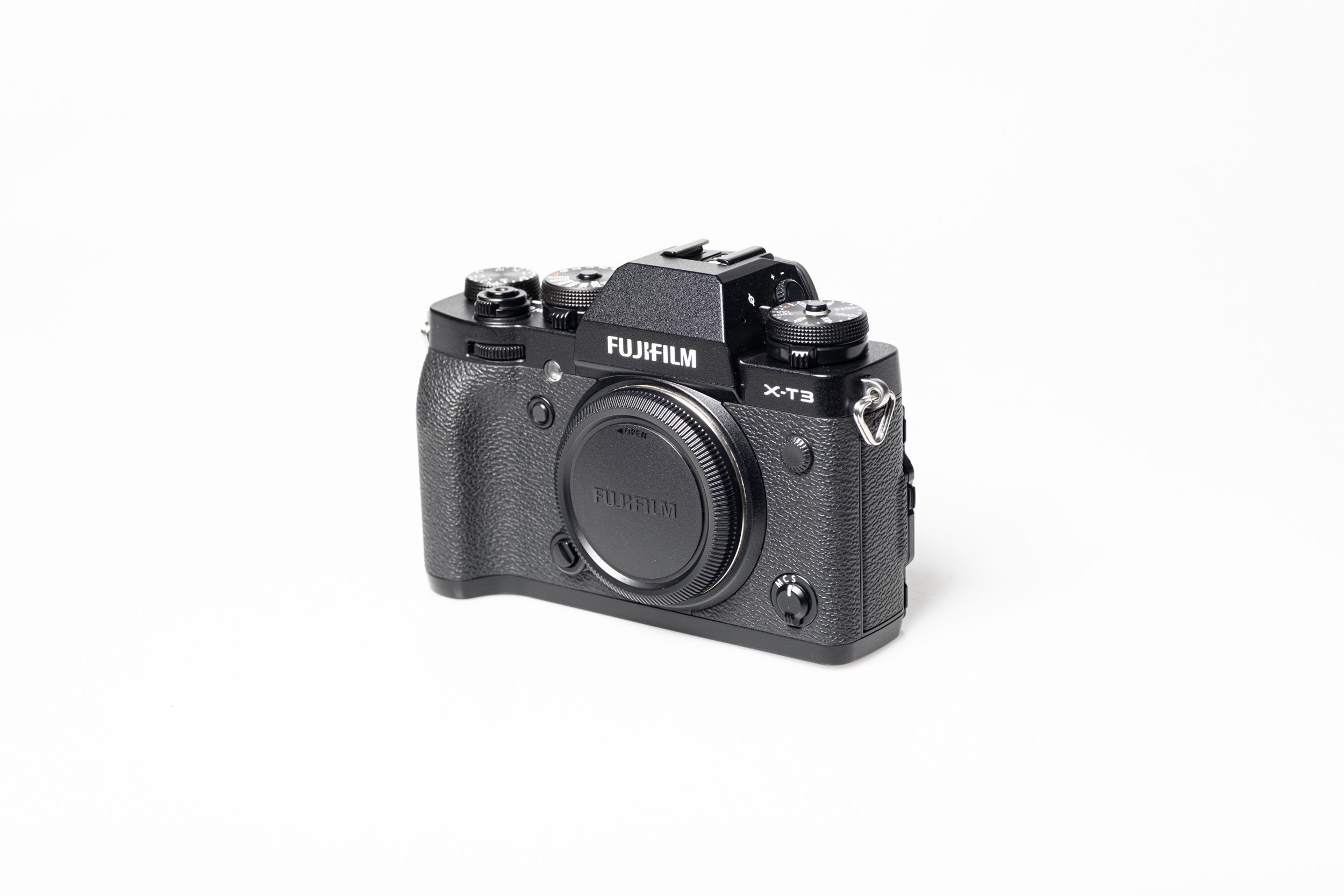
Fujifilm X-T3
An APS-C mirrorless standout known for its stunning color science and tactile, photographer-first design. The X-T3 delivers sharp images, fast autofocus, and excellent handling, making it a favorite for indoor photography, portraits, and creative shooters who value both performance and feel.
For indoor portrait photography, real‑time feedback is a game-changer, especially when you’re relying on natural light or juggling environmental lighting.
Both systems can produce excellent results — pairing any of these bodies with the right portrait lens (like a 50mm f/1.8) will dramatically elevate your indoor portraits.
Nothing ruins a portrait faster than soft eyes. Modern mirrorless cameras make life easier with Eye Autofocus (Eye AF).
Eye AF detects faces and locks focus on the subject’s eyes—even if they move. Perfect for kids, pets, or candid shots indoors, it instantly improves consistency. If you’re building your indoor portrait setup, reliable Eye AF is one of the most valuable camera features to consider.
The magic happens when the camera and lens work together. Here are setups that excel for indoor portraits:
All of these combinations are a noticeable upgrade from smartphones or basic point-and-shoots, giving you sharper, more professional-looking portraits.
Before investing in extra lights, look around your home. A window can be your best tool.
Place your subject near a window and angle them so light falls across their face from the side. Turn off overhead lights to avoid mixed colors. You’ll get soft shadows, natural skin tones, and a sense of depth—no extra gear required.
The right gear makes all the difference when it comes to indoor portraits—but it’s not about owning the newest camera or the most expensive lens. By pairing a fast prime lens with a mirrorless or DSLR body and using natural light, you set yourself up to capture sharper, more expressive, and professional-looking portraits every time.
With KEH Certified™ gear, you can access trusted, tested cameras and lenses that perform like new—without breaking the bank. These carefully inspected options make it easy to build a setup that works for your space, lighting conditions, and photography style.
Start with the essentials: a capable body, a high-quality lens, and a window for soft light. Once your gear works with you, indoor portrait photography stops being frustrating and starts being fun. Every shot becomes an opportunity to capture connection, expression, and personality—turning everyday spaces into professional-looking portraits.