You
have no items in your shopping cart.
DJI Osmo Pocket 3 Review: The Ultimate Solo Upgrade
July 19, 2026
1 min read

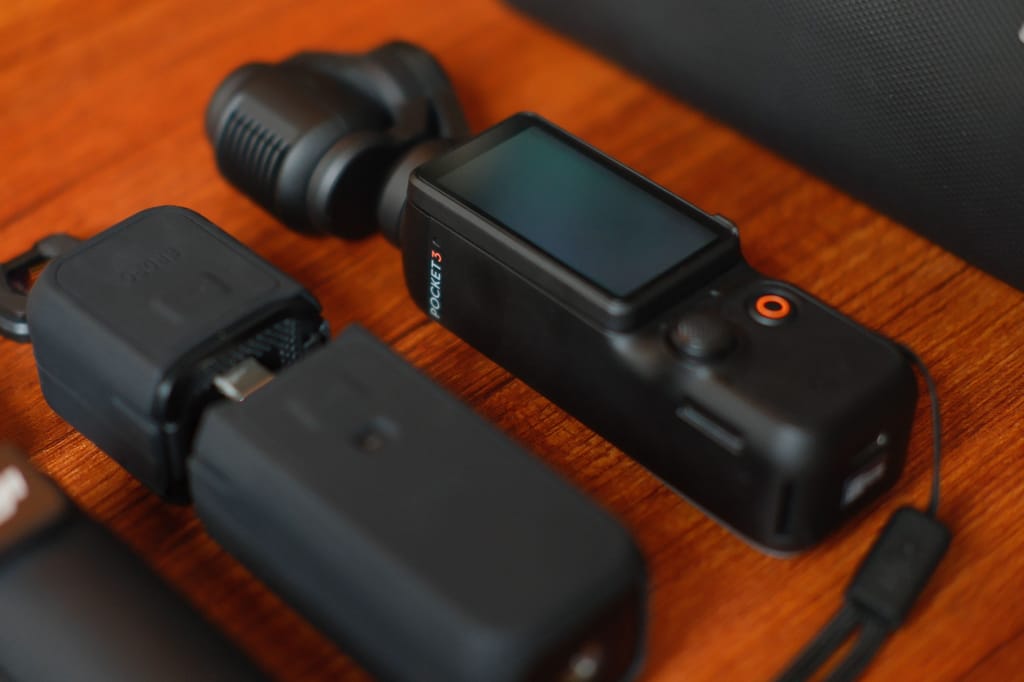
Let’s be real about the current state of content creation: modern smartphones like the iPhone 16 Pro Max have changed the game for portability and content creation. They’ve democratized video, making it super easy for anyone to launch a YouTube channel, start a TikTok, or document their travels. But if you’re shooting daily vlogs, fast-paced vertical content, or cinematic travel diaries, you’ve probably hit a wall with what your phone can actually do.
Smartphones rely a lot on computational tricks. Software can only fake depth of field so much, and digital stabilization often leaves weird, warpy artifacts as soon as the sun goes down. For creators looking to step up their game without lugging around a heavy, expensive mirrorless camera rig, there’s been a huge gap in the market.
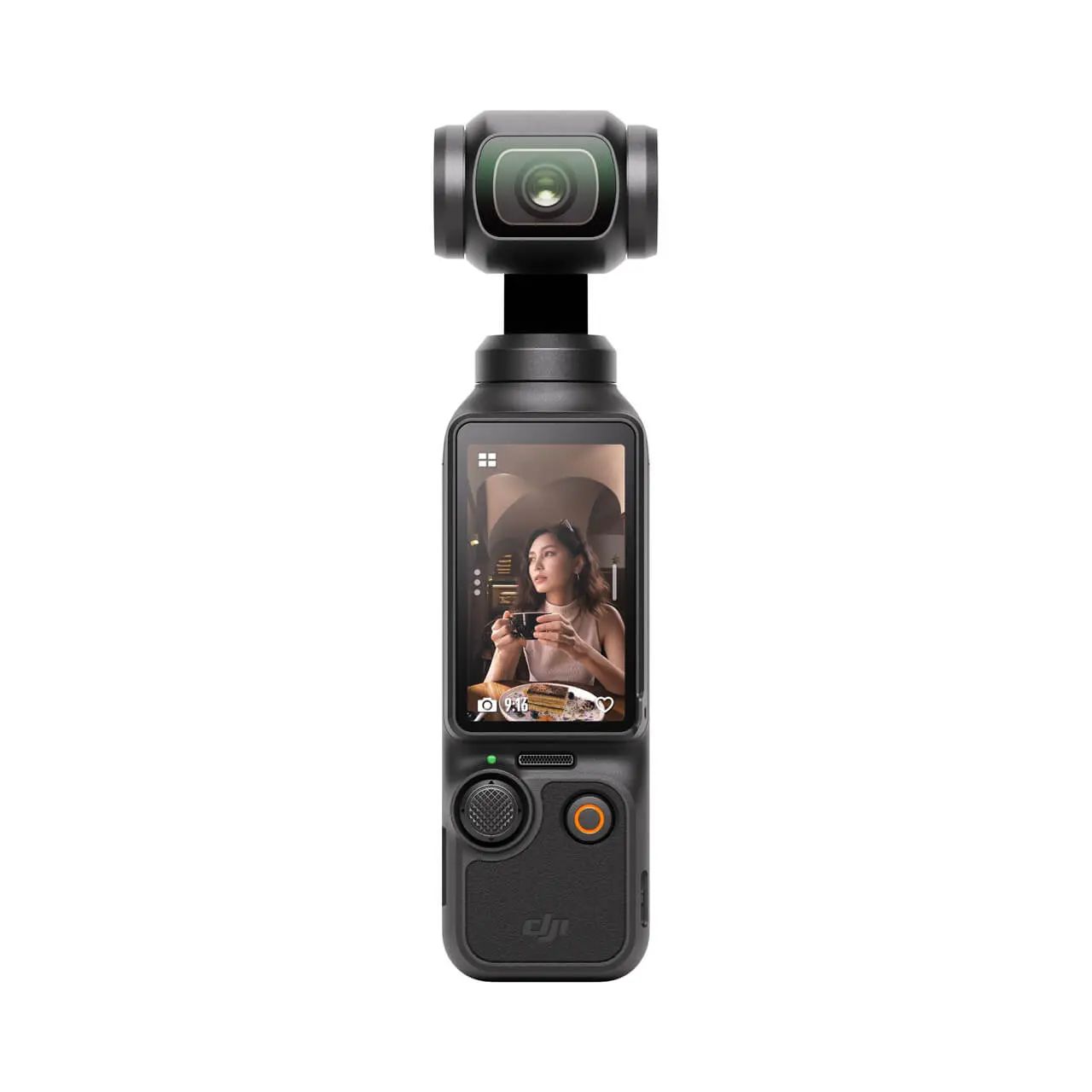
DJI Osmo Pocket 3: A 1-inch gimbal camera built for serious vloggers
The Osmo Pocket 3 steps right into that gap, packing a massive 1-inch type sensor and a true 3-axis mechanical gimbal into a device that easily slides into your jacket pocket. That sensor size is a big deal—it’s the magic ingredient that separates this camera from phone-tier video, giving you genuinely beautiful footage in low light without needing a separate lighting rig. Phase-detect autofocus keeps you perfectly in focus even when you’re moving fast, and shooting 4K at 120fps unlocks buttery slow-motion options that most compact cameras just can’t match. Plus, the 10-bit color output gives you real flexibility for color grading in post, not just a fancy spec on the box. (Just a quick note for clarity: we see a lot of folks searching for “DJ Osmo Pocket 3,” but the official name is the DJI Osmo Pocket 3).
If you’ve ever wrestled with balancing your phone on a heavy gimbal while fighting with a tangled clip-on mic, the Pocket 3 is a breath of fresh air. It consolidates that entire messy setup into one sleek device that’s ready to roll in seconds.
The biggest hurdle for any smartphone is just basic physics. Phones are thin, which means their sensors have to be tiny. To make up for it, phones use aggressive software sharpening to brighten things up and fake that blurry background look. Sometimes it works, but often it looks over-processed, and that fake background blur almost always struggles around hair or glasses.
The DJI Osmo Pocket 3 solves this by using a much larger 1-inch CMOS sensor. In the camera world, a bigger sensor is simply better. When you’re walking down a dimly lit street at dusk, hanging out in a moody cafe, or vlogging in a low-light room, the Pocket 3 captures clean, crisp footage. Flagship phones usually struggle here, dropping their shutter speeds and leaving you with muddy, noisy video.
Plus, that larger sensor gives you true, optical depth of field. Hold the Pocket 3 at arm’s length, and your face will be tack-sharp while the background naturally melts into a soft blur. You don’t have to rely on a software “cinematic mode” to fake it. It instantly makes your content look like it was shot on a high-end filmmaking camera.
Most phones and action cameras use Electronic Image Stabilization (EIS). While EIS does a great job in bright sunlight, it falls apart in low light. Every time you take a step, the software struggles to correct the motion blur, giving your footage a distracting, jittery look.
The Osmo Pocket 3 skips the digital tricks and uses a real 3-axis mechanical gimbal. Tiny, ultra-precise motors physically stabilize the camera lens, correcting your hand movements across the pan, tilt, and roll axes in real-time. Because it’s stabilizing physically instead of digitally, you never lose image quality to software cropping, and you can say goodbye to those low-light jitters.
If you’re a one-person crew, you know that just staying in the frame is half the battle. DJI’s ActiveTrack 6.0 completely takes that stress away. The subject tracking is so dialed in now that it effortlessly handles walking, turning, and changing lighting conditions without you having to constantly mess with it.
Just double-tap your face on the OLED screen, and the camera locks on. You can set the Pocket 3 down on a mini tripod, move around your space, and the gimbal will smoothly follow you to keep you perfectly centered. It’s basically like having a tiny, robotic camera operator in the room with you.
That 2-inch rotating touchscreen solves a massive headache for solo shooters: you can finally see exactly how you’re framed. But it’s also a game-changer for social media.
We all know the algorithms love native vertical video. In the past, getting high-quality vertical shots meant awkwardly mounting a heavy camera sideways. With the Pocket 3, just flick the screen vertically, and the camera instantly snaps into native 9:16 vertical mode. The gimbal adjusts automatically, letting you hold the handle naturally while capturing full-resolution clips for TikTok, Reels, and Shorts.
Want more gear for content creators? This blog is for you.
A great video is ruined if the audio is bad. Thankfully, the integrated wireless mic connection on the Pocket 3 keeps your audio workflow super clean without a rat’s nest of cables.
The onboard three-mic array sounds great for casual clips, but if you’re serious about your sound, you’ll want the DJI Mic 2 (which comes with the Creator Combo). This broadcast-quality wireless mic connects straight to the Pocket 3’s built-in receiver. No dongles, no extra wires. Just clip the transparent mic to your shirt, turn it on, and it pairs instantly, capturing studio-quality voice audio from up to fifty feet away.
We get this question a lot here at KEH: Should I buy the DJI Osmo Pocket 3 or a traditional action camera like the Osmo Action 5 Pro?
If you’re jumping dirt bikes, surfing, or need something completely waterproof and rugged, grab the Action 5 Pro. But if you’re a travel vlogger exploring cities, shooting street-style interviews, or creating talking-head content, the Pocket 3 is hands-down the winner. It delivers a much more cinematic look, gorgeous natural background blur, and vastly superior low-light performance that a rugged action cam just can’t touch.

The DJI Osmo Pocket 3 really bridges the gap between the ease of a smartphone and the beautiful quality of a mirrorless camera. If you’re ready to upgrade your content, don’t let your old gear just sit in a drawer gathering dust.
The smartest way to fund your Pocket 3 is to use the gear you already have. You can easily trade in your old mirrorless bodies, lenses, older DJI Pocket models, or action cameras directly to KEH. We’ve made the trade-in process incredibly simple and secure, turning your unused equipment into cash or credit. You can put that value right toward KEH Certified™ pre-owned gear—like the Osmo Pocket 3—getting you the best creator tool on the market at an unbeatable value, totally backed by our rigorous inspection process and warranty.
What sensor does the Osmo Pocket 3 use?
It uses a 1-inch type sensor with phase-detect autofocus. That size is the secret to getting the kind of image quality and low-light performance you just can’t squeeze out of a smartphone or a smaller 1/2-inch action cam sensor.
Can I shoot slow-motion video with this?
Absolutely. Shooting 4K at 120fps is one of the best features, giving you five times the slow-motion capability of standard 24fps video. That feature alone puts it in a different league than most compact vlogging cameras.
Does the Osmo Pocket 3 record in 10-bit color?
Yes, it does. 10-bit output gives you incredibly rich color depth, meaning you can really push and pull your colors in the editing room without getting those ugly banding or posterization issues that you see in 8-bit footage.
How do I use this for talking-to-camera vlogging?
Just flip the 2-inch touchscreen so you can see yourself. The camera’s integrated subject tracking and 3-axis gimbal will take over from there, handling your walking and turning so you don’t have to constantly adjust the camera.
Can I use a wireless microphone with this?
Yes! The Pocket 3 has built-in wireless mic connectivity. It completely eliminates the need for messy wired adapters and keeps your whole audio setup clean and simple.
What makes the gimbal stabilization useful for vlogging?
The 3-axis mechanical gimbal physically keeps your shot level and smooth, even if you’re walking or moving quickly. Pair that with the subject tracking to keep your face centered, and it takes all the guesswork out of shooting solo.