You
have no items in your shopping cart.
Sony ZV-E10 vs. ZV-1: A Comparison Guide for Creators
July 24, 2026
1 min read

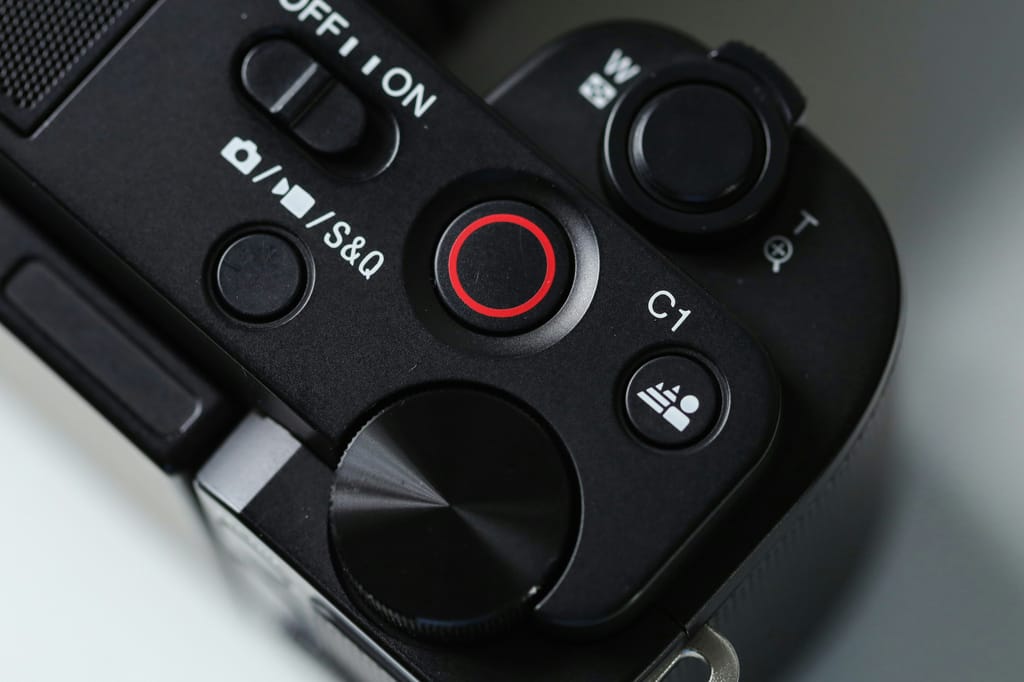
You’ve got ideas, a half-finished content calendar, and exactly zero interest in a camera setup that makes filming feel like homework. The pressure to upload consistently is real, and wrestling with overly complicated gear is the fastest way to kill your creative momentum. If you’re shopping for a low-friction vlog camera in 2026, this Sony ZV-E10 vs. ZV-1 comparison guide for creators (2026) breaks it down in plain English—so you can choose a setup that fits your actual daily life and elevates your uploads. Whether your priority is fast content creation to generate content regularly or building a simple workflow that supports content marketing, the trade-offs below are what matter most.
Bonus: both of these cameras are incredibly smart as a pre-owned camera buy from KEH.com. When you shop KEH Certified, your gear is strictly inspected, graded, and ready to create the moment you open the box—so you’re not rolling the dice on questionable used markets.
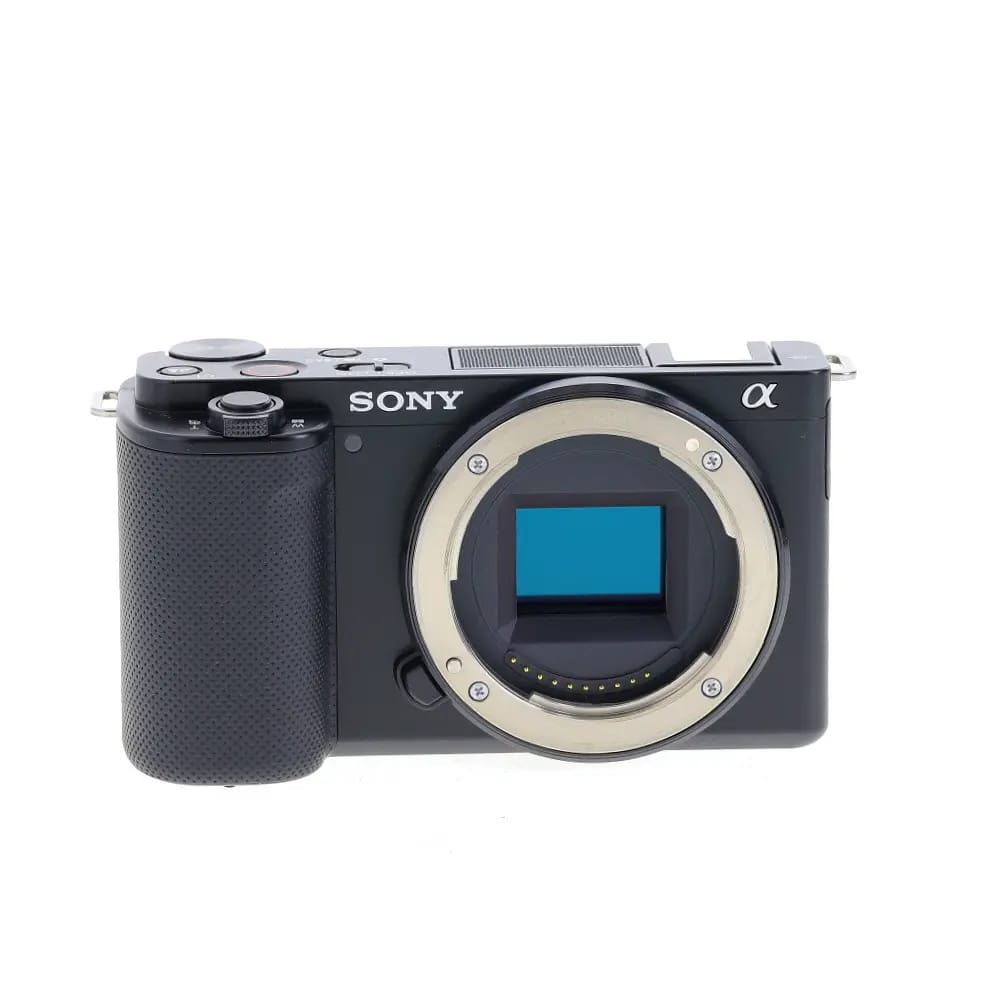
Sony ZV-E10 : Think of this as the ultimate modular creator camera. It features a larger APS-C sensor and an interchangeable-lens mount built for people who like to tweak their look over time. Because it pairs with an endless lineup of Sony E-mount Lenses, your options are wide open. You can throw on an ultra-wide lens for walking vlogs, a tight portrait lens for sit-down interviews, or a macro lens for hyper-sharp product beauty shots—all without ever needing to replace the camera body itself.
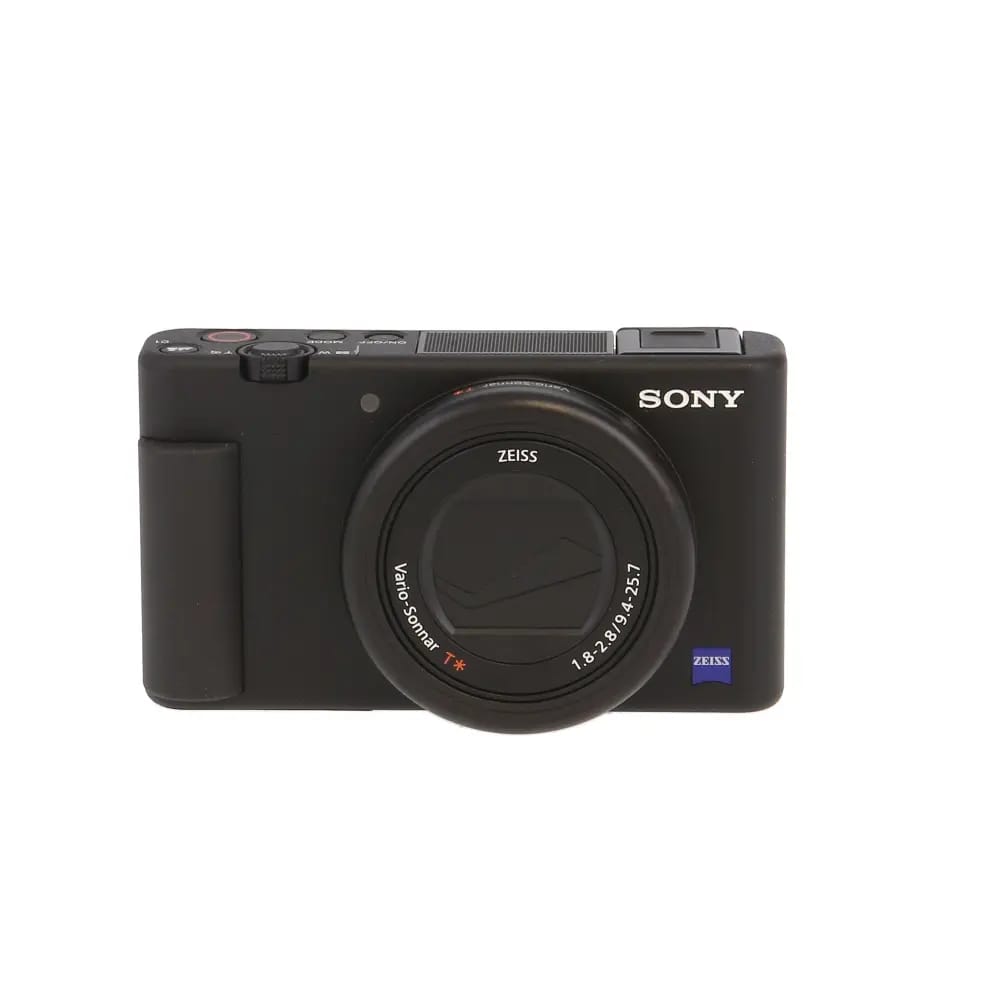
Sony ZV-1 : This is the ultimate low-friction compact creator camera. It features a sharp, built-in 24-70mm equivalent zoom lens, meaning you never have to worry about buying lenses, cleaning sensor dust, or deciding what gear to pack. It’s tailor-made for creators who want fewer decisions, fewer accessories, and more “just hit record and go” energy.
2026 note: You’ll also see the newer Sony ZV-E10 II out in the wild. While it’s a great camera, the release of the Mark II means the original ZV-E10 has hit an incredible pricing sweet spot. If the price gap is big, the original ZV-E10 is an awesome pre-owned value that still delivers all that interchangeable-lens flexibility.
If your content is mostly long-form—like in-depth tutorials, tech reviews, or sit-down talking-head videos—the ZV-E10 usually feels like the better “repeatable setup” camera. The bigger APS-C sensor pulls in more light, giving you breathing room in dim rooms. More importantly, it makes it incredibly easy to get that creamy subject separation (the blurry background) that viewers instantly associate with high-quality, pro-level YouTube footage.
If your content is mostly “life happens, I film it”—travel days, behind-the-scenes studio tours, or quick social clips for TikTok—the ZV-1 keeps things simple and consistent. It isn’t intimidating to pull out in a crowded coffee shop. It’s the camera you’re far more likely to actually bring with you, and the camera you have on you is the one that gets the footage.
If you do go with the ZV-E10, a simple, compact starter lens like the Sony E PZ 16-50mm Lens is a practical, versatile place to begin. Later, when you want to heavily blur your background for talking-heads, adding a fast prime like the Sony 50mm E-mount Lens is a classic, instant upgrade to your production value.
Solo creators learn this lesson the hard way: solid audio makes your content feel “pro,” while shaky, jittery footage makes even the best ideas feel unfinished and hard to watch.
If you’re playing the YouTube thumbnail game (and if you want views, you absolutely are), the ZV-E10 gives you significantly more room to dial in a consistent, high-end “creator look” through its interchangeable lenses. A popular everyday prime for creators pulling double-duty is the Sony 35mm E-mount Lens. It’s wide enough to show off your setup, flattering enough for portraits, and performs beautifully indoors.
That said, the ZV-1 is still a powerhouse for quick stills and web-ready images. If you need vibrant, sharp photos for your Instagram feed or blog and want one camera that does it all without bogging you down with extra gear decisions, it more than holds its own.
In 2026, buying pre-owned isn’t just a budget hack; it’s the smartest way to level up your entire studio. By saving money on the camera body, you free up cash to spend on the things that actually elevate your video quality: better lighting, a great microphone, or an extra lens. Shopping KEH Certified™ means your pre-owned gear is rigorously inspected, tested, and graded by camera experts. It shows up at your door ready to create, completely eliminating the anxiety of buying a mystery box from a stranger on the internet—while also leaving room in your budget for tools that support content marketing.
Absolutely—especially if you want a compact vlog camera you’ll actually use. While newer cameras exist, the ZV-1’s formula of “great autofocus + pocketable size” hasn’t aged a bit. It’s still a fantastic “keep it simple and post more” option, and 2026 pre-owned pricing makes it an unbeatable value for new creators.
Often, yes. If your primary goal is long-form consistency (like sit-down talking-head videos, tech tutorials, or product reviews), the ZV-E10 is superior. Its interchangeable-lens flexibility and larger sensor make it much easier to build a repeatable, highly professional look that competes with massive channels.
The ZV-1 offers the easiest “no extra decisions” start. You turn it on, point, and shoot. However, the ZV-E10 is still remarkably beginner-friendly thanks to Sony’s auto-settings—especially if you are the kind of beginner who already knows you’ll want to experiment with different lenses and lighting setups in the near future.
Start with the 16–50mm zoom. It’s cheap, compact, and gives you the flexibility to shoot wide vlogs or zoom in for tighter shots. Once you master that, add a prime lens (like a 35mm or 50mm) based on how you prefer to shoot to get that massive leap in low-light performance and background blur.
Because consistency and peace of mind matter. When you buy from a random seller online, you are guessing about sensor scratches, sticky dials, or failing autofocus motors. KEH Certified means professional inspection, accurate grading, and a warranty—so you’re not chasing messages or hoping a return policy works out.
If you want a creator setup that has the headroom to evolve right alongside your channel, the interchangeable-lens flexibility of the ZV-E10 is the move. If you want the smallest, easiest, lowest-friction camera that keeps you filming everywhere life takes you, the ZV-1 is incredibly hard to beat. Either way, buying pre-owned through KEH Certified™ standards is the smartest way to get top-tier gear for your budget—without the stress. And no matter which you pick, the right workflow will help you generate content consistently for your content creation goals.