You
have no items in your shopping cart.
In Conversation with Beatriz Valim
March 27, 2026
1 min read

Looking back at your earlier work, how different does it feel from what you’re making now? And how would you describe your current visual aesthetic to someone who’s never seen your images?
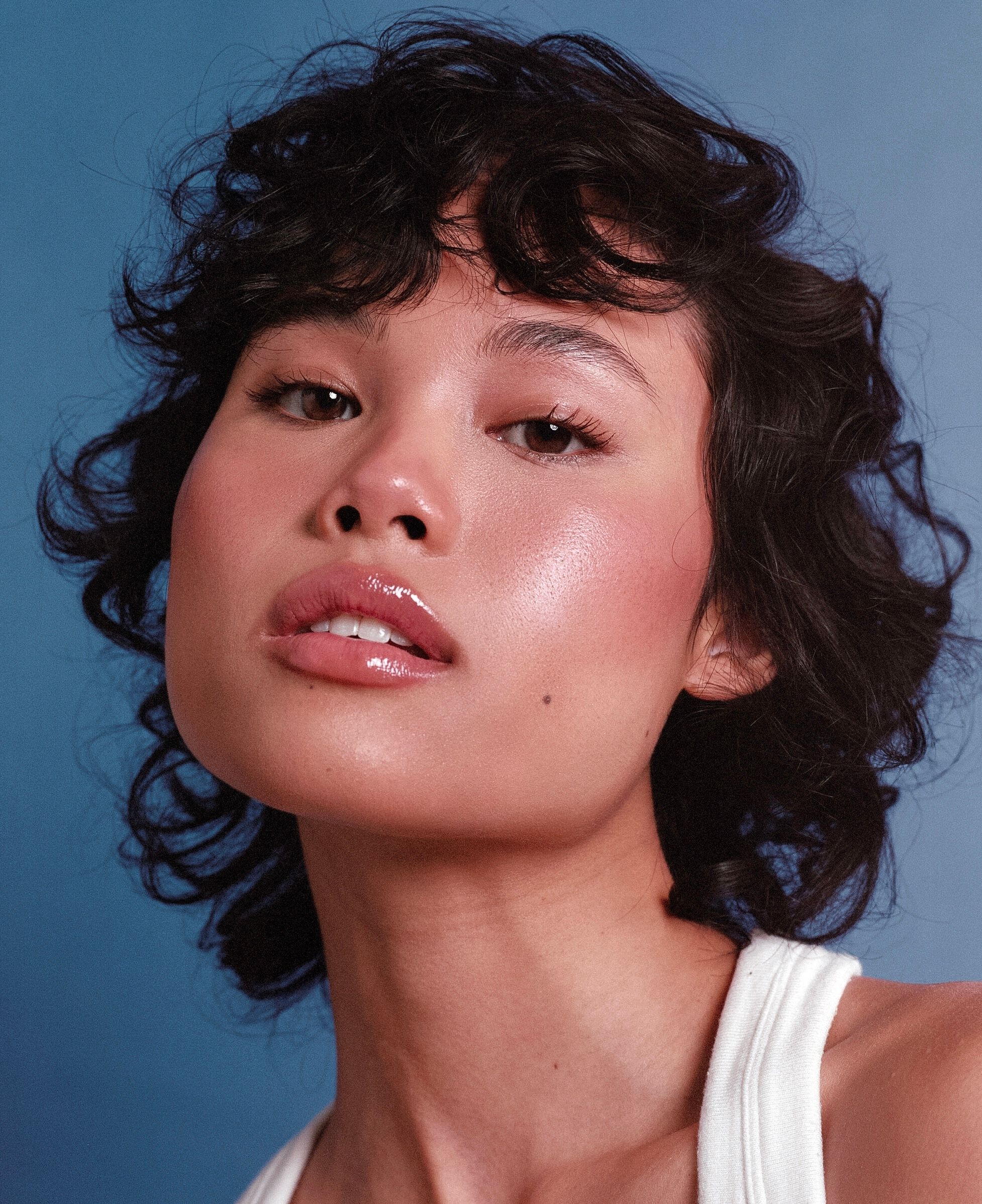
Looking back, my earlier work feels a lot more experimental. I was figuring out what I liked, what drew me in, and how to actually tell a story through a frame. Every shot was a little bit of trial and error, exploring light and composition.
Now I’d say my work feels more intentional. I’d describe it as fun, loud, and colorful. For years, I was obsessed with finding my “style” and discovering my voice in the photography world. After experimenting so much over the years, I’ve finally found it. And the answer always comes back to my Brazilian roots. The playfulness, the vibrancy, and the energy of my culture naturally seep into how I capture people.
When you’re not on a commissioned shoot, who are you drawn to putting in front of your camera?
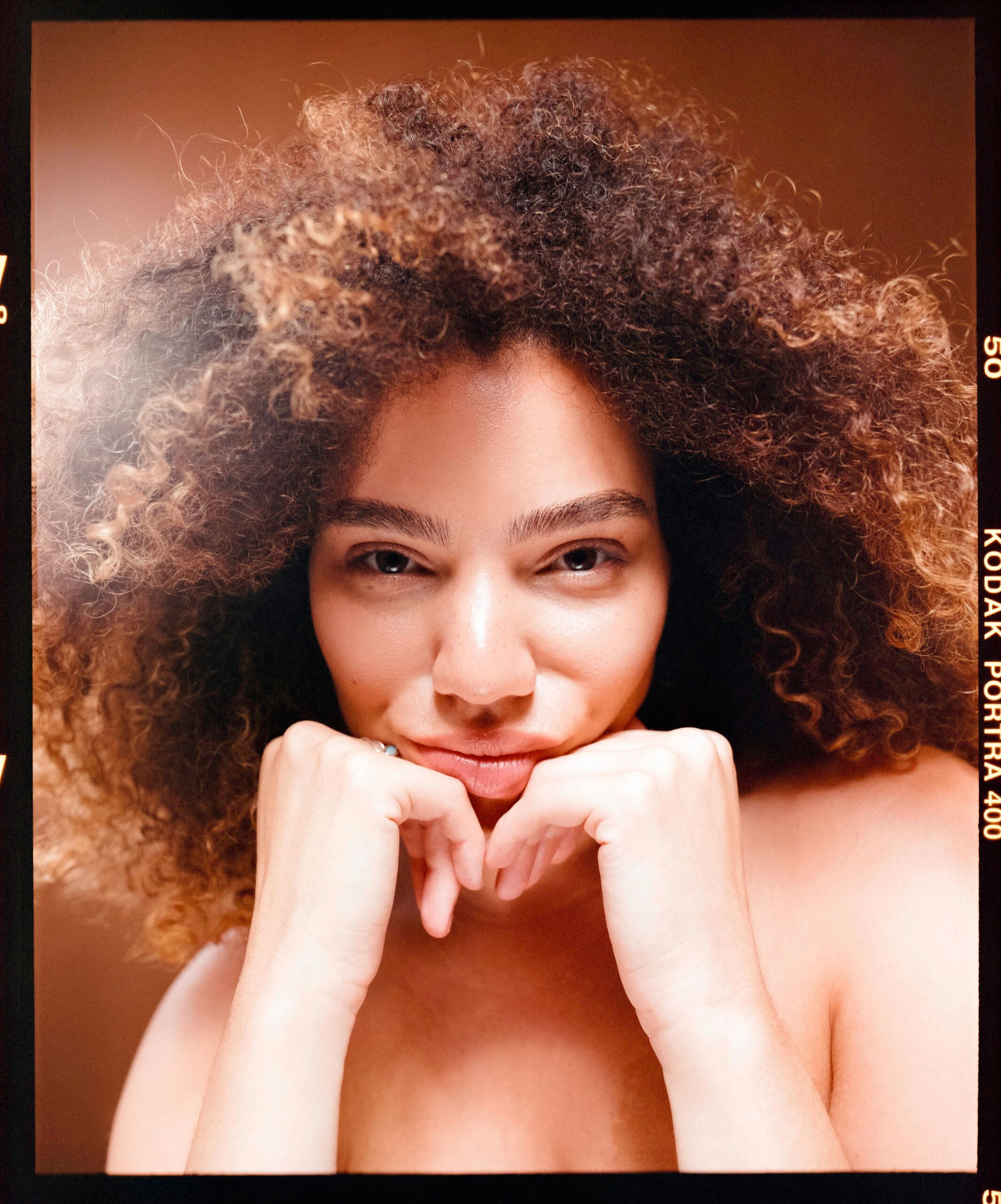
I’m drawn to people who feel real and unapologetically themselves. People with insane style who just want photos taken, or personalities so vibrant you can see them through a still frame. That’s also why I love shooting on film. Film feels raw and vintage, with a texture that really lets personality come through. I’m inspired by late ’90s and early 2000s magazine photography. I really love Annie Leibovitz’s portraits, where you can actually see the person in frame, instead of an over-polished, photoshopped ad. Film just does that the best.
As a woman behind the lens, do you think the women you photograph show up differently than they might for someone else?
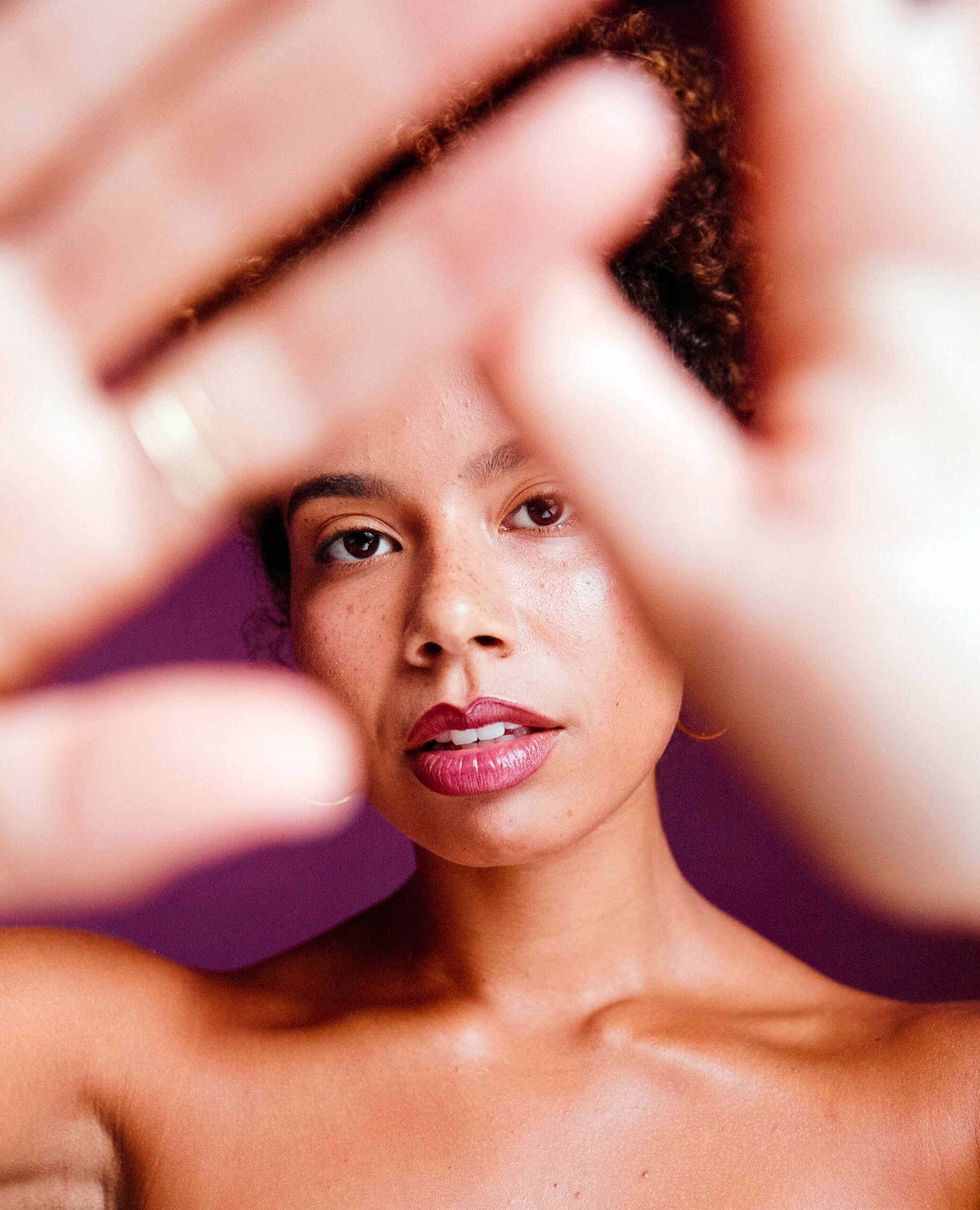
Absolutely. I think when women know they’re being photographed by another woman, there’s often a different kind of trust and ease that shows up. With everyone I photograph, I feel like we’re best friends by the end of the shoot. Getting your photo taken is vulnerable, no matter how many times you’ve been in front of a camera. I try to create a space where they feel seen, understood, and free to be themselves. It’s never about perfection. It’s about capturing who they truly are in that moment. And honestly, the photos end up looking so cool because of it.
You shoot in both color and black-and-white. What sends a shoot in one direction versus the other? Is it the subject, the light, or a gut feeling?
It’s usually a mix of all three — the subject, the light, and a gut feeling. Sometimes someone’s energy or personality just calls for color, while other times the light or the mood of the moment pushes me toward black-and-white film. I love how black and white can strip things down. It pulls the emotion out of a frame better than anything else. No distractions, just feeling. Often it’s just instinct.
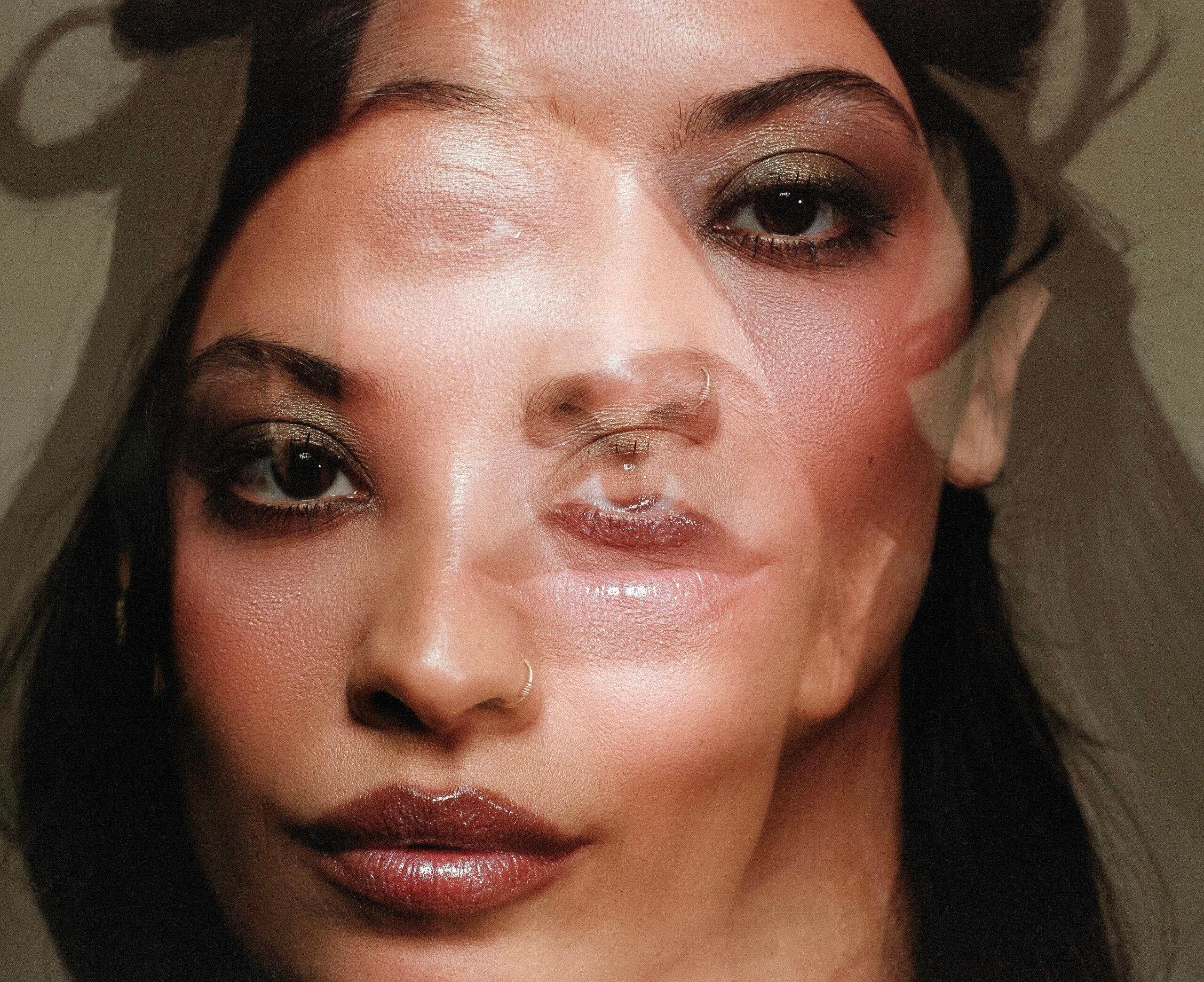
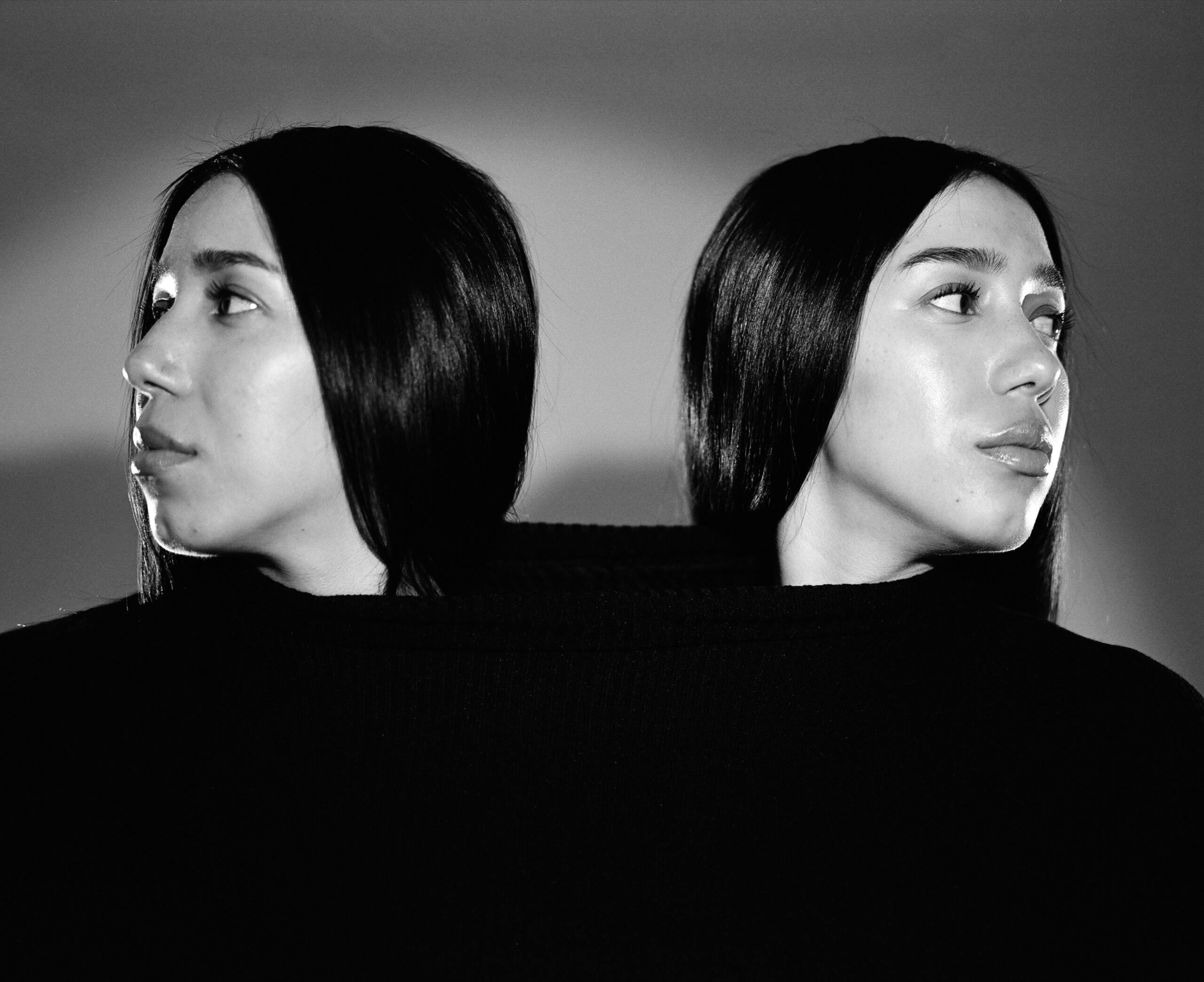
Different film stocks have their own personality. Which do you gravitate toward when you want rich, vibrant color, and is there a specific stock you trust for black and white work?
Different film stocks definitely have their own personality, and that’s one of the things I truly love most about shooting on film. For rich, vibrant color, I gravitate toward Portra 400 when I’m shooting in a studio with strobes or outdoors in nice sunlight, and Portra 800 for low-light situations or continuous lights. Those two are absolute perfection for color work.
When I’m shooting black-and-white, Ilford HP5 Plus 400 is my go-to. I love the contrast and punch you get out of it. It looks dynamic and expressive, which is exactly what I want when I choose to shoot in black and white.
How much of a portrait session is planned before you even pick up the camera, and how much do you leave open?
Lately, I’ve been leaning into spontaneity more. I still plan the vibe, but I leave a lot of room for the unexpected. I used to spend a lot of time planning lighting, but now I often set up and just wing it—on test shoots, of course. I could never show up to a client shoot not knowing what I’ll be doing for lighting. I have too much anxiety for that!
For test shoots, I think it’s important to experiment and learn from mistakes. When I head to a client shoot, I can remember, “Wait, this worked really well on that test shoot”. Or the complete opposite: “That looked awful once, let’s not do that.” Leaving room to experiment is crucial. That’s when you grow the most as a photographer.
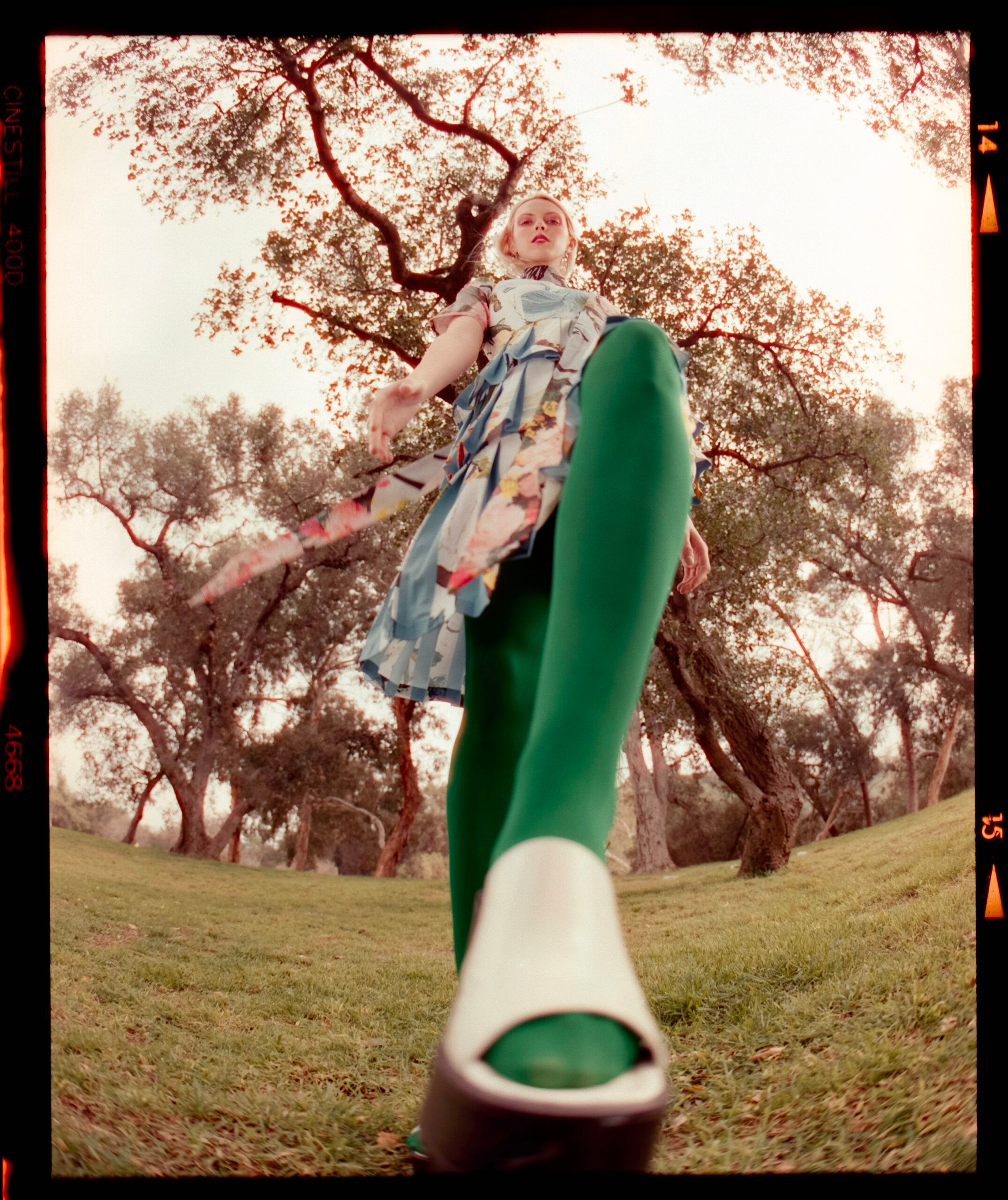
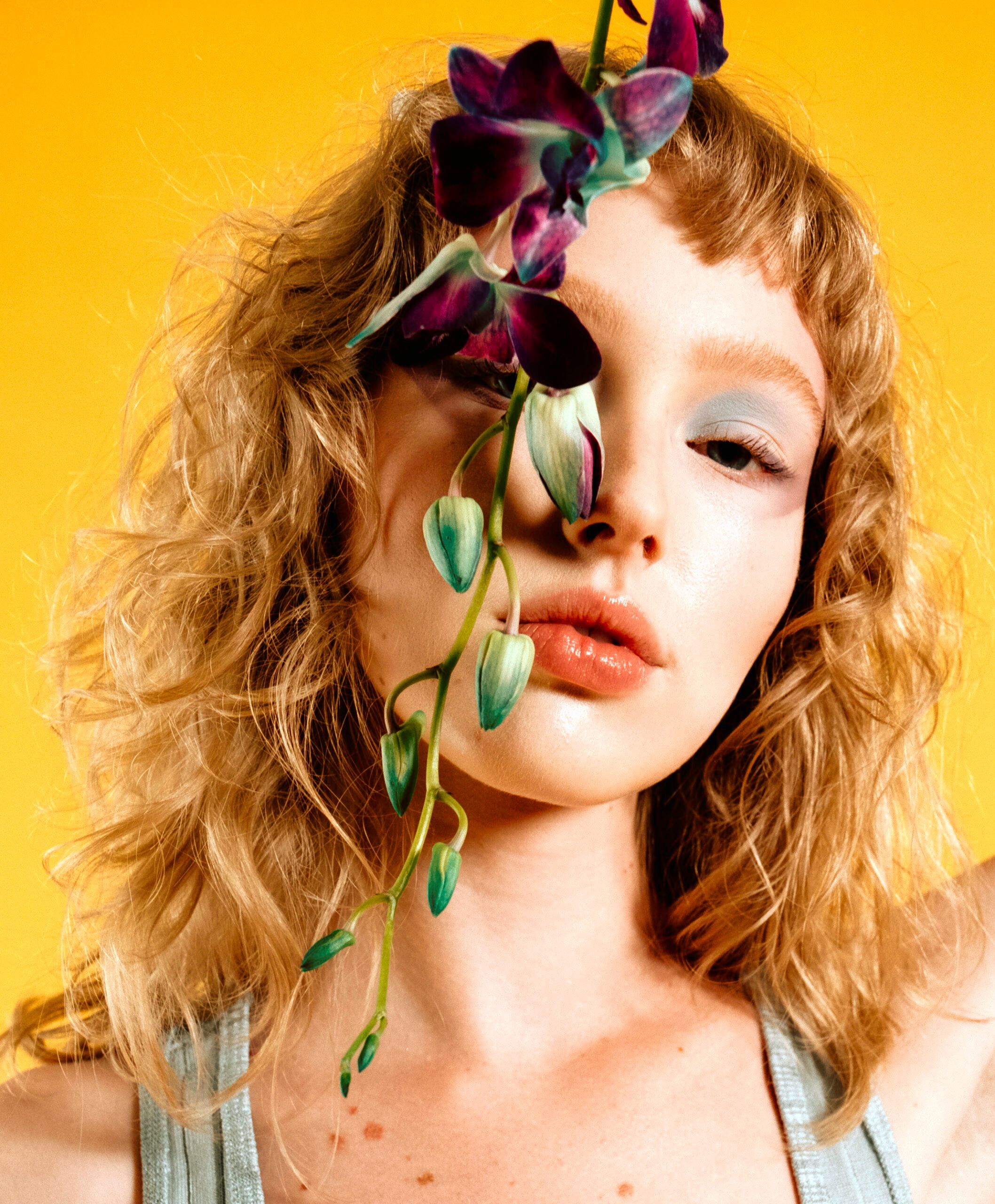
If you were building your portrait kit from scratch today, what would be on the list? Camera bodies, lenses, anything non-negotiable?
If I were building my kit from scratch, it would be simple: just a Mamiya RB67, a lens —any lens, probably a 65mm, but honestly, the lens doesn’t really matter— and film. Less is definitely more. I think I really learned how to be a minimalist once I picked up film. And that’s not even counting all the other medium-format film cameras I’ve collected over the years. They’re just too pretty to resist.
Are there any older or pre-owned pieces that have become unexpected staples in your workflow?
Most, if not all, of my favorite tools aren’t new at all; they’re pre-owned or vintage. My Mamiya RB67 is a perfect example. It’s heavy, manual, and totally old school, but it’s become the backbone of my workflow. Sometimes the older, simpler pieces just teach you the most and force you to slow down. And that’s exactly when I started to feel my work truly improving.
Portrait photography carries a lot of unspoken expectations about how people should look. How do you navigate that while still making images that feel like yours?
I try to ignore all of that, to be honest. I want the photos to capture each person’s personality, energy, and quirks. Not just a polished version of what the world expects. That’s what makes my work feel like me.
How do you stay inspired? Are you working on anything right now that feels like new territory?
I stay inspired by just working. Shooting, shooting, shooting. Even when I don’t feel like it, I’ll set up a shoot with friends, and somehow something special always comes out of it. I’ve found that inspiration doesn’t always strike on its own. It’s about showing up, moving your hands, and testing new ideas.
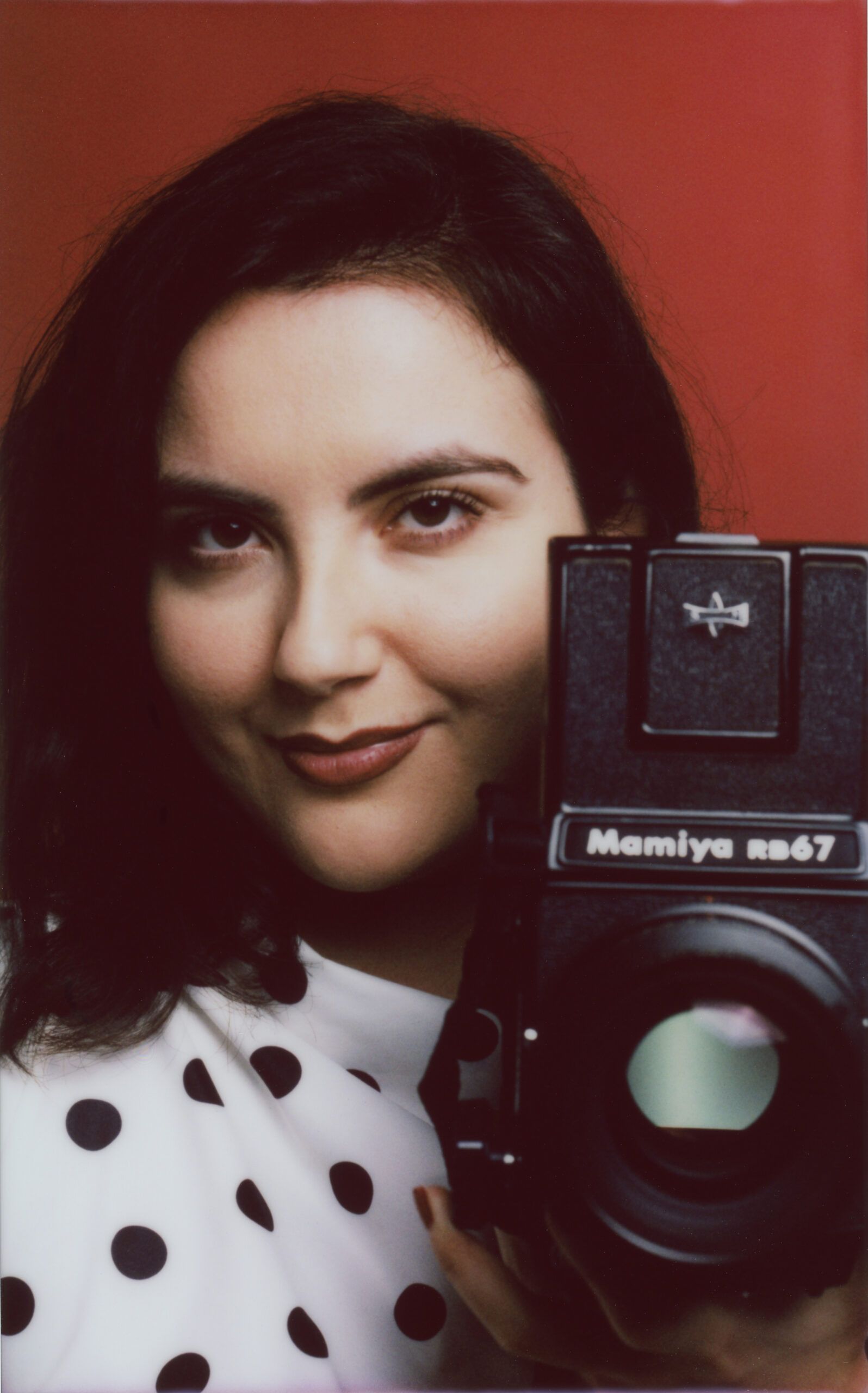
About Beatriz
Beatriz Valim, also known as Beacasso, is a film photographer based in Los Angeles. Drawn to bold color, striking compositions, and the distinct texture of analog photography, she specializes in fashion, beauty, and portraiture—always aiming to tell a story through rich tones and dynamic contrast.
Her work is deeply rooted in her Brazilian background. There’s rhythm, energy, and emotion in everything she shoots. From raw portraits to stylized editorials, Beatriz creates images that feel timeless, alive, and unmistakably her own.