You
have no items in your shopping cart.
Capturing the World: My Guide to Travel Photography
May 26, 2026
1 min read
Travel photographer Marcus Lloyd has spent years documenting places through a lens shaped by curiosity, light, and presence. What began as a search for postcard-worthy images evolved into a deeper appreciation for the quieter moments that make a destination feel alive — the people, textures, colors, and fleeting scenes often overlooked.
In this guide, Marcus shares the experiences, gear, film stocks, and creative lessons that have shaped his approach to travel photography. From preparing for a trip to embracing imperfection and slowing down before pressing the shutter, his perspective offers a thoughtful reminder that meaningful images come from connection, not just technical perfection.
I started getting into travel photography around 2014 or 2015. For the first time, I had the chance to travel and take photos along the way. Pretty quickly, I realized that something had shifted in me; on a few early trips, I noticed that travel energized my photography in a way New York never really did. It made me want to wake up for sunrise every day, to cover as much ground as I could, and to see a place in its totality. I was more open, more curious, and more present.
Over the years, that feeling has only grown. I’ve built a body of work where images from Mexico feel connected to ones from Greece, Italy, or Spain. You start to see how expansive the world is, but also how similar places can feel.
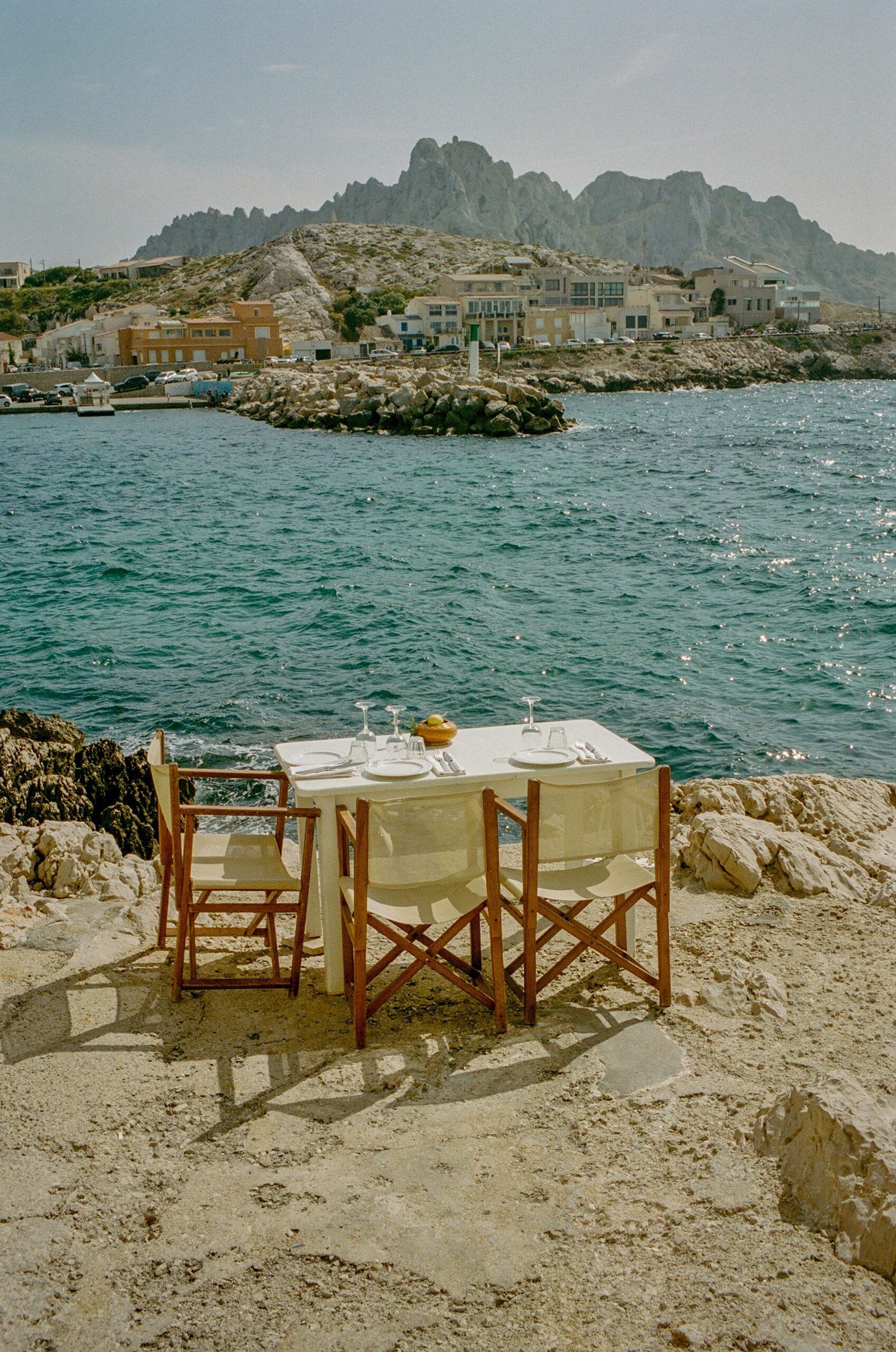
In the beginning, I was chasing the “hero” image: big landscapes, postcard moments, and obvious beauty. Now, I’m more interested in people and details—the staff at a restaurant, a couple running a café, produce at a market, or flowers on a street corner. Those things have more pull for me now.
The camera became a way to be more present; it gave me an excuse to really dive into wherever I was. Over time, especially with film, it pushed me into a place where I’m fully in the moment. When you shoot film, you can’t review anything. Once you press the shutter, it’s done. You move on. It creates the mindset: “I’m only here right now.” That’s what I’m chasing.
My approach to gear has always been simple: one camera, one lens.
I didn’t grow up with much, so I’ve always had a ‘make the most of what you have’ mentality. Early on, if I bought something, I had to live with it. Whether you are saving up for your dream setup or hunting for used cameras to stretch your budget, that kind of limitation forces you to focus on making images, not collecting gear. It ended up being one of the best things for my photography.”
When I travel, I rotate between a Leica M6 and an M9. Most of the time, I’m reaching for the M6 and shooting film. I travel with two lenses: a 35mm Summicron and a 50mm Summilux. The 35 is my “natural eye”—how I see the world when I’m not thinking about it. The 50 is where things get interesting. There’s a slight compression that makes everything feel more intentional and more cinematic. I reach for it when I want an image to feel less like documentation and more like interpretation.
For film, I almost exclusively shoot 400-speed for the flexibility. My go-to stocks are Kodak Portra 400 and Kodak Ultramax 400, and I almost always rate them at 200, overexposing by one stop. That holds shadow detail while letting the highlights roll off the way only film can. Ultramax, in particular, has become the foundation of much of my travel work. The way it renders blues and greens is stunning, and it keeps surprising me. The fact that it costs a fraction of Portra is a bonus, but that’s not the only reason I reach for it.
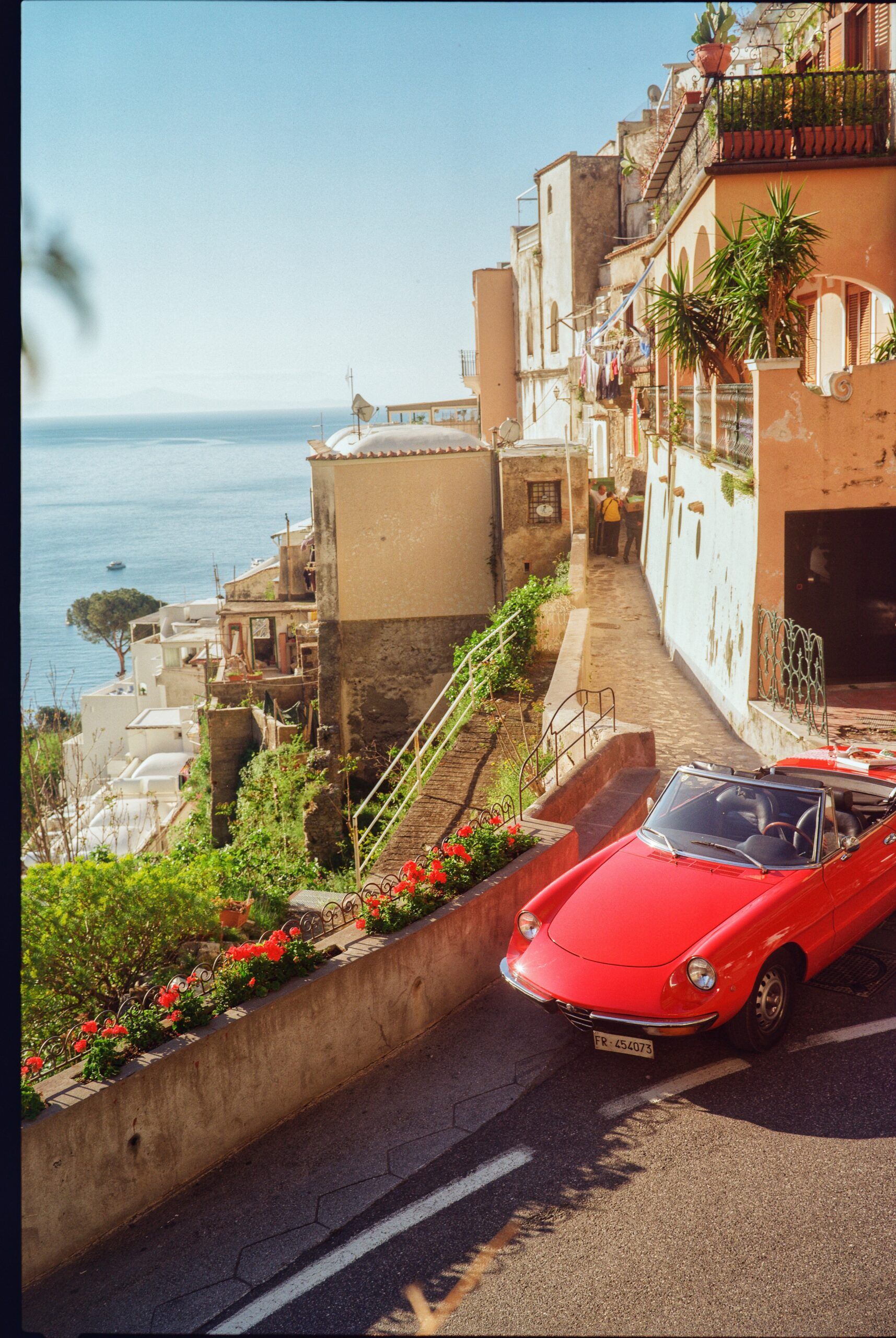
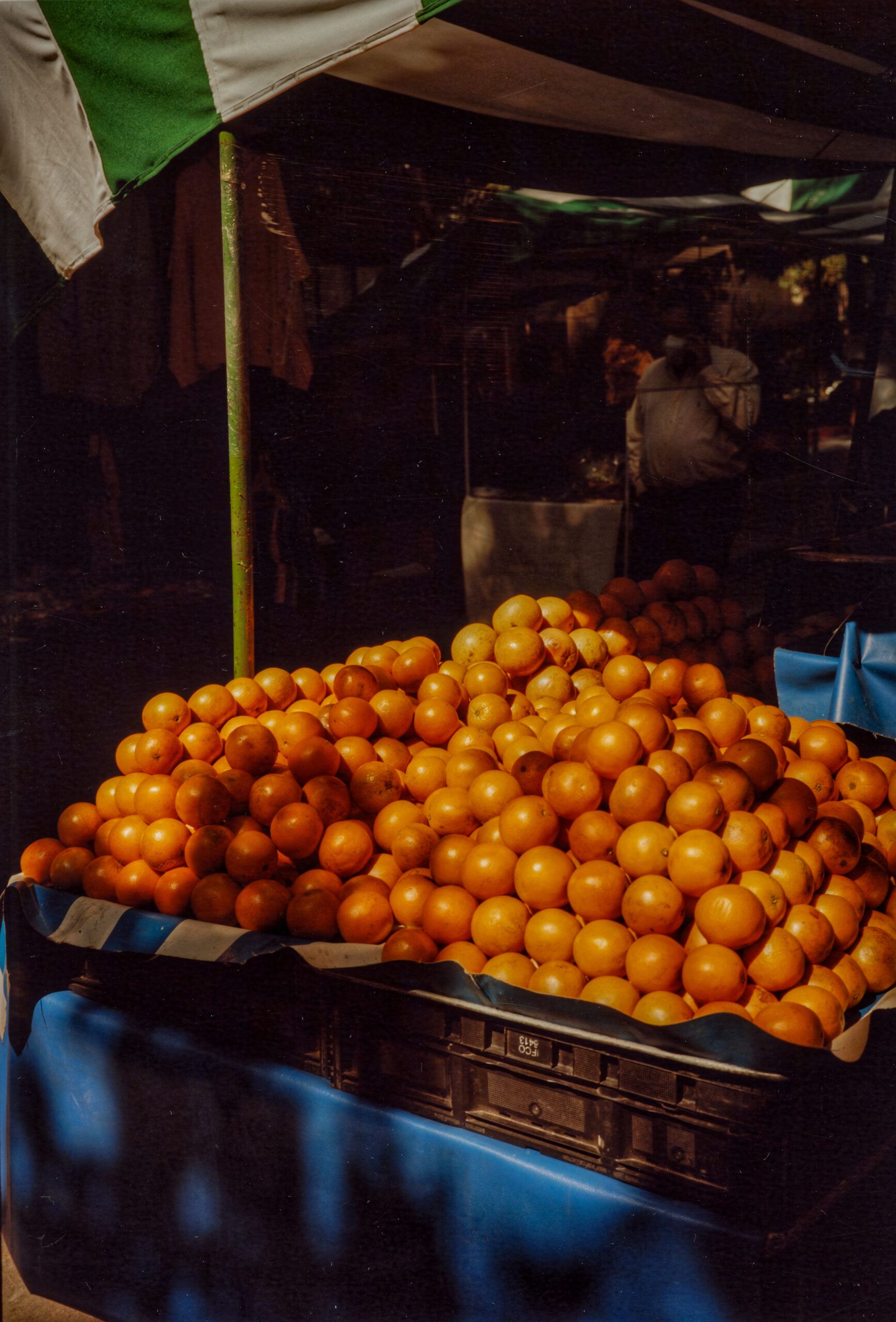
I do a mix of research and leave room to freestyle. Before a trip, I’ll go through Instagram, Flickr, Google—anything I can find—trying to really understand the place and see what resonates. Google Maps is huge for me. I’ll save coffee shops, restaurants, and specific streets, dropping pins so I have a base to work from when I land.
But once I’ve done that prep, I let it go.
From there, it’s about moving through the day and paying attention to light. Maybe a neighborhood works better at sunrise, or maybe another at sunset. I’ll loosely structure my day around that, but I try not to over-control it. The best moments usually happen in between the planned ones anyway.
Become a student of light. That’s the single biggest thing that changed my photography.
The same street at 6:45 in the morning feels entirely different from the way it does at noon. That early light—the way a city wakes up—has a unique feeling. It also makes you feel like you’re part of the place, not just photographing it.
Stop creating for engagement and start creating for feeling. Embrace imperfection. With digital, everything can be technically flawless, but for me, that removes something. I want a bit of tension. I want to make mistakes and learn from them. I don’t want images that feel clinical; I want them to have depth and texture.
Slow down before you press the shutter.
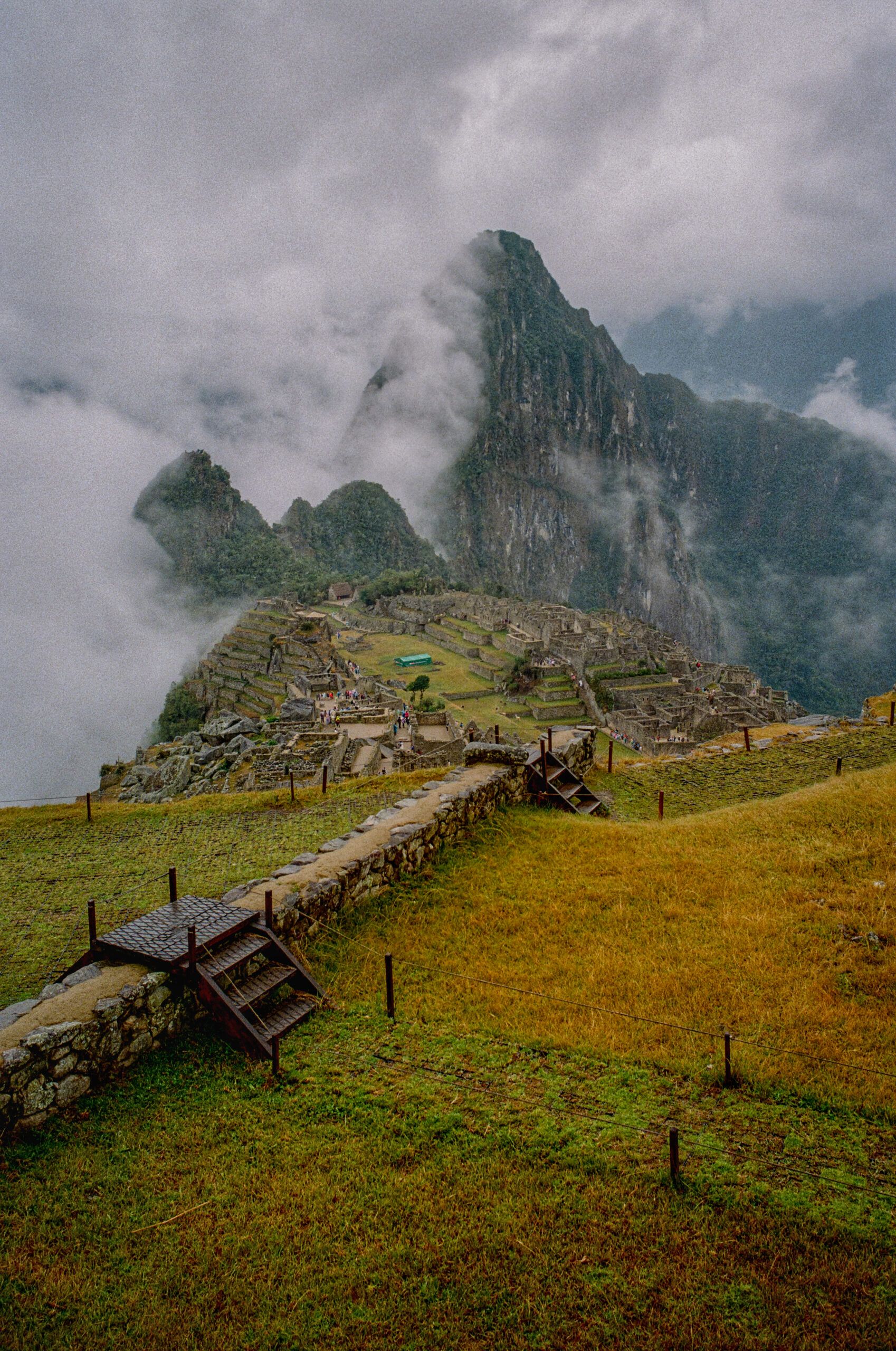
There are certain moments that stick with you longer than the images themselves.
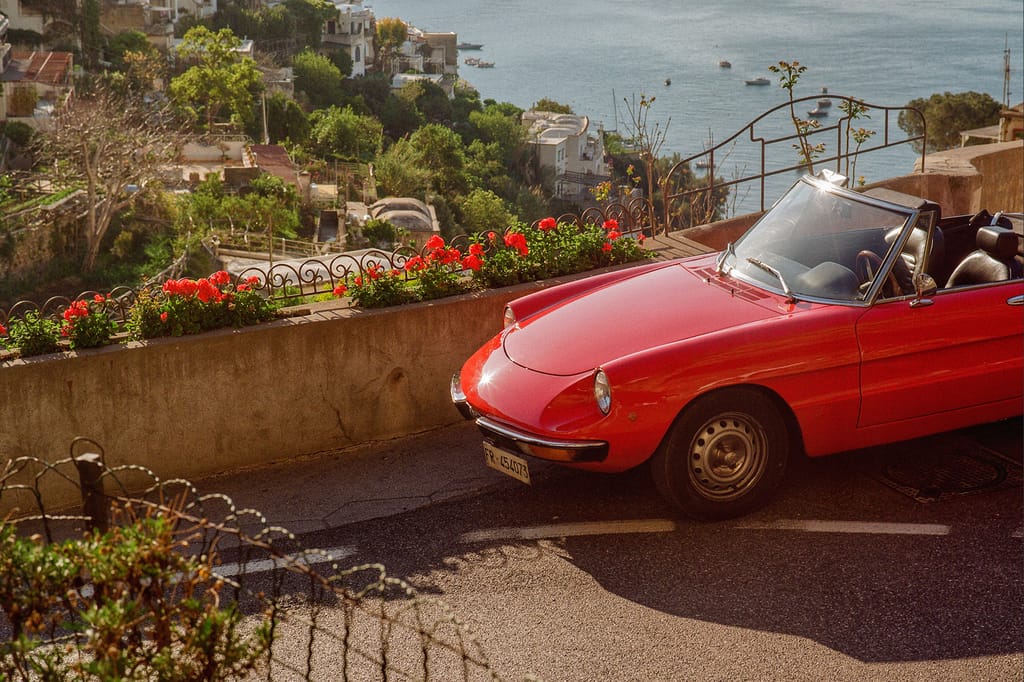
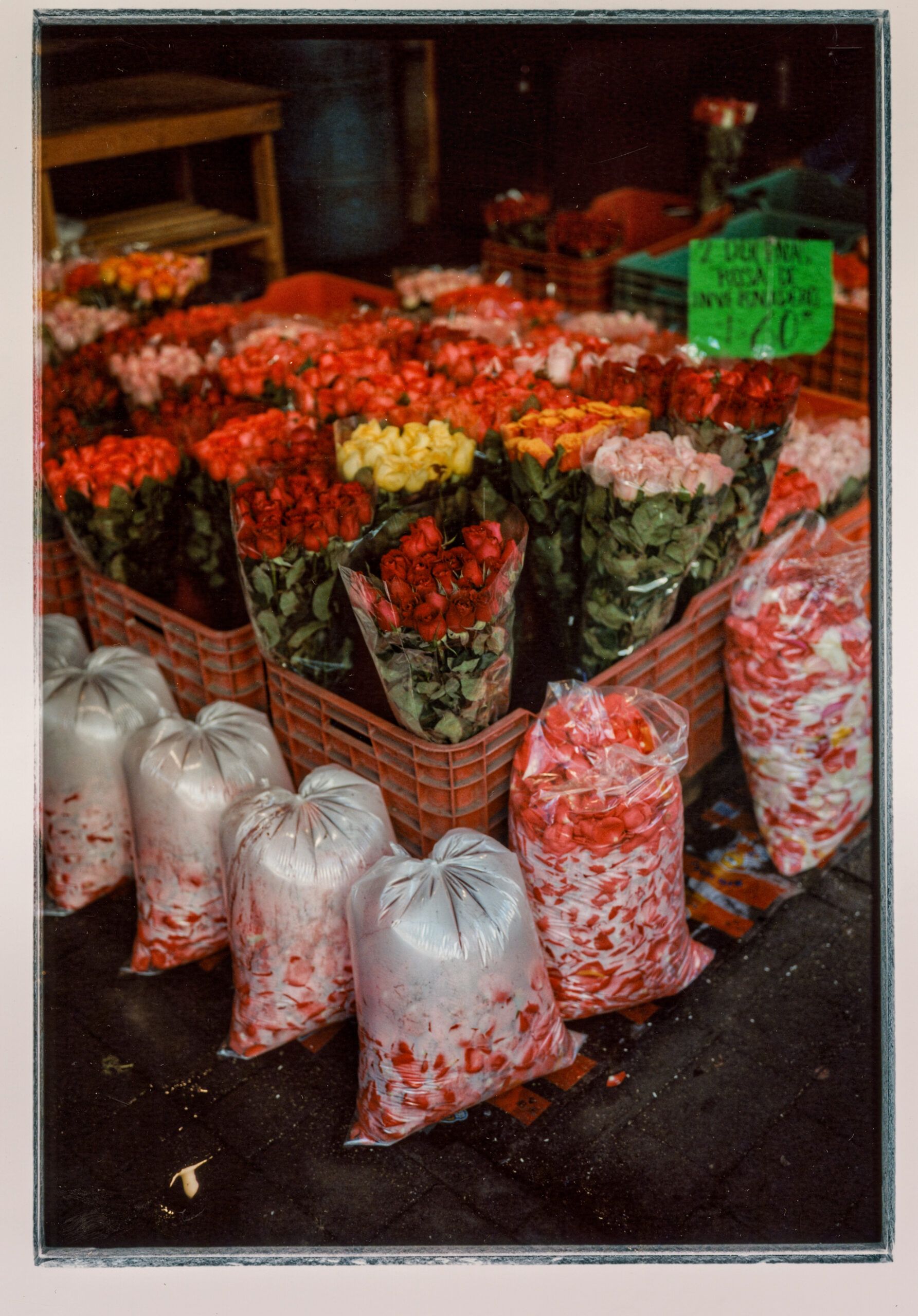
One that always comes back to me was in Positano. I kept running into this guy with a red Alfa Romeo he’d rented for photos. The second time we crossed paths, he started working with me. I wanted a higher-angle shot, but it meant crossing into someone’s property. I hesitated, and he just said, “You’re good, I know them.” That small moment completely changed the photo.
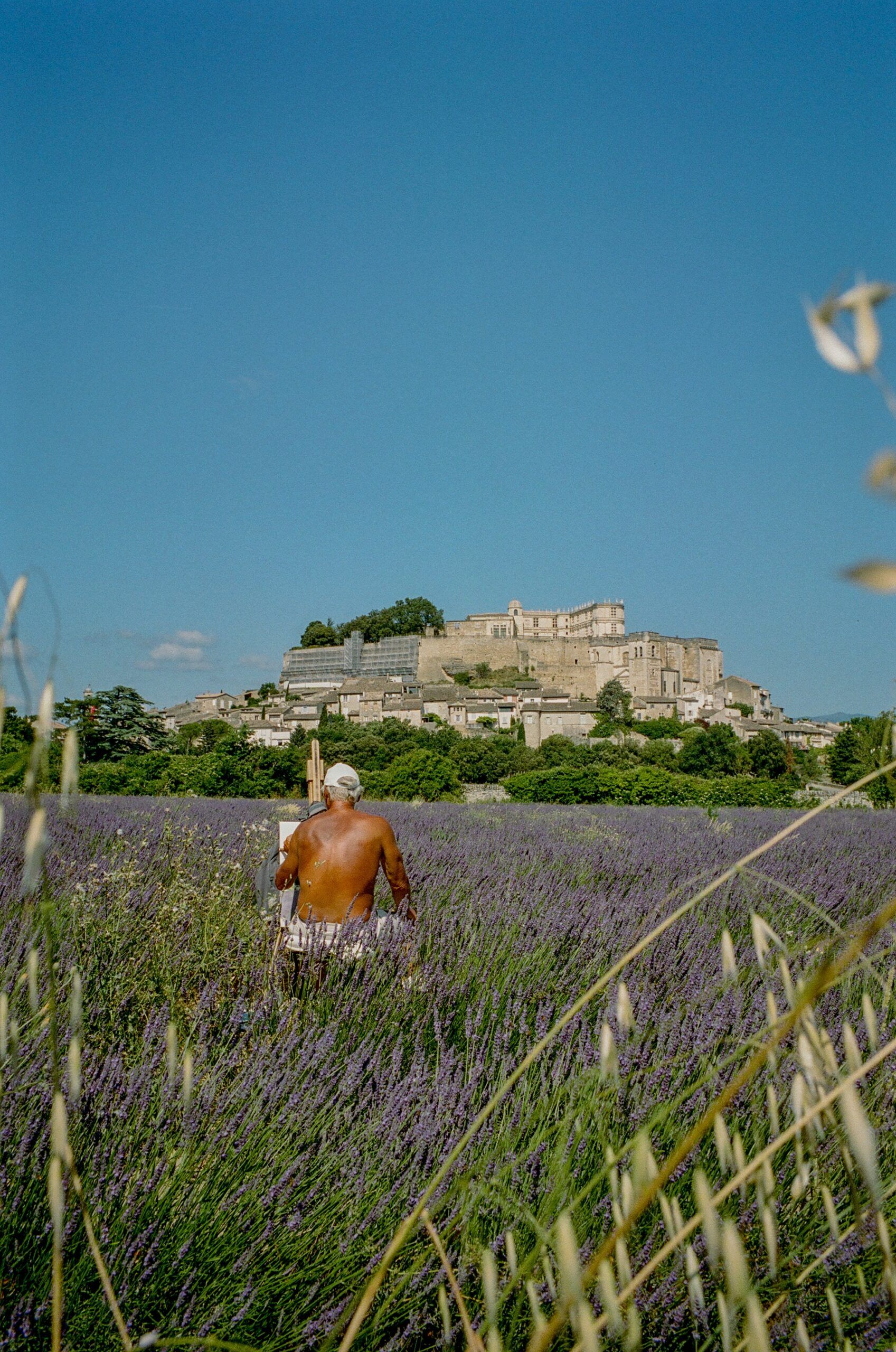
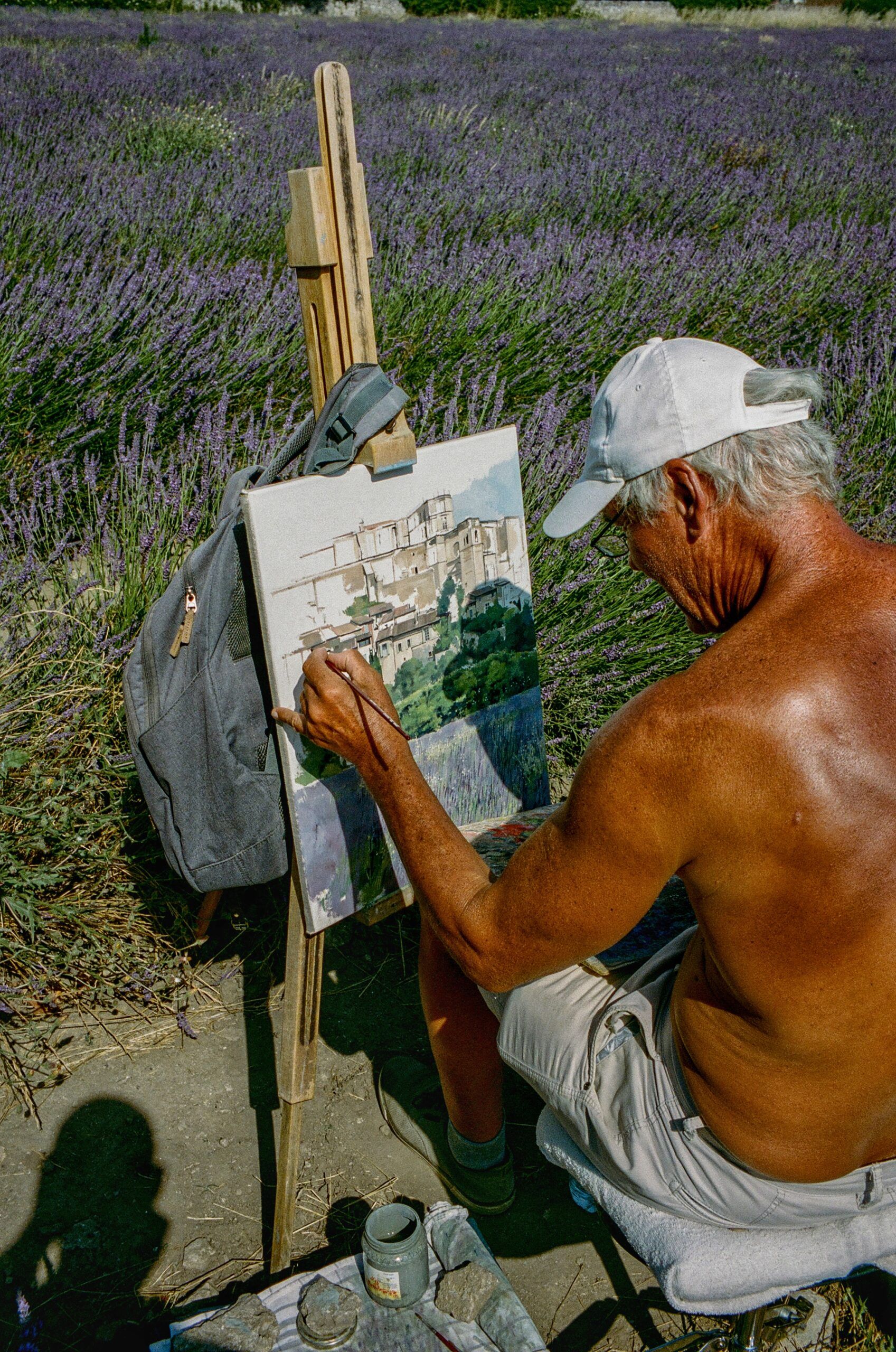
Another was in Provence during lavender season. We came across an older man painting in the middle of the field, capturing the exact scene we were standing in. It felt almost unreal. I asked if I could take a photo, and he said yes. I took a couple of frames and moved on, but it’s one of those moments that felt bigger than the image itself.
Those are the things I remember most.
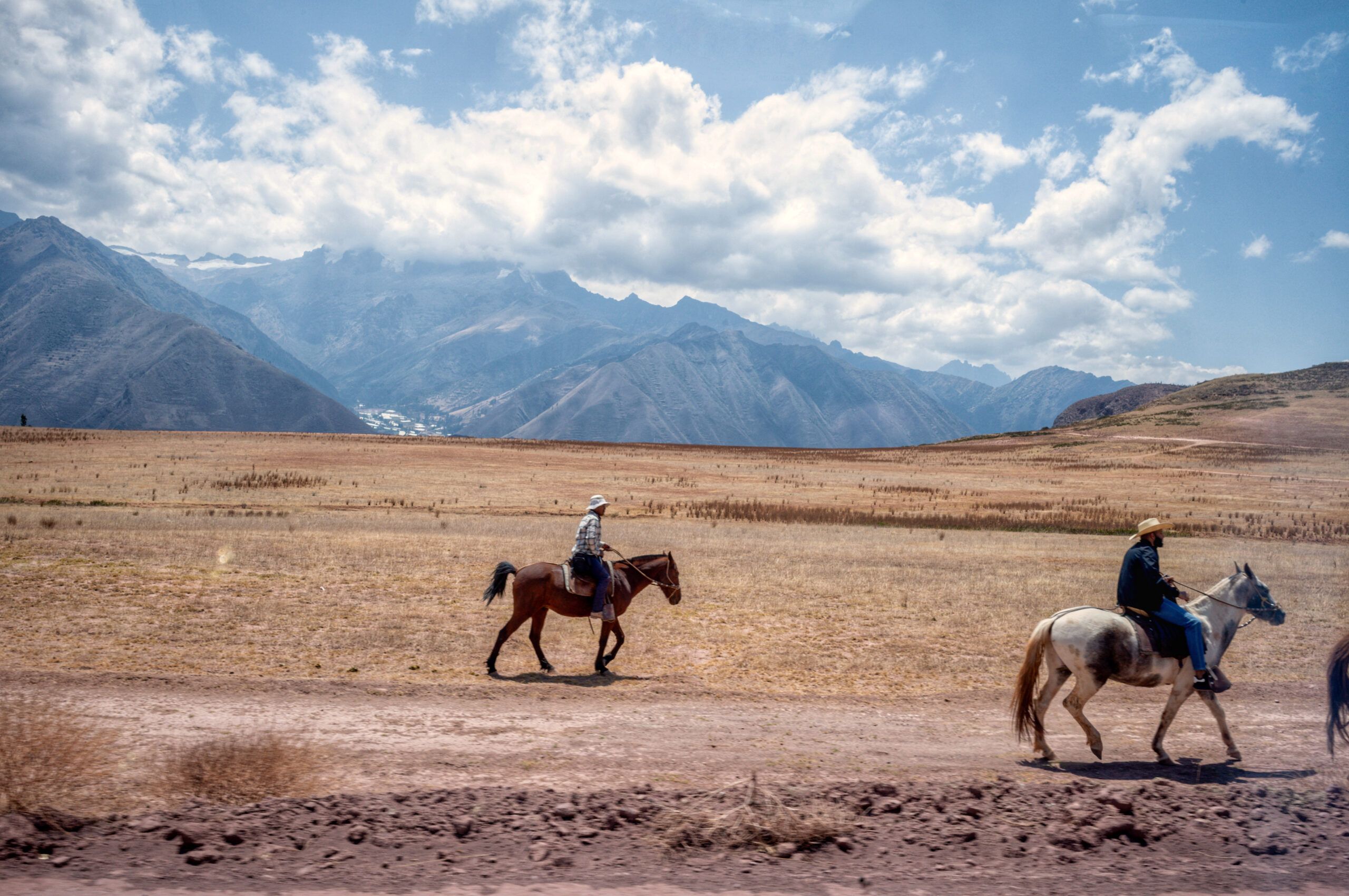
You don’t need much to start. It begins with your perspective. For a long time, I only had one camera, and that limitation helped define my voice more than anything else. Simplicity forces you to focus, and when you focus on what you’re actually trying to say, that’s when things start to click.
You don’t need to break the bank on brand-new equipment. The gear can come later. Curiosity has to come first.
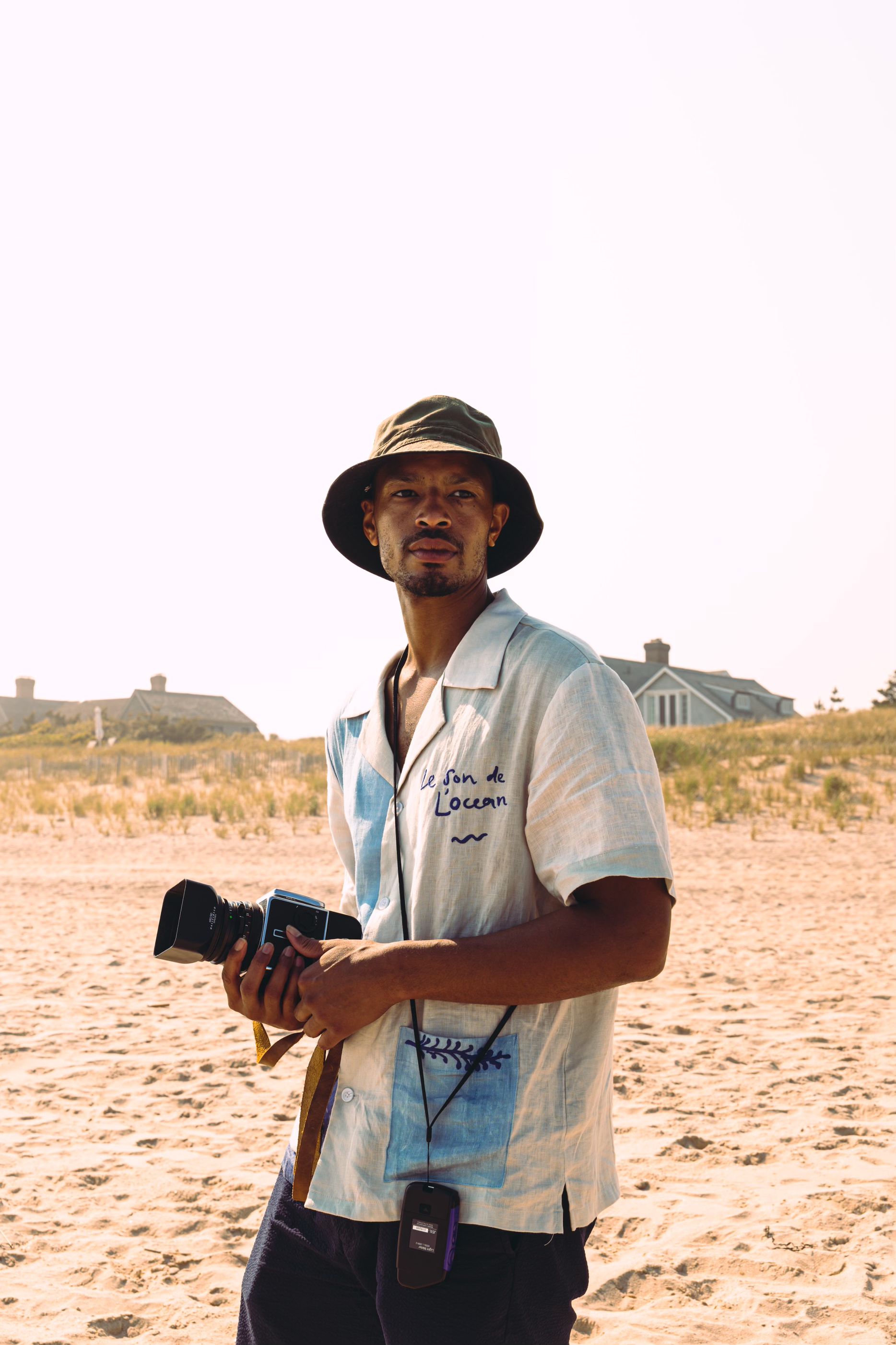
Marcus Lloyd is a New York City based photographer working across interiors, travel, and lifestyle. His work is defined by a refined, contemporary approach, using natural light to shape atmosphere, texture, and tone.
With a strong sense of composition and color, his images feel cinematic yet grounded, capturing spaces and moments in a way that invites the viewer in. Whether documenting a hotel, a city, or a fleeting interaction, his work is rooted in a sensitivity to place and detail. His clients include American Express, Small Luxury Hotels, Four Seasons, Expedia, The Ritz Carlton, Condé Nast Traveller, Soho House, Vrbo, Type 7, and Veuve Clicquot.
Want to see more of his work? Check out his Instagram and website.