You
have no items in your shopping cart.
Under Exposed: 5 Legendary Rangefinder Cameras Worth Discovering
July 15, 2026
1 min read


Rangefinders have always had a certain magic. Compact, mechanical, and built for connection, these cameras helped photographers capture everything from everyday moments to some of history’s most iconic images. Long before mirrorless cameras made portability a priority, rangefinders proved that a smaller camera could still deliver incredible results.
While names like Leica and Contax are familiar to many photographers, some rangefinders remain underrated despite their lasting impact on photography. These cameras combined precision engineering, innovative design, and exceptional optics to create shooting experiences that photographers still seek out today.
At KEH, we’re always discovering gear with a story to tell. Under Exposed highlights the cameras that may have flown under the radar but deserve a closer look. In this edition, we’re focusing on five standout 35mm rangefinders that showcase different approaches to classic camera design.
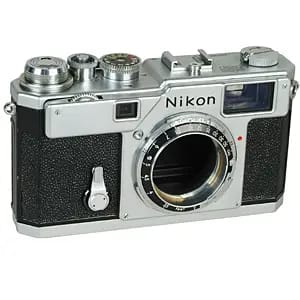
Before Nikon became synonymous with professional SLR cameras, the company built a reputation through its rangefinder lineup.
Introduced in 1958, the Nikon S3 was designed as a professional-grade 35mm rangefinder that prioritized precision, durability, and optical performance. With a bright viewfinder, smooth focusing experience, and compatibility with Nikon’s legendary S-mount lenses, the S3 offered photographers a compact tool without compromising quality.
The camera’s design reflected Nikon’s commitment to craftsmanship during an important period in the company’s history. Today, the S3 remains highly regarded among collectors and film photographers who appreciate its mechanical feel and classic shooting experience.
Want to see the Nikon S3 in action? Jaron Schneider from PetaPixel takes a closer look at this iconic rangefinder, exploring its history, design, and what it’s like to shoot with one today.
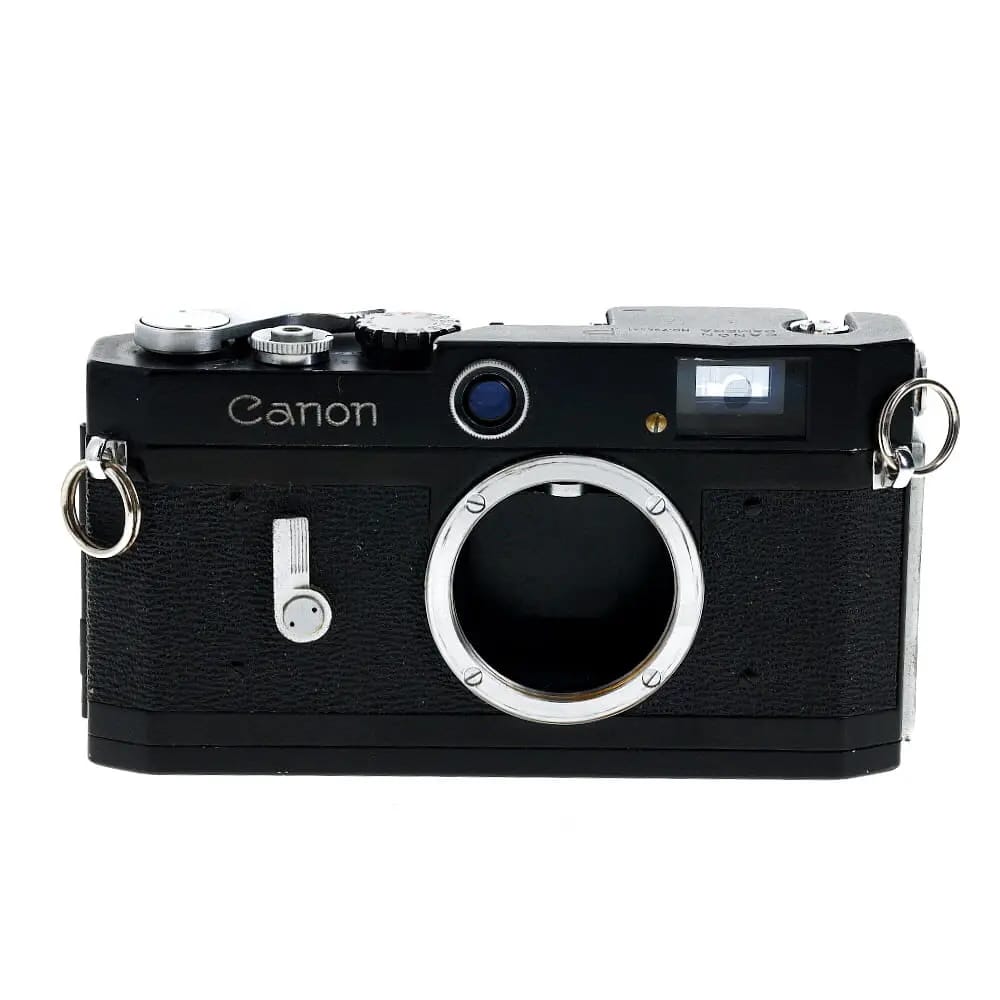
The Canon P brought the rangefinder experience to a wider audience without sacrificing the quality photographers expected from Canon.
Released in 1959, the Canon P (short for “Populaire”) offered a simpler, more approachable design while still delivering the precision and reliability of a professional camera. Its durable body, bright viewfinder, and compatibility with Canon’s L39 screw-mount lenses made it a favorite among photographers looking for a dependable everyday rangefinder.
The Canon P proved that great photography didn’t require complexity. Its straightforward controls and timeless design made it a camera that photographers could pick up, learn quickly, and enjoy for years.
Want to see more Canon gear? Explore our ultimate Canon Buyer’s Guide.
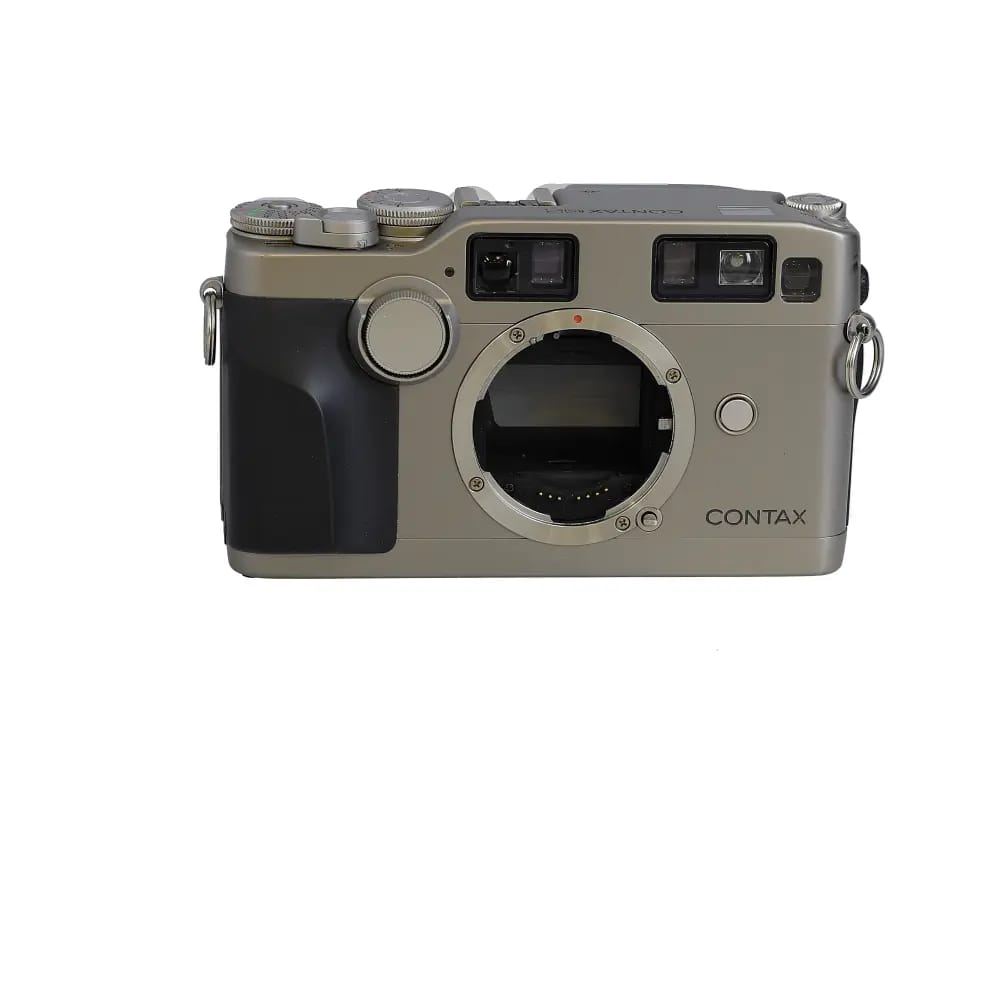
The Contax G2 challenged traditional ideas of what a rangefinder could be.
Released in 1996, the G2 brought modern technology into the world of 35mm photography with autofocus, electronic controls, and some of the most celebrated lenses ever created for a film camera. Built around Carl Zeiss optics, the G2 delivered exceptional image quality in a compact body designed for travel, street photography, and everyday storytelling.
For photographers who loved the look and feel of film but wanted a more advanced shooting experience, the Contax G2 offered a unique balance between tradition and innovation.
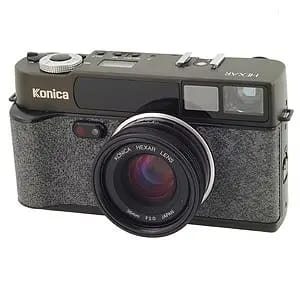
The Konica Hexar is proof that some of the most memorable cameras are the ones that don’t always get the spotlight.
Released in 1993, the Hexar was designed for photographers who valued image quality, portability, and discretion. Its standout 35mm f/2 Hexar lens earned a reputation for beautiful rendering, while its famously quiet shutter made it a favorite among street photographers.
The Hexar wasn’t built to attract attention. It was built to help photographers capture authentic moments without distraction. That combination of simplicity and performance has helped it maintain a dedicated following decades after its release.
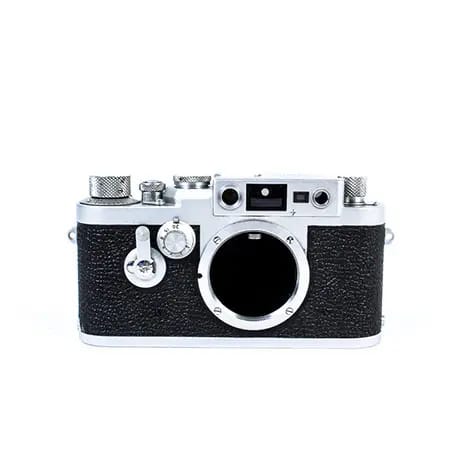
The Leica IIIg represents the evolution of one of photography’s most influential camera designs.
Released in 1957, the IIIg was one of the final screw-mount Leica rangefinders produced before the company transitioned further into its iconic M system. With exceptional craftsmanship, a refined design, and compatibility with Leica’s legendary lenses, the IIIg showcased the attention to detail that made Leica a household name among photographers.
More than just a collectible, the IIIg represents a philosophy of photography built around simplicity, precision, and intentional shooting.
The appeal of rangefinders has never been just about nostalgia. These cameras encourage photographers to slow down, observe, and engage more intentionally with the world around them. Their compact designs, tactile controls, and unique shooting experiences continue to inspire film photographers and collectors alike.
From iconic Leica models to underrated classics, rangefinder cameras offer a unique way to experience film photography. Explore vintage rangefinders at KEH and discover pre-owned gear from some of photography’s most influential brands.
A rangefinder camera is a type of camera that uses a separate focusing system to help photographers achieve sharp images. Unlike SLR cameras, which use a mirror and prism system, rangefinders use a viewing window and a rangefinder mechanism to measure focus distance.
Rangefinder cameras are popular because of their compact size, quiet operation, and unique shooting experience. Many photographers appreciate their simplicity, tactile controls, and ability to encourage a more intentional approach to photography.
Yes. While rangefinders can have a learning curve, many photographers enjoy starting with them because they encourage understanding manual exposure, composition, and focusing techniques.
Most classic rangefinder cameras, including the Nikon S3, Canon P, Contax G2, Konica Hexar, and Leica IIIg, use 35mm film.
Vintage rangefinder cameras can be excellent choices for photographers who appreciate classic design, mechanical craftsmanship, and the experience of shooting film. When buying a pre-owned camera, it’s important to check its condition and ensure it has been properly inspected or serviced.
At KEH, every piece of gear is evaluated by experienced technicians, and our repair services help keep cameras creating for generations to come.
The biggest difference is how photographers compose and focus images. Rangefinders use a separate focusing system and lack a mirror, which allows for a smaller, quieter design. SLR cameras use a mirror system that lets photographers view directly through the lens.