You
have no items in your shopping cart.
In Conversation With Kayla Rivers
September 28, 2026
1 min read

Great stories don’t always start with a camera. Sometimes they start with a family recipe, a conversation, a moment between classes, or simply paying attention to the people around you. For Kayla Rivers, storytelling is about finding those moments and giving them the space they deserve. As she builds her career across documentary filmmaking, content creation, and the entertainment industry, Kayla is interested in creating work that feels authentic, personal, and representative of the people behind the story. We caught up with Kayla to talk about finding her voice at Spelman, making meaningful work with the gear you already have, taking creative risks before you feel ready, and why listening may be one of a storyteller’s most important skills.
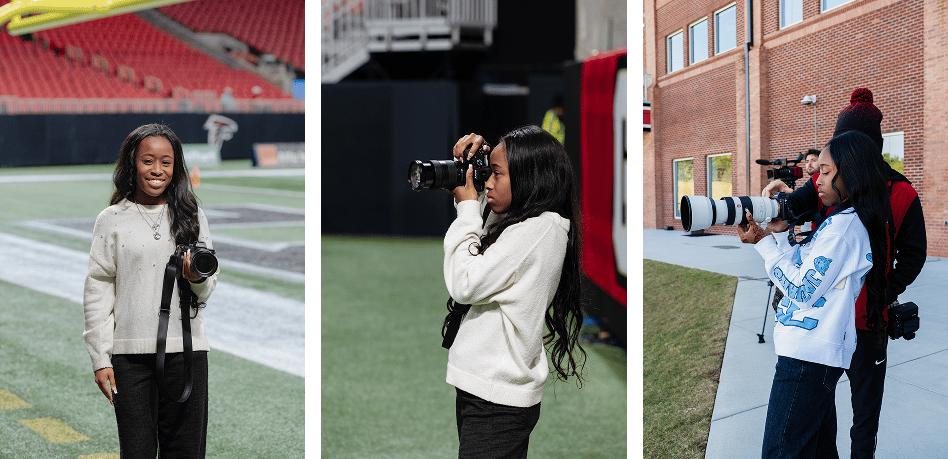
Hi! I’m Kayla Rivers, a documentary filmmaking student at Spelman College, content creator, and aspiring director, producer, and entertainment lawyer. I’m passionate about storytelling in all forms, whether that’s through documentaries, photography, social media, or creative campaigns. I love creating work that feels authentic and gives people the opportunity to see themselves, their experiences, and their stories represented on screen.
For me, they all connect through storytelling and the entertainment industry. Filmmaking allows me to be creative and tell stories; content creation allows me to connect with audiences in real time; and entertainment law will help me understand and protect the business side of the industry. I don’t see them as separate paths. I see them as different tools that will eventually allow me to become a well-rounded creative and advocate for myself and other artists.
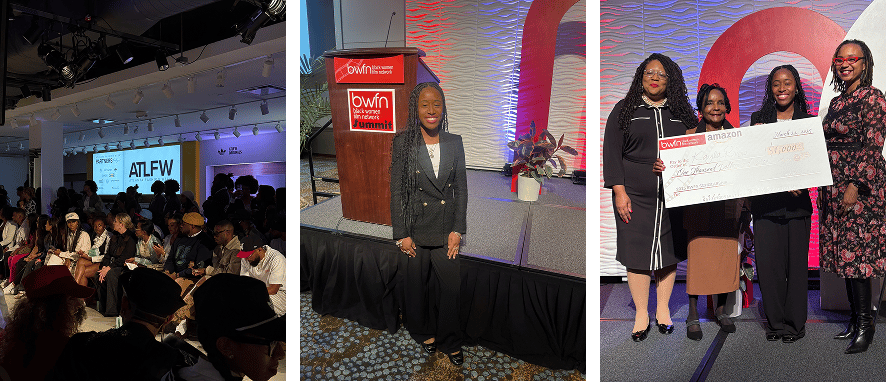
Being at Spelman has taught me the importance of knowing your voice and not being afraid to use it. Being surrounded by so many talented, ambitious, and creative Black women has challenged me to think bigger about the stories I want to tell. It has also shown me that our stories deserve to be told from our own perspectives. I want my work to highlight the complexity, creativity, joy, and resilience of people whose stories aren’t always given the space they deserve.
One of the most exciting projects I’ve worked on was my documentary Food & Memory, which centered around my Aunt Summer, family traditions, cooking, and the connection between food and memory. It was special because I was able to take something personal and turn it into a visual story. It reminded me that some of the most powerful documentaries don’t always start with a huge idea; they can start with something as simple as a family tradition or a conversation at home.
I’ve also really enjoyed the opportunities I’ve had to work in live entertainment and brand spaces, including my experience as an ESSENCE Festival brand ambassador and my work surrounding film and photography. Those experiences have allowed me to see how storytelling exists beyond traditional filmmaking.
A lot of it comes from being a young Black woman and understanding how powerful representation can be. When you don’t always see people who look like you or share your experiences represented authentically, you recognize how important it is to create those opportunities for others. That motivates me to tell stories that feel honest and human rather than simply creating something because it looks good visually. I want people to walk away from my work feeling seen, understood, or inspired.
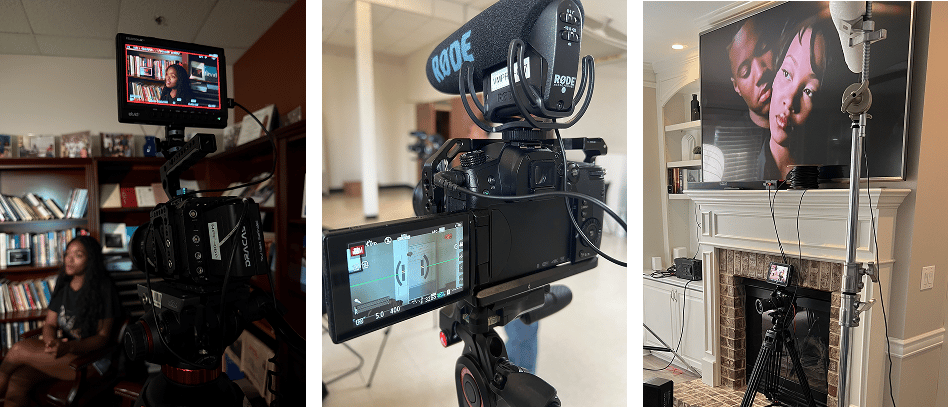
I’ve learned that I can’t always wait until I have the “perfect” amount of free time. Sometimes creating means working on a project between classes, filming something on my phone, editing late at night, or writing an idea down before I forget it. I also try to keep a running list of ideas so that when I do have time, I already know what I want to work on. Balancing everything isn’t always easy, but I’ve learned to prioritize the projects that genuinely excite me.
I’ve learned that listening is just as important as creating. When you’re working with real people, especially in documentary filmmaking, you have to be willing to listen to their experiences instead of assuming you already know their story. Some of the best moments happen when you give someone space to speak and let the story unfold naturally.
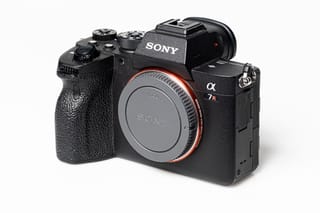
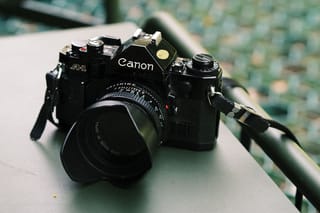
My camera bag usually has my Canon Powershot V1, a DJI Osmo Pocket 3, extra batteries, memory cards, lenses, and the essentials I need to be ready to capture something at any moment. But honestly, the piece of equipment that gets the most use is my camera itself, and sometimes my phone! I’ve learned that having the most expensive equipment isn’t what makes a great story. It’s knowing how to use what you have and understanding what you want your audience to feel.
Discover what accessories you actually need in your kit.
I would tell them to spend on the things that directly affect the quality of their story, especially audio and lighting. You can have a great camera, but if your audio is difficult to hear or your lighting distracts from the subject, the final product can suffer. I would save on the camera itself in the beginning. Use what you already have: a phone, a borrowed camera, or equipment available through your school. Focus on developing your eye and your storytelling skills first. Equipment can come as your skills and opportunities grow.
Explore this blog to learn how to build the perfect student kit on a budget.
One of the biggest risks I’ve taken has been putting myself out there before I felt completely ready. I’ve applied for opportunities, taken on brand ambassador roles, created content, pursued production experiences, and introduced myself to people in the industry, even when I wasn’t sure where those conversations would lead. A lot of those moments have turned into connections and experiences I wouldn’t have had if I had waited until I felt “qualified enough.”
You are not behind. Social media shows you people’s highlights, not the years of work, rejection, uncertainty, and learning that happened before the post you see. Your journey doesn’t have to look like anyone else’s. Keep creating, keep learning, and give yourself permission to be a beginner. Sometimes the projects you’re making right now are preparing you for opportunities you haven’t even imagined yet.
This semester, I’m focused on continuing to grow as a filmmaker and content creator while building my professional portfolio and making more connections within the entertainment industry. I’m also looking forward to taking on new creative projects, pursuing opportunities in film and music, and continuing to develop the skills that will eventually allow me to work across both the creative and legal sides of entertainment. Ultimately, I want to keep saying yes to opportunities that challenge me, introduce me to new people, and bring me closer to the career I’m building for myself.
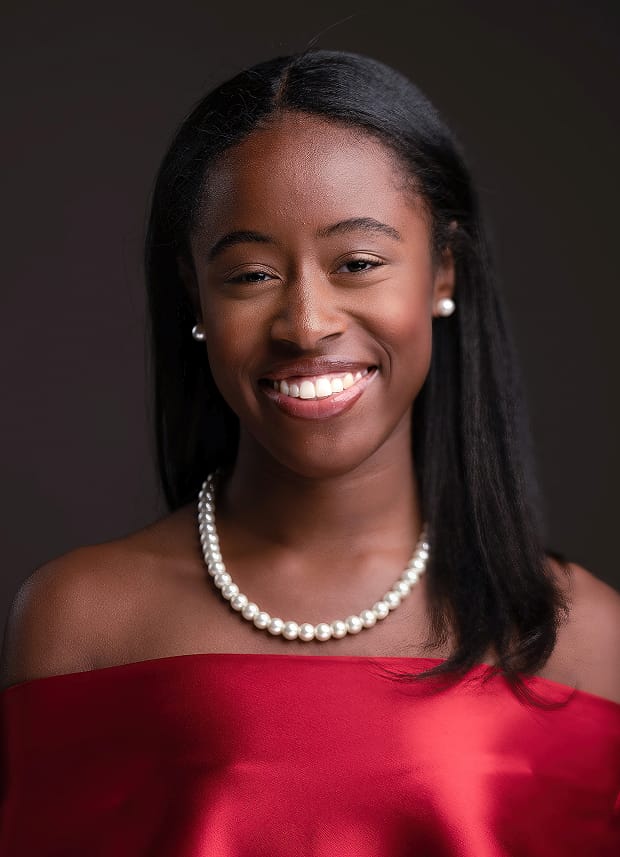
Kayla Rivers is a documentary filmmaking student at Spelman College, a content creator, and an aspiring director and entertainment lawyer. Her creative journey began with a love for storytelling and has grown into a passion for capturing authentic stories through film, photography, and digital content. Along the way, she has had the opportunity to work with brands and organizations such as ESSENCE, the National Academy of Television Arts & Sciences Southeast Emmy Awards, and the Atlanta Falcons HBCU Shadow Experience, experiences that have strengthened both her technical skills and her passion for media.
Right now, Kayla is focused on expanding her work in film production and content creation while continuing to build her portfolio through internships, brand partnerships, and documentary projects. Her goal is to create meaningful stories that entertain, inspire, and leave a lasting impact, while opening doors for more diverse voices in the entertainment industry.