You
have no items in your shopping cart.
How to Find Out What Your Camera Gear Is Actually Worth
October 07, 2026
1 min read

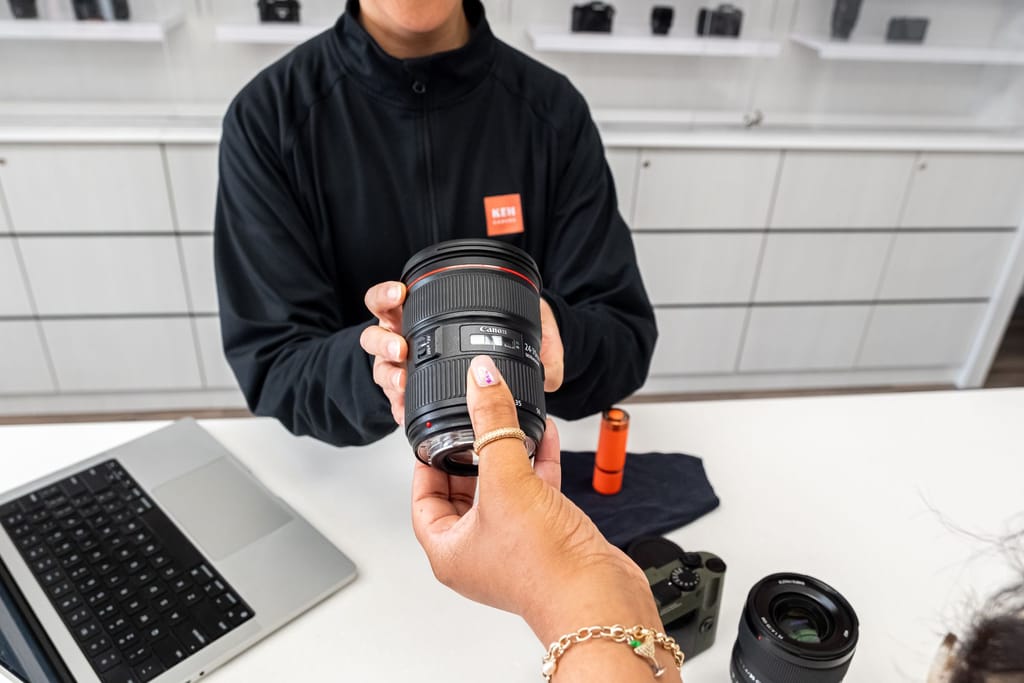
“How much is my camera actually worth?” It sounds like a simple question until you search online and find the same camera listed at five different prices. Some listings are wishful thinking, some are outdated, and some reflect real completed sales, which is why a reliable camera gear appraisal starts with more than a quick glance at retail price.
KEH has evaluated pre-owned camera equipment since 1979. That means we’ve seen how bodies, lenses, systems and entire categories gain, lose and sometimes regain value over time. The good news is that you do not need to be a pricing expert to understand the value of your camera gear. You just need the right details, a realistic assessment of the condition, and a way to compare your gear with the current market.
The value of used camera gear comes down to five things: exactly what it is, its condition, current demand, what’s included, and the current market. Original retail price matters far less than what comparable gear in comparable condition is actually selling for today. That means a clean, fully working camera body with the right battery, charger, low wear, and strong current demand will usually have a different used camera value than the same model with cosmetic damage, missing parts, or functional issues.
The key is to stop thinking only in terms of original retail price. A camera that launched at a premium price may be worth far less now if newer models have replaced it, while a desirable lens, clean film body, or hard-to-find accessory may hold stronger value because demand remains steady. The goal is not to find the highest number online. It is to find a fair, realistic range.
A good camera gear appraisal looks at the whole picture. The model name matters, but so does what is happening in the market, what is included in the box, and whether the gear performs the way it should.
Popular systems tend to be easier to value because there is more sales activity to compare. DSLR cameras can still have strong value, especially professional bodies and specialty models, but some DSLR bodies have softened as more photographers move to mirrorless systems. Mirrorless cameras often benefit from current demand, active lens ecosystems, and ongoing brand support.
Other categories have their own patterns. Film cameras may be valued less by megapixels and more by condition, working meters, clean viewfinders, and collector interest. Point-and-shoot cameras, especially compact models with a following, can surprise sellers because demand is not always obvious from age alone.
Camera bodies usually move through value cycles. A model may hold well when it is current, dip when a replacement is announced, and settle into a stable used range after the early rush fades. Timing matters because a new release can shift demand quickly, especially if many owners start selling the previous generation at once.
Market trends also affect camera equipment resale value. A body that fits today’s video, hybrid, travel, or content creation needs may attract more buyers than an older model with specs that feel dated. On the other hand, classic film gear and certain compact cameras can gain attention because they offer a shooting experience that newer gear does not.
Condition is one of the biggest value drivers. Two cameras with the same model number can be priced very differently if one is clean and fully functional while the other has heavy brassing, sticky controls, sensor issues, or error messages.
Functionality matters even more than appearance. A scuffed camera that works perfectly may still be usable and sellable, while a clean-looking body with intermittent autofocus or a damaged card slot needs deeper evaluation. For lenses, optical condition is especially important because fungus, haze, scratches, separation, stiff focus rings, or aperture problems can affect camera lens value.
Included accessories can help, but they rarely rescue a poor-condition item. Original batteries, chargers, caps, hoods, tripod collars, cases, manuals, boxes, and specialty adapters may improve buyer confidence and make the gear easier to sell. Interchangeable lenses, flashes, and accessories should be evaluated item by item because a small missing part can matter a lot for usability.
Rarity can help value when demand exists, but “rare” does not automatically mean expensive. A hard-to-find item with a small buyer pool may take longer to sell than a common item with steady demand. Original retail price is a useful background, not a final answer. The market decides the current value.
Before you ask, “How much is my camera worth?” make sure you know exactly what you have. Small model differences can create big pricing differences, especially with camera bodies, lens versions, mount types, and kit variations.
Look for the full model name on the front, top plate, bottom label, lens barrel, or menu system. For lenses, write down the brand, focal length, maximum aperture, mount, stabilization markings, autofocus version, and any special designations. A 70–200mm f/2.8, for example, may exist in multiple generations, mounts and versions that look similar but carry very different values.
If you are checking a kit, separate the body from the lens in your notes. A camera outfit may be sold as a unit, but the body and lens often have their own market values. This helps you avoid underpricing a good lens just because it came attached to an older body.
Condition grading is where many sellers accidentally overestimate or underestimate value. We get it. If a camera has been reliable for years, it is natural to think of it as “excellent.” A buyer or appraiser, however, has to look at the gear more objectively. For a look at how condition ratings work, see our used camera condition ratings comparison.
Check cosmetic wear first. Look for dents, cracks, missing rubber, worn hot shoes, scratched screens, corrosion in the battery compartment, loose ports, and signs of impact. Then test basic operation: power, menus, card slots, buttons, dials, shutter, autofocus, stabilization, flash sync, and file recording.
For camera bodies, shutter count can be useful because it gives a rough sense of mechanical use. It is not the only factor, but it can influence value, especially on higher-end bodies. For lenses, shine a light through the glass and look for haze, fungus, heavy dust, oil on aperture blades, scratches, or separation. A little exterior wear may be acceptable; optical or mechanical issues usually affect value more directly.
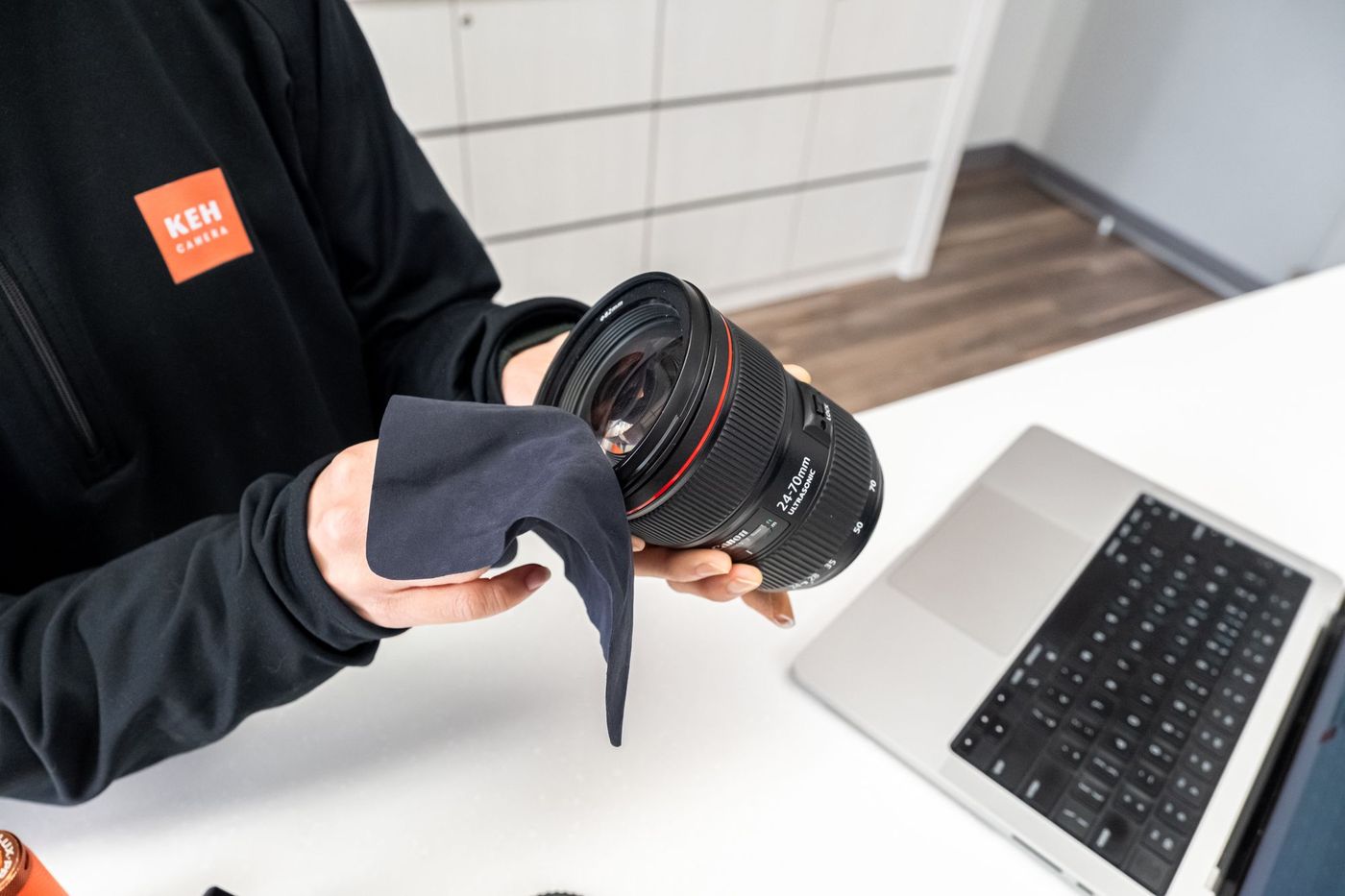
The asking price is what a seller hopes to get. A selling price is what a buyer actually paid. When you are trying to determine the value of used camera equipment, completed sales are more useful than active listings.
Online marketplaces often show optimistic prices because unsold listings remain visible. The highest listing may sit for months, while fairly priced gear moves quickly and disappears. That creates a distorted picture if you only compare what is currently posted.
A better approach is to look for recently completed transactions, then compare the conditions and included items. If three similar cameras are sold in a tight range and one active listing is far above that range, the active listing may not be realistic. This distinction is central to pricing used camera equipment without waiting forever for the right buyer.
Start with a focused search using the exact model name and major details. Add terms such as mount, generation, focal length, or body-only as needed. Then narrow your attention to gear that matches your item’s condition as closely as possible.
Use these practical filters:
If your item is uncommon, use a wider time range but stay cautious. A single sale can be helpful, but it may not define the whole market. In those cases, a professional evaluation can save time and reduce guesswork.
Many sellers start with the body and forget the rest of the bag. That can leave value on the table. Lenses, flashes, battery grips, filters, film backs, finders, adapters, tripods, bags, and memory accessories may all contribute to the total camera equipment resale value.
Still, a bundle is not always worth more than its parts. A buyer may want the camera but not the kit lens, or the lens may be more valuable when priced separately. In other cases, a complete starter kit can be appealing because it is ready to use.
Our advice is simple: list everything first, then decide whether the items make more sense together or separately. If you plan to trade in camera gear, grouping items into a clear quote can also make the evaluation smoother.
You do not need a spreadsheet to get a useful estimate. Follow a clear process and you will arrive at a realistic range.
There’s no universally best way to sell camera gear. The right option depends on what you value most.
Consider selling privately if: your priority is maximizing your potential gross selling price and you’re comfortable handling photography, listings, buyer questions, negotiation, payment, shipping, and transaction risk.
Consider selling to a professional reseller if: you value a simpler transaction, professional evaluation, and avoiding much of the work associated with finding an individual buyer.
Consider trading if: you’re already planning your next purchase and can take advantage of applicable trade credit or bonuses.
Consider professional evaluation if: you have multiple items, uncommon equipment, inherited gear, or simply aren’t sure exactly what you have.
The highest potential selling price isn’t always the best overall outcome. The value of your time, convenience, certainty, and risk tolerance matters too.
Before requesting a quote or listing your equipment, gather:
Having this information ready makes it easier to compare your options fairly.
Professional evaluation can be useful when online pricing leaves you with a wide range of conflicting numbers—or when you simply don’t want to manage the valuation process yourself.
At KEH, the sell and trade process starts with an online quote. Your gear is then inspected so the final offer reflects its actual identity, condition, functionality, and configuration.
KEH has specialized in pre-owned camera gear since 1979. That experience matters because valuation isn’t simply finding a price online. It’s understanding what affects that price, what condition the equipment is actually in, what the current market supports, and what it takes to confidently put that equipment back into another photographer’s hands.
If you’re ready to move on from unused gear, you can start with an online KEH quote.
Choose a cash payout when you want to sell, or put the value toward your next setup through Better Trade™. Eligible trades toward KEH Certified™ pre-owned gear may qualify for additional trade value, with manufacturer bonuses available when applicable.
Whether you’re changing systems, upgrading your kit, or simply clearing out equipment you no longer use, the goal is the same: understand what you have, what it’s worth in today’s market, and which selling option works best for you.
A working camera with cosmetic wear can still have value, but the amount depends on the model, demand, shutter count, included accessories, and whether all functions perform correctly. Be honest about dents, scratches, worn grips, or screen marks. Function helps, but condition still affects the final appraisal.
Start with the exact model, check recent completed sales, compare condition carefully, and consider a professional quote. This gives you a realistic range instead of relying on retail price or inflated active listings.
Often, yes. Good lenses can stay useful across multiple camera generations, especially if the mount remains popular or adapters are common. Camera lens value still depends on glass condition, autofocus, aperture function, version, and demand.
A retail selling price and a cash or trade offer represent different stages of the resale process.
A professional reseller assumes the costs and risks associated with evaluating, inspecting, potentially repairing, inventorying, warranting, and eventually reselling the equipment. A private seller may be able to pursue a higher gross price but takes on more of that work and risk directly.
Private selling may bring a different price, but it also takes time and involves photos, messages, negotiation, shipping, returns, and risk. Trading with KEH is designed to be simpler, with expert evaluation and options for cash or trade value.
Yes. KEH Gear Experts can help identify equipment through the quote process, virtual appointments, and other selling options. If you are unsure about a model, lens mount, or condition grade, getting expert eyes on the gear can make the process much easier.