You
have no items in your shopping cart.
Point-and-Shoot Film Cameras of 2026
October 23, 2026
1 min read

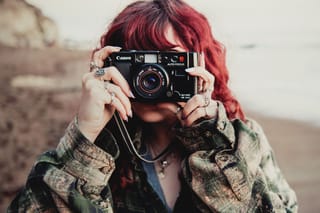
Point-and-shoot film cameras are having a moment, but finding the right one takes more than chasing a popular name. No new point-and-shoot film camera models were released in 2026, so the best options are still proven classics. The trick is finding one that fits your budget, works as it should, and makes you want to shoot more film.
Some cameras keep things simple with automatic exposure and built-in flash. Others offer sharper lenses, more control, or a different way to shoot. And while collectible models get plenty of attention, you don’t need to spend a fortune to get a great compact film camera.
Here’s what to look for, which cameras are worth knowing, and how to shop for a pre-owned model without getting caught up in the hype.
What You’ll Learn
The best everyday camera is the one you actually bring with you. Look for a compact body, straightforward controls, dependable autofocus, and a flash that works when you need it. You don’t need a collector’s favorite to get those basics right.
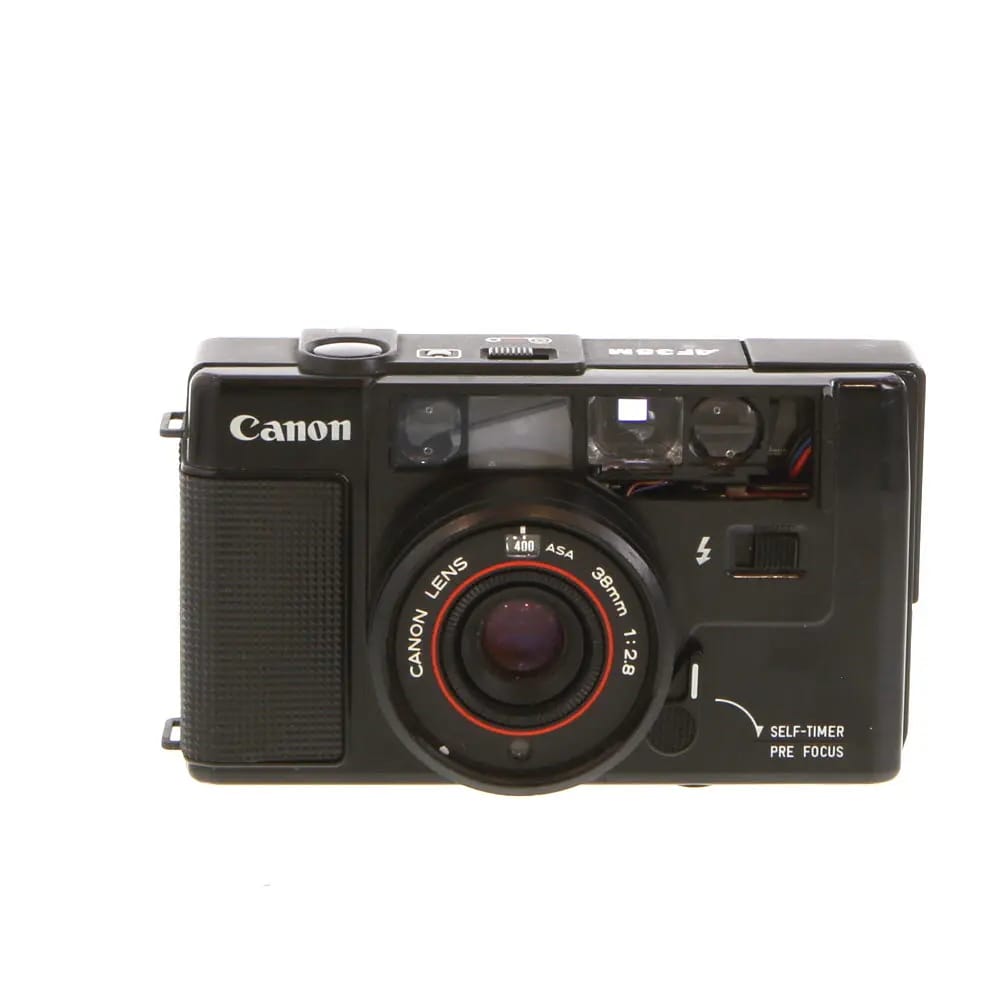

The Canon Sure Shot/Autoboy family is a solid starting point. These compact cameras were built for casual shooting, with many models offering automatic exposure, autofocus, and built-in flash. Exact features vary by model, so check the specifications before settling on one.
The Olympus Stylus line is another popular choice for everyday carry. Its compact design makes it easy to take along, and select models offer weather-resistant construction. Just don’t assume every Stylus has the same level of protection. Check the specific model before taking one out in questionable weather.
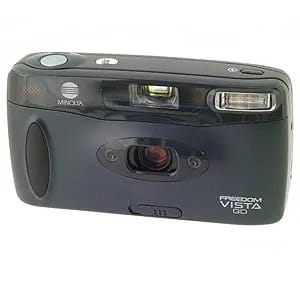
Want automatic shooting without paying collector prices? Take a look at Minolta Riva/Freedom cameras. The range includes practical compacts and zoom models that work well for travel, family photos, and everyday snapshots. Zooms give you more framing options, but their maximum apertures are often slower than those of fixed-lens cameras. In low light, ISO 400 film is a useful starting point.
Premium point-and-shoots can offer excellent lenses, refined handling, and compact designs that are a pleasure to shoot with. They can also command high prices. Before paying extra for a recognizable name, decide which features actually matter to you.

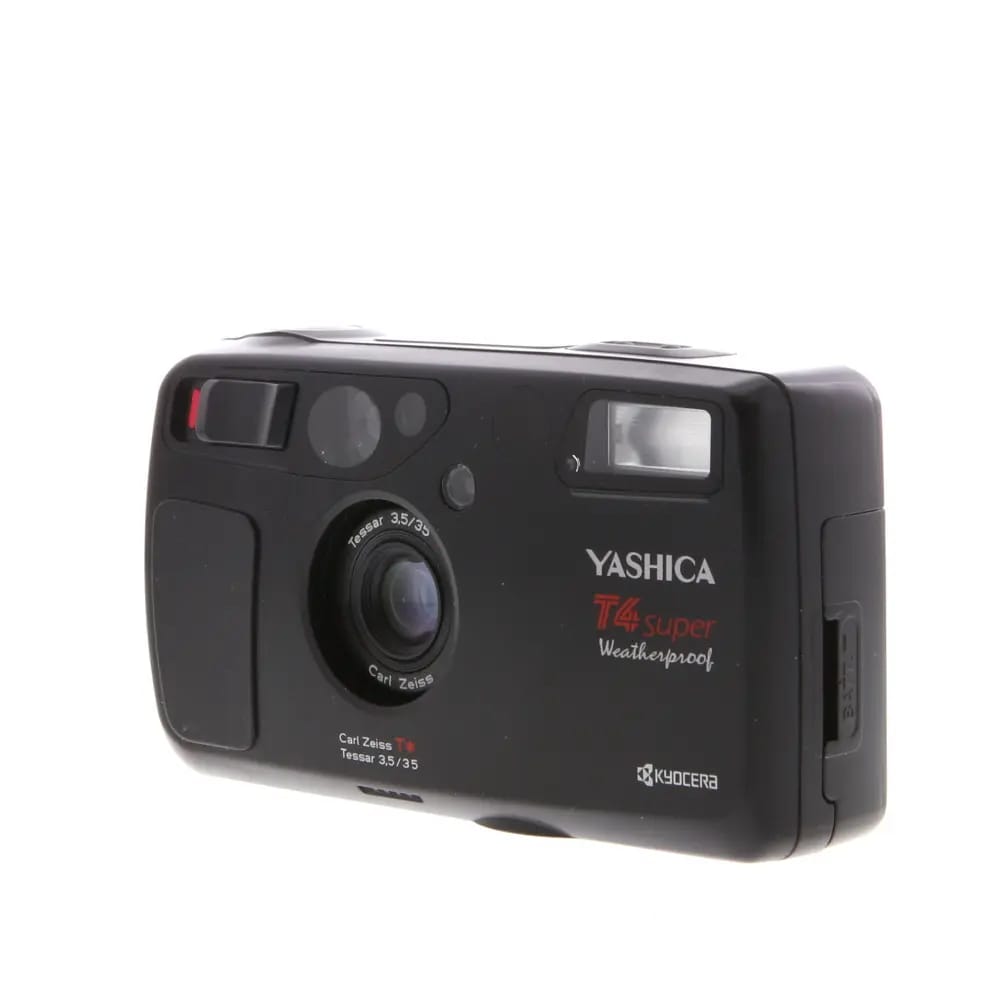
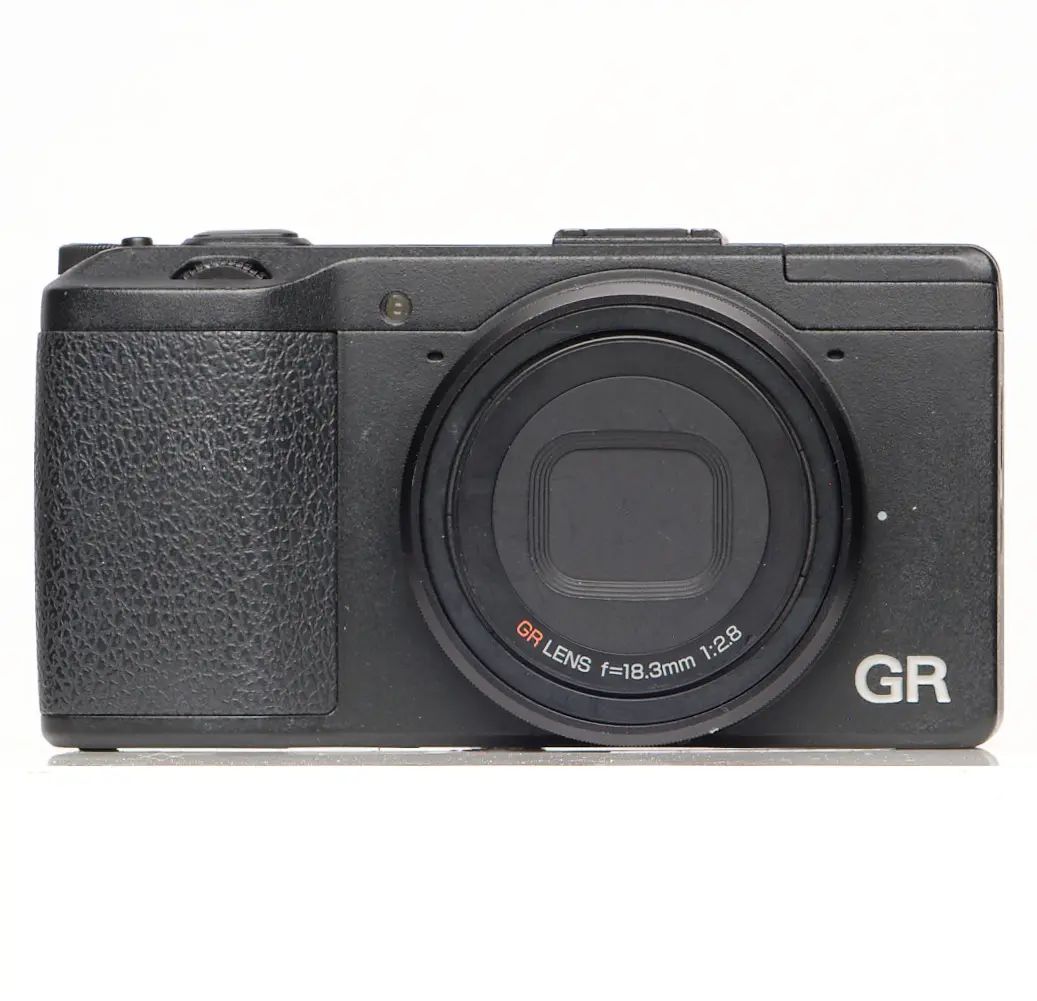
The Contax T2 is a well-known premium compact with a Carl Zeiss lens and a titanium body. Its reputation and collectible status contribute to its price, making condition and functionality especially important when shopping for one.
The Yashica T4 is another sought-after compact, known for its Carl Zeiss Tessar lens and straightforward operation. It’s a strong option for photographers who want a capable fixed-lens camera without a complicated shooting process.
For street and travel photography, the Ricoh GR1 series offers a slim design and a wide-angle lens that suits environmental portraits, everyday scenes, and shooting on the move.
All three have their appeal, but a premium name doesn’t guarantee a better shooting experience. A camera with a clean lens, accurate exposure, reliable film transport, and a working flash is a better buy than a prestigious model with questionable electronics. Buy the camera’s condition, not just its reputation.
Your first film camera should make it easy to get started, not give you another set of problems to solve. Automatic exposure, simple loading, accessible batteries, and clear controls are more useful than a collectible badge.
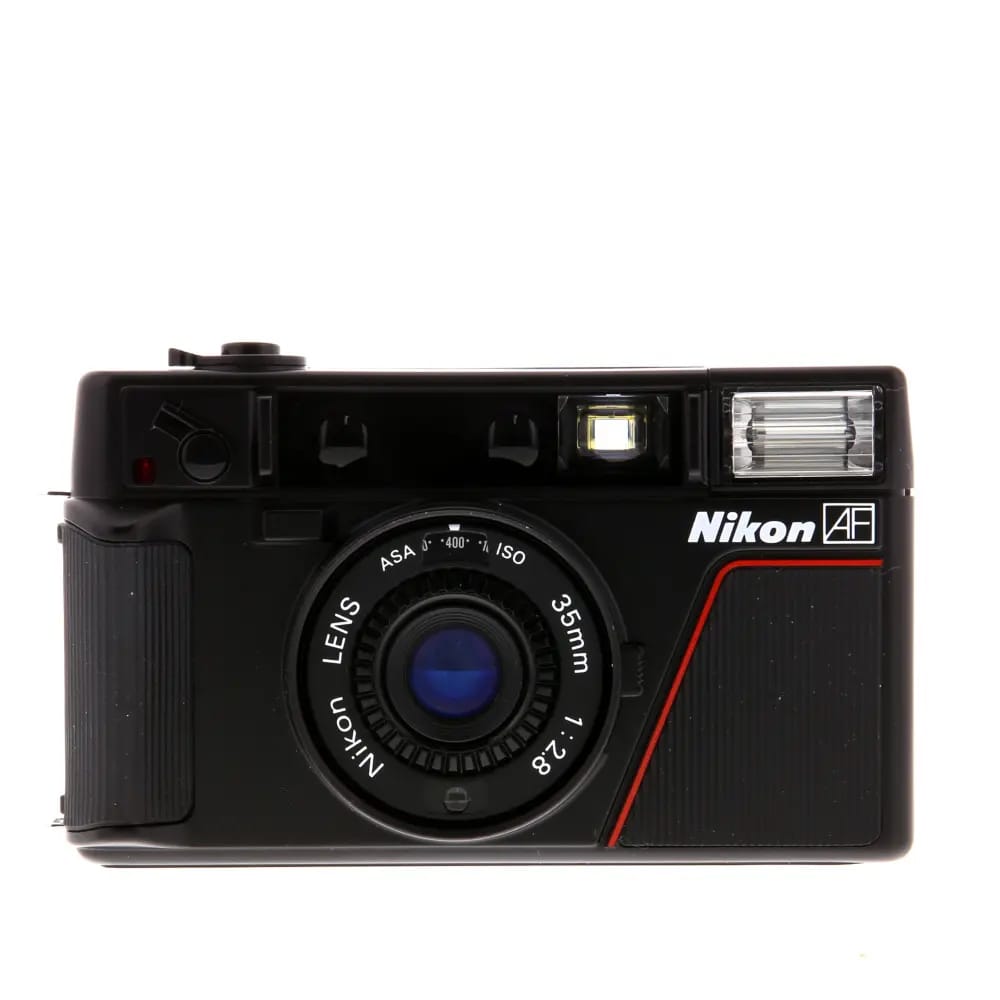
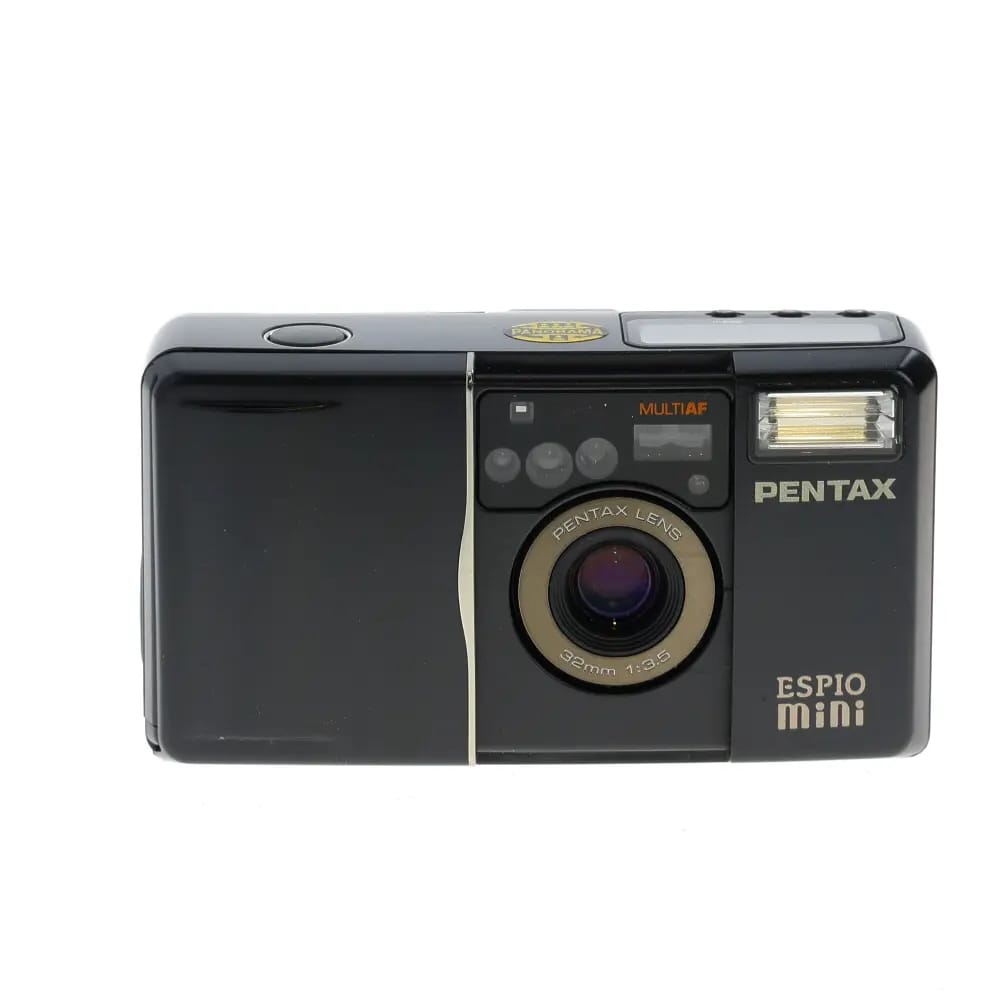
The Nikon L35AF is a classic autofocus compact with a reputation for strong image quality and a capable lens. It remains a popular choice, but these cameras are decades old now. Check the condition carefully, especially the flash, battery compartment, and film-advance mechanism.
The Pentax Espio family is worth exploring if you prefer a compact zoom camera. The range includes models with different zoom ranges and features, giving you flexibility for travel and everyday photography without requiring manual focus or exposure adjustments.
Film choice matters, too. ISO 200 works well outdoors in good light, while ISO 400 gives you more flexibility when the light changes or you need flash. If you’re learning the basics, a roll of ISO 400 color negative film is a practical first choice.
One more tip: don’t start with the rarest camera you can find. Start with one that works, learn what you like about shooting film, and upgrade when you know what you want from your next camera.
Not every pocket film camera relies on autofocus. Some use a simpler focusing system that puts a little more responsibility in your hands.
The Olympus XA2 is a great example. Instead of conventional autofocus, it uses zone focusing, letting you select a focus distance based on your subject’s distance. Once you get comfortable with its settings, you can shoot quickly without waiting for autofocus to lock on.
That makes the XA2 a natural fit for street photography, travel, and candid everyday scenes. Its small size is easy to appreciate, too. You get a compact camera with a more hands-on shooting experience, without stepping up to a full manual rangefinder.
It’s not the right pick if you want the camera to handle every decision. But if you’re willing to learn a simple focusing system, the XA2 offers a different kind of satisfaction than a fully automatic compact.
Forget about finding the single best point-and-shoot for everyone. The right camera depends on what you shoot, where you take it, and how much control you want.
Use this guide to narrow down your options:
Pay attention to batteries before you buy. Many compact cameras use readily available types such as CR123A or CR2, while some older models were designed around mercury batteries that are no longer sold. Depending on the camera, an alternative battery or adapter may be an option. Check the exact requirements rather than assuming a common battery will work.
And don’t overlook the lens. A fast fixed lens can be a real advantage indoors, while a zoom is useful when you can’t move closer to your subject. Neither is automatically better; it comes down to how you shoot.
Vintage film cameras can make excellent everyday companions, but age catches up with electronics, motors, and seals. A camera that looks clean on the outside may still have problems that won’t show up until you load a roll.
Before buying, check for:
Some issues, such as worn light seals, can be repaired fairly easily. Others, including failed electronics, broken zoom mechanisms, and faulty flash components, may be difficult or uneconomical to fix.
This is where buying from a trusted reseller makes a difference. At KEH, camera gear is evaluated and graded using an established condition system, so you have a clearer picture of what you’re buying than you might get from an unverified private listing. Eligible purchases also come with a 180-day warranty, giving you added peace of mind when investing in pre-owned gear. Check the individual listing and KEH’s current policies for the details that apply to your purchase.
Private sellers can offer good deals, but you’ll want to ask more questions. If a seller can’t confirm that the camera advances film, rewinds, exposes correctly, and fires its flash, you’re taking on more risk.
There’s no single winner. For everyday shooting, a reliable Canon Sure Shot, Olympus Stylus, or Minolta Riva/Freedom can be a practical choice. Enthusiasts may prefer a Contax T2, Yashica T4, or Ricoh GR1 for their particular lens and handling characteristics. Condition and price should factor into any decision.
Look for automatic exposure, easy film loading, simple controls, and a working flash. The Nikon L35AF and select Pentax Espio models are worth exploring, depending on whether you prefer a fixed lens or a zoom.
They can be, if you specifically want a camera’s lens, handling, size, or design. But collectible prices aren’t a measure of how well a camera will fit your needs. A less expensive compact can be just as enjoyable to shoot.
Most of the cameras covered here use 35mm film. ISO 200 is a good option for bright conditions, while ISO 400 offers more flexibility for everyday shooting. Always check the film format and ISO recommendations for your specific camera and shooting conditions.
Autofocus systems vary by model. Some use infrared distance measurement, while others rely on different focusing technologies. Certain systems can struggle with glass, reflections, or subjects that are difficult to distinguish from the background. If you’re shooting through a window, check your camera’s focusing system and settings rather than assuming it will lock on correctly.
They can be, but reliability depends on the specific model, its condition, and how it has been maintained. Simple designs may have fewer mechanisms to fail, while electronic and zoom models can be more complicated to repair. No vintage camera is completely risk-free.
The best point-and-shoot film camera isn’t necessarily the rarest or most expensive one. It’s the camera that works reliably, fits your budget, and makes you want to keep shooting.
Whether you’re after a simple everyday compact or a premium camera with a little more character, focus on condition, lens performance, and the features you’ll actually use. Then spend less time chasing hype and more time shooting.
Ready to find your next camera? Browse pre-owned film cameras at KEH to compare options, or sell or trade gear you’re no longer using to put toward your next setup.