You
have no items in your shopping cart.
Best Camera Lenses for 2026: 11 Picks Worth Adding to Your Wishlist
November 19, 2026
1 min read

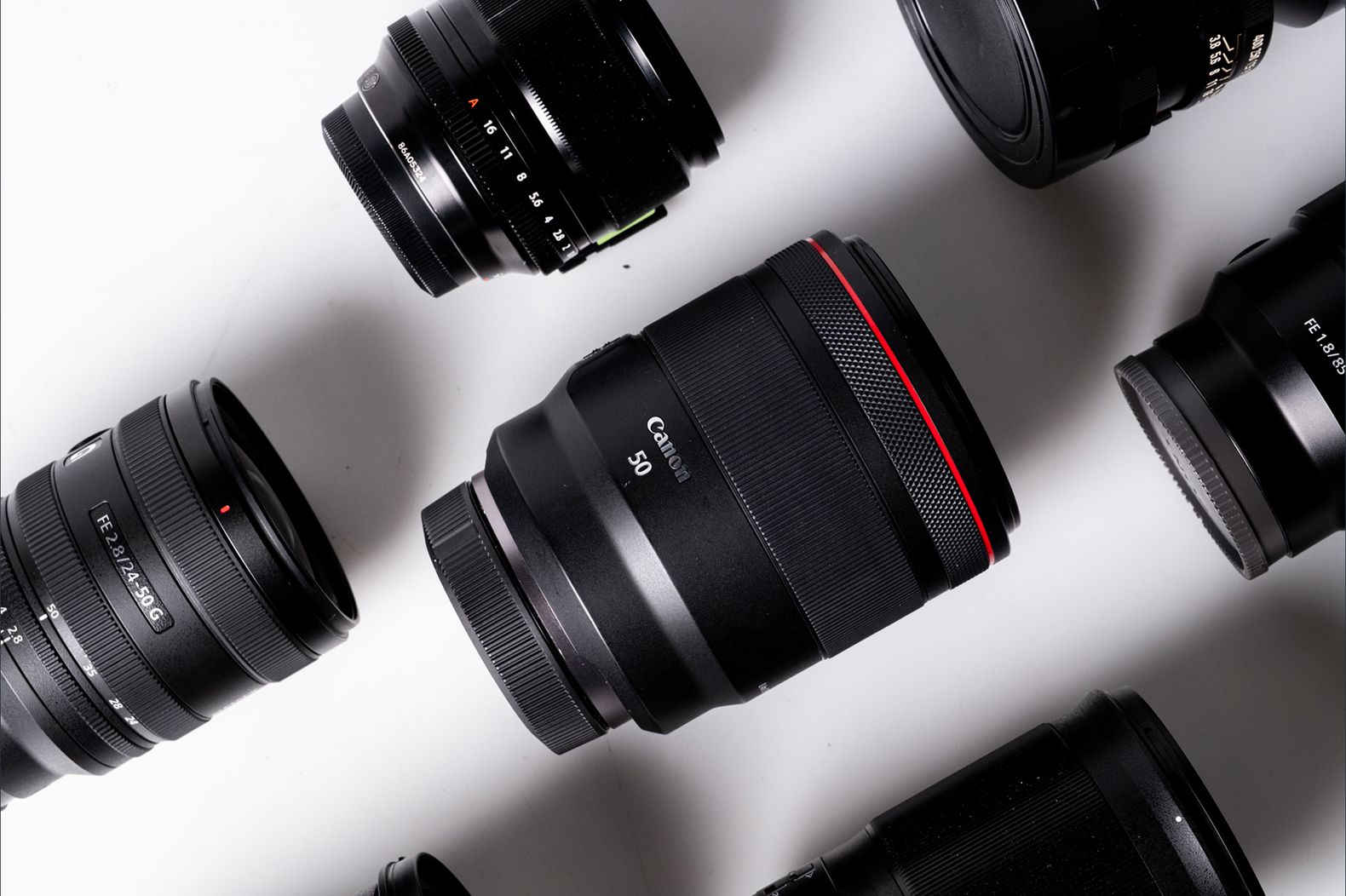
The best camera lens for 2026 isn’t necessarily the newest or most expensive. It’s the one that helps you take the photographs you want to make, whether that means working in low light, getting closer to wildlife, or carrying a more versatile setup when you travel.
This list includes 11 lenses worth considering across Canon RF, Nikon Z, Sony E, Fujifilm X, L-Mount, and Micro Four Thirds systems. Some are professional workhorses; others offer a practical way to add a new focal length or capability without investing in a top-tier lens.
These are recommendations for lenses to buy in 2026, not a list of this year’s new releases. We selected them for their optical performance, practical versatility, system compatibility, and value across different types of photography. Pre-owned availability also matters: a higher-tier lens can be a smarter investment than buying a less capable lens new.
You don’t need all 11. Start with your camera system, identify what’s missing from your current kit, and choose accordingly.
| Lens | Best for | Camera system | Standout feature |
| Canon RF 24-70mm f/2.8L IS USM | Events and everyday photography | Canon RF | Constant f/2.8 aperture and optical stabilization |
| Nikon NIKKOR Z 24-120mm f/4 S | Travel | Nikon Z | Extended zoom range |
| Sony FE 24-70mm f/2.8 GM II | Professional everyday use | Sony E | High-end autofocus and optical performance |
| Sigma 18-50mm f/2.8 DC DN Contemporary | Lightweight travel | Sony E, Fujifilm X, Canon RF, L-Mount* | Compact constant-aperture zoom |
| OM SYSTEM M.Zuiko 12-40mm f/2.8 PRO II | Outdoor and documentary photography | Micro Four Thirds | Versatile range and weather-resistant construction |
| Canon RF 85mm f/2 Macro IS STM | Portraits and close-ups | Canon RF | Half-macro magnification and stabilization |
| Nikon NIKKOR Z 50mm f/1.8 S | Everyday photography | Nikon Z | Fast aperture and versatile perspective |
| Sony FE 85mm f/1.4 GM II | Portraits | Sony E | Fast aperture and refined autofocus |
| Fujifilm XF 10-24mm f/4 R OIS WR | Landscapes and architecture | Fujifilm X | Ultra-wide zoom range and stabilization |
| Nikon NIKKOR Z 180-600mm f/5.6-6.3 VR | Wildlife and sports | Nikon Z | Extensive telephoto reach |
| Sony FE 100-400mm f/4.5-5.6 GM OSS | Wildlife and sports | Sony E | Long reach in a relatively manageable zoom |
The Sigma is an APS-C lens. Its L-Mount version does not provide full-frame image coverage; check your camera’s crop-mode options before buying.
Use your camera’s lens mount as the first filter. A lens that fits physically isn’t necessarily compatible with every camera feature, and sensor coverage matters just as much as the mount.
Zoom lenses are practical when your subjects and shooting distances change quickly. They’re useful for travel, events, family photography, and everyday work where changing lenses isn’t always convenient.
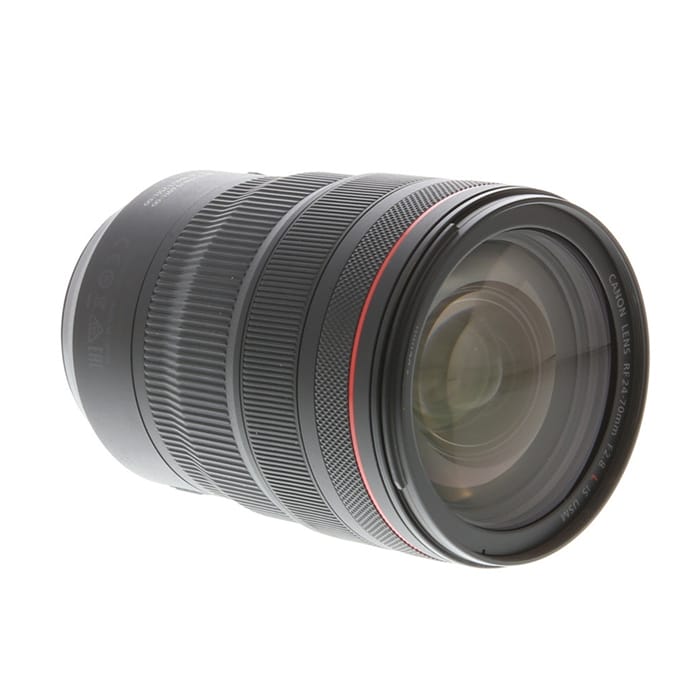
The Canon RF 24-70mm f/2.8L IS USM is a versatile standard zoom for photographers who need one lens to handle a wide range of assignments. Its focal range covers environmental portraits, group photos, tighter compositions, and everyday details.
The constant f/2.8 aperture provides consistent low-light flexibility throughout the zoom range. Optical image stabilization is another advantage for handheld shooting, particularly when photographing stationary subjects at slower shutter speeds.
Who should consider it: Canon RF photographers who regularly shoot events, portraits, or commercial work and want a dependable standard zoom.
The trade-off: It’s relatively large, heavy, and expensive. If you prioritize a lighter travel setup over low-light performance, a slower standard zoom may be a better fit. The f/2.8L is the more capable choice when you need the extra light and subject separation.
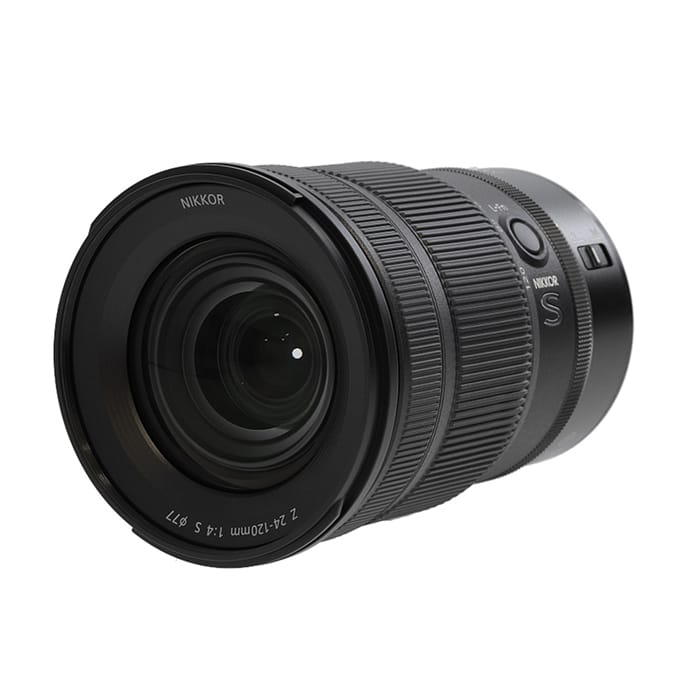
For Nikon Z photographers who prefer to travel with fewer lenses, the NIKKOR Z 24-120mm f/4 S offers a particularly useful focal range. The wide end handles landscapes, architecture, and environmental portraits, while the extra reach makes it easier to capture distant details and candid moments.
Its constant f/4 aperture and S-Line optical design make it a strong everyday option without the size and cost of a professional f/2.8 zoom.
Who should consider it: Travel photographers and everyday shooters who value focal-length flexibility over having the widest possible aperture.
The trade-off: The f/4 aperture isn’t as well suited to very low-light situations as an f/2.8 zoom or fast prime. Compared with a 24-70mm lens, however, the 24-120mm gives you considerably more reach without adding another lens to your bag.
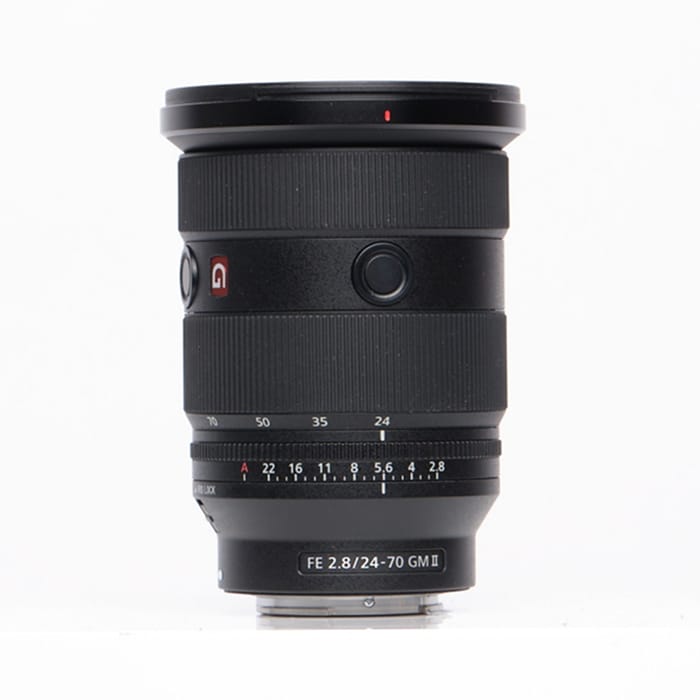
A high-performance standard zoom can be one of the most frequently used lenses in a photographer’s bag. The Sony FE 24-70mm f/2.8 GM II is designed for photographers who need consistent performance across portraits, events, travel, and commercial assignments.
Its constant f/2.8 aperture provides flexibility when available light is limited, while its advanced autofocus system makes it well suited to changing subjects and fast-moving moments. It’s also notably lighter than many professional 24-70mm f/2.8 zooms.
Who should consider it: Sony full-frame photographers who rely on a standard zoom for professional work and want a high-performance option.
The trade-off: This lens doesn’t have built-in optical image stabilization. Compatible Sony bodies with in-body image stabilization can help compensate. If you’re choosing between this and a slower standard zoom, prioritize the GM II when aperture and autofocus performance matter more than cost.
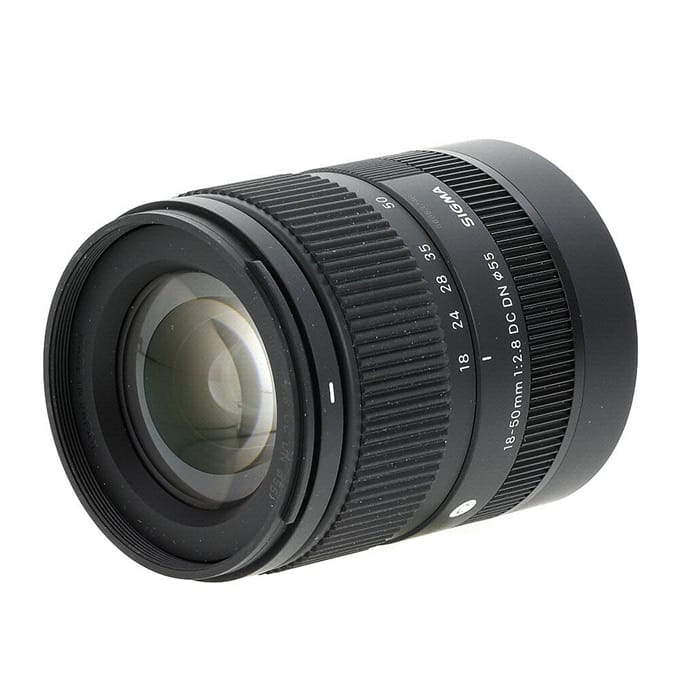
Not every photographer needs a large, professional-grade zoom. The Sigma 18-50mm f/2.8 DC DN Contemporary offers a compact alternative for APS-C photographers who want a versatile everyday lens.
Its 18-50mm range provides approximately a 27-75mm full-frame equivalent field of view, making it useful for street photography, travel, portraits, and everyday moments. The constant f/2.8 aperture also gives photographers more low-light flexibility than a typical variable-aperture kit zoom.
Who should consider it: APS-C photographers who want a lightweight standard zoom without giving up a constant f/2.8 aperture.
The trade-off: This is an APS-C lens, not a full-frame upgrade simply because a compatible mount version exists. On full-frame Sony E or L-Mount bodies, you’ll need to account for the crop or potential vignetting. It also lacks optical stabilization, so check whether your camera body offers in-body stabilization.
For photographers who want a compact everyday lens, this is a strong alternative to carrying a larger full-frame standard zoom.
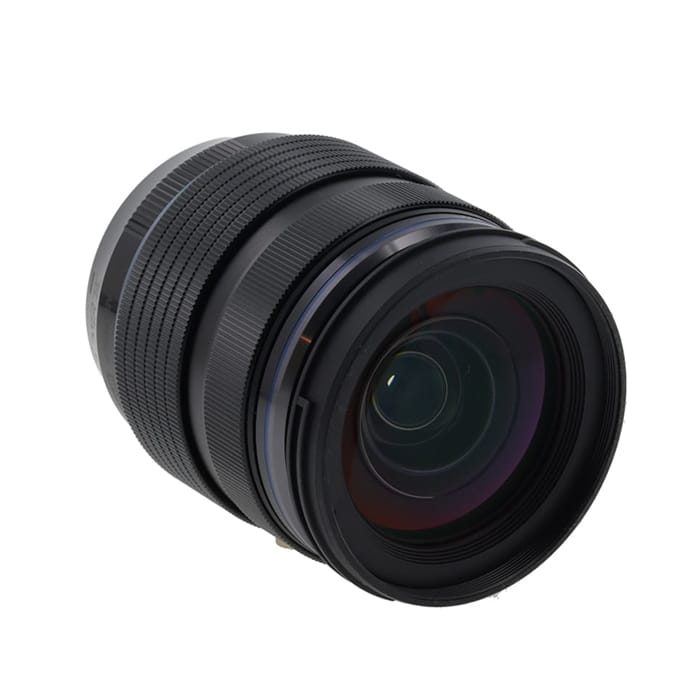
Micro Four Thirds remains a practical system for photographers who prioritize portability. The OM SYSTEM M.Zuiko Digital ED 12-40mm f/2.8 PRO II offers a 24-80mm full-frame equivalent field of view, covering a useful range of everyday photography.
Its constant f/2.8 aperture makes it adaptable to changing lighting conditions, while its IP53-rated weather sealing adds protection against dust, splashes, and freezing conditions when used within the manufacturer’s guidelines.
Who should consider it: Micro Four Thirds photographers who want a versatile, professional-grade zoom for travel, landscapes, and everyday shooting.
The trade-off: The smaller sensor format has different depth-of-field characteristics than full-frame systems. If you want a lighter, slower standard zoom, the M.Zuiko 12-45mm f/4 PRO is another option. Choose the 12-40mm when the wider aperture and additional versatility matter more.
Prime lenses have a fixed focal length. That limitation can be an advantage: primes often offer wider maximum apertures, giving you more control over depth of field and additional flexibility in low-light environments.
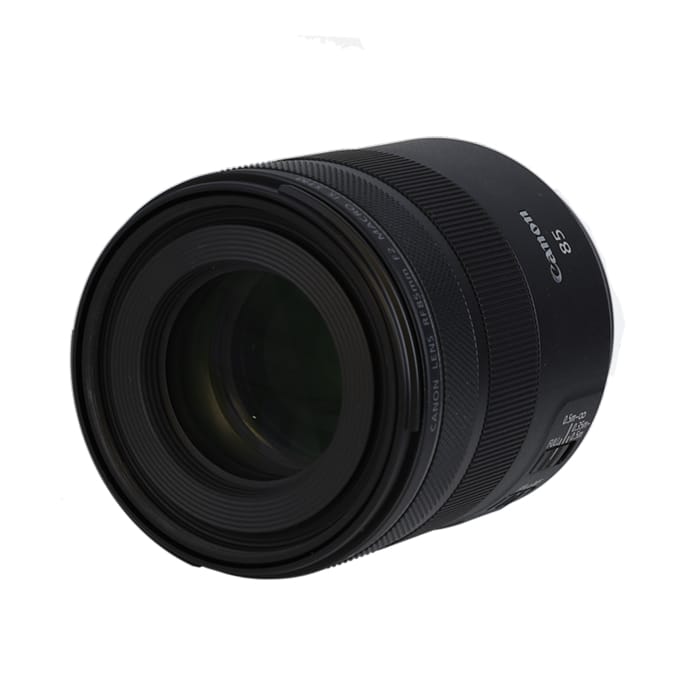
The Canon RF 85mm f/2 Macro IS STM offers more versatility than its portrait-oriented focal length might suggest. Its 85mm perspective is well suited to portraits, while its close-focusing capabilities make it useful for photographing smaller subjects and details.
The 0.5x maximum magnification opens up additional possibilities for photographing food, jewelry, flowers, and other close-up subjects. Optical image stabilization is another advantage for handheld shooting.
Who should consider it: Canon RF photographers who want a dedicated portrait lens that can also handle close-up photography.
The trade-off: Its f/2 aperture isn’t as fast as an f/1.4 or f/1.2 portrait prime. But if you want a more affordable, versatile alternative to Canon’s higher-end 85mm lenses, the macro capability and stabilization make this a practical choice.
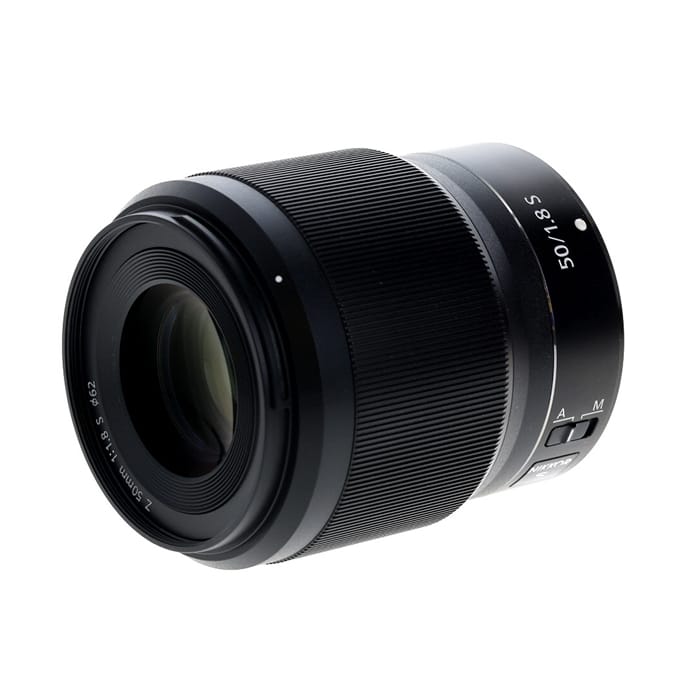
A 50mm prime is one of the most versatile focal lengths for everyday photography. It works well for portraits, street photography, details, and environmental scenes without feeling too specialized.
The Nikon NIKKOR Z 50mm f/1.8 S combines that flexibility with a bright f/1.8 aperture, making it useful when photographing indoors or working with available light. Its S-Line optical design also makes it a strong choice for photographers who prioritize image quality.
Who should consider it: Nikon Z photographers looking for a versatile prime for everyday shooting, portraits, and lower-light environments.
The trade-off: A fixed focal length requires you to move to adjust your composition. If portability is your main concern, the smaller NIKKOR Z 40mm f/2 is worth comparing. Choose the 50mm f/1.8 S when you want the more traditional standard-prime perspective and S-Line construction.
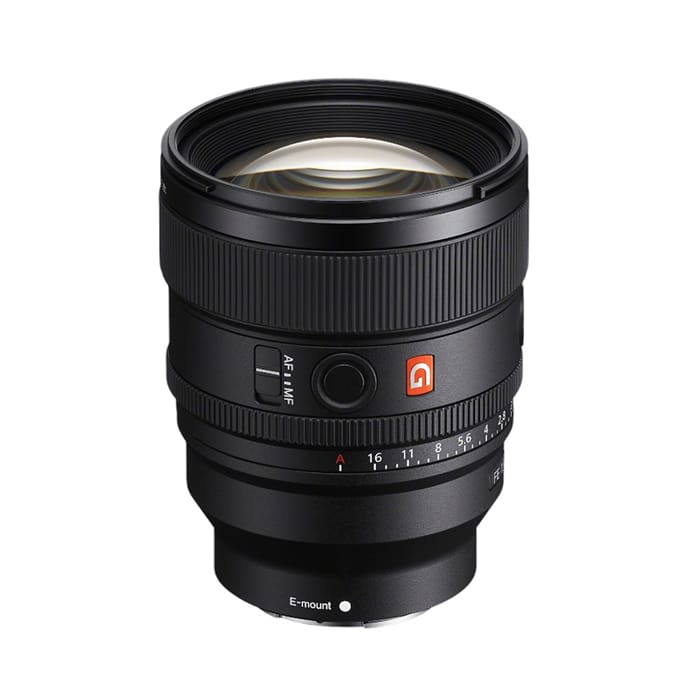
For photographers who prioritize portraiture, the Sony FE 85mm f/1.4 GM II offers the combination of focal length and aperture that makes this category so popular.
The 85mm perspective provides a comfortable working distance for portraits, while the f/1.4 aperture allows for substantial background separation. Its updated autofocus system and refined optical design make it a compelling option for portrait, wedding, and fashion photographers.
Who should consider it: Sony full-frame photographers who regularly shoot portraits, fashion, weddings, or other people-focused assignments.
The trade-off: An f/1.4 lens isn’t necessary for every portrait photographer. The Sony FE 85mm f/1.8 is a less expensive, lighter alternative. Choose the GM II when you want the wider aperture and higher-end optical and autofocus performance.
Wide-angle lenses capture more of a scene, making them useful for landscape photography, architecture, interiors, and travel. They’re particularly valuable when you want to emphasize foreground elements or photograph in spaces where stepping farther back isn’t an option.
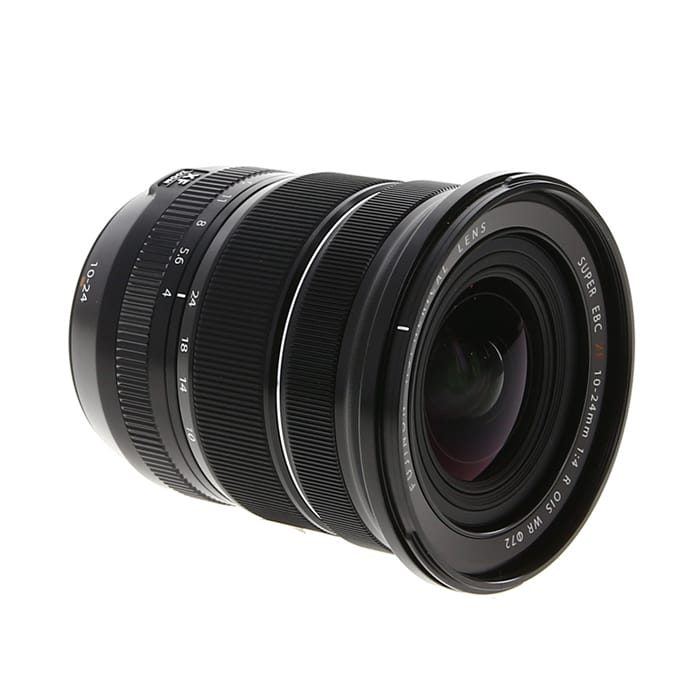
The Fujifilm XF 10-24mm f/4 R OIS WR provides a 15-36mm full-frame equivalent field of view, giving photographers plenty of flexibility for expansive scenes and tighter compositions.
It’s particularly useful for travel and landscape photography, where changing your framing without switching lenses can make a significant difference. Optical image stabilization also helps when photographing static subjects handheld.
Who should consider it: Fujifilm X photographers who frequently photograph landscapes, architecture, interiors, and travel scenes.
The trade-off: Its constant f/4 aperture isn’t ideal for every low-light situation. Stabilization helps reduce camera shake when photographing stationary subjects, but it won’t freeze movement. If you regularly photograph at night or shoot astrophotography, a faster wide-angle prime or the XF 8-16mm f/2.8 may be a better fit.
When your subjects are too far away for a standard zoom, a telephoto lens gives you the reach to capture details without physically moving closer. These lenses are especially useful for wildlife, birds, outdoor sports, and other situations where distance is unavoidable.
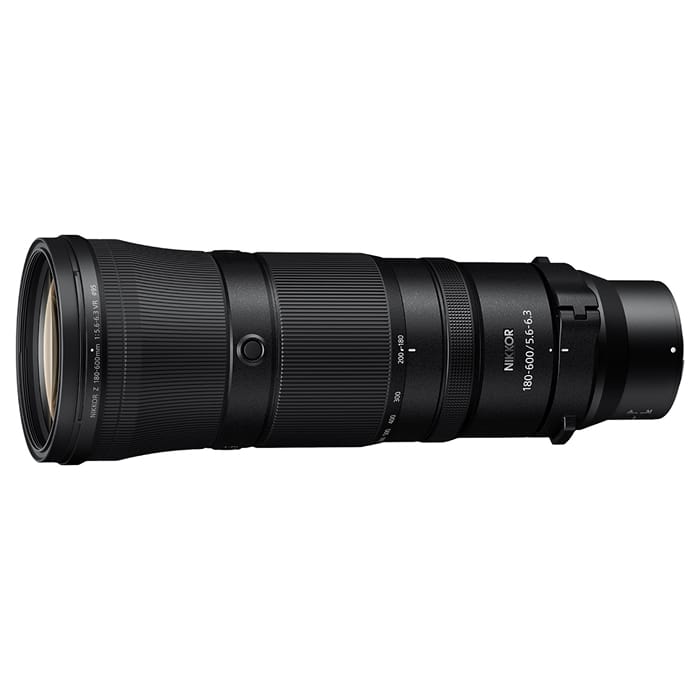
For wildlife photographers, reach can make all the difference. The Nikon NIKKOR Z 180-600mm f/5.6-6.3 VR provides an extensive focal range for photographing distant animals, birds, and outdoor sporting events.
Its zoom range gives photographers flexibility when subjects move closer or farther away, while vibration reduction helps reduce camera shake. The internal zoom design also keeps the lens’s overall length consistent as you change focal lengths.
Who should consider it: Nikon Z photographers who regularly photograph distant wildlife, birds, or field sports and need substantial telephoto reach.
The trade-off: This is a substantial lens, and its variable aperture means less available light at the long end of the zoom range. If you don’t need 600mm, a shorter telephoto zoom will generally be easier to carry. If you do, the reach is difficult to replace with a standard telephoto.
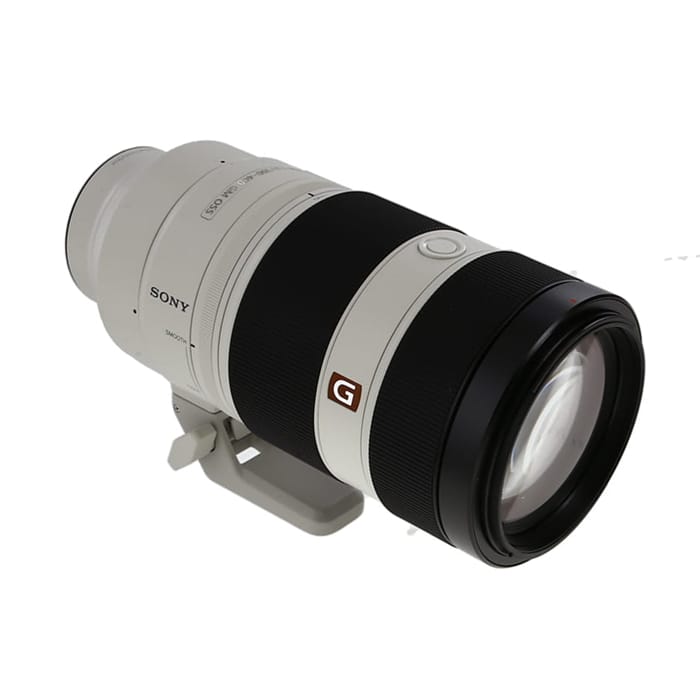
The Sony FE 100-400mm f/4.5-5.6 GM OSS offers a useful balance of reach and portability for photographers who need more than a standard telephoto zoom.
Its 100-400mm range makes it adaptable to wildlife, outdoor sports, and distant landscape details. Optical SteadyShot stabilization also helps when photographing handheld at longer focal lengths.
Who should consider it: Sony E photographers who need more reach but don’t want to carry a larger super-telephoto lens.
The trade-off: The variable f/4.5-5.6 aperture limits low-light flexibility, particularly at 400mm. Sony introduced a newer FE 100-400mm F4.5 GM OSS in 2026 with a constant f/4.5 aperture and updated autofocus. That newer lens is a separate, more expensive option. The original f/4.5-5.6 version remains worth considering if you prioritize a lighter setup and pre-owned value.
Neither type is automatically better. The right choice depends on your photography style, working conditions, and how much framing flexibility you need.
| Consideration | Prime lenses | Zoom lenses |
| Focal length | Fixed | Adjustable within a range |
| Maximum aperture | Often wider | Varies by lens |
| Low-light flexibility | Often excellent | Depends on maximum aperture |
| Composition | Requires repositioning | Adjust framing without changing position |
| Portability | Often compact, though not always | Can be larger and heavier |
| Best for | Portraits, low light, and intentional composition | Travel, events, and everyday versatility |
Choose a prime lens if you frequently photograph in low light, want more control over depth of field, or tend to work at a particular focal length.
Choose a zoom lens if you photograph different subjects and distances, travel frequently, or need to adjust framing quickly without changing lenses.
A combination of both is often the most practical solution. A standard zoom can handle everyday shooting, while a dedicated prime adds low-light flexibility or a specialized portrait perspective.
Before buying, narrow your options using these five considerations:
A new lens isn’t always necessary to get the performance you’re looking for. Buying pre-owned can make higher-end optics more accessible, allowing you to invest in a better focal length, wider aperture, or specialized lens without paying full retail.
That can change what makes sense for your kit. A pre-owned professional zoom may offer more useful features than a new entry-level lens, while a pre-owned portrait prime can make a wider aperture more attainable.
Condition matters, of course. Cosmetic wear and functional performance aren’t the same thing, so look for clear information about the lens’s condition, operation, and any disclosed imperfections.
At KEH, camera gear goes through a detailed inspection and grading process. KEH Certified™ pre-owned equipment is inspected, graded, tested, cleaned, and restored as needed. That gives photographers more information about the gear they’re considering, backed by decades of camera equipment experience.
The goal isn’t to buy the most expensive lens you can afford. It’s to find the right tool for the work you want to do—and get the most from your gear budget.
For many photographers, a standard zoom such as a 24-70mm or 24-120mm is one of the most versatile lenses to own. These ranges cover everything from wider environmental shots to tighter portraits. A 35mm or 50mm prime is another practical everyday option.
Start with a lens that complements the camera and the photography you already do. A standard zoom offers flexibility across different subjects and distances, while a 35mm or 50mm prime is a good choice if you want a simpler setup and a wider aperture.
Lenses with wider maximum apertures, such as f/1.4, f/1.8, or f/2.8, are generally better suited to low-light photography. Fast primes are particularly useful, although a constant-aperture f/2.8 zoom can also offer considerable flexibility. For moving subjects, a sufficiently fast shutter speed remains essential.
Yes. Pre-owned lenses can make higher-end optics and specialized focal lengths more accessible. The important part is understanding the lens’s condition and purchasing from a seller with a clear inspection and grading process.
Start by checking the lens mount and your camera’s mount. Then confirm sensor coverage, autofocus support, and electronic communication between the lens and camera body. If you’re using an adapter, research any limitations before purchasing.
Not necessarily. An f/2.8 aperture provides more light than an f/4 lens, but a faster prime can offer even more flexibility. Stabilization can help when photographing stationary subjects. For moving people or animals, however, a sufficiently fast shutter speed is essential.
The right lens should make it easier to capture the photographs you have in mind. Whether you’re looking for a versatile everyday zoom, a dedicated portrait prime, or the reach to photograph distant wildlife, focus on the features that will make the biggest difference to your photography.
Building a better camera kit doesn’t mean buying everything new. KEH offers a wide selection of KEH Certified™ pre-owned camera lenses across leading brands and camera systems, giving you more ways to find the right equipment for your next creative project.
Explore camera lenses at KEH and find your next favorite piece of gear.