You
have no items in your shopping cart.
Fashion Week Through the Lens: Camera Gear for Editorial & Street Style Photography
September 15, 2026
1 min read

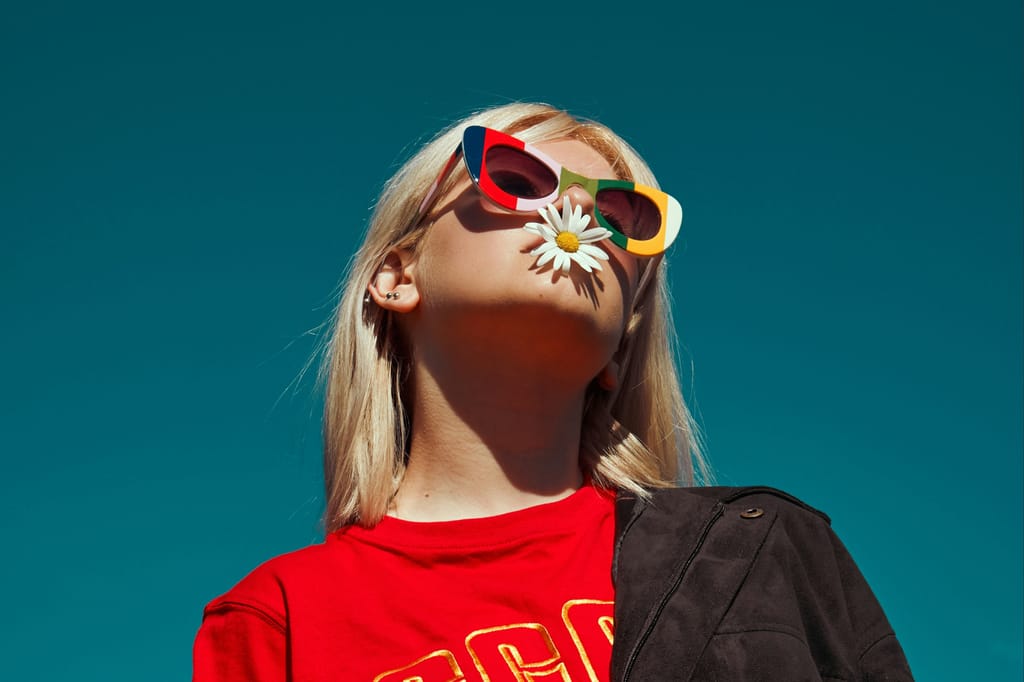
Fashion Week is not just a runway moment. It spills onto the streets outside venues, into hotel lobbies, restaurants, after-events, and all the places where personal style comes to life. For aspiring fashion photographers, it’s a great opportunity to practice street-style photography, work quickly, experiment with composition and light, gain real-world experience, and build a fashion photography portfolio. And you don’t need the newest or most expensive gear to get started.
At KEH, we think choosing fashion photography gear is less about finding one “perfect” camera and more about finding the setup that works for you. Maybe you’re looking for editorial photography gear that can handle a planned shoot, a nimble street style camera setup you can carry all day, or a film camera for fashion photography that slows you down and changes the way you see. Whatever your style, the right gear should help you spend less time thinking about your equipment and more time making photographs.
The best camera and lens for fashion photography depends on what you’re actually photographing. Runway movement, polished editorial portraits, candid street style, and backstage moments can all call for something a little different. A strong setup might start with a reliable digital camera for fashion photography, dependable autofocus, comfortable handling, and a lens that gives you room to react when the moment changes.
For many photographers, that could mean a mirrorless or DSLR body paired with a versatile 24-70mm f/2.8, or a portrait-friendly prime like a 50mm, 85mm, or 135mm. But there isn’t one magic combination. When an outfit, pose, and patch of great light come together for two seconds, the best camera is the one you already know how to use.
When photographers ask us, “What camera do fashion photographers use?” we turn the question around: What kind of fashion photographer are you becoming? A runway shooter may value subject tracking and burst rate. An editorial photographer may care more about resolution, color, tethering options, and lens character. A street style photographer may want something compact that doesn’t feel like a production rig when they’re weaving through a crowd.
Fashion photography is all about timing. A model turns at the end of the runway. A coat catches the wind. Someone steps into a perfect patch of afternoon light outside a show. Camera specs matter because they can make it easier to be ready for those moments.
Here are a few features worth paying attention to:
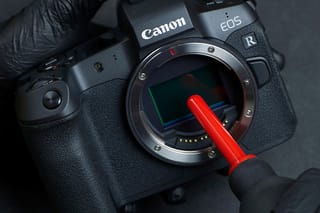
Beginner-friendly doesn’t have to mean basic. A pre-owned Canon EOS R is a capable camera that gives an aspiring fashion photographer room to grow. The goal isn’t to buy every spec on the checklist. It’s to choose a gear you’ll actually enjoy taking out and shooting.
A digital camera for fashion photography gives you speed, instant review, flexible editing files, and easy delivery. That’s a big reason digital is often the practical choice for Fashion Week, especially when you’re learning to photograph it in constantly changing conditions.
For runway, a full-frame or APS-C mirrorless body with strong autofocus and a 70-200mm f/2.8-style lens can help you frame full-length looks from a fixed position. If you’re closer to the runway or working backstage, a 24-70mm f/2.8 gives you more flexibility for everything from full outfits to tighter details. You may not need both right away, but the classic zoom pairing is popular for a reason: it covers a lot of ground without requiring constant lens changes.
For editorial work, your kit can slow down a little. A fashion photography camera for studio or location portraits doesn’t always need the fastest burst rate. You might care more about resolution, dynamic range, color, and lenses that match your look. A 50mm or 85mm prime can create clean portraits, while a 35mm can bring more of the environment and styling into the frame.
For street style photography, smaller can be better. The best camera for street style photography is often the one you can carry for hours, raise quickly, and use without making every interaction feel like a production. A compact mirrorless or fixed-lens camera paired with a 35mm- or 50mm-equivalent lens can give you the flexibility to move through Fashion Week crowds without weighing down your setup.
Here are a few digital gear combinations we recommend as starting points for Fashion Week photography. None is the one universal “best,” but each brings something different to the table.
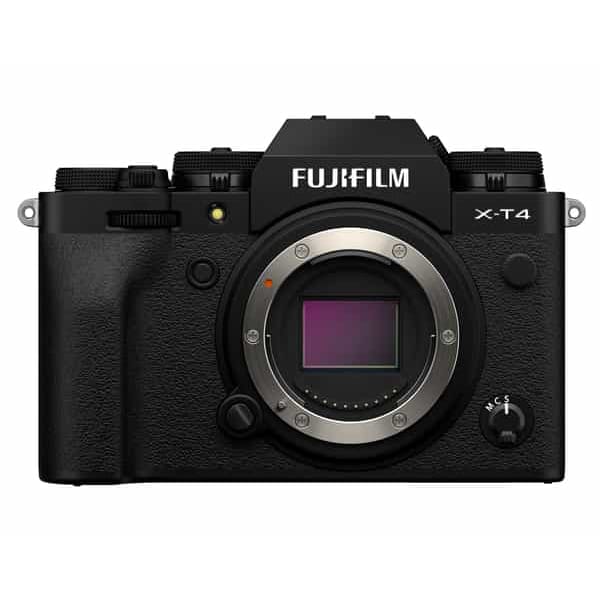
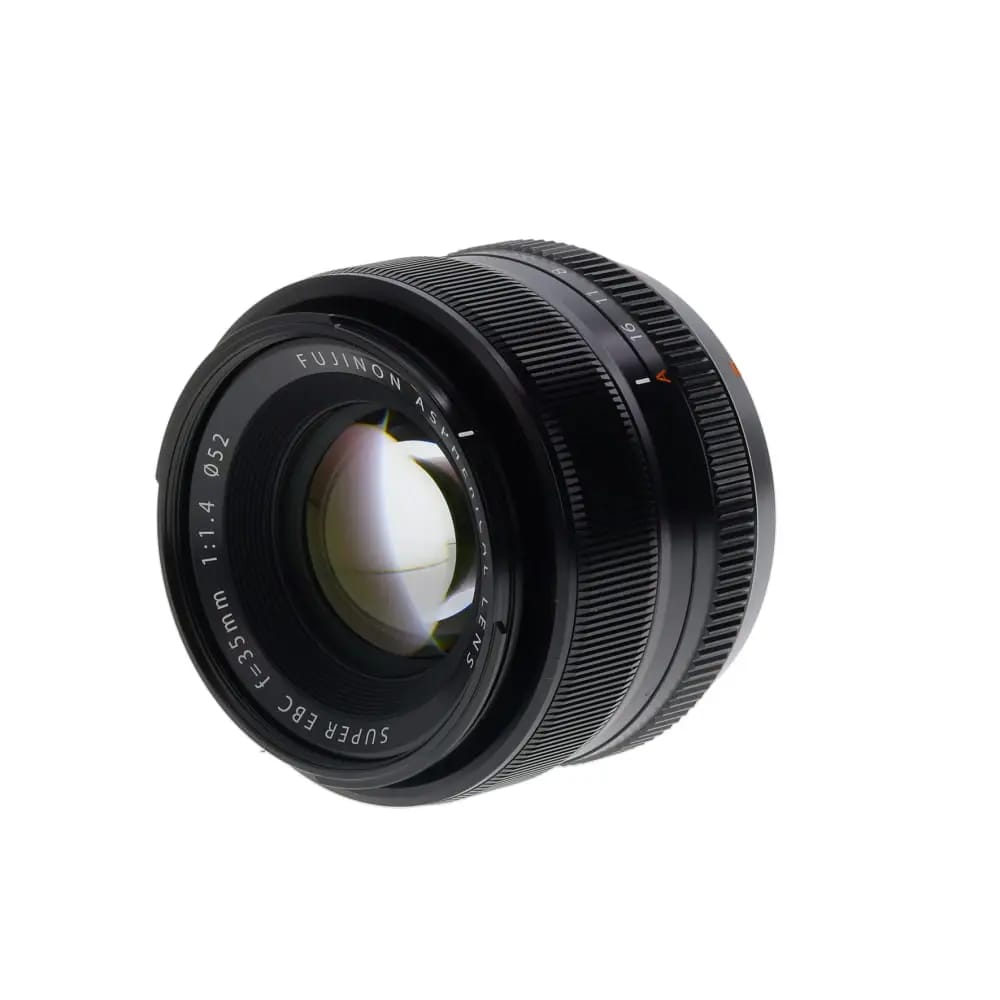
This is a compact, fast, all-day street style setup for photographers who want to keep their kit simple and stay mobile. The 35mm-equivalent view feels natural for candid looks, while the wide aperture comes in handy in shade, indoors, or during golden hour. You also get enough of the surroundings to give the outfit some context.
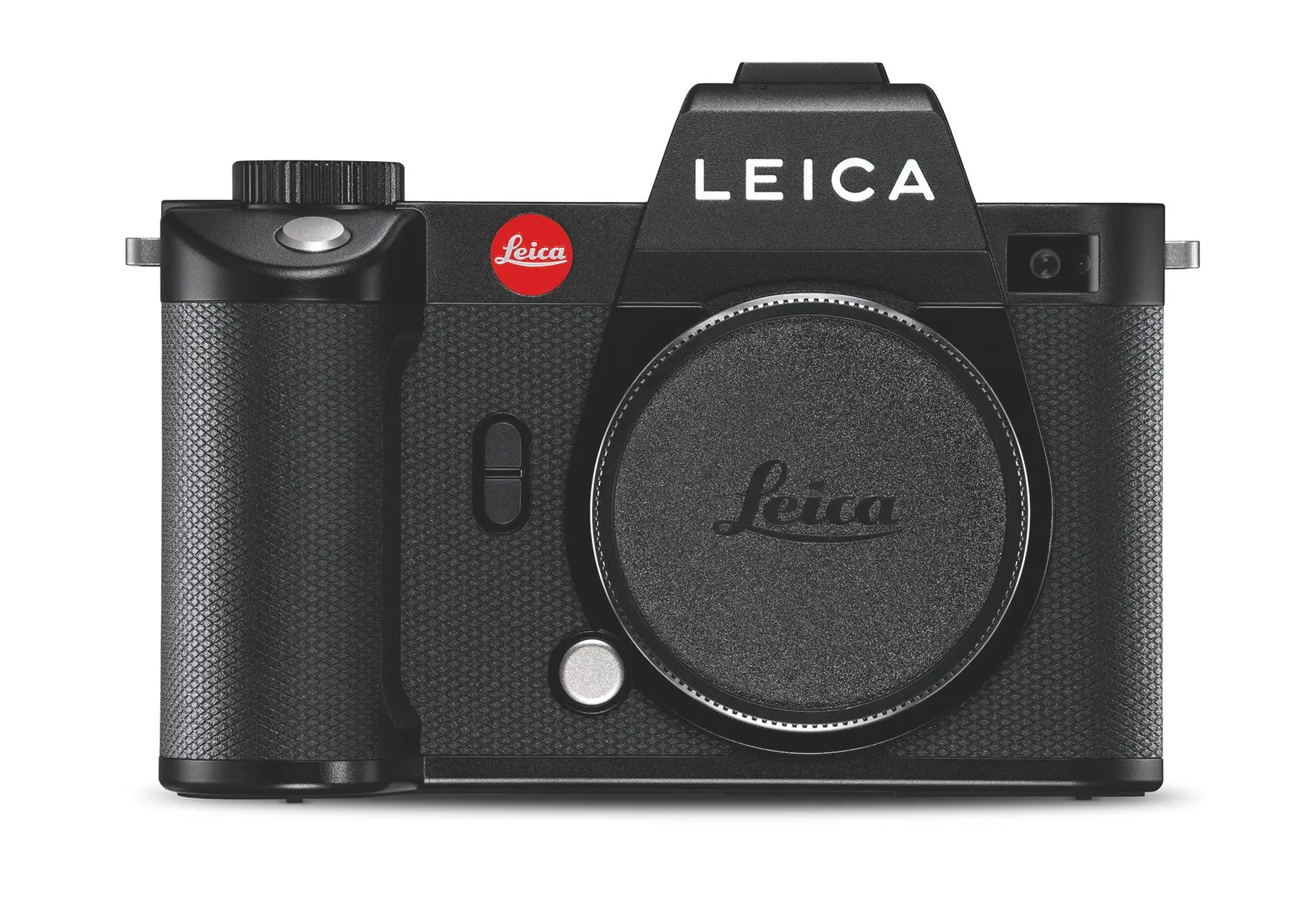
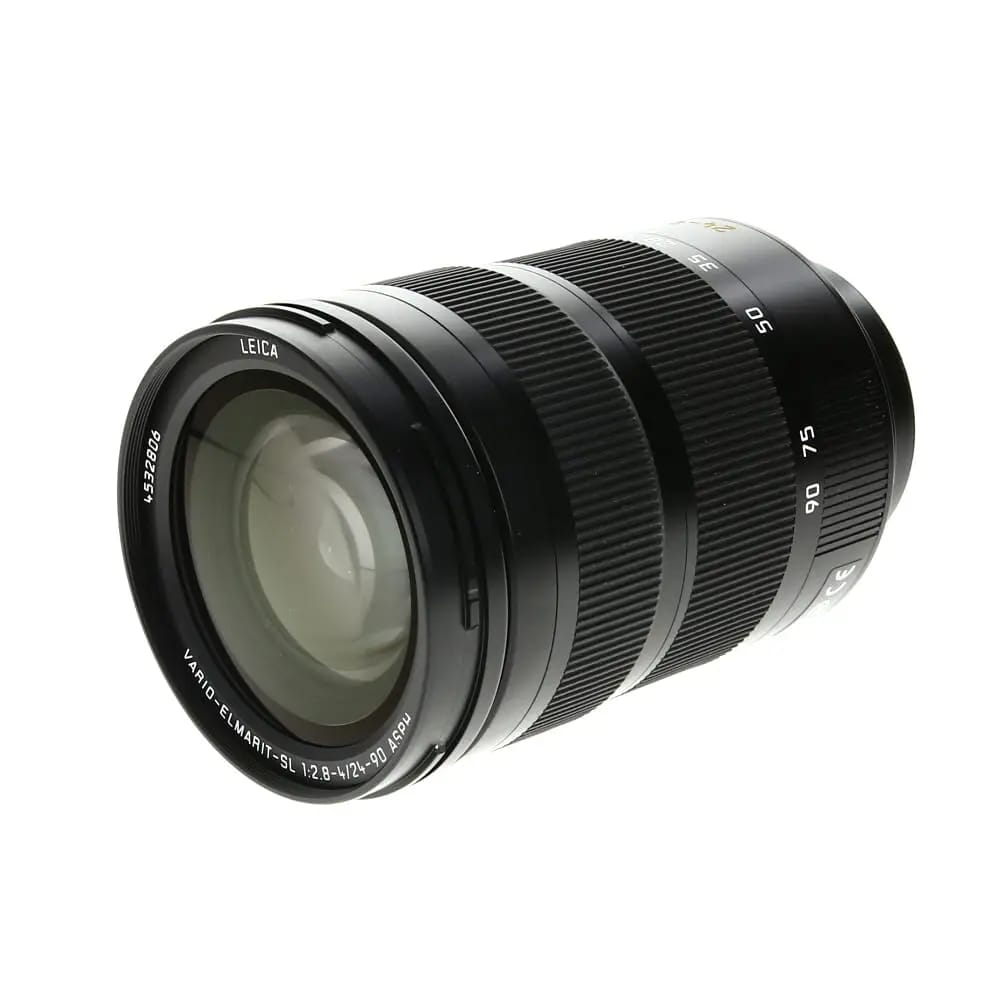
If you want one camera that can move from street style to backstage to quick portraits, this is a versatile editorial pairing. The zoom range lets you change your framing without swapping lenses in a crowded situation, which can make a real difference when the energy is high and the moment doesn’t wait.
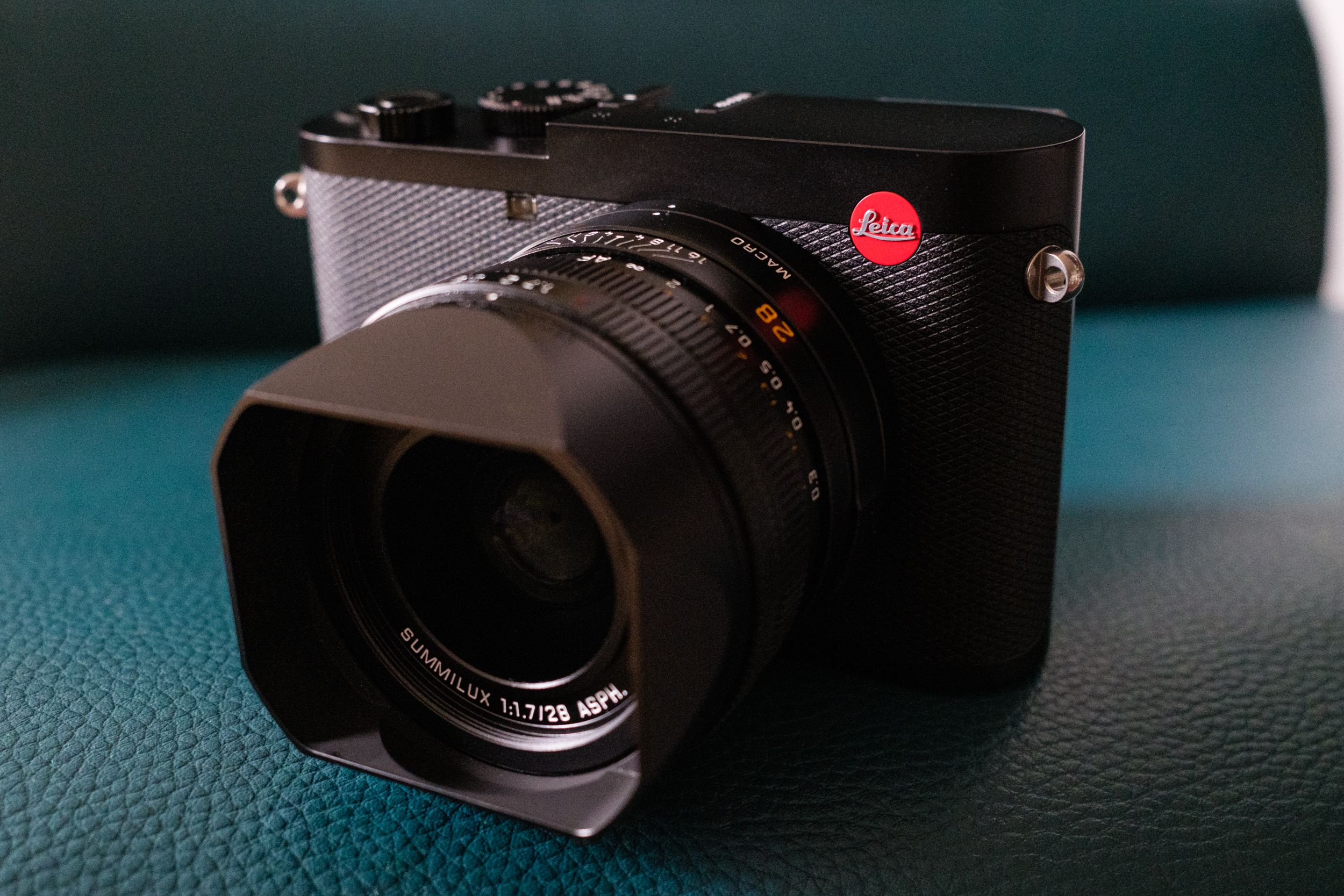
For a discreet, documentary-style approach, the Q2 is a strong fixed-lens option built around a 28mm perspective. It’s a good fit if you like working close, capturing full looks with context, and telling the story of where a look exists rather than isolating it from its surroundings.
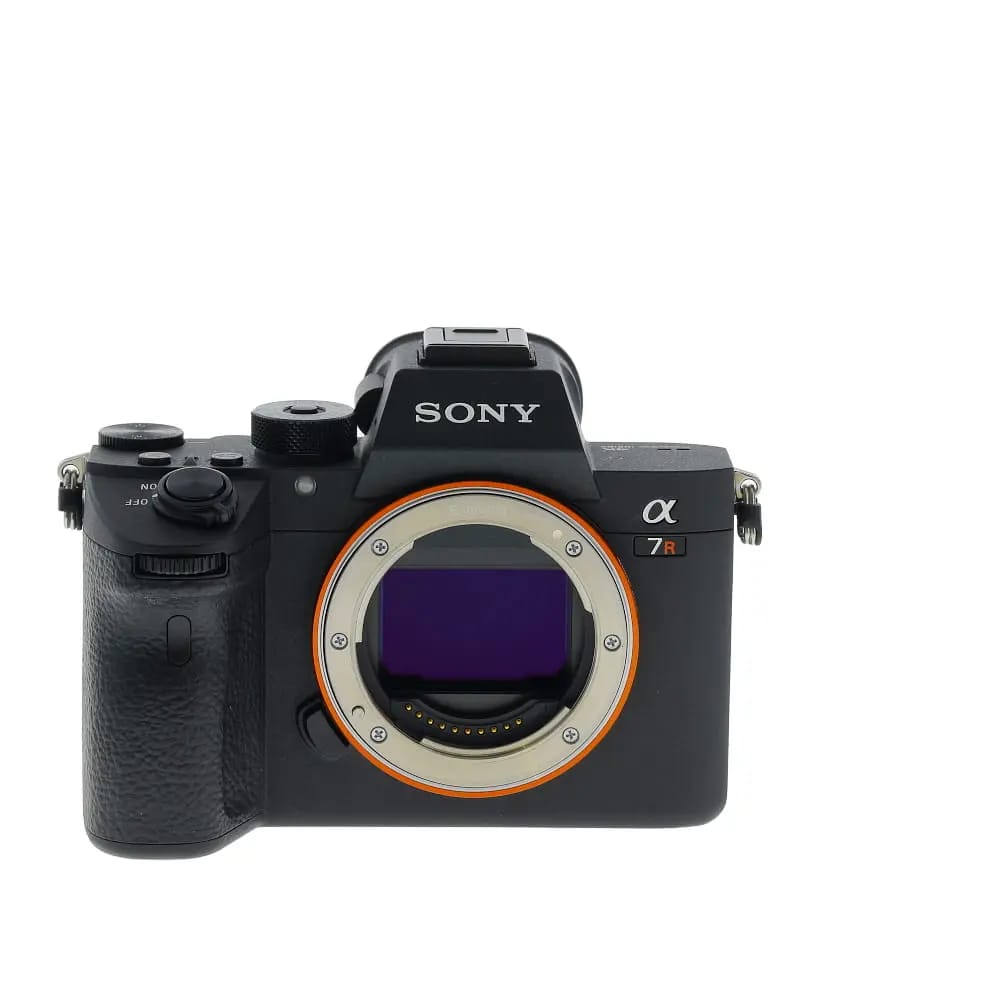
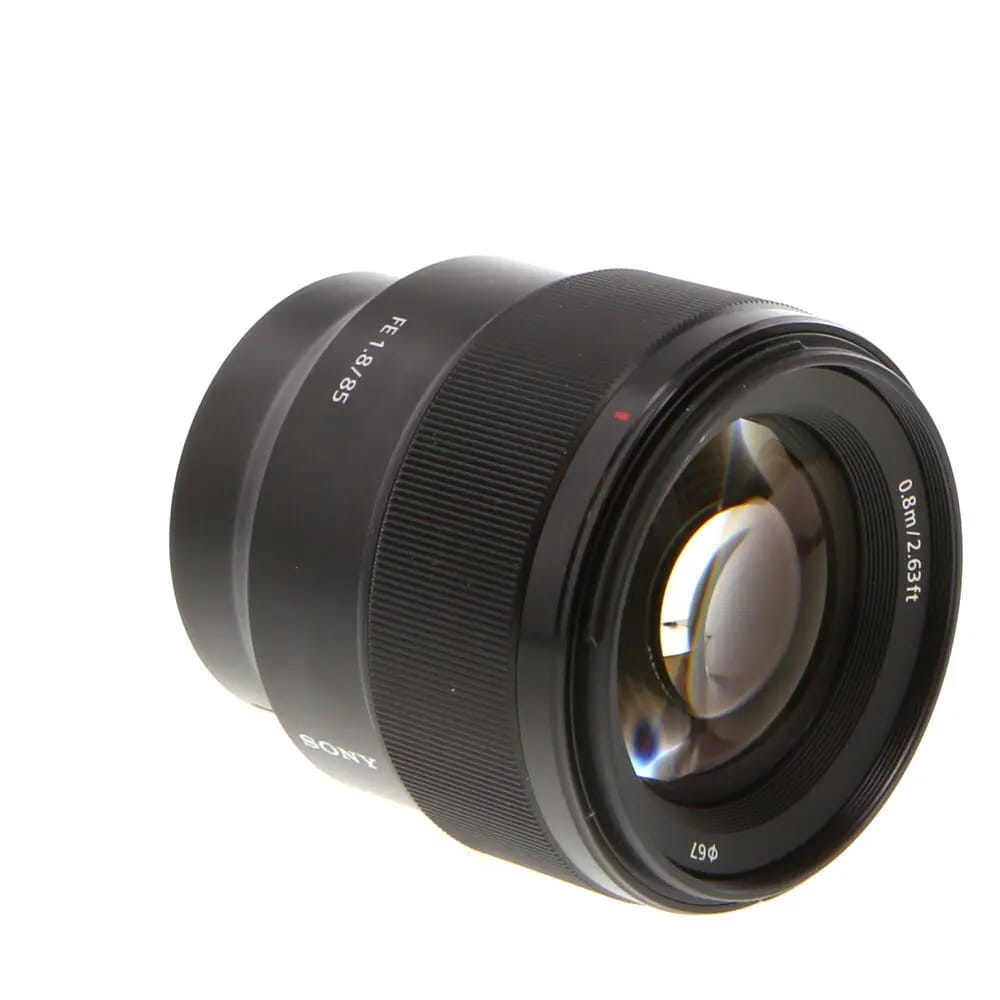
This is a detail-forward, portrait-leaning setup for photographers who like clean subject separation and an editorial feel. The high-resolution files are useful for garments, accessories, and textures, while the resolution also gives you some flexibility to crop when the crowd makes moving closer impossible.
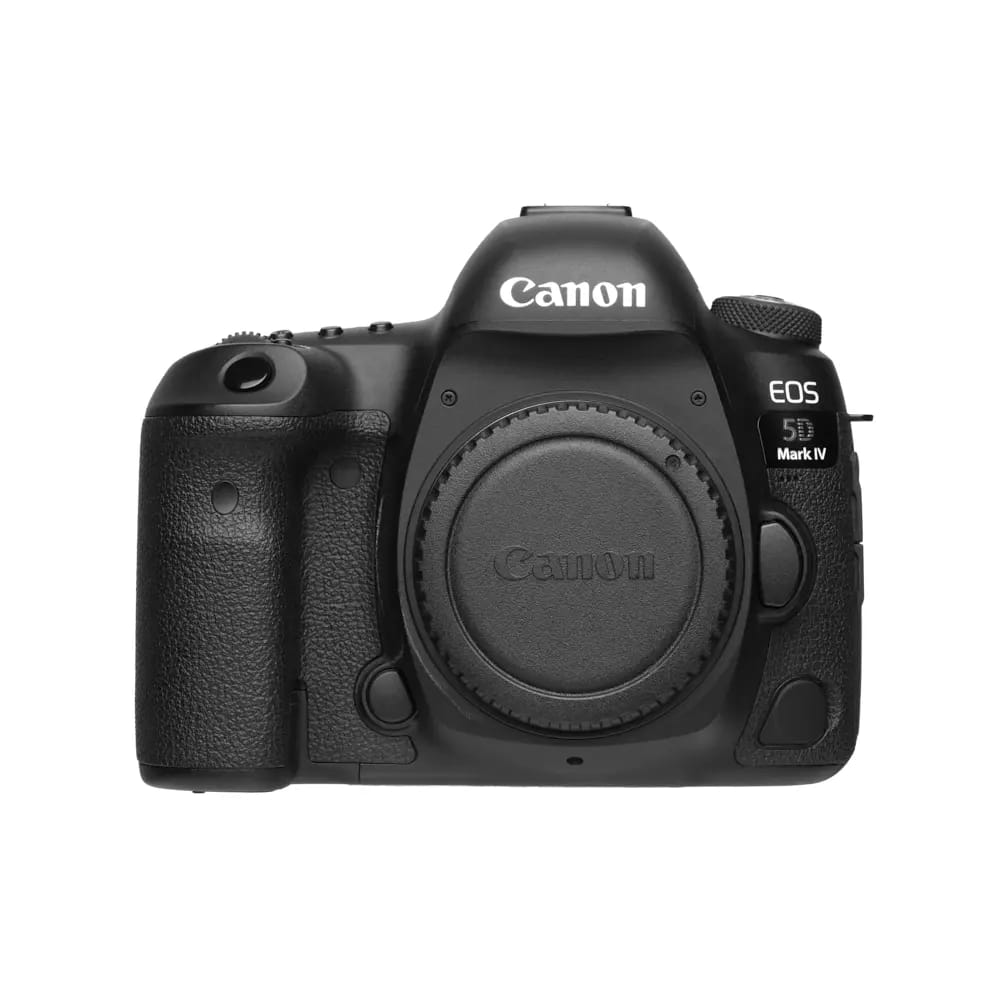
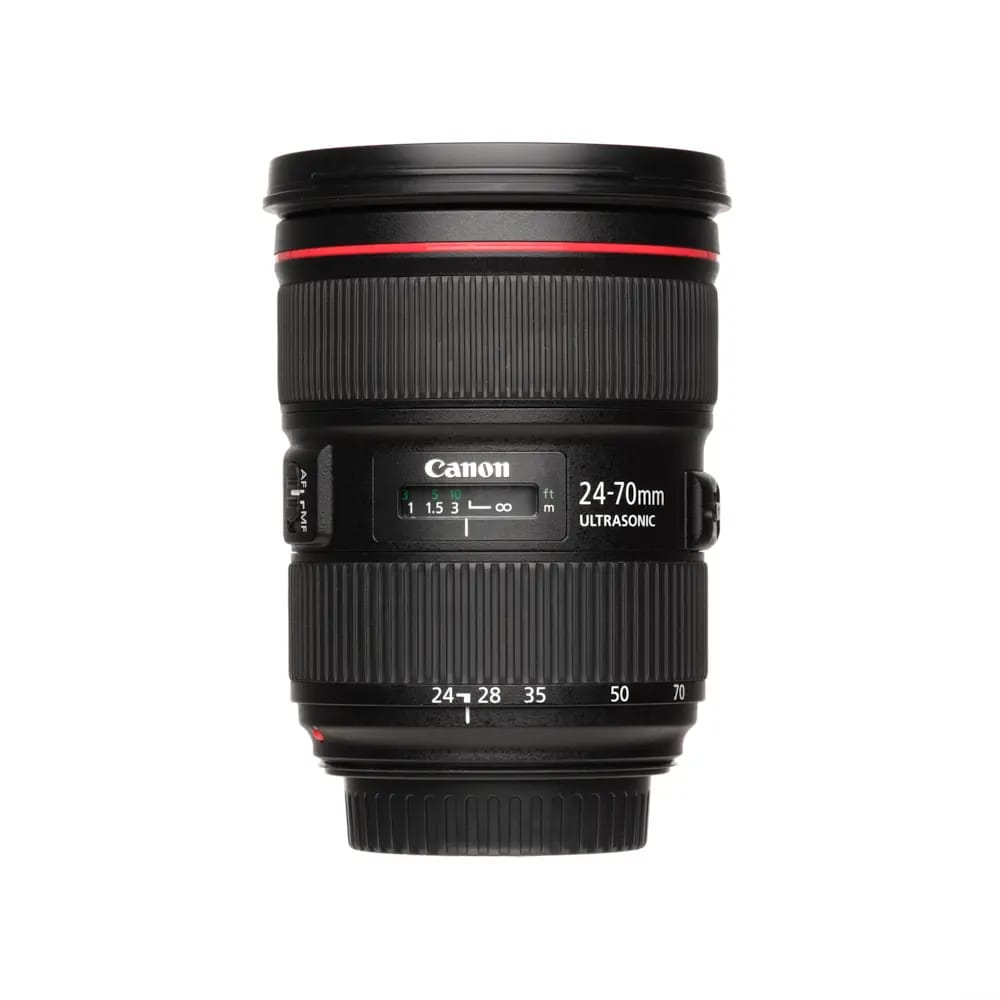
Think of this as the versatile workhorse kit for events, street style, and backstage coverage. A 24-70mm-style zoom lets you move from environmental scene-setters to tighter portraits as your shooting distance changes, without stopping to change lenses.
To photograph street style during Fashion Week, stay light, observant, and ready before the moment reaches you. The streets around venues, events, hotels, cafés, and restaurants can get visually busy, so look for ways to simplify the frame, use the light to your advantage, and make the outfit feel intentional rather than lost in the crowd.
A practical street style camera setup doesn’t need to be complicated. One camera body, one or two small lenses, extra batteries, and a comfortable strap can be enough. A 35mm lens is great for showing the full outfit alongside its surroundings, while a 50mm or 85mm lens can give you more separation when the background gets busy.
Try this approach when the sidewalks get crowded:
Street style is part reflex, part taste. The more you practice, the better you’ll get at reading posture, color, silhouette, light, and background before you even lift the camera.
Want to learn more about street photography? This blog is for you.
Lenses do more than bring a subject closer. They influence how close you stand, how much the environment appears, how compressed the background feels, and ultimately how the viewer experiences the clothes. That’s why the best lenses for fashion photography aren’t necessarily the most exotic ones. They’re the ones that help you make the kind of images you want to make.
A few useful focal length families:
If you’re building a kit slowly, start with one reliable lens and learn it deeply. Knowing exactly what you can do with a 50mm, for example, can be far more valuable than carrying five lenses you haven’t learned to use.
Light is where a fashion image starts to feel intentional. Clothes have texture, shape, shine, and movement, and good lighting helps bring those qualities to the fore while supporting the image’s mood. You don’t need a huge studio to start. You just need to understand how direction, softness, and contrast change the way fabric and skin look.
For studio editorial photography, strobes remain a common choice because they deliver power and can freeze motion. A single strobe with a softbox can create clean, polished portraits. Add a reflector to lift shadows without adding another light. A beauty dish can create a crisp, sculpted look, while umbrellas are quick to set up and forgiving for beginners.
Continuous LED lights are another useful option, especially if you shoot both stills and video. Because you can see the light before taking the picture, they can make learning easier. Battery-powered strobes or compact LED panels can also be helpful on location when outlets are limited or you need to stay mobile.
Keep your first lighting kit simple:
Once you’ve got a one-light setup down, you can build toward more complex editorial looks with background lights, rim lights, gels, and flags.
A film camera for fashion photography can bring a different rhythm to your work. Film slows you down, makes each frame feel more deliberate, and can introduce texture, grain, color shifts, and highlight behavior that feels different from a digital file. For a fashion photography portfolio, that can be useful when the look supports your creative direction.
Film cameras for fashion photography range from 35mm SLRs to medium format systems. A 35mm film SLR can be easier to carry for street style or behind-the-scenes work, while medium format can shine during slower editorial portraits where detail and presence take center stage.
Here are a few film setups that map well to Fashion Week and editorial work, depending on how quickly you want to shoot and how hands-on you want the process to feel.
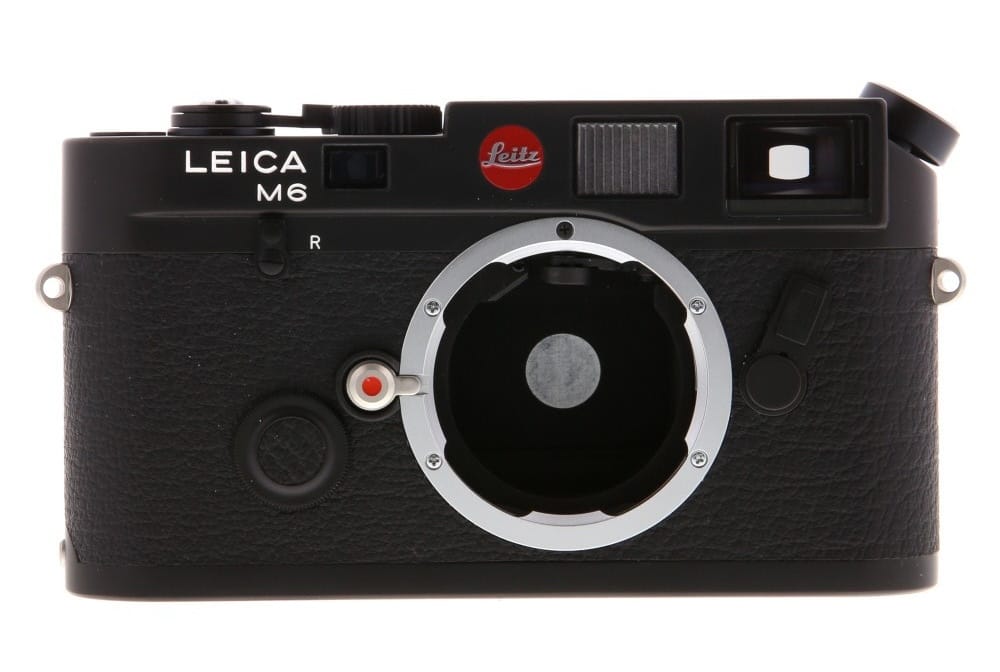
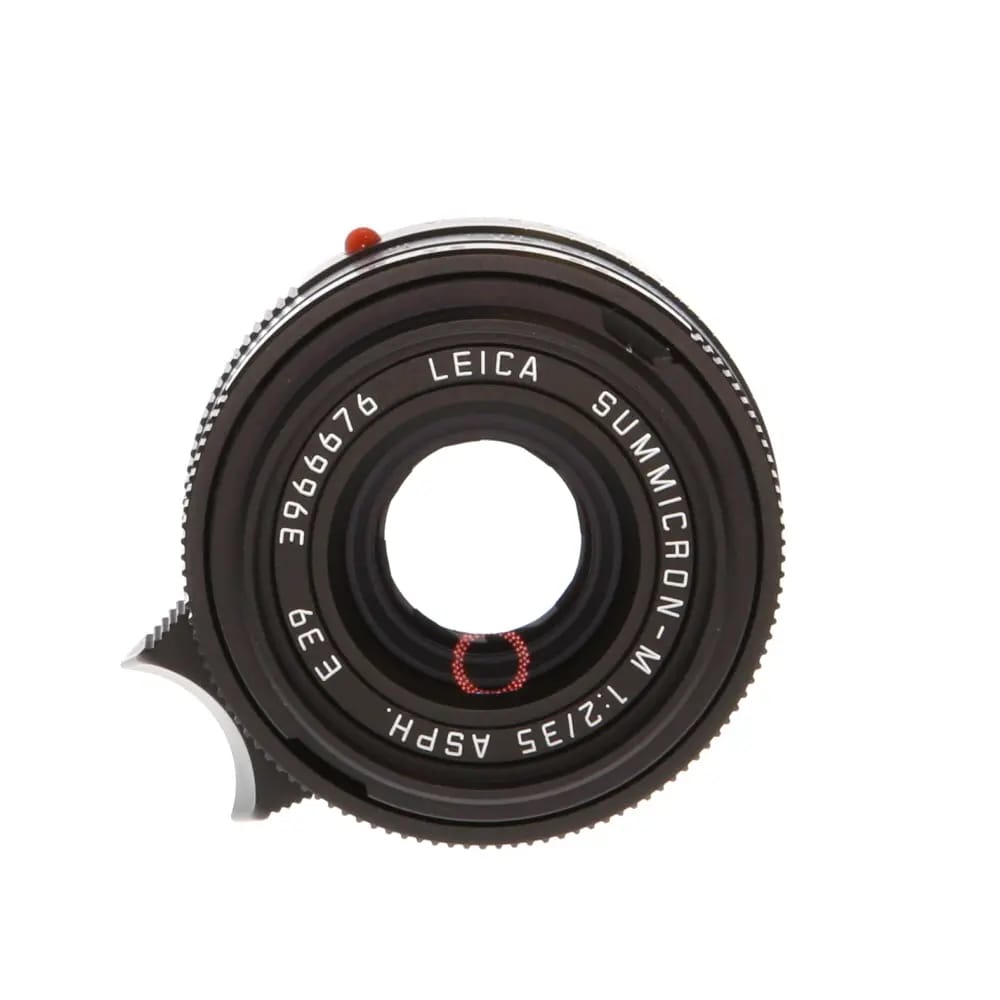
This is a classic street-fashion pairing for photographers who want a small, discreet camera that encourages a more deliberate approach. The 35mm view is great for full looks with context, and the rangefinder shooting style can help you stay present without bringing a huge camera into someone’s personal space.
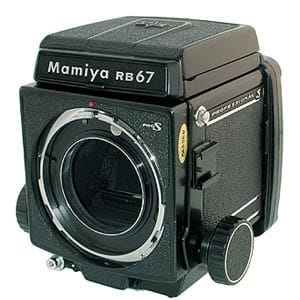
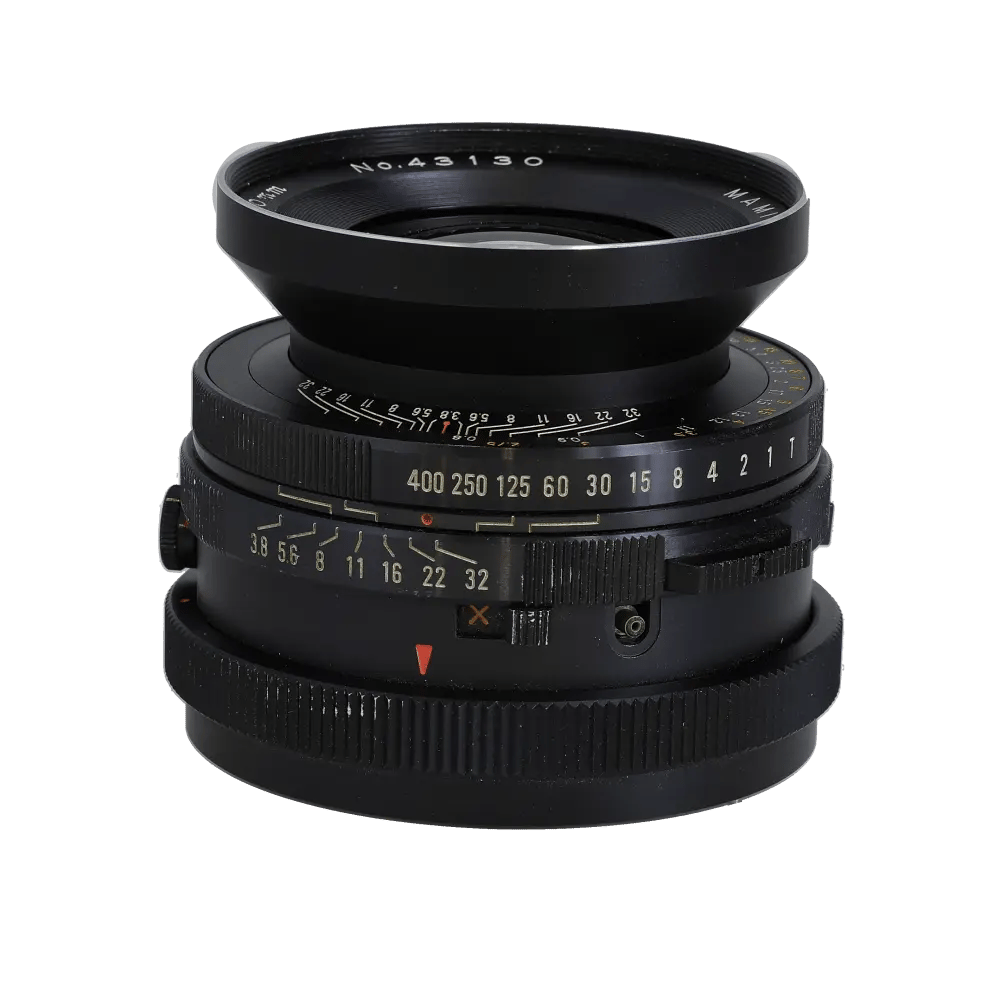
When you want slower, more intentional editorial frames, a 6×7 medium format system can give your images a different kind of depth and presence. This is best suited to planned portraits and full looks where you have time to direct your subject, refine the background, and make each frame count.
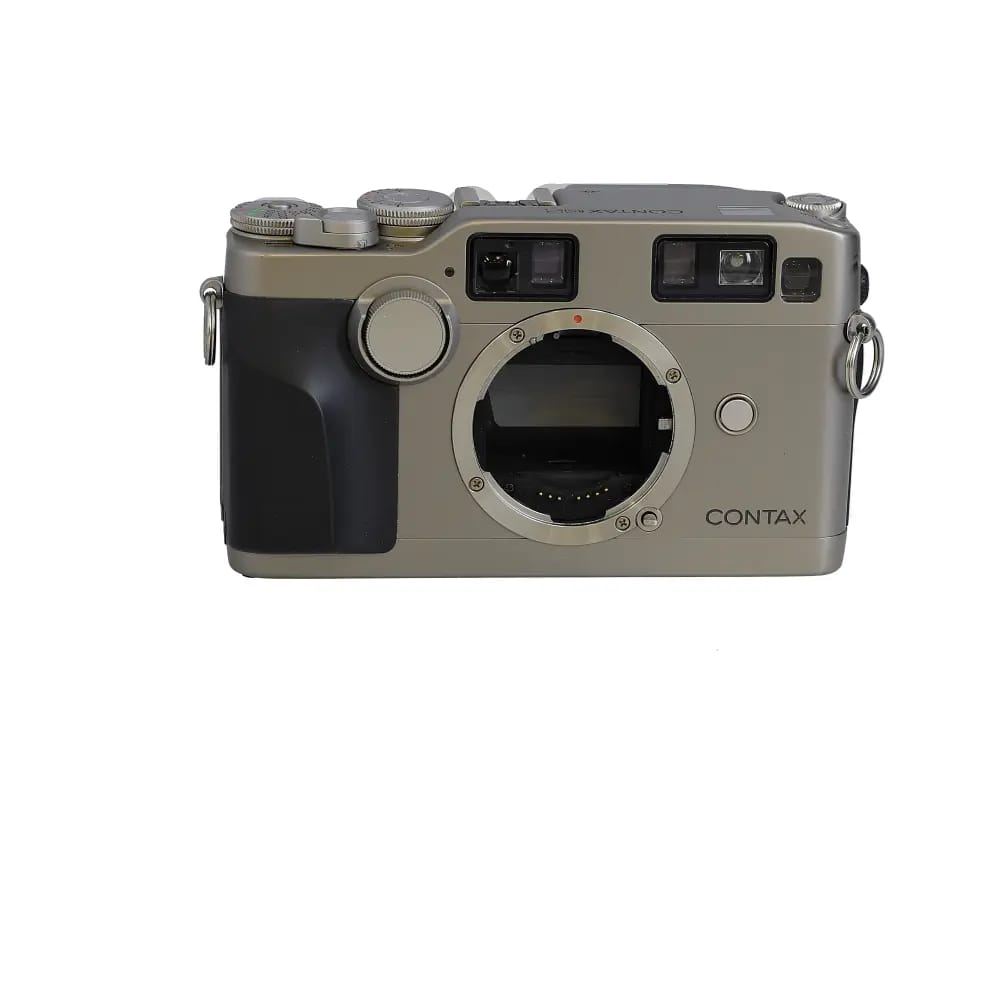
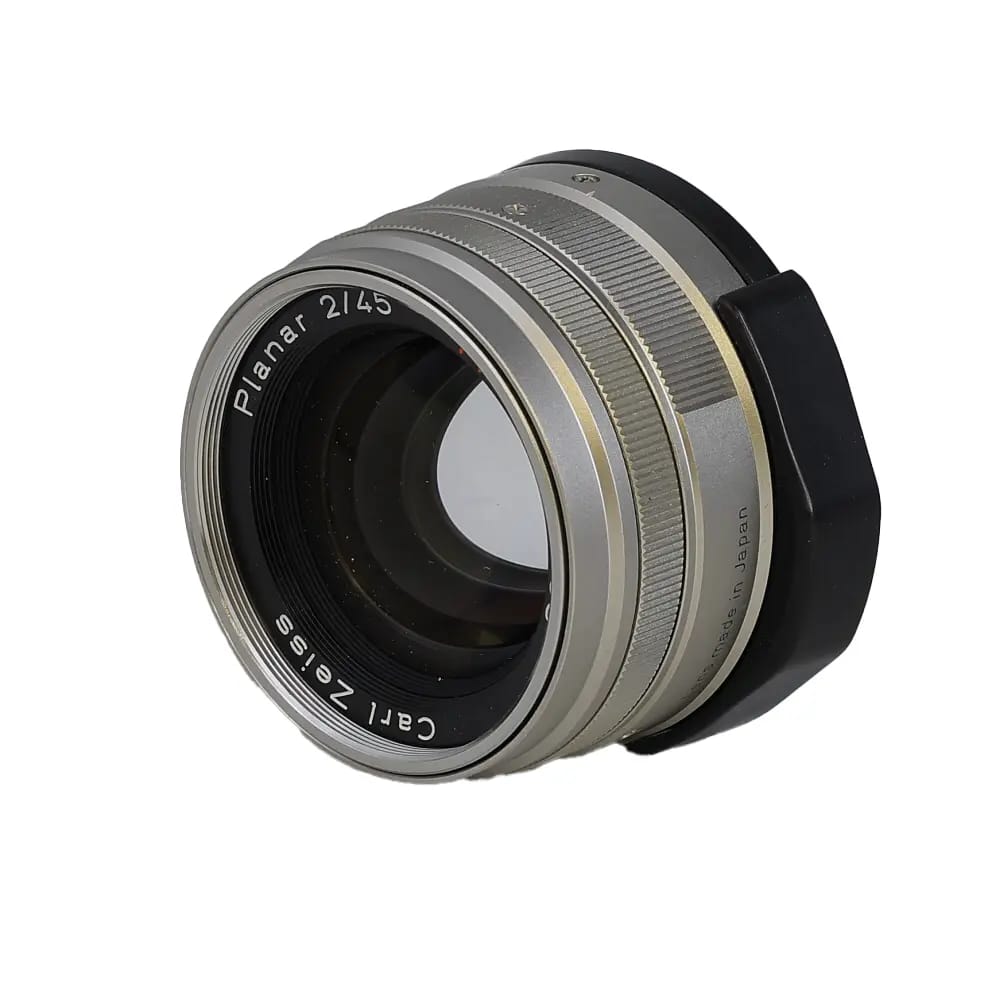
If you love the idea of film but still want speed and discretion, the G2 is a compact autofocus option that’s easy to carry all day. The 45mm perspective feels natural for street style portraits and candid moments, with enough separation to keep the outfit at the center of attention.
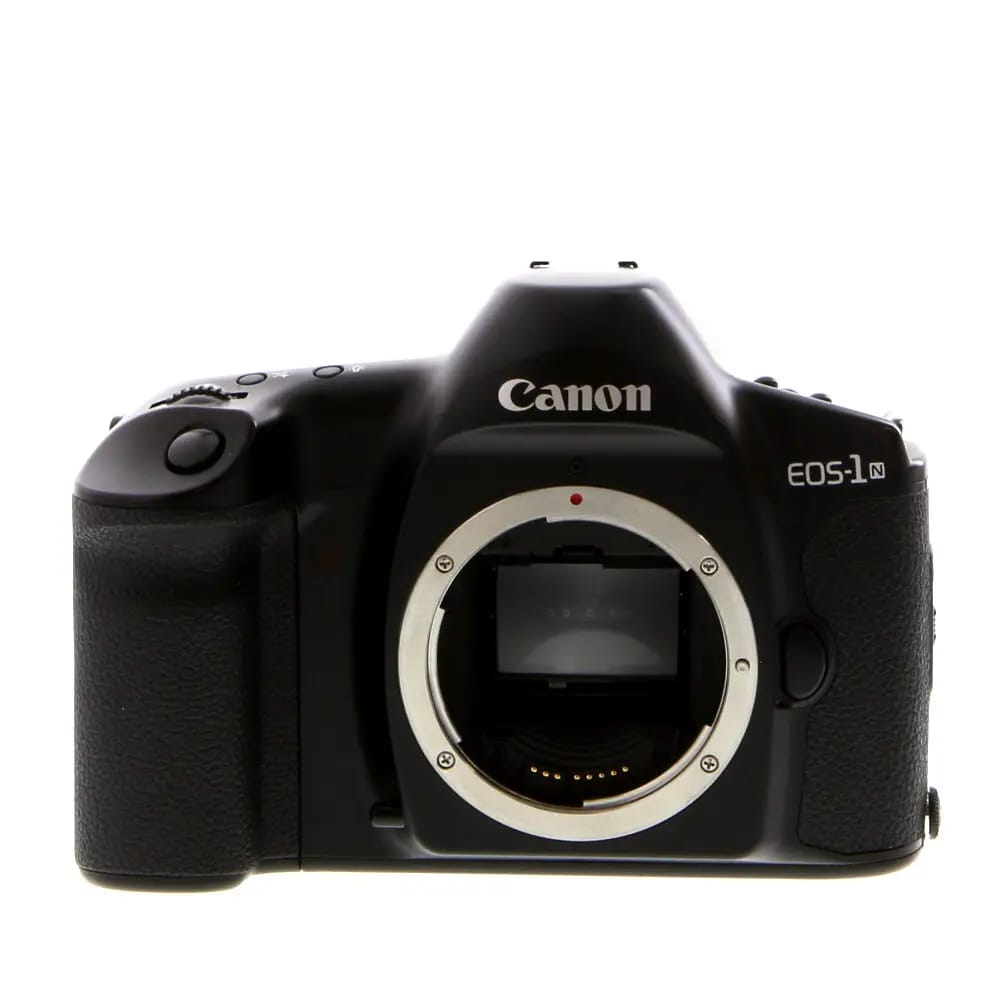
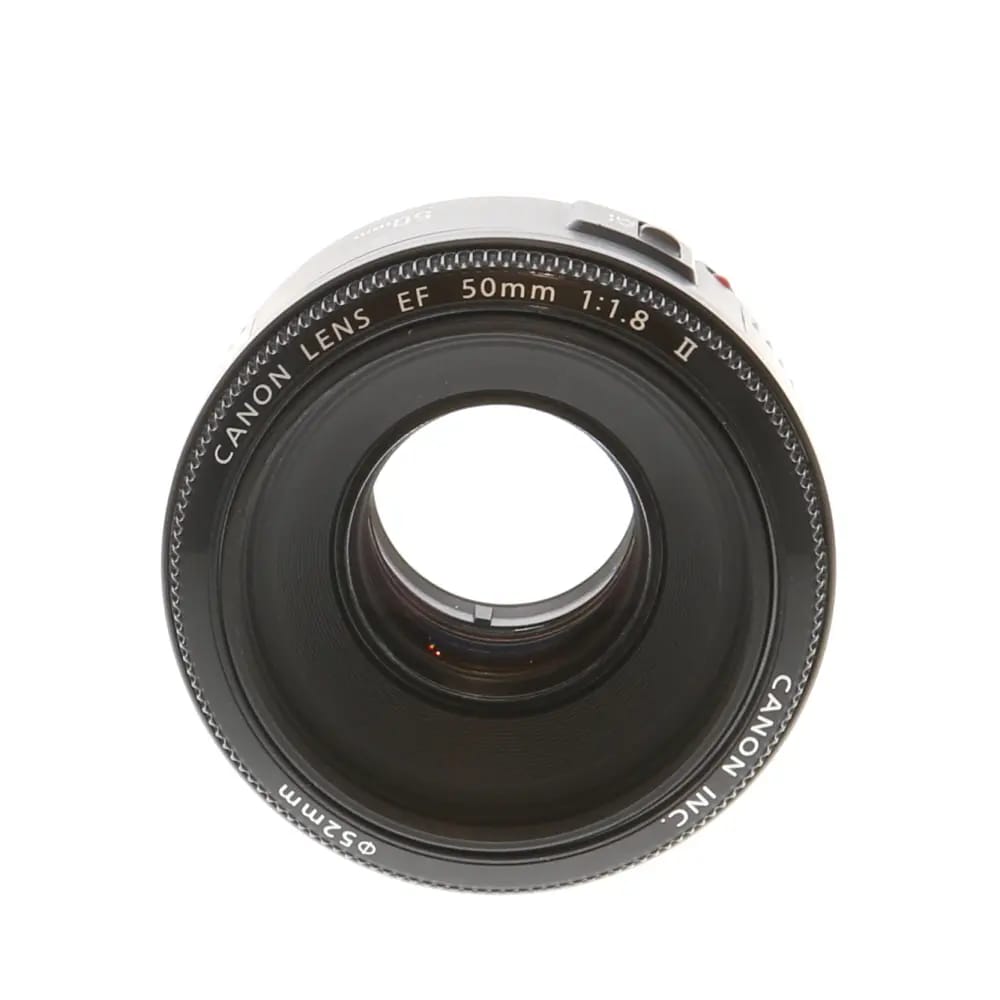
This is an accessible entry into professional-style 35mm fashion photography with fast autofocus and an affordable, lightweight prime. It’s a practical choice for photographers who want a familiar SLR feel, reliable metering, and a straightforward lens that can handle full looks, portraits, and details.
To build a fashion photography portfolio, start with a clear creative direction and repeatable shoots before worrying about upgrading every piece of gear. A portfolio grows when your images show taste, direction, problem-solving, and control of light, not simply expensive equipment.
If you’re wondering how to build a fashion photography portfolio from scratch, start small and make the shoot feel intentional. Work with emerging stylists, models, makeup artists, designers, or friends with strong personal style. Choose a simple concept, plan the outfits and location, and ensure each shoot adds something distinct to your body of work.
A balanced beginner portfolio might include:
Your fashion photography portfolio should make it easy for someone to understand your eye. If you love dramatic flash, show it. If natural-light street style is your strength, lean into it. Gear supports the vision, but the edit is what helps define it.
Instead of asking for the best camera for fashion photography, think in terms of kits. Your kit should reflect your pace, your subjects, and the kinds of images you want to make.
Here’s the good news: you don’t need a press badge, runway credential, or backstage pass to make great Fashion Week photography.
Some of the most interesting fashion moments happen outside the official venues. Keep an eye out on sidewalks, outside restaurants, in hotel lobbies, at events, and anywhere stylish people are gathering. Everyday fashionistas can be just as interesting to photograph as a runway model, especially when they bring a strong personal point of view to their look.
And don’t be afraid to ask. Aspiring models, designers, influencers, and simply stylish people may be happy to stop for a quick impromptu photoshoot. Approach people respectfully, tell them what caught your eye, and ask before making a posed portrait.
These interactions are great practice. You can work on directing a subject, finding flattering light, composing a full look, capturing details, and building the confidence to work with people.
Think of Fashion Week as an open-air photography classroom. You don’t need front-row access to practice finding great light, directing a subject, or capturing a candid moment. You just need to get out there, keep your eyes open, and be ready when the right subject crosses your path.
Pre-owned gear can be a practical way to explore fashion photography without feeling like you have to commit to one path right away. At KEH, we see photographers build smart kits by thinking about fit, condition, and system compatibility rather than simply chasing the newest release.
A strong starter path might look like this:
Shopping pre-owned also gives you room to experiment. You may discover that you love the speed of mirrorless, the feel of DSLR handling, the compactness of a small street setup, or the pace of film. That experimentation is part of becoming a better photographer.
Learn more about leveraging pre-owned gear for fashion photography.
Fashion Week can be one of the most exciting classrooms a photographer could ask for. The runway teaches timing, the street teaches awareness, backstage teaches patience, and editorial work teaches intention. You don’t need the flashiest camera for fashion photography to get started. You need a setup that fits your shooting style and gives you a reason to get out and practice.
From digital bodies and fashion photography lenses to film cameras for fashion photography, KEH is here to help you compare options, think through your priorities, and build a kit that supports your next creative step. Start with the gear that gets you out shooting, then let your portfolio show where your eye is headed next.