You
have no items in your shopping cart.
The Real Cost of Shooting a Wedding: Budget Guide
March 09, 2026
1 min read

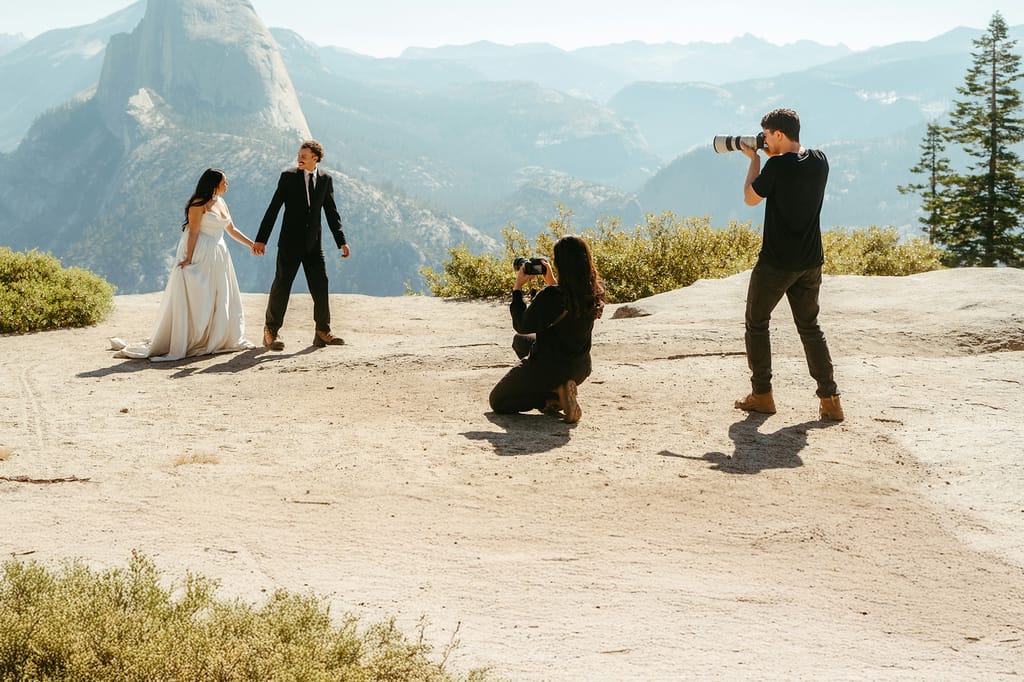
Do you ever send a wedding photography quote and immediately second-guess the number?
Or maybe you’re building your pricing guide and thinking, Can I really charge this much for one day?
If that hesitation sounds familiar, you’re not alone. Nearly every wedding photographer struggles with pricing at some point—especially early on. There’s pressure to stay competitive, fear of losing bookings, and that internal voice asking whether the number is justified.
But wedding photography pricing isn’t about charging for a day of shooting. It’s about charging for the business behind the work.
A single wedding requires reliable gear, planning, insurance, hours of post-production, and systems that ensure nothing gets missed. When photographers price their services correctly, they’re accounting for everything required to deliver a professional, fail-safe experience.
Let’s break down what that number actually needs to support.
Wedding photography pricing reflects the cost of running a professional, risk-managed business—not just a single day of shooting. Rates must cover gear, insurance, significant pre- and post-production time, software and systems, second shooters, travel, albums, marketing, and taxes. Sustainable profitability comes from pricing for all of these inputs and making smart, strategic gear investments (including certified pre-owned and trade-ins). For couples, that investment safeguards a seamless experience and irreplaceable memories.
Across the U.S., most wedding photographers fall into a few general pricing tiers:
Entry-level: $1,500–$3,000
Established professionals: $3,000–$6,000
Luxury or destination specialists: $7,000–$15,000+
Pricing varies depending on experience, location, hours of coverage, and deliverables like albums or engagement sessions. But regardless of the tier, photographers aren’t simply charging for the wedding day—they’re pricing an entire workflow and business structure into one package.
Understanding the real cost of shooting a wedding means looking behind the scenes.
Few photography genres depend on equipment as heavily as weddings. There are no reshoots, no recreated first kisses, and no guarantees when it comes to lighting or timing.
That’s why most professionals arrive with a fully redundant kit.
A typical wedding setup might include:
Two primary camera bodies
A third backup body
Fast, low-light lenses
On- and off-camera flash systems
Multiple batteries and memory cards
Dual-card recording for instant backup
For example, a working photographer might rely on bodies like a Canon EOS R6 or Nikon Z6 II, paired with versatile lenses like a Canon RF 24-70mm f/2.8L IS USM or a fast portrait lens such as the Sony FE 85mm f/1.8.
A dependable kit like this can easily represent $8,000–$15,000 or more in equipment.
Because of that investment, many photographers choose to build their kits strategically—purchasing professionally inspected pre-owned gear rather than buying everything brand new. When gear is properly tested and graded, the performance difference is minimal, but the savings can be substantial.
Looking to build a wedding photography kit but don’t know where to start? This blog is for you.
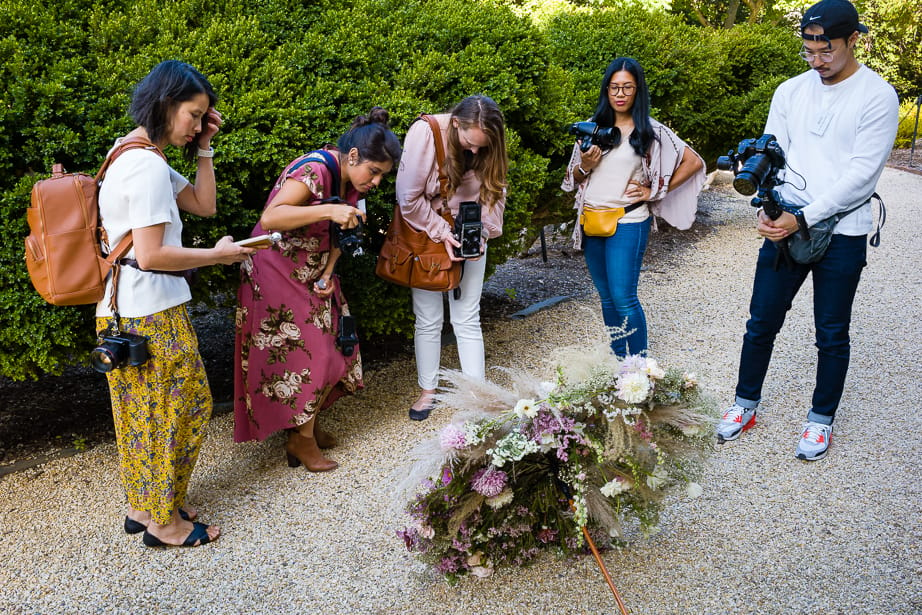
Most venues now require photographers to carry insurance before they can work onsite.
At minimum, this includes:
General liability insurance
Equipment insurance
Annual coverage typically ranges from $500 to $1,500+, depending on the value of the gear and the policy limits.
It may not be the most exciting part of running a photography business, but insurance protects both the photographer and the client if something unexpected happens.
An eight-hour wedding rarely means eight hours of work.
For every hour spent photographing a wedding, there are often two to three hours of additional work behind the scenes.
A typical wedding project includes:
Client consultations and planning
Timeline coordination with vendors
Engagement sessions (often included in packages)
Wedding day coverage (8–10+ hours)
Image culling from thousands of frames
Editing and color correction
Gallery delivery and file organization
Album design and revisions
In total, many photographers spend 30–50 hours or more working on a single wedding.
When pricing only reflects the hours spent at the venue, it leaves out the majority of the actual work.
Modern wedding photographers rely on an entire ecosystem of tools that clients rarely see but directly benefit from.
Common expenses include:
Photo editing software
Cloud backup systems
Online gallery platforms
Client management software
Accounting tools
Together, these subscriptions often total $100–$300 per month, regardless of how many weddings are booked.
In other words, the business continues running long after the cameras are packed away.
Comprehensive wedding coverage often requires more than one photographer.
Hiring a second shooter allows for:
Multiple ceremony angles
Simultaneous candid coverage
Coverage during overlapping moments
Second photographers commonly cost $50–$100+ per hour, which can add $500–$1,000 or more to the total cost of covering a wedding.
For many couples, that added perspective significantly improves the final story of the day.
Even local weddings come with logistical costs:
Fuel and mileage
Parking fees
Meals during long coverage days
Destination weddings add additional expenses such as airfare, hotels, baggage fees for equipment, and extended travel time.
These costs are typically built into packages or listed separately, but they are always part of the financial equation.
Digital galleries may be standard today, but many wedding packages still include tangible heirlooms.
These can include:
Wedding albums
Parent albums
Fine-art prints
Custom packaging
Professional-grade albums alone can cost photographers $200–$600 wholesale before design time and markup.
They aren’t simply add-ons—they’re physical products with real production costs.
Long before a photographer books a wedding, they invest heavily in visibility.
Marketing often includes:
Website design and hosting
SEO-driven blog content
Social media marketing
Paid advertising
Bridal shows and networking events
Portfolio development and styled shoots
Booking a single wedding may require reaching dozens—or even hundreds—of potential clients first.
That investment is part of the cost structure of running a photography business.
One of the most misunderstood aspects of wedding photography pricing is profit.
A $5,000 wedding package does not mean $5,000 in take-home income.
Photographers still need to account for:
Self-employment taxes
Federal and state income taxes
Business licensing
Accounting and legal services
Once those costs are deducted, the actual earnings look very different from the initial price.
Equipment is one of the largest upfront costs for wedding photographers—but it’s also one of the areas where smart decisions can make the biggest difference.
Buying professionally inspected pre-owned gear allows photographers to:
Build a professional kit sooner
Reduce upfront capital expenses
Slow the impact of depreciation
Upgrade strategically as their business grows
For a seasonal industry like wedding photography, protecting cash flow is critical. Investing in reliable gear without paying full retail price can help photographers maintain professional standards while keeping their business sustainable.
Wedding photography pricing reflects far more than hours of coverage. It represents preparation, equipment, editing time, business infrastructure, and the responsibility of documenting moments that cannot be recreated.
For couples, that investment ensures their wedding is captured professionally from start to finish.
For photographers, understanding the real cost of shooting a wedding is the difference between underpricing their work and building a business that lasts.
Because in wedding photography, you’re not charging for a day—you’re charging for everything it takes to deliver that day flawlessly.
Building a dependable wedding photography kit doesn’t have to mean paying brand-new prices for every piece of gear.
Many professionals turn to KEH Certified™ gear to build and upgrade their kits while keeping costs under control. Every KEH Certified item is carefully inspected, tested, and graded by technicians, so photographers know exactly what they’re getting before it ever goes in their bag.
That reliability matters for weddings, where equipment failure simply isn’t an option.
Buying pre-owned also allows photographers to spend less while still investing in professional-level gear—whether that means picking up a second camera body for backup, adding a fast portrait lens, or upgrading to a newer system.
For photographers growing their business, those savings can make a real difference. Less money tied up in gear means more flexibility to invest in marketing, education, and the tools that help a photography business grow.