You
have no items in your shopping cart.
Where to Find the Perfect Fall Photo Op: 6 Places to Take Great Fall Photos
September 30, 2026
1 min read

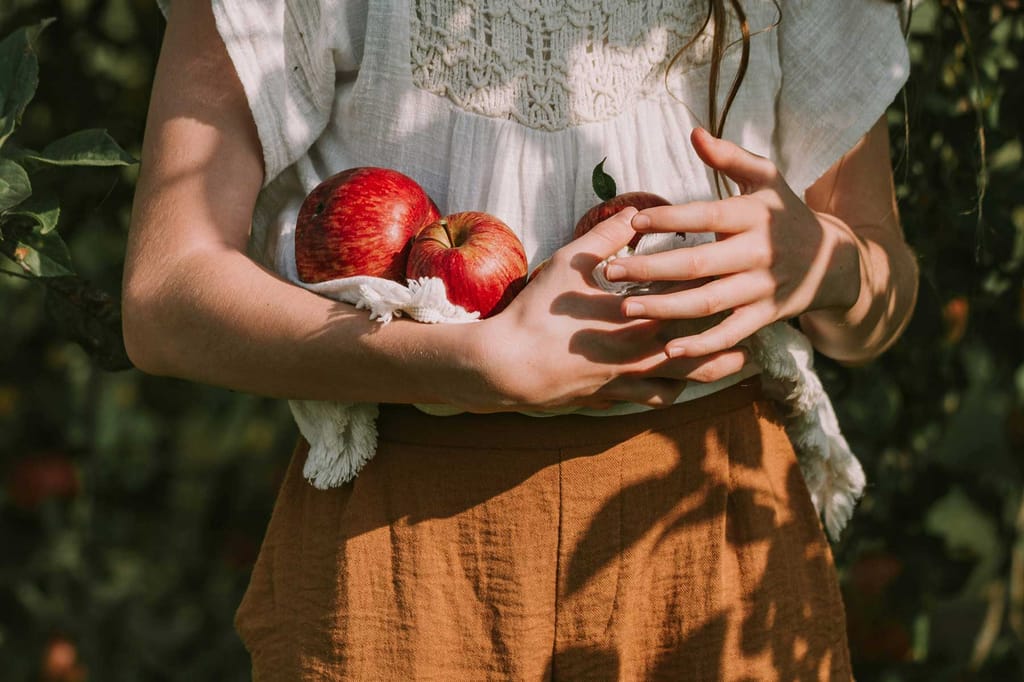
Fall practically does the styling for you. The colors are already there, the textures are richer, and even an ordinary weekend outing can turn into a frame-worthy moment once the leaves start changing.
Whether you’re planning family fall photos, practicing autumn photography, photographing clients, or just looking for an excuse to get your camera out, the question is usually the same: Where should you actually go to get those great fall photos?
The good news: you don’t need a famous foliage destination or an elaborate photo shoot. Some of the best fall photo opportunities are hiding in places you already visit.
From apple orchards and pumpkin patches to neighborhood parks and hiking trails, here are six easy, high-payoff places to find great fall photos, plus the gear that can help you make the most of each one.
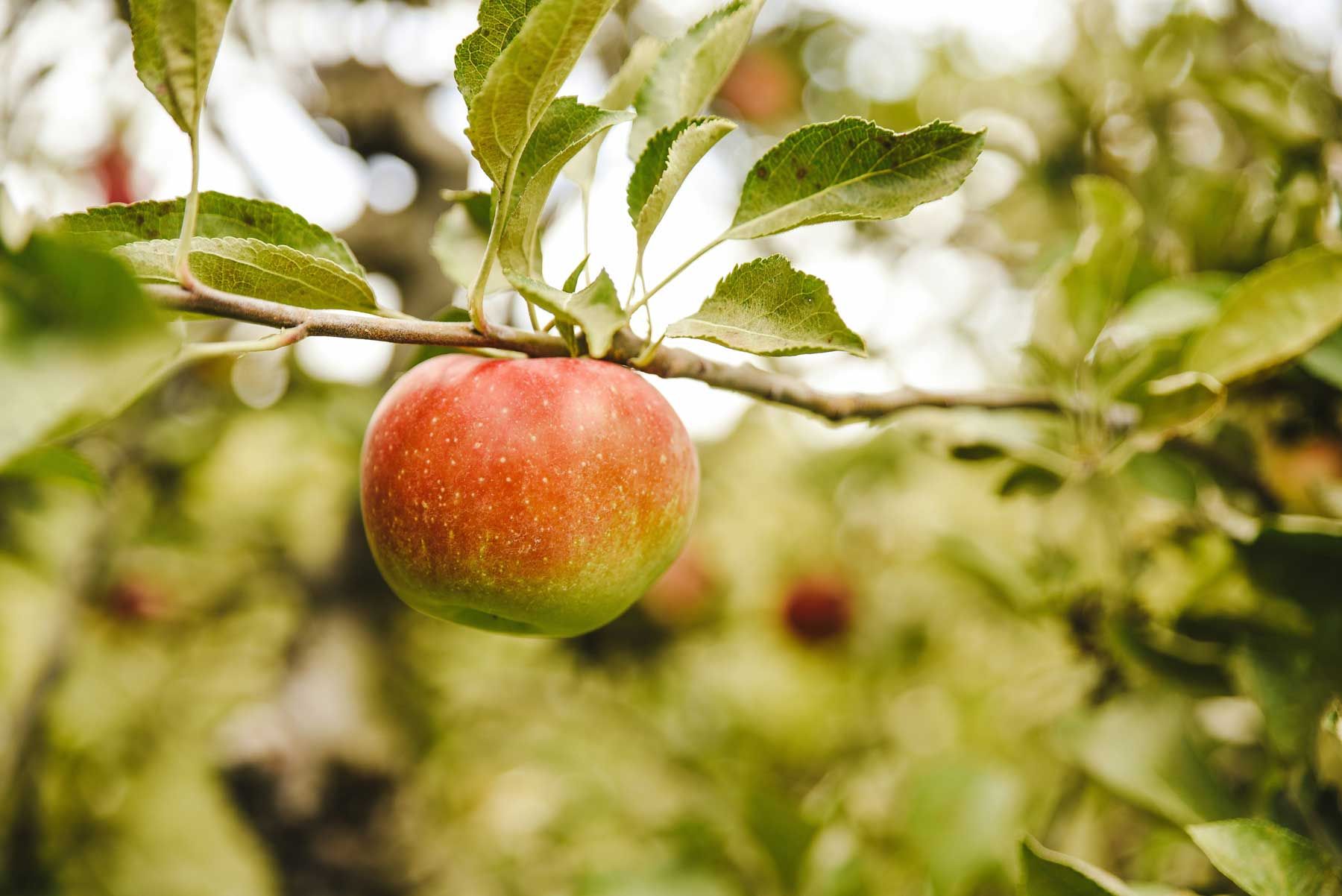
Apple picking comes with built-in props, activities, and candid moments, making it one of the easiest ways to get natural-looking fall portraits without turning the day into a formal photo shoot.
The rows of trees give you plenty to work with compositionally. Use them as leading lines, photograph your subjects walking between the rows, or frame them between branches and leaves. Look for pockets of open shade where faces stay evenly lit while the background picks up all that fall color.
And don’t feel like every photo needs to show a face. Apples, hands reaching into branches, full baskets, boots in the grass, and a little bit of motion help tell the full story of the day.
Try this: Start wide to establish the orchard, then move closer. Photograph action as it happens rather than stopping everyone for posed shots. If you’re photographing a family, give them an activity: pick an apple, carry a basket, walk down a row, or race to the next tree. You’ll capture natural expressions and a gallery with much more variety.
KEH Pro Recommendation: A 24-70mm standard zoom is an orchard MVP. At the wide end, you capture the full scene and tree rows. Zoom in, and you have a tight portrait without constantly repositioning yourself.
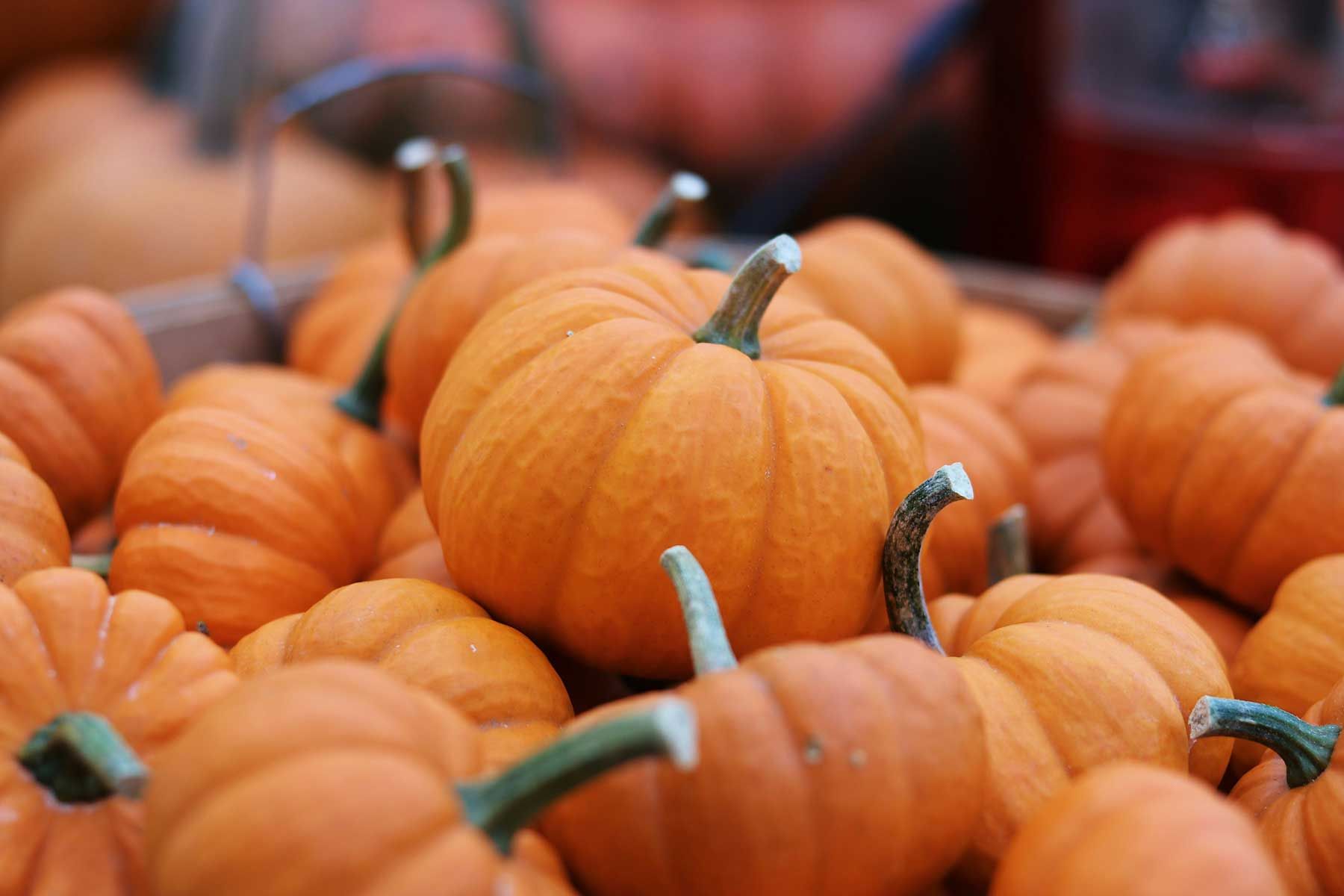
Pumpkin patches are a ready-made set for playful, colorful fall portraits. Bright pumpkins, hay bales, autumn foliage, and seasonal decorations give you visual variety without needing to search for it. They’re ideal for photographing kids because the setting provides instant engagement. Instead of asking everyone to stand still, let the activity drive the photograph.
Just watch your background. Pumpkin patches get busy quickly; signs, parked vehicles, and other visitors can sneak into an otherwise great composition.
Try this: Build a quick visual sequence:
KEH Pro Recommendation: A fast portrait prime isolates your subject from crowded backgrounds.
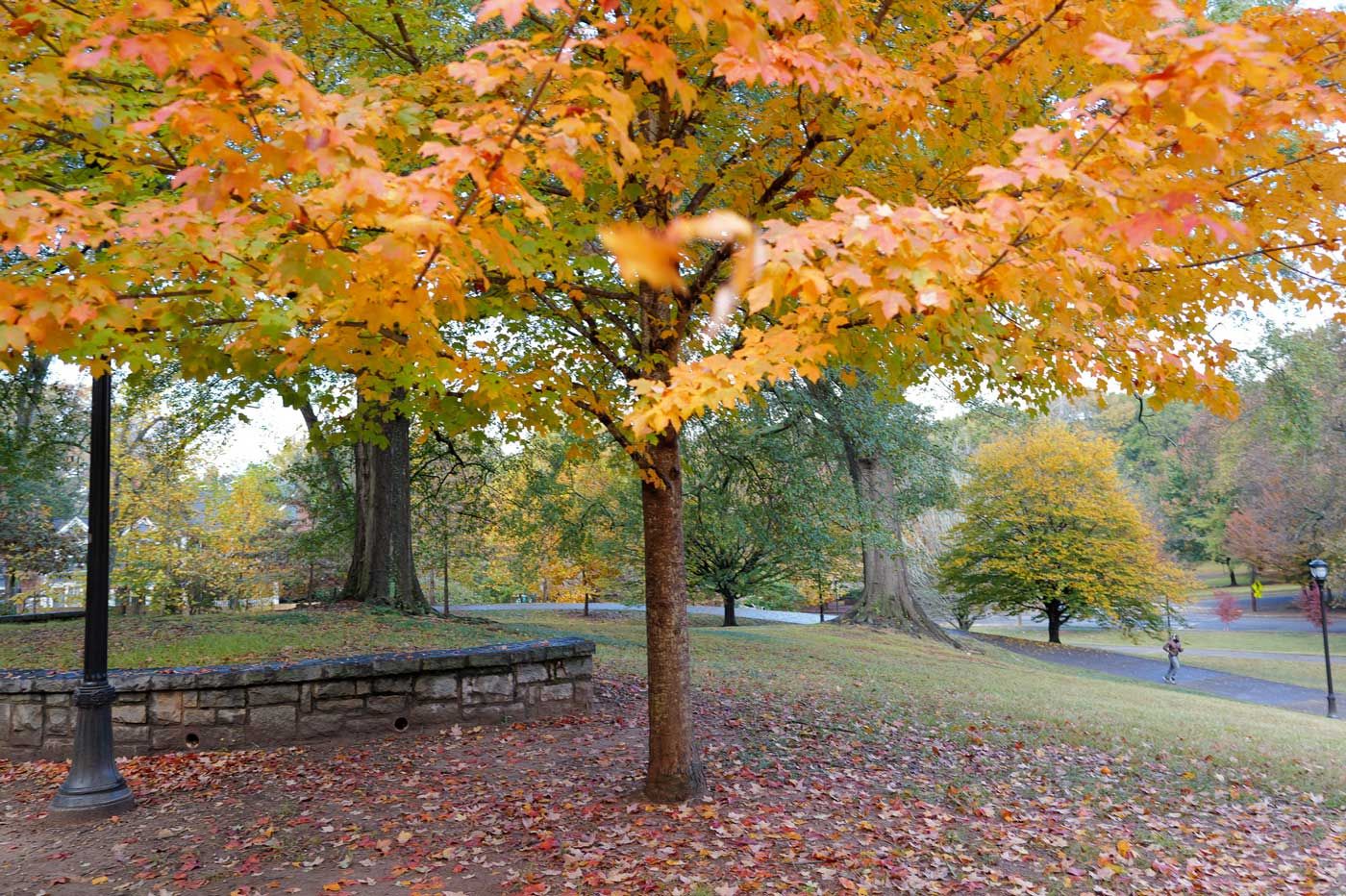
You don’t have to travel far to find striking fall imagery. Start with nearby public parks. Look for clusters of trees rather than single isolated spots. Paths, benches, bridges, fences, and tree lines provide structural composition, while changing foliage lets you revisit the same location throughout the season.
The key is scouting before shooting. Walk for five or ten minutes without taking a photo. Look for layered backgrounds, clean pockets of light, and places where subjects can move naturally. Often, the best spot isn’t the one with the highest leaf density—it’s the one with the cleanest background and cleanest light.
KEH Pro Recommendation: Pair a flexible full-frame body with a multi-purpose zoom for quick framing shifts.
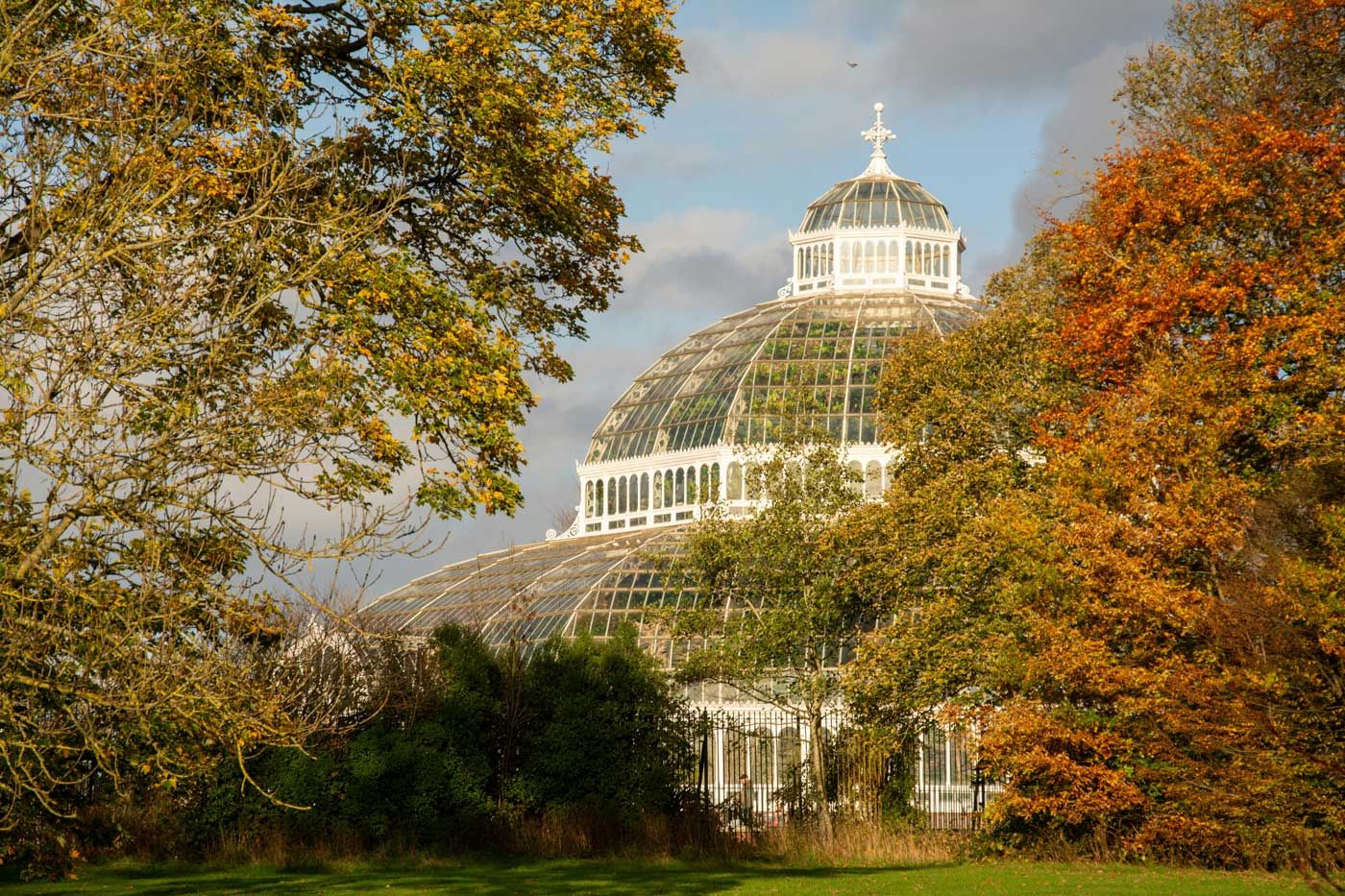
Botanical gardens and arboretums offer curated landscapes, winding paths, dense plantings, water features, architectural elements, and open vistas within a single perimeter. That variety is particularly useful if you’re photographing families or clients and need distinct looks without having to drive to multiple locations.
Try this: Establish three visual goals for your session:
KEH Pro Recommendation: Pair a standard zoom with a telephoto. A 24-70mm handles environmental portraits and wider views, while a 70-200mm telephoto compresses foliage layers and isolates far-off details.
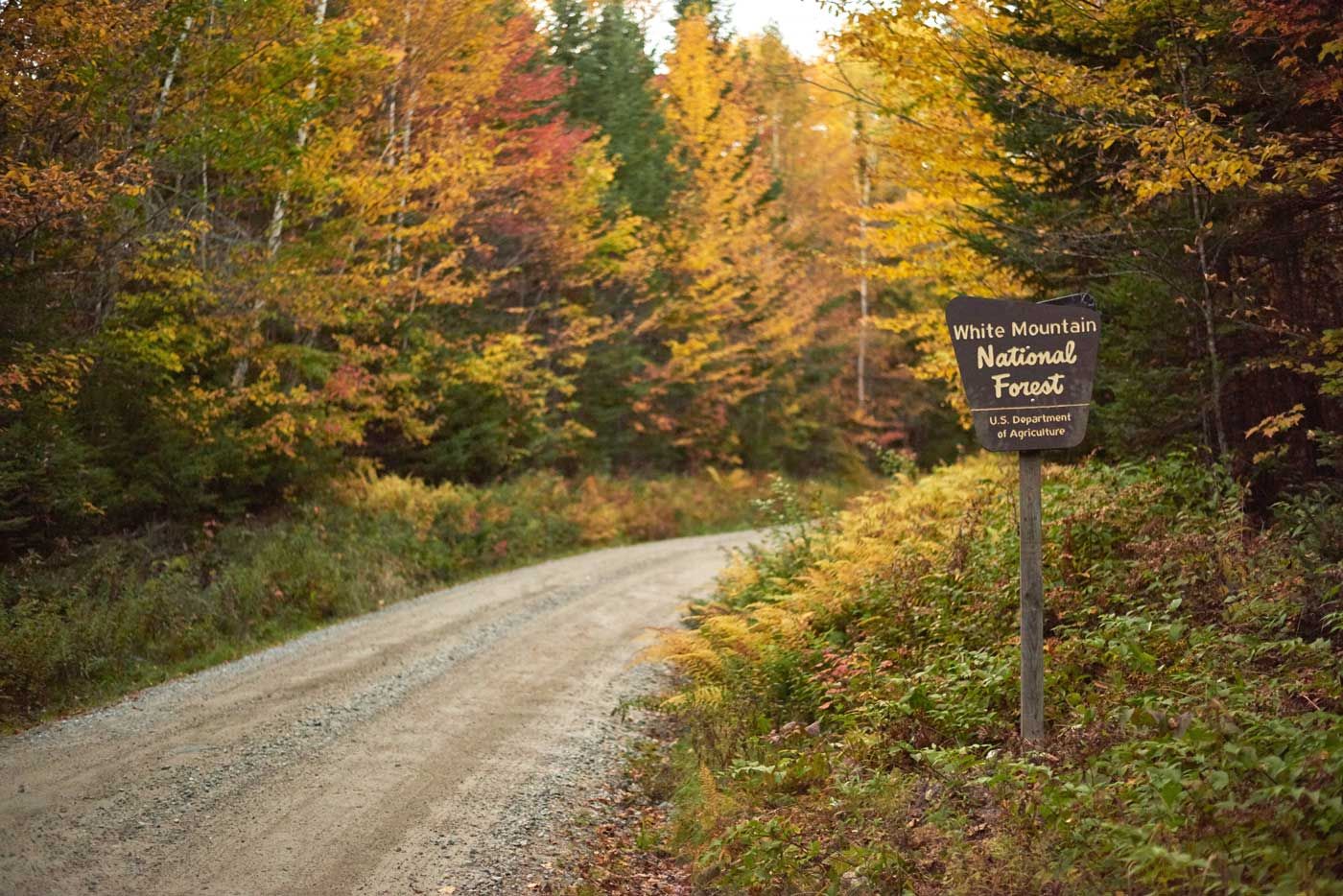
If you want your fall photos to feel immersive, head beyond manicured paths onto a local trail or nature preserve. Trails allow you to shoot fall as a landscape rather than just using leaves as a backdrop. Look for natural framing, trail curves, water reflections, and backlighting filtering through the forest canopy.
Instead of filling every frame with trees, place your subject deeper in the frame to let the environment emphasize scale, then move in close for tighter portraits when you find flattering light pockets.
Try this: Find a section of trail that curves through the frame. Photograph your subject walking into the scene, then turn around and shoot as they approach you. Capture small details along the way: sunlight through leaves, textures on tree bark, or boots on leaf-covered ground.
KEH Pro Recommendation: Prioritize gear weight to avoid fatigue on longer walks.
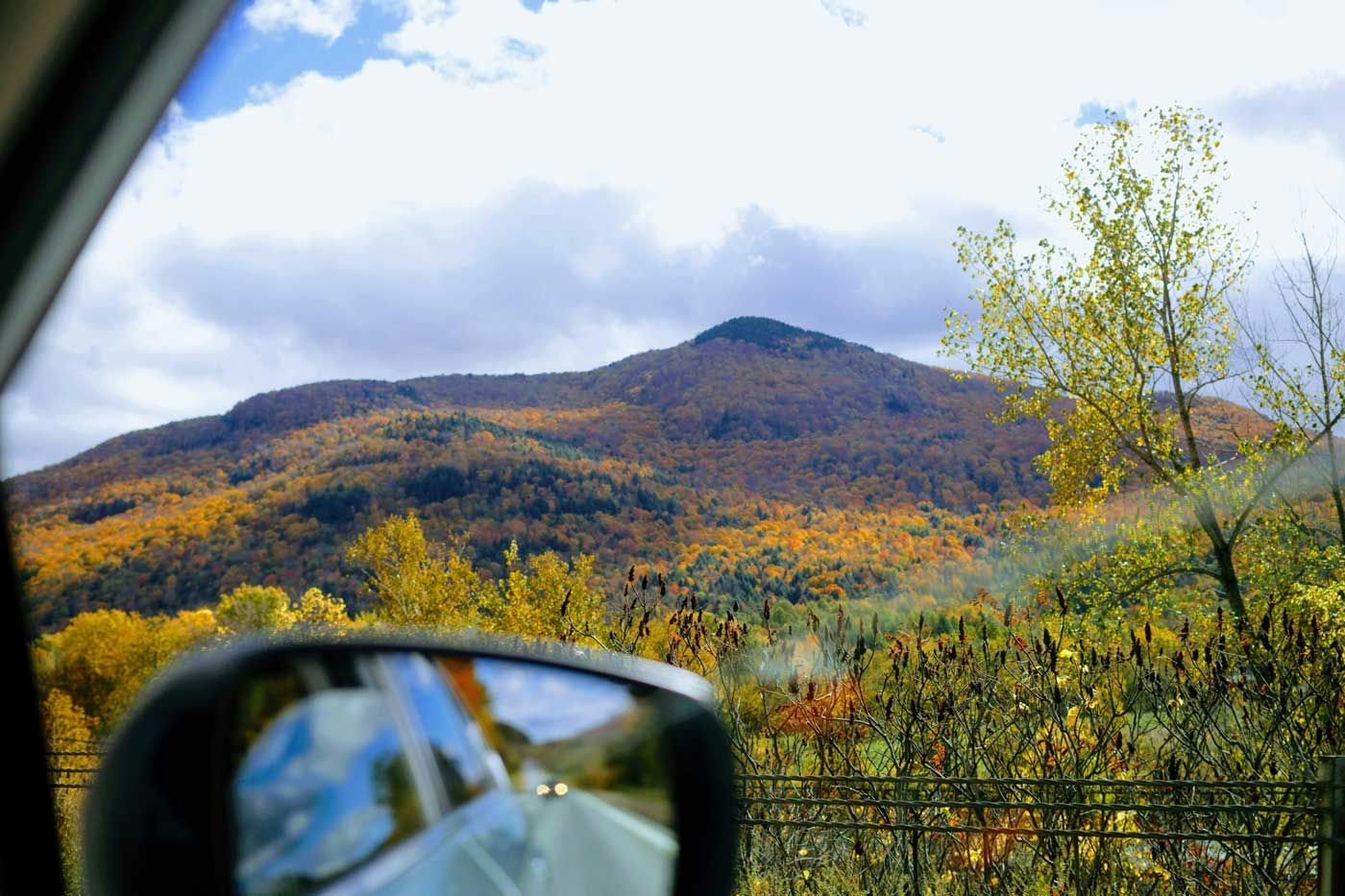
Chasing peak foliage by car lets you explore changing landscapes, small towns, scenic pull-offs, and unexpected color pockets along rural routes.
Give yourself permission to make spontaneous stops: a field not on the itinerary, an old barn against orange hills, a misty overlook, or a quiet tree-lined backroad.
Try this: Map a loose route around regional peak foliage predictions, but leave open gaps in your schedule. Pay attention to weather shifts; fog, low cloud cover, or early morning drizzle add dramatic atmosphere to landscape shots.
KEH Pro Recommendation: Keep your road-trip kit streamlined: one primary body, a wide-angle zoom for sweeping views, and a mid-range zoom.
There’s something inherently timeless about autumn colors rendered on analog film stock. Film emulsions—especially rich color negative stocks like Kodak Portra or Fujifilm Pro 400H—handle the subtle, warm gradients of fall foliage beautifully, offering highlight protection in backlit forest settings that digital sensors can sometimes struggle to render smoothly.
Practical Considerations for Fall Film Shooting:
Simplifying your kit helps you spend less time swapping gear and more time watching the light.
You don’t need a massive gear bag or a complex shot list to capture great fall images. Pick a location, monitor your light, and let the environment frame the day naturally.
If you’re looking to adapt your setup for the season—whether that means picking up a faster portrait prime, downsizing to a lighter mirrorless system, or adding a telephoto zoom—explore KEH Certified™ pre-owned camera gear. Every item is thoroughly inspected and backed by a warranty. Have unused gear sitting in your closet? You can also sell or trade your current equipment to fund your next setup.
Orchards, pumpkin patches, local parks, botanical gardens, and nearby hiking trails are all excellent choices. Look for locations with easy access, varied backgrounds, safe walking areas, and activities that give subjects natural ways to interact rather than forcing stiff poses.
Golden hour (the hour after sunrise and the hour before sunset) provides soft, warm light that complements autumn tones. However, overcast days are also ideal for fall portraits, as flat cloud cover eliminates harsh facial shadows and allows foliage colors to appear saturated without sun glare.
A 50mm or 85mm prime lens with a fast aperture (such as f/1.8 or f/1.4) is ideal for single-subject portraits where you want smooth background blur. A 24-70mm f/2.8 zoom is often the most practical choice for family sessions, group photos, and fast-moving children.
Pay attention to light direction, and build layers into your composition using foreground, midground, and background elements. Use a wide-angle lens to capture broad landscapes, or a telephoto zoom to isolate distant foliage clusters and compress tree lines. A circular polarizing filter can also be used to remove reflections from wet leaves and boost color saturation.
Keep your setup manageable. Pack one versatile camera body, a flexible zoom or primary portrait prime lens, extra batteries, micro-fiber lens cloths, and appropriate weather protection for your bag. If you plan to shoot in low-light forest canopy conditions, bring a lightweight tripod.