You
have no items in your shopping cart.
New Camera Guide: Accessories, Lenses & Top Brands
January 12, 2026
1 min read

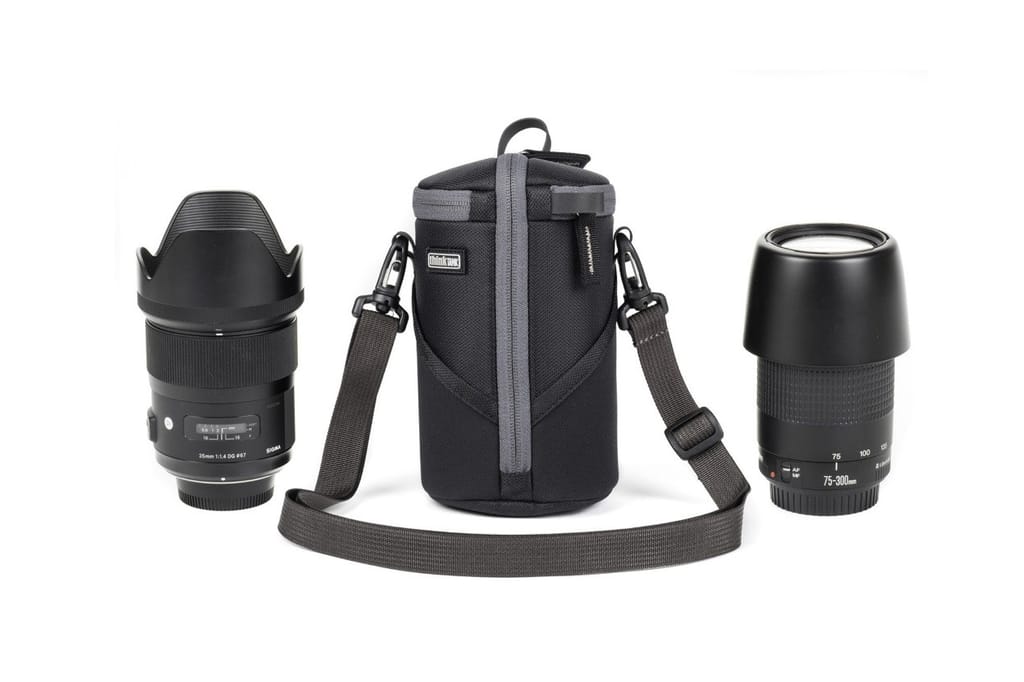
You finally did it—you picked up your first camera. Whether it was a holiday gift, a long-planned upgrade, or your entry point into photography, that moment of unboxing is exciting… and a little intimidating. Suddenly, you’re faced with settings, lenses, and accessories, all promising to make your photos better.
This new camera guide is here to help you cut through the noise. Think of it as your practical roadmap for building out your photography kit: what lenses, accessories, and add-ons actually matter, and how to get the most from your camera—without overspending. At KEH Camera, we’ve helped photographers at every stage do exactly that, often with high-quality pre-owned gear that delivers pro-level results for less.
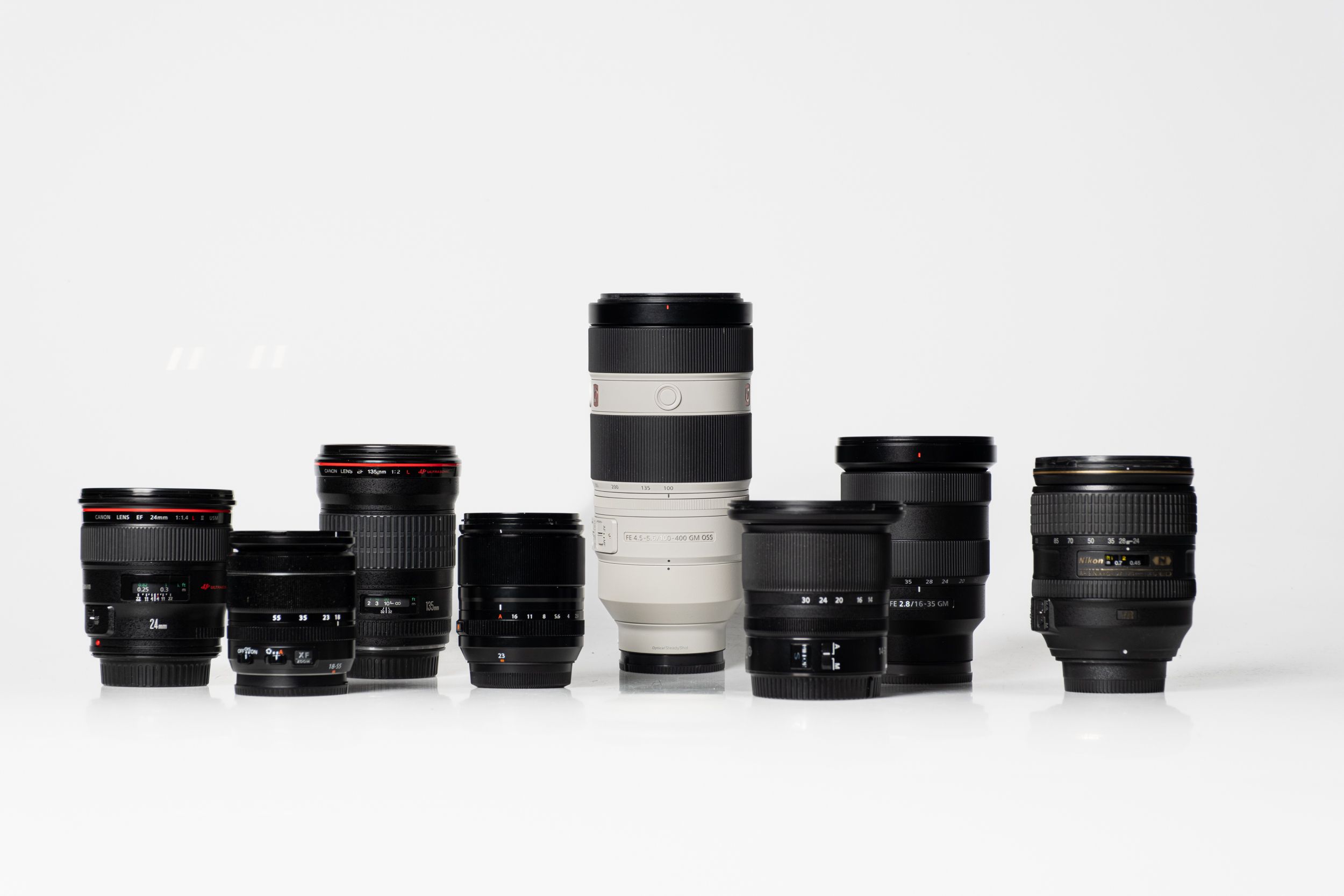
Lenses have more impact on your photos than almost any camera body upgrade. If you’re starting from scratch, these lens types cover most shooting situations and help you learn faster by giving you creative flexibility.
A standard zoom lens—like an 18–55mm or 24–70mm—is the foundation of most camera kits. It covers a wide range of focal lengths, making it ideal for everything from landscapes and street photography to family moments and casual portraits. This type of lens is perfect for learning composition because you can zoom in and out instead of constantly moving your feet. It’s also a great option for travel, since you can shoot a variety of scenes without swapping lenses.
KEH Picks:
Prime lenses have a fixed focal length, but they make up for it with excellent image quality and wide apertures that let in more light. A 50mm prime—often called the “nifty fifty”—is one of the most popular first upgrades because it produces sharper images, smoother background blur, and better low-light performance than most kit lenses. It’s especially well-suited for portraits, detail shots, and everyday photography when you want a more professional look.
KEH Picks:
A telephoto lens lets you photograph subjects that are far away, making it ideal for wildlife, sports, concerts, and events. These lenses are also great for candid portraits because you can keep some distance from your subject while still filling the frame. Many entry-level telephoto zooms are lightweight and affordable, making them a natural next step once you know what kinds of subjects you enjoy shooting.
KEH Picks:
Wide-angle lenses are designed to fit more into the frame, which makes them perfect for landscapes, architecture, interiors, and travel photography. They also encourage creative experimentation by exaggerating perspective and depth, helping foreground elements stand out. If you love shooting scenic views or tight spaces, a wide-angle lens can dramatically change how you see and compose photos.
KEH Picks:
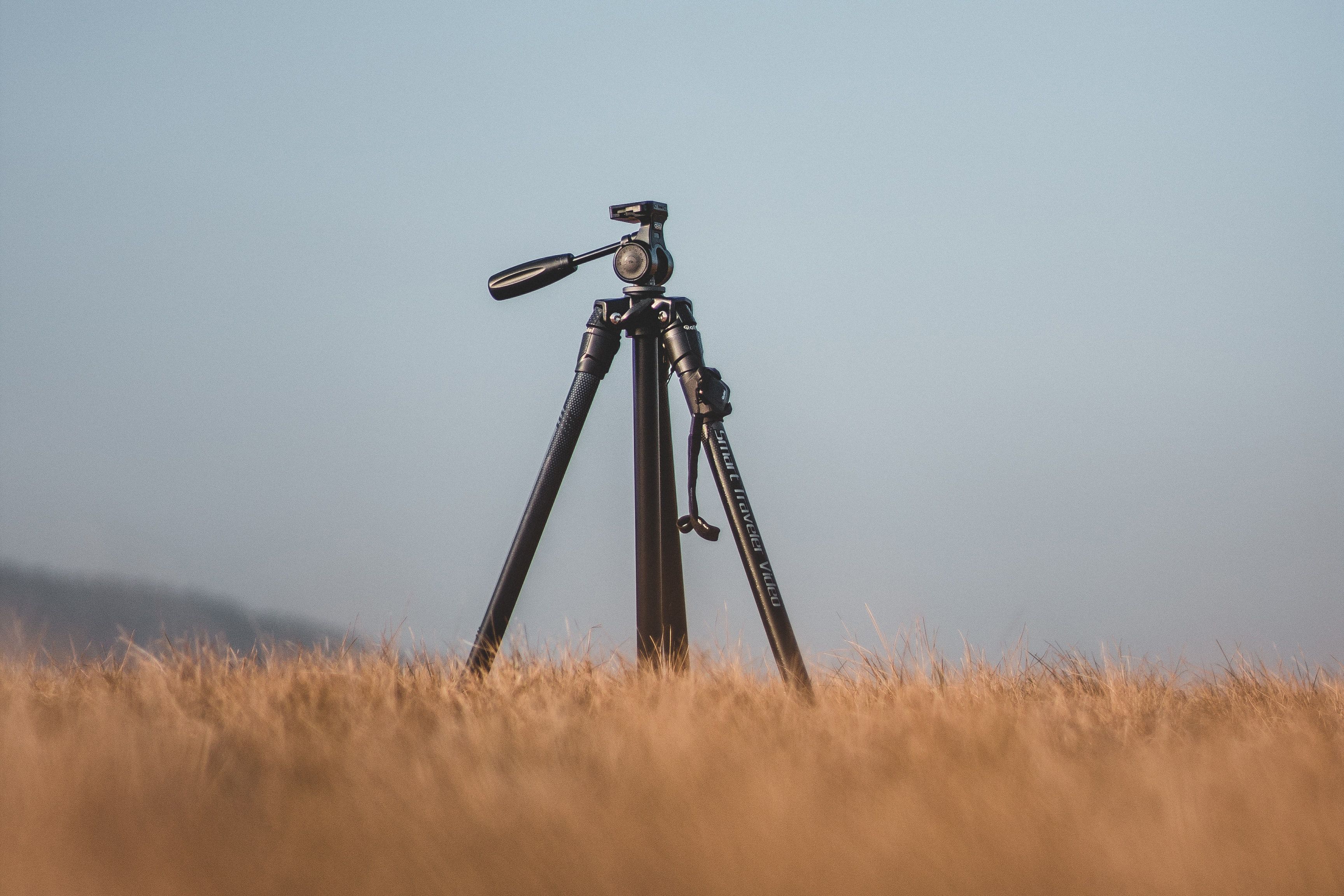
Accessories aren’t just extras—they help protect your gear, improve image quality, and make shooting more comfortable and reliable.
A tripod is essential for keeping your camera steady during long exposures, low-light shooting, landscapes, night photography, and video. It allows you to shoot at slower shutter speeds without blur and helps you be more intentional with composition. Look for a tripod that offers a good balance of stability and portability so it’s easy to bring along on trips and outdoor shoots.
KEH Picks:
A quality camera bag protects your equipment from bumps, weather, and everyday wear while keeping everything organized and easy to access. Padded compartments help prevent damage, and adjustable dividers allow your bag to grow as your kit expands. Choosing the right style—backpack, sling, or shoulder bag—depends on how much gear you carry and how you like to shoot.
KEH Picks:
Fast, reliable memory cards are critical for capturing photos and video without delays or data loss. Higher-speed cards help when shooting bursts or recording high-resolution video, while having multiple cards ensures you’re never forced to stop shooting mid-session. It’s always a good idea to carry backups, especially when traveling or photographing important moments.
KEH Picks:
If you’re shooting with a film camera, having a variety of film on hand gives you more creative flexibility. Different film stocks and ISO ratings affect color, contrast, and grain, allowing you to match the film to your shooting conditions and style. Keeping extra rolls with you ensures you’re always ready when inspiration strikes.
KEH Picks:
An external flash gives you far more control over lighting than a built-in camera flash. It’s especially useful for indoor photography, events, and portraits where natural light may be limited. External flashes can be bounced or diffused to create softer, more natural-looking light and help reduce harsh shadows.
KEH Picks:
Filters attach to the front of your lens and offer both protection and creative control. UV filters help protect the front element of your lens, while polarizing filters reduce reflections and enhance skies. Neutral density (ND) filters allow you to use slower shutter speeds in bright conditions, making them great for long-exposure photography during the day.
KEH Picks:
Start Small, Upgrade Slowly
Begin with a basic lens kit and a few essential accessories, then add specialized gear as you discover what and how you love to shoot. This approach helps you avoid overspending and ensures every upgrade actually supports your creative goals.
Buy Pre-Owned Wisely
High-quality photography gear doesn’t have to come brand new. KEH’s pre-owned equipment is expertly inspected and graded, making it easier to expand your kit with confidence while stretching your budget further.
Think About Use Cases
Let your photography style guide your purchases. Travel and street photographers may prioritize lightweight lenses, extra memory cards, and compact tripods, while portrait shooters often benefit most from prime lenses, external flashes, and lighting accessories.
Keep Gear Organized
Protecting your investment is just as important as choosing the right gear. Camera bags, padded dividers, and small pouches help prevent damage, keep everything accessible, and make packing for shoots easier and more efficient.
Experiment and Learn
There’s no need to buy everything at once. Photography is learned through hands-on experience, and the best upgrades come after you’ve spent time experimenting, practicing, and refining your technique.
Getting your first camera is just the beginning. Photography is a journey, and your gear should evolve with your skills—not hold you back. By understanding which lenses, accessories, and add-ons truly enhance your shooting, you’ll build a kit that works for you.
Great photography shouldn’t require buying everything new. With expertly inspected pre-owned gear, you can access trusted equipment, stretch your budget further, and upgrade with confidence—every step of the way.
You’ve got the camera. Now you’ve got the guide. Happy shooting.